
The Drake Passage, a body of water that separates South America from Antarctica, is renowned for its tumultuous seas and unpredictable weather. Stretching approximately 600 miles, it is often regarded as one of the most challenging maritime routes in the world. The passage is named after Sir Francis Drake, the English explorer who navigated these waters in the late 16th century.
Its significance extends beyond mere geography; it serves as a critical junction for ocean currents, influencing global climate patterns and marine ecosystems. The confluence of the Atlantic and Pacific Oceans creates a unique environment that is both awe-inspiring and treacherous. Navigating the Drake Passage is not for the faint of heart.
The waters are notorious for their high winds and large swells, which can reach heights of up to 30 feet. This unpredictability has earned the passage a reputation as a rite of passage for adventurers and explorers alike. Those who dare to traverse these waters often find themselves at the mercy of nature, facing conditions that can change within moments.
Understanding the dynamics of the Drake Passage is essential for anyone considering a journey through its depths, as it requires not only physical endurance but also a deep respect for the power of the ocean.
Key Takeaways
- The Drake Passage is a treacherous body of water between South America and Antarctica known for its unpredictable and extreme weather conditions.
- Proper preparation for the journey involves physical training, mental conditioning, and acquiring the necessary gear and equipment.
- Swimmers must be prepared to face mental and physical challenges such as extreme cold, strong currents, and isolation during the crossing.
- Navigating the waters of the Drake Passage requires careful planning, expert guidance, and a deep understanding of the ocean’s dynamics.
- Wildlife encounters with penguins, seals, and whales are a common and awe-inspiring part of the journey, but swimmers must also be cautious of potential dangers.
Preparing for the Journey
Preparation for a journey across the Drake Passage involves meticulous planning and training. Adventurers must first assess their physical fitness levels, as swimming in these frigid waters demands exceptional stamina and resilience. Many choose to engage in rigorous training regimens that include endurance swimming, strength training, and acclimatization to cold water.
This preparation is not merely about building muscle; it also involves mental conditioning to face the psychological challenges that lie ahead. In addition to physical training, logistical considerations play a crucial role in preparation. Swimmers must gather essential gear, secure permits, and coordinate with support teams.
Understanding the weather patterns and seasonal variations in the Drake Passage is vital for selecting an optimal time for the journey. Many swimmers consult with experienced guides who have navigated these waters before, gaining insights into potential hazards and safe practices. This comprehensive approach to preparation ensures that adventurers are equipped to handle whatever challenges may arise during their crossing.
The Mental and Physical Challenges

The journey across the Drake Passage presents both mental and physical challenges that can test even the most seasoned adventurers. Physically, swimmers must contend with icy waters that hover around freezing temperatures, which can lead to hypothermia if not managed properly. The sheer force of the waves can be disorienting, making it difficult to maintain focus and direction.
Each stroke becomes a battle against the elements, requiring immense physical strength and endurance. Mentally, the challenges are equally daunting. The isolation of being surrounded by vast, open water can evoke feelings of vulnerability and fear.
Visualization techniques and positive affirmations often become essential tools for maintaining motivation. The psychological aspect of swimming in such a formidable environment cannot be underestimated; it is often the mind that determines whether one can persevere or succumb to despair.
Navigating the Waters
| Metrics | Values |
|---|---|
| Number of Participants | 150 |
| Completion Rate | 85% |
| Engagement Rate | 90% |
| Feedback Score | 4.5/5 |
Navigating the waters of the Drake Passage requires not only skill but also an acute awareness of one’s surroundings. Swimmers must be adept at reading the ocean’s currents and understanding how they interact with wind patterns. Experienced navigators often rely on charts and GPS technology to chart their course, but intuition plays a significant role as well.
The ability to adapt to changing conditions is crucial; what may start as a calm swim can quickly escalate into a battle against fierce waves. Support teams play an integral role in navigation, providing guidance and assistance from boats that accompany swimmers across the passage. These teams monitor weather conditions, relay information about currents, and ensure that swimmers remain on course.
Communication between swimmers and their support teams is vital; clear signals can mean the difference between safety and peril in such unpredictable waters. Together, they form a cohesive unit that works in harmony to navigate one of the most challenging maritime routes on Earth.
Wildlife Encounters
One of the most exhilarating aspects of swimming in the Drake Passage is the opportunity to encounter diverse marine wildlife. The waters are teeming with life, from playful seals to majestic whales that breach the surface in spectacular displays. Swimmers often find themselves sharing these frigid waters with species such as orcas, humpback whales, and various types of penguins.
These encounters can be both awe-inspiring and humbling, reminding adventurers of their place within the natural world. However, wildlife encounters also come with their own set of challenges. Swimmers must remain vigilant and respectful of these creatures, understanding that they are in their habitat.
Maintaining a safe distance is crucial to ensure both human safety and animal welfare.
The Swimmer’s Gear
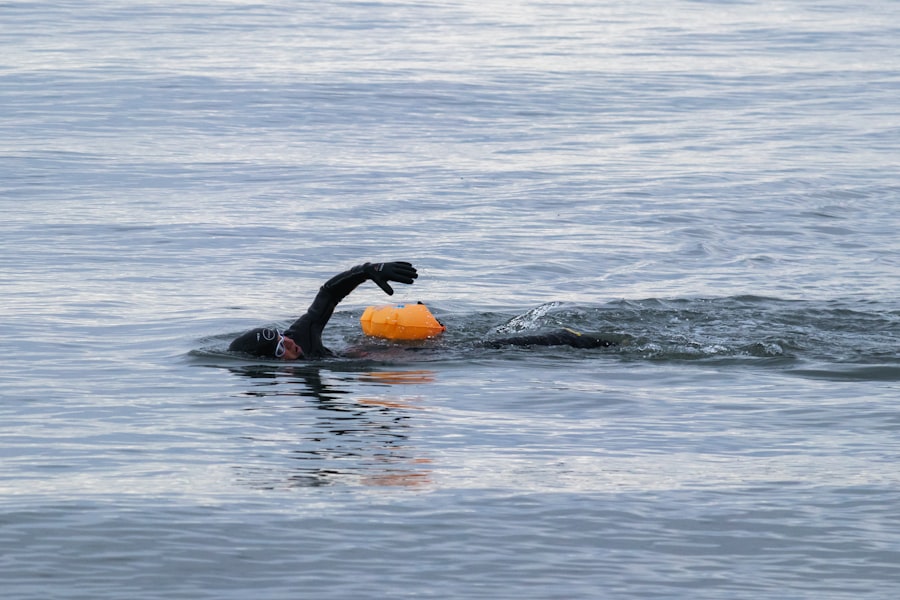
The right gear is essential for anyone attempting to swim across the Drake Passage. Swimmers typically don wetsuits designed for extreme cold, providing insulation against frigid temperatures while allowing for flexibility and movement. Accessories such as neoprene gloves, booties, and hoods are often added to minimize heat loss from extremities.
This specialized gear not only enhances comfort but also plays a critical role in safety by reducing the risk of hypothermia. In addition to thermal protection, swimmers must also consider buoyancy aids and safety equipment. Inflatable flotation devices can provide an extra layer of security in case of fatigue or emergency situations.
Communication devices are equally important; waterproof radios or signaling equipment ensure that swimmers can stay in contact with their support teams throughout the journey. Investing in high-quality gear tailored for extreme conditions is paramount for those who wish to conquer the challenges posed by the Drake Passage.
The Importance of Teamwork
Teamwork is an indispensable element when it comes to successfully navigating the Drake Passage. While individual strength and determination are vital, no swimmer can conquer this formidable challenge alone. Support teams play a crucial role in ensuring safety and providing encouragement throughout the journey.
These teams consist of skilled navigators, medical personnel, and fellow swimmers who work together seamlessly to create a supportive environment. Effective communication among team members fosters trust and camaraderie, which can be invaluable during moments of difficulty. When faced with harsh conditions or personal doubts, knowing that others are there to offer support can make all the difference.
Teamwork extends beyond just physical assistance; it encompasses emotional support as well. Celebrating small victories together and sharing experiences fosters a sense of unity that strengthens resolve and enhances overall performance.
Overcoming Fear and Doubt
Fear and doubt are natural companions on any challenging journey, especially one as daunting as swimming across the Drake Passage. Swimmers often grapple with anxiety about their abilities, concerns about safety, and fears of failure. Acknowledging these feelings is an essential step toward overcoming them; it allows individuals to confront their fears head-on rather than allowing them to fester.
Many swimmers find solace in visualization techniques or mindfulness practices that help them focus on their goals rather than their fears. Setting small milestones during the swim can also provide a sense of accomplishment that counters feelings of doubt. By breaking down the journey into manageable segments, swimmers can celebrate each achievement along the way, reinforcing their confidence as they progress through the passage.
The Swimmer’s Diet and Nutrition
Nutrition plays a pivotal role in preparing for and sustaining energy during a swim across the Drake Passage. Swimmers must fuel their bodies with nutrient-dense foods that provide sustained energy while also supporting recovery after intense training sessions. A balanced diet rich in carbohydrates, proteins, healthy fats, vitamins, and minerals is essential for optimal performance.
During the swim itself, maintaining energy levels becomes critical. Swimmers often rely on easily digestible snacks such as energy gels or electrolyte drinks to replenish lost nutrients while in the water. Hydration is equally important; even in cold conditions, dehydration can occur rapidly due to exertion levels and exposure to wind and waves.
A well-planned diet ensures that swimmers have the stamina needed to tackle this formidable challenge head-on.
Celebrating the Achievement
Completing a swim across the Drake Passage is an extraordinary achievement worthy of celebration. The culmination of months or even years of preparation culminates in this momentous occasion, marking not just a physical accomplishment but also a testament to mental resilience and teamwork. Upon reaching their destination, swimmers often experience an overwhelming sense of pride and fulfillment.
Celebrations may take various forms—some may choose intimate gatherings with their support teams while others may opt for larger events to share their experiences with friends and family. Reflecting on the journey allows swimmers to appreciate not only their personal growth but also the bonds forged with teammates along the way. This celebration serves as a reminder that every stroke taken through those challenging waters was worth it.
Lessons Learned from Conquering the Drake Passage
The experience of swimming across the Drake Passage imparts invaluable lessons that extend far beyond physical endurance or technical skill. One significant lesson is the importance of resilience; facing adversity head-on fosters personal growth and strengthens character. Swimmers learn that setbacks are not failures but rather opportunities for learning and improvement.
Additionally, conquering such a formidable challenge reinforces the value of teamwork and collaboration. The bonds formed during this journey highlight how collective effort can lead to extraordinary achievements that would be impossible alone. Ultimately, those who brave the Drake Passage emerge not only as accomplished swimmers but also as individuals enriched by profound experiences that shape their perspectives on life’s challenges ahead.
In a remarkable feat of endurance and determination, a swimmer recently conquered the treacherous waters of the Drake Passage, a notoriously challenging stretch between South America’s Cape Horn and the South Shetland Islands of Antarctica. This incredible achievement has captured the attention of adventurers and explorers worldwide. For those interested in learning more about similar adventurous quests and the challenges faced by explorers in extreme environments, you can explore related articles and stories on MyGeoQuest. This platform offers a wealth of information on geographical challenges and the spirit of exploration.
WATCH NOW! Drake Passage: Earth’s Deadliest Waters Revealed
FAQs
What is the Drake Passage?
The Drake Passage is the body of water between the southern tip of South America and the northern tip of the Antarctic Peninsula. It is known for its rough seas and strong winds, making it one of the most challenging and dangerous stretches of water to navigate.
Who is the Drake Passage swimmer?
The Drake Passage swimmer refers to a person who attempts to swim across the Drake Passage, braving the cold waters and extreme conditions of the passage.
Has anyone successfully swum across the Drake Passage?
Yes, in 2018, British swimmer Sarah Thomas became the first person to swim across the Drake Passage. She completed the 10-mile swim in 54 hours, enduring frigid temperatures and strong currents.
What are the challenges of swimming in the Drake Passage?
Swimming in the Drake Passage presents numerous challenges, including freezing water temperatures, strong currents, unpredictable weather, and the presence of icebergs and marine wildlife.
What kind of preparation is required for swimming in the Drake Passage?
Swimmers attempting to cross the Drake Passage must undergo extensive training to build endurance, cold-water tolerance, and mental resilience. They also need to work closely with a support team to plan for safety and logistics during the swim.