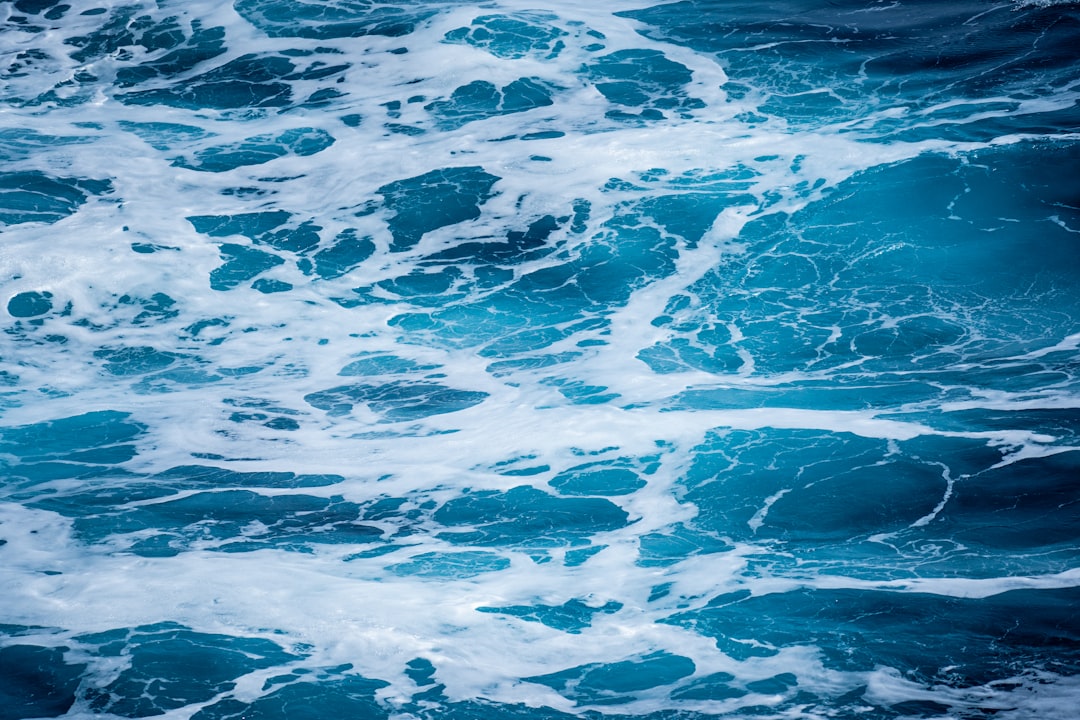
The Drake Passage is a body of water approximately 600 miles wide that separates South America from Antarctica. It is recognized as one of the most challenging maritime routes globally due to its severe weather conditions and rough seas. The passage marks the convergence point of the Atlantic and Pacific Oceans, resulting in complex current systems and strong winds that make navigation difficult.
Crossing the Drake Passage demands considerable maritime skill and knowledge of oceanic conditions. Weather in the region can change rapidly, with sea states shifting from relatively calm to severe within hours. Wave heights commonly reach 30 feet or more.
The crossing presents significant physical challenges for travelers, including seasickness and fatigue. However, successful passage through these waters provides a notable achievement for those undertaking the journey. The Drake Passage remains a significant geographical and navigational landmark for Antarctic expeditions and maritime travel.
Its extreme conditions reflect the dynamic nature of the Southern Ocean and the environmental challenges present in polar regions.
Key Takeaways
- The Drake Passage is known for its challenging and unpredictable sea conditions.
- Thorough preparation is essential for a safe and successful Antarctic journey.
- Travelers can expect to encounter diverse wildlife unique to the region.
- The Antarctic landscape offers stunning and pristine natural beauty.
- Life aboard the expedition vessel fosters camaraderie and shared adventure experiences.
Preparing for the Journey
Preparation for a journey across the Drake Passage is as much about mental readiness as it is about physical logistics. Adventurers must equip themselves with appropriate gear, including waterproof clothing, sturdy boots, and layers to combat the biting cold. Packing essentials like motion sickness medication becomes crucial, as the unpredictable nature of the passage can leave even seasoned sailors feeling queasy.
Beyond physical preparations, travelers are encouraged to educate themselves about the region’s unique ecology and history, fostering a deeper appreciation for the environment they are about to enter. In addition to personal preparations, travelers often engage in group briefings led by experienced expedition leaders. These sessions provide valuable insights into what to expect during the crossing and offer tips on how to cope with the challenges that may arise.
Participants learn about safety protocols, navigation techniques, and the importance of respecting wildlife and natural habitats. This collective preparation fosters camaraderie among adventurers, setting the stage for shared experiences that will unfold during their journey. The treacherous waters of the Drake Passage are known for their unpredictable weather and challenging navigation.
Navigating the Infamous Waters

As the expedition vessel sets sail from Ushuaia, Argentina, anticipation fills the air. The crew expertly navigates through the Beagle Channel before entering the open waters of the Drake Passage. The initial calmness can be deceiving; soon enough, the ship encounters the notorious swells that characterize this region.
Experienced sailors know that patience and adaptability are key when navigating these waters. The crew remains vigilant, adjusting sails and course as needed while keeping passengers informed about changing conditions. The experience of crossing the Drake Passage is not solely about battling waves; it is also an opportunity for reflection and connection with nature.
As travelers brace themselves against the elements, they are often struck by the sheer beauty surrounding them—the vast expanse of ocean stretching endlessly in every direction. The rhythmic motion of the ship becomes a meditative experience, allowing individuals to contemplate their place in the world and their relationship with the natural environment. Each wave that crashes against the hull serves as a reminder of nature’s power and unpredictability.
Wildlife Encounters
One of the most exhilarating aspects of traversing the Drake Passage is the chance to encounter diverse marine wildlife. As the ship sails deeper into Antarctic waters, passengers may spot playful dolphins riding the bow waves or majestic albatrosses gliding effortlessly overhead. These encounters serve as a prelude to what lies ahead in Antarctica—a land teeming with life adapted to extreme conditions.
The thrill of witnessing these creatures in their natural habitat ignites a sense of wonder and curiosity among travelers. The excitement builds as adventurers anticipate their first sighting of seals and penguins on the Antarctic continent itself. The sight of a colony of Gentoo or Adélie penguins waddling across the ice is often described as a highlight of the journey.
Observing these animals in their natural environment fosters a deeper understanding of their behaviors and adaptations. Travelers are reminded that they are guests in this fragile ecosystem, and they leave with a renewed commitment to conservation efforts aimed at protecting these remarkable species.
The Beauty of the Antarctic Landscape
| Metric | Value | Unit | Notes |
|---|---|---|---|
| Distance | 800 | kilometers | Approximate width of the Drake Passage |
| Average Crossing Time | 2-3 | days | Depends on vessel and weather conditions |
| Sea Temperature | 1 to 4 | °C | Typical surface water temperature |
| Average Wave Height | 4 to 6 | meters | Can reach higher during storms |
| Wind Speed | 30 to 60 | km/h | Common wind speeds, can be stronger |
| Latitude Range | 55°S to 65°S | degrees | Geographical location of the passage |
| Currents | Antarctic Circumpolar Current | – | Strongest ocean current flowing eastward |
Upon arrival in Antarctica, travelers are greeted by an otherworldly landscape that defies imagination. Towering icebergs, sculpted by wind and water into fantastical shapes, float serenely in glacial blue waters. Majestic mountains rise dramatically from the icy terrain, their peaks often shrouded in mist or adorned with snow.
The stark contrast between the white ice and deep blue sea creates a visual spectacle that captivates all who witness it.
The beauty of Antarctica extends beyond its physical features; it encompasses an atmosphere imbued with tranquility and solitude.
The silence is profound, broken only by the occasional crack of ice or call of wildlife.
As travelers explore this pristine wilderness, they often find themselves reflecting on their own lives and values, inspired by the resilience and beauty found in such an extreme environment.
Weathering the Elements
Antarctica is known for its harsh weather conditions, which can change rapidly and without warning. Travelers must be prepared for biting winds, sudden snowstorms, and freezing temperatures that can challenge even the most seasoned adventurers. Layering clothing becomes essential; thermal base layers, insulated jackets, and windproof outer shells are crucial for staying warm and dry.
Understanding how to dress appropriately allows individuals to fully embrace outdoor activities without succumbing to discomfort. Despite these challenges, many find that weathering the elements adds to the adventure’s allure. The experience of standing on an icy shore while snowflakes dance around them creates a sense of connection to this remote land.
Each gust of wind serves as a reminder of nature’s raw power, while moments spent huddled together in cozy cabins foster camaraderie among fellow travelers. Embracing these elements becomes part of the journey—an opportunity to test one’s limits while forging unforgettable memories.
A History of Exploration
The history of exploration in Antarctica is rich and complex, marked by tales of bravery, discovery, and sometimes tragedy. Early explorers like Ernest Shackleton and Robert Falcon Scott ventured into these uncharted territories with little knowledge of what lay ahead. Their expeditions were fraught with peril yet paved the way for future generations to understand this frozen continent better.
Travelers often find themselves captivated by stories of these pioneers as they learn about their struggles against extreme conditions and their relentless pursuit of knowledge. Visiting historical sites such as old whaling stations or research huts allows adventurers to step back in time and appreciate the sacrifices made by those who came before them. These remnants serve as poignant reminders of humanity’s quest for exploration and understanding in one of Earth’s last frontiers.
Engaging with this history deepens travelers’ connections to Antarctica, instilling a sense of responsibility to protect its fragile ecosystems for future generations.
Life Aboard the Expedition Vessel
Life aboard an expedition vessel is an experience unto itself, blending adventure with comfort in an intimate setting. Passengers quickly become acquainted with one another as they share meals, attend lectures, and participate in daily excursions. The camaraderie that develops among travelers fosters an atmosphere of excitement and shared purpose—everyone is united by their desire to explore this extraordinary region.
The crew plays a vital role in enhancing this experience, providing expert guidance on everything from wildlife identification to safety protocols during landings. Evening briefings allow passengers to reflect on their day’s adventures while looking ahead to what tomorrow may bring. Whether it’s sharing stories over dinner or marveling at stunning sunsets from the deck, life aboard becomes a tapestry woven from shared experiences that create lasting bonds among fellow adventurers.
Connecting with Fellow Adventurers
The journey through Antarctica is not just about exploring breathtaking landscapes; it is also about forging connections with like-minded individuals who share a passion for adventure and discovery. As travelers embark on excursions together—whether hiking on glaciers or kayaking among icebergs—they form friendships that transcend geographical boundaries. These shared experiences create lasting memories that travelers carry with them long after they return home.
Conversations often flow freely among passengers as they exchange stories about their lives, aspirations, and motivations for embarking on such an extraordinary journey. Many find inspiration in each other’s tales—some may be seasoned explorers while others are taking their first steps into adventure travel. This diverse mix enriches everyone’s experience, fostering an environment where learning from one another becomes just as valuable as witnessing nature’s wonders.
Exploring Antarctic Research Stations
A visit to Antarctic research stations offers travelers a unique glimpse into scientific endeavors aimed at understanding this remote environment better. These stations serve as hubs for researchers studying climate change, glaciology, marine biology, and more. Engaging with scientists working in such extreme conditions provides insight into their groundbreaking work and highlights humanity’s commitment to preserving this fragile ecosystem.
Travelers often find themselves inspired by the dedication exhibited by researchers who brave harsh conditions for months at a time in pursuit of knowledge. Guided tours through these facilities reveal cutting-edge technology used for data collection and analysis while emphasizing collaboration among international teams working towards common goals. This exposure deepens travelers’ appreciation for science’s role in addressing global challenges while reinforcing their responsibility toward environmental stewardship.
Reflecting on the Experience
As the expedition draws to a close and travelers prepare to return home, many find themselves reflecting on their transformative experiences in Antarctica. The journey has been more than just an adventure; it has been an opportunity for personal growth and introspection amidst some of Earth’s most breathtaking landscapes. Each individual carries home not only memories but also newfound perspectives on life, nature, and humanity’s place within it.
The lessons learned during this expedition often extend beyond Antarctica itself—travelers return with a heightened awareness of environmental issues facing our planet today. Inspired by their encounters with wildlife and pristine landscapes, many feel compelled to advocate for conservation efforts or engage in sustainable practices within their communities. Ultimately, this journey through one of Earth’s last frontiers becomes a catalyst for change—both personally and globally—as adventurers seek to protect what they have come to cherish deeply during their time in Antarctica.
Crossing the Drake Passage is a remarkable adventure that many travelers seek, often filled with both excitement and trepidation due to its notorious weather conditions. For those interested in learning more about the challenges and experiences associated with this journey, I recommend reading the article available at this link. It provides valuable insights into the preparations needed and the unique wildlife that can be encountered along the way.
WATCH THIS 🛑 Drake Passage: Earth’s Deadliest Waters Revealed
FAQs
What is the Drake Passage?
The Drake Passage is a body of water located between the southern tip of South America (Cape Horn) and the northern tip of the Antarctic Peninsula. It connects the southwestern part of the Atlantic Ocean with the southeastern part of the Pacific Ocean.
Why is crossing the Drake Passage significant?
Crossing the Drake Passage is significant because it is one of the most challenging and turbulent sea routes in the world. It is often crossed by ships traveling to Antarctica, and the journey is known for its rough seas and unpredictable weather.
How long does it take to cross the Drake Passage?
The crossing typically takes between 24 to 48 hours, depending on the vessel, weather conditions, and sea state. Some expeditions may take longer if conditions are particularly rough.
What kind of weather can be expected in the Drake Passage?
The weather in the Drake Passage is highly variable and can change rapidly. It is known for strong winds, large waves, and cold temperatures. Storms and rough seas are common, especially during the Southern Hemisphere’s winter months.
What types of vessels cross the Drake Passage?
Various vessels cross the Drake Passage, including research ships, expedition cruise ships, and cargo vessels. Many tourists traveling to Antarctica use specially designed expedition ships that can handle the challenging conditions.
Is it safe to cross the Drake Passage?
While the Drake Passage is known for its rough seas, modern ships are well-equipped to handle the conditions, and experienced crews manage the crossings safely. However, passengers should be prepared for potentially rough and uncomfortable conditions.
What wildlife might be seen during a crossing?
During a crossing, travelers may see a variety of marine wildlife, including seabirds like albatrosses and petrels, as well as whales, seals, and penguins near the Antarctic Peninsula.
What is the best time of year to cross the Drake Passage?
The best time to cross the Drake Passage is during the Antarctic summer months, from November to March, when the weather is relatively milder and sea ice is minimal.
Can the Drake Passage be crossed by air?
While the Drake Passage itself is a sea route, there are flights available to Antarctica from South America that avoid the sea crossing. However, these flights are less common and often more expensive than sea voyages.
What should travelers bring when crossing the Drake Passage?
Travelers should bring warm, waterproof clothing, seasickness medication if prone to motion sickness, and sturdy footwear. It is also advisable to bring binoculars and cameras for wildlife viewing.