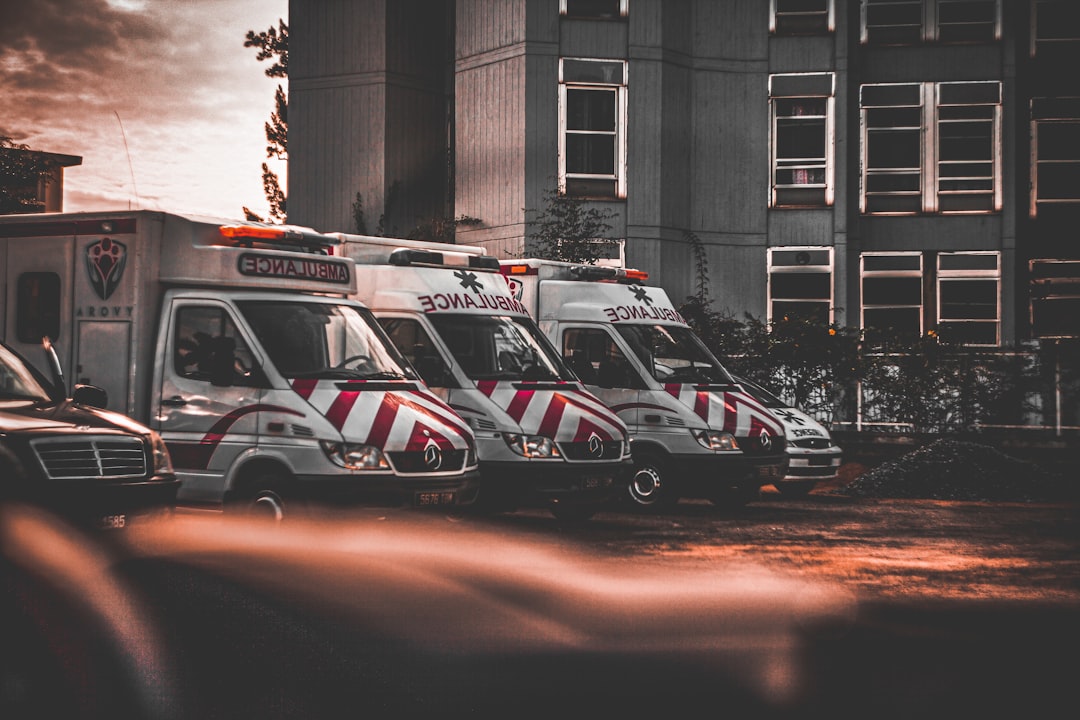
The prospect of a robust and uninterrupted healthcare system in the face of widespread disruption is a growing concern for individuals and organizations alike. While modern medicine boasts remarkable advancements, its infrastructure remains vulnerable to a multitude of threats, ranging from natural disasters and pandemics to cyberattacks and critical equipment failures. In this context, the concept of a “Concierge Emergency Medical Redundancy Site” emerges as a vital strategy, offering a layered defense mechanism to ensure continued access to essential medical services when primary facilities become compromised. These sites are not merely backup generators; they represent a comprehensive, pre-planned alternative capable of sustaining critical care, acting as a sturdy ark in the turbulent seas of medical emergencies.
The inherent fragility of centralized healthcare systems has been starkly illuminated by recent global events. A single point of failure, whether a widespread power outage, the rapid spread of a contagion, or a sophisticated cyberattack targeting hospital networks, can cripple the ability to provide even the most basic medical attention. For individuals and organizations that prioritize immediate and consistent access to high-quality care, relying solely on a single, vulnerable primary facility is akin to building a single dam to protect a city from a flood – a single breach can be catastrophic.
The Vulnerabilities of Modern Healthcare Infrastructure
Modern hospitals are complex ecosystems, heavily reliant on sophisticated technology, uninterrupted power, and accessible supply chains. This reliance, while enabling remarkable medical feats, also creates a cascade of potential vulnerabilities.
Power Dependency and Grid Instability
Hospitals are voracious consumers of electricity. From life-support equipment and imaging diagnostics to operating room lights and sterile environments, a constant and stable power supply is non-negotiable. Electrical grid failures, whether localized or widespread, can quickly plunge a facility into darkness, necessitating the activation of backup generators. However, these generators have finite fuel reserves and can themselves fail, leaving critical patients in immediate peril.
The Specter of Pandemics and Infectious Disease Outbreaks
The COVID-19 pandemic served as a stark reminder of the overwhelming capacity of infectious diseases to incapacitate healthcare systems. Hospitals rapidly reached their saturation points, overwhelming staff and resources. This strain not only impacts the care of those infected but also disrupts the treatment of non-infectious conditions, creating a ripple effect of delayed diagnoses and treatments.
The Rise of Cyber Threats
The digitization of healthcare records and the increasing reliance on networked medical devices have opened new avenues for malicious actors. Ransomware attacks, data breaches, and denial-of-service attacks can cripple hospital operations, rendering patient records inaccessible, disrupting diagnostic equipment, and even compromising the operation of robotic surgical systems. These cyber threats can be as disruptive as a physical impediment.
Supply Chain Disruptions
The intricate global supply chains that provide essential medicines, equipment, and consumables to healthcare facilities are susceptible to a myriad of disruptions, from geopolitical instability and natural disasters to labor shortages and transportation issues. A break in this chain can have immediate and severe consequences for patient care.
The Concept of Concierge Emergency Medical Redundancy Sites
A Concierge Emergency Medical Redundancy Site is a proactive, pre-established, and often privately managed medical facility designed to operate independently of, or in conjunction with, primary healthcare institutions during emergencies. The “concierge” aspect signifies a premium level of dedicated service and preparedness, tailored to the specific needs of its clientele, which can range from high-net-worth individuals and families to corporations and organizations. These sites are not intended to replace the vast array of services offered by a large hospital but rather to provide a critical bridge, ensuring essential care continues when the primary lifeline is severed.
In the realm of healthcare, the concept of concierge emergency medical redundancy sites is gaining traction as a vital resource for ensuring timely and efficient medical assistance. A related article that delves into the significance of these services can be found at MyGeoQuest, where it explores how such systems can enhance patient care and reduce response times during emergencies. This innovative approach not only prioritizes patient safety but also streamlines the process of accessing critical medical services when they are needed the most.
Key Components of a Concierge Redundancy Site
The efficacy of a Concierge Emergency Medical Redundancy Site hinges on its multifaceted design and the integration of various critical systems and resources. These sites are engineered to be islands of stability, capable of weathering the storms that would overwhelm conventional facilities.
Independent and Resilient Infrastructure
At the heart of any robust redundancy site lies its ability to function self-sufficiently, detached from the vulnerabilities of public utilities and standard infrastructure. This independence is the bedrock upon which all other services are built.
Secure and Fortified Locations
The physical location of a redundancy site is paramount. These facilities are typically situated in areas chosen for their lower risk of experiencing natural disasters and their potential for secure access. They may be fortified against physical threats and designed to withstand significant environmental challenges.
Redundant Power Generation and Storage
Beyond standard backup generators, these sites often incorporate multiple layers of power redundancy. This can include on-site renewable energy sources like solar or wind power, coupled with substantial battery storage systems. The intention is to ensure continuous power for extended periods, even if primary grid power and conventional generators are unavailable.
Self-Sufficient Water and Waste Management
Access to clean water and effective waste disposal are critical for maintaining sterile environments and public health. Redundancy sites are equipped with their own independent water purification systems and robust waste management protocols, ensuring these essential services are uninterrupted.
Advanced Medical Capabilities
While not aiming to replicate the full spectrum of a tertiary hospital, these sites are equipped to handle a significant range of acute medical needs, focusing on stabilizing patients and providing critical care.
State-of-the-Art Diagnostic and Treatment Equipment
The equipment within a redundancy site mirrors that found in leading medical facilities. This includes advanced imaging technology, laboratory analysis capabilities, and surgical suites capable of performing life-saving procedures. The emphasis is on having readily available, well-maintained, and frequently calibrated equipment.
Specialized Clinical Services
Depending on the clientele, these sites may offer specialized services such as intensive care units (ICUs), emergency departments (EDs), and postanesthesia care units (PACUs). The goal is to provide immediate and expert care for a wide array of acute conditions.
Pharmaceutical and Medical Supply Stockpiles
A critical element is the pre-positioning of extensive stockpiles of essential medications, intravenous fluids, and medical disposables. These reserves are meticulously managed to ensure they remain within their expiry dates and are readily accessible.
Highly Trained and Readily Available Staff
The most sophisticated infrastructure is rendered useless without skilled personnel to operate it. The staffing model for these sites is designed for immediate deployment and sustained operation.
Dedicated Medical Teams
These sites maintain a roster of highly qualified physicians, nurses, and specialized medical professionals who are on standby or readily deployable. Their expertise is crucial for diagnosing and treating a wide range of conditions under stressful circumstances.
Emergency Preparedness Training Programs
All staff undergo rigorous and ongoing training in emergency response protocols, mass casualty management, and the operation of specialized redundancy equipment. This ensures a coordinated and effective response when an event occurs.
Mental Health and Psychological Support Staff
The emotional toll of emergencies on both patients and caregivers is significant. Redundancy sites often include provisions for mental health professionals to provide support and counseling during and after disruptive events.
The Concierge Model: Tailored Access and Proactive Planning

The “concierge” aspect of these emergency medical redundancy sites differentiates them from traditional public health preparedness strategies. It represents a model of healthcare that prioritizes personalized service, advanced planning, and immediate access for a specific set of clients.
Personalized Risk Assessment and Preparedness Plans
Unlike one-size-fits-all approaches, concierge services begin with a deep understanding of the individual or organizational client’s specific needs, risks, and medical history. This forms the foundation for a tailored emergency preparedness strategy.
Individual Health Profiles and Emergency Directives
Clients work with medical professionals to establish comprehensive health profiles, detailing pre-existing conditions, allergies, medications, and preferences for care. This information is secured and readily accessible to the redundancy site team in the event of an emergency.
Pre-defined Evacuation and Transport Protocols
In situations where a client may need to be moved to the redundancy site, pre-established protocols dictate the safest and most efficient methods of transport, considering factors such as the nature of the emergency and the client’s medical status.
Corporate and Family-Specific Emergency Plans
For organizations, this can involve developing plans for employee safety, business continuity, and the provision of medical care to key personnel. For families, it might encompass the unique needs of children, elderly relatives, or individuals with chronic conditions.
Priority Access and Expedited Care
The core benefit of a concierge model lies in its guarantee of priority access and the reduction of wait times traditionally associated with overwhelmed healthcare systems.
Guaranteed Bed Availability and Treatment Slots
Clients of a redundancy site are assured of immediate access to available beds and treatment slots, bypassing the lengthy queues that can form during mass casualty events or widespread health crises.
Direct Communication Channels and Dedicated Liaison
A dedicated point of contact or liaison is typically assigned to each client or client group. This individual serves as a direct communication channel, providing updates, coordinating care, and addressing concerns promptly.
Expedited Diagnostic and Treatment Pathways
The operational efficiency of a redundancy site is geared towards minimizing delays. Diagnostic tests are prioritized, and treatment plans are initiated with maximum expediency, reflecting the urgent nature of emergency medical care.
Confidentiality and Privacy Safeguards
Given the sensitive nature of medical information, concierge redundancy sites place a paramount emphasis on maintaining the highest standards of confidentiality and privacy for their clients.
Secure Data Management Systems
All client data, from health profiles to medical records generated at the redundancy site, is stored and managed using state-of-the-art encryption and cybersecurity protocols to prevent unauthorized access.
Strict Access Controls and Non-Disclosure Agreements
Access to client information is strictly controlled, and all personnel are bound by rigorous non-disclosure agreements to ensure the privacy of sensitive medical details.
Operational Scenarios and Applications

The true value of Concierge Emergency Medical Redundancy Sites is realized in their ability to provide a critical lifeline during a range of disruptive events. These sites act as a robust safety net, catching individuals and organizations when the primary healthcare system falters.
Natural Disaster Response
When natural disasters strike, the infrastructure of affected regions is often compromised, including hospitals and clinics. Redundancy sites offer a vital alternative for continued medical care.
Shelter-in-Place Capabilities
In scenarios where evacuation is impossible or dangerous, redundancy sites are equipped to serve as secure shelters, providing a safe environment with access to essential medical services for those who remain on-site.
Post-Disaster Medical Support
Following a disaster, these sites can serve as critical hubs for treating injuries sustained from the event, managing chronic conditions that require ongoing care, and providing a stable environment for recovery.
Evacuation and Relocation of Patients
Should primary facilities become inoperable, the redundancy site can serve as a destination for the organized and safe evacuation and relocation of patients from compromised hospitals, ensuring continuity of care.
Public Health Emergencies and Pandemics
The overwhelming demand placed on healthcare systems during widespread outbreaks necessitates alternative care solutions. Redundancy sites play a crucial role in alleviating this pressure.
Decentralized Treatment Hubs
During pandemics, these sites can function as decentralized treatment hubs, easing the burden on overwhelmed public hospitals and allowing for the isolation and treatment of specific patient populations.
Continuity of Care for Non-Contagious Conditions
While a pandemic rages, individuals with other serious medical conditions still require care. Redundancy sites can ensure that essential treatments for heart disease, cancer, and other non-contagious illnesses continue without interruption.
Vaccination and Prophylaxis Centers
These sites can be rapidly repurposed to serve as centers for administering vaccines, distributing essential medications, or providing prophylactic treatments during public health emergencies.
Security Incidents and Targeted Disruptions
In an era of increasing security threats, both physical and digital, redundancy sites offer a shield against targeted attacks on healthcare infrastructure.
Response to Bioterrorism or Chemical Attacks
The specialized equipment and trained personnel within redundancy sites are equipped to manage the unique challenges posed by bioterrorism or chemical attacks, including decontamination and specialized treatment protocols.
Continuity of Care Following Cyberattacks
When cyberattacks cripple hospital IT systems, rendering patient data inaccessible and medical devices inoperable, redundancy sites offer a lifeline of independent operational capacity, safeguarding patient care.
Protection for High-Profile Individuals and Essential Personnel
For governmental, corporate, and other high-profile individuals, or those deemed essential personnel, these sites provide a secure and private environment for receiving medical care during times of civil unrest or targeted threats.
Concierge emergency medical redundancy sites have become increasingly important in ensuring timely and efficient healthcare delivery. For a deeper understanding of how these services operate and their impact on patient care, you can explore a related article that discusses the benefits and challenges of such systems. This insightful piece can be found at this link, where you will discover more about the innovative approaches being taken in emergency medical services.
The Future of Medical Redundancy and Accessibility
| Metric | Description | Value | Unit | Notes |
|---|---|---|---|---|
| Number of Redundancy Sites | Total concierge emergency medical redundancy locations | 5 | Sites | Distributed across major metropolitan areas |
| Average Response Time | Time taken to respond to emergency calls | 8 | Minutes | Measured from call receipt to dispatch |
| Backup Staff Availability | Percentage of backup medical staff on standby | 95 | Percent | Ensures continuous coverage during peak times |
| Equipment Redundancy Level | Proportion of critical medical equipment duplicated | 100 | Percent | Includes defibrillators, ventilators, and monitors |
| System Uptime | Operational availability of emergency communication systems | 99.9 | Percent | Ensures reliable communication during emergencies |
| Training Frequency | Number of emergency drills conducted annually | 12 | Sessions | Includes redundancy protocol rehearsals |
| Patient Transfer Time | Average time to transfer patients between redundancy sites | 15 | Minutes | Critical for maintaining continuous care |
The development and implementation of Concierge Emergency Medical Redundancy Sites represent a forward-thinking approach to healthcare security. As the global landscape continues to present new and evolving challenges, the demand for such resilient and responsive medical solutions is poised to grow.
Integration with Existing Healthcare Networks
While designed for independence, these redundancy sites are not intended to operate in complete isolation. Future development will likely focus on seamless integration with existing healthcare networks, enabling smoother information sharing and patient transfer protocols.
Data Interoperability and Secure Information Exchange
Ensuring that critical patient data can be securely and efficiently exchanged between primary facilities and redundancy sites, even during emergencies, will be a key area of advancement.
Collaborative Emergency Response Planning
Greater collaboration between public health agencies, private healthcare providers, and concierge redundancy site operators will foster more robust and cohesive emergency response plans.
Expanding Accessibility and Affordability
Currently, concierge services are often associated with premium pricing, limiting their accessibility to a select few. Future efforts may explore models that broaden access.
Tiered Service Models
Developing tiered service models could allow for a wider range of individuals and organizations to benefit from some level of redundancy planning, even if it doesn’t encompass the full spectrum of a top-tier concierge service.
Public-Private Partnerships
Exploring partnerships between public health organizations and private redundancy site providers could lead to more affordable and widely accessible emergency preparedness solutions for communities.
Technological Advancements and Innovation
Continued innovation in medical technology and emergency preparedness will further enhance the capabilities and effectiveness of redundancy sites.
Artificial Intelligence and Predictive Analytics
The integration of AI for predictive analytics could help anticipate potential health crises and resource allocation needs, enabling proactive deployment of resources to redundancy sites.
Advanced Telemedicine and Remote Care Capabilities
Enhancing telemedicine capabilities within redundancy sites will allow for remote consultation with specialists and a wider reach of medical expertise, even in dispersed operational scenarios.
In conclusion, Concierge Emergency Medical Redundancy Sites represent a sophisticated and essential evolution in how we approach healthcare security. They are not a luxury but a logical and necessary response to the inherent vulnerabilities of our contemporary medical infrastructure. By providing a pre-planned, robust, and expertly staffed alternative, these sites ensure that access to essential medical care remains a constant, even when the primary life support of a conventional hospital is threatened. They are the guardians of health resilience, offering a crucial shield against the unpredictable storms of the modern world.
FAQs
What are concierge emergency medical redundancy sites?
Concierge emergency medical redundancy sites are backup medical facilities or locations designed to provide continuous emergency medical services in case the primary site becomes unavailable. They ensure uninterrupted care by offering alternative access points for patients and medical staff.
Why are redundancy sites important in emergency medical services?
Redundancy sites are crucial because they enhance the reliability and resilience of emergency medical services. In situations such as natural disasters, technical failures, or high patient volumes, these sites help maintain service availability and prevent disruptions in critical care.
How do concierge emergency medical redundancy sites operate?
These sites operate by maintaining fully equipped medical resources, staff, and communication systems that can be activated quickly when the primary emergency medical facility is compromised. They often coordinate closely with the main site to ensure seamless patient transfer and data sharing.
Who typically manages concierge emergency medical redundancy sites?
Management of these sites is usually handled by healthcare organizations, hospitals, or specialized emergency medical service providers. They may also involve partnerships with local government agencies to ensure compliance with health regulations and emergency preparedness standards.
What are the benefits of using concierge emergency medical redundancy sites?
Benefits include increased reliability of emergency medical care, reduced risk of service interruptions, improved patient outcomes during crises, and enhanced overall healthcare system resilience. They also provide peace of mind to patients and healthcare providers by ensuring continuous access to emergency medical services.