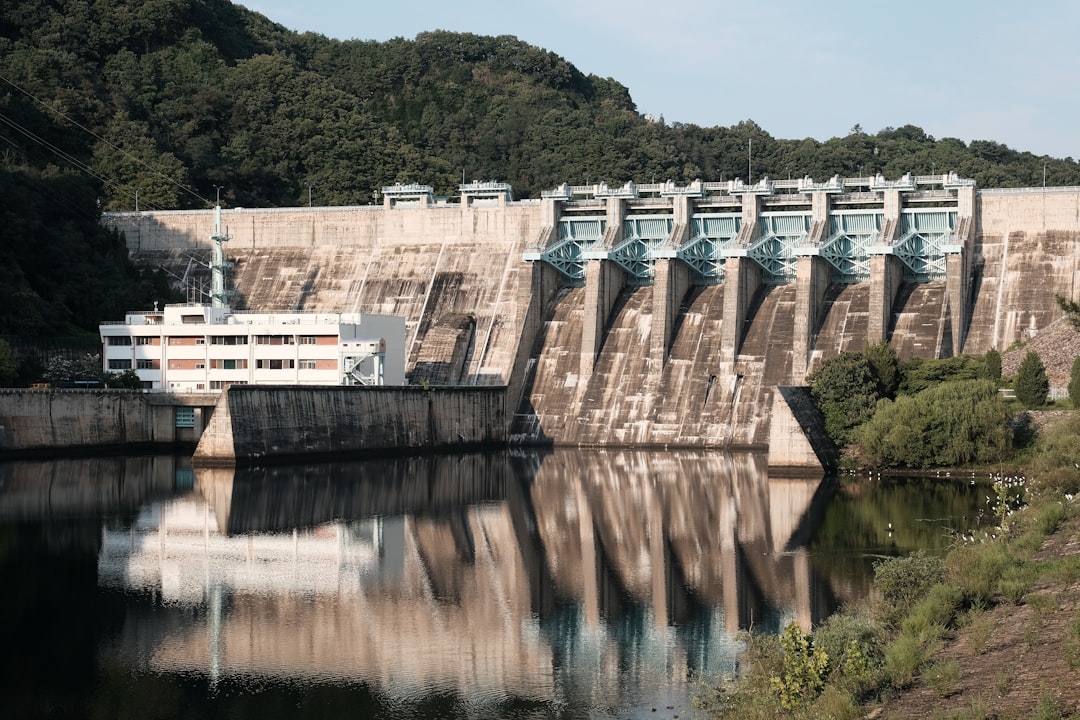
The evaluation of dams is a critical aspect of water resource management, infrastructure development, and environmental conservation. A comprehensive dam evaluation framework serves as a structured approach to assess the performance, safety, and sustainability of dam projects. This framework encompasses various methodologies and criteria that facilitate informed decision-making regarding the construction, operation, and decommissioning of dams.
By integrating technical, environmental, social, and economic factors, the framework aims to provide a holistic view of a dam’s impact on its surroundings and the communities that rely on it. In recent years, the need for a robust dam evaluation framework has become increasingly apparent due to the growing concerns over climate change, population growth, and the demand for sustainable water management practices. As dams play a pivotal role in flood control, irrigation, and hydroelectric power generation, their evaluation must consider not only their immediate benefits but also their long-term implications.
The framework is designed to guide stakeholders through a systematic assessment process, ensuring that all relevant aspects are taken into account while minimizing risks and maximizing benefits.
Key Takeaways
- Multi-criteria evaluation is essential for a holistic assessment of dam performance and impacts.
- Comprehensive dam evaluation frameworks integrate technical, environmental, social, and economic criteria.
- Effective data collection and stakeholder involvement enhance the accuracy and acceptance of dam assessments.
- Risk assessment and management are critical components to ensure dam safety and sustainability.
- Case studies demonstrate the practical application and benefits of multi-criteria frameworks in dam evaluation.
Importance of Multi-Criteria Evaluation in Dam Assessment
Multi-criteria evaluation (MCE) is an essential component of dam assessment, as it allows for the consideration of diverse factors that influence the overall effectiveness and sustainability of a dam project. Unlike traditional evaluation methods that may focus solely on technical or economic aspects, MCE incorporates a wide range of criteria, including environmental impacts, social implications, and stakeholder preferences. This comprehensive approach enables decision-makers to weigh the trade-offs between competing objectives and make more informed choices.
The significance of MCE in dam assessment lies in its ability to capture the complexity of real-world scenarios. Dams often have multifaceted impacts on ecosystems, local communities, and regional economies. By employing MCE, evaluators can systematically analyze these various dimensions and prioritize them according to their importance.
This not only enhances transparency in the decision-making process but also fosters stakeholder engagement by acknowledging diverse perspectives and values. Ultimately, MCE contributes to more sustainable dam management practices that align with broader societal goals.
Components of Comprehensive Dam Evaluation Framework
A comprehensive dam evaluation framework consists of several key components that work together to provide a thorough assessment of a dam’s performance and impact. These components typically include technical assessments, environmental evaluations, social impact analyses, economic feasibility studies, and risk assessments. Each component plays a vital role in ensuring that all relevant factors are considered during the evaluation process.
Technical assessments focus on the structural integrity and operational efficiency of the dam. This includes evaluating design specifications, construction quality, maintenance practices, and compliance with safety regulations. Environmental evaluations examine the potential effects of the dam on local ecosystems, water quality, and biodiversity.
Social impact analyses assess how the dam affects local communities, including displacement issues, changes in livelihoods, and access to resources. Economic feasibility studies analyze the cost-effectiveness of the dam project, considering both direct financial implications and broader economic benefits. Finally, risk assessments identify potential hazards associated with dam failure or adverse environmental impacts, allowing for proactive management strategies.
Criteria for Assessing Dam Performance
| Criteria | Description | Measurement Metrics | Assessment Frequency |
|---|---|---|---|
| Structural Integrity | Condition of dam materials and overall stability | Crack width, deformation, seepage rates | Annually and after major events |
| Hydraulic Performance | Ability to safely pass design flood flows | Spillway capacity, reservoir water levels, flow rates | Seasonally and during flood events |
| Seepage Control | Effectiveness of seepage barriers and drainage systems | Seepage volume, turbidity, piezometric pressure | Monthly or quarterly |
| Instrumentation Monitoring | Performance of installed monitoring devices | Data from inclinometers, piezometers, strain gauges | Continuous or periodic review |
| Environmental Impact | Effect on downstream ecosystems and water quality | Water temperature, sediment load, aquatic life health | Annually |
| Emergency Preparedness | Readiness for potential dam failure or extreme events | Emergency action plan status, communication drills | Annually |
Assessing dam performance requires a set of well-defined criteria that reflect the various dimensions of a dam’s operation and impact. These criteria can be categorized into several key areas: structural integrity, operational efficiency, environmental sustainability, social equity, and economic viability. Each category encompasses specific indicators that provide measurable benchmarks for evaluation.
Structural integrity is assessed through criteria such as design compliance, maintenance history, and monitoring data on stress and strain levels within the dam structure. Operational efficiency is evaluated based on factors like water storage capacity, flow regulation capabilities, and energy generation output for hydroelectric dams.
Social equity is gauged through indicators such as community engagement levels, displacement effects on local populations, and access to resources for affected communities. Lastly, economic viability is measured through cost-benefit analyses that consider both short-term financial returns and long-term economic impacts on regional development.
Data Collection and Analysis for Dam Evaluation
Effective data collection and analysis are fundamental to the success of any dam evaluation framework. The process begins with identifying relevant data sources that can provide insights into various aspects of dam performance. These sources may include hydrological data from monitoring stations, environmental assessments conducted by regulatory agencies, social surveys from affected communities, and economic reports from local governments or research institutions.
Once data is collected, it must be analyzed using appropriate methodologies to derive meaningful conclusions. Statistical techniques can be employed to identify trends and correlations within the data, while qualitative analyses can provide context to numerical findings by capturing stakeholder perspectives and experiences. Geographic Information Systems (GIS) can also play a crucial role in visualizing spatial data related to environmental impacts or community demographics.
By integrating diverse data types and analytical methods, evaluators can develop a comprehensive understanding of a dam’s performance and its implications for various stakeholders.
Stakeholder Involvement in Dam Evaluation Process
Stakeholder involvement is a critical aspect of the dam evaluation process that enhances transparency and fosters collaboration among diverse groups. Engaging stakeholders—including local communities, government agencies, environmental organizations, and industry representatives—ensures that multiple perspectives are considered during the assessment. This participatory approach not only enriches the evaluation process but also builds trust among stakeholders by demonstrating that their concerns are valued.
Involving stakeholders early in the evaluation process allows for the identification of key issues and priorities that may not have been initially apparent to evaluators.
Additionally, stakeholder feedback can inform the selection of criteria used in the evaluation framework, ensuring that it reflects the values and priorities of those most impacted by the dam’s operations.
Environmental and Social Impact Assessment in Dam Evaluation
Environmental and social impact assessments (ESIAs) are integral components of a comprehensive dam evaluation framework. ESIAs systematically analyze the potential effects of a dam on both natural ecosystems and local communities. By identifying adverse impacts early in the planning process, decision-makers can implement mitigation strategies to minimize harm and enhance positive outcomes.
Environmental assessments typically focus on aspects such as habitat disruption, changes in water quality, alterations to sediment transport processes, and impacts on aquatic species. These assessments often involve field studies to collect baseline data before construction begins and ongoing monitoring throughout the dam’s operational life. Social impact assessments examine how a dam affects local populations in terms of displacement, changes in livelihoods, access to resources like water and land, and overall community well-being.
By integrating ESIAs into the evaluation framework, stakeholders can better understand the trade-offs associated with dam projects and work towards solutions that balance development needs with environmental protection.
Economic Analysis in Dam Evaluation
Economic analysis is a crucial element of dam evaluation that assesses the financial viability and broader economic implications of a dam project. This analysis typically involves cost-benefit assessments that compare the anticipated costs of construction and maintenance against projected benefits such as flood control, irrigation support, hydroelectric power generation, and recreational opportunities. In conducting an economic analysis, evaluators must consider both direct financial impacts—such as revenue generated from energy sales—and indirect benefits that contribute to regional development.
For instance, improved irrigation capabilities may enhance agricultural productivity, leading to increased income for local farmers. Additionally, economic analyses should account for potential externalities—both positive and negative—that may arise from the dam’s operation. By providing a comprehensive economic perspective within the evaluation framework, decision-makers can make informed choices that align with both financial sustainability and community welfare.
Risk Assessment and Management in Dam Evaluation
Risk assessment is an essential component of dam evaluation that focuses on identifying potential hazards associated with dam operations and developing strategies to mitigate those risks. This process involves analyzing various factors such as structural vulnerabilities, environmental threats (e.g., climate change impacts), operational challenges (e.g., equipment failures), and social risks (e.g., community opposition). Effective risk management requires a proactive approach that includes regular monitoring of dam conditions, emergency preparedness planning, and stakeholder engagement in risk communication efforts.
By incorporating risk assessment into the evaluation framework, decision-makers can prioritize safety measures that protect both human lives and environmental resources. Furthermore, understanding potential risks allows for more resilient infrastructure planning that anticipates future challenges rather than merely reacting to them.
Case Studies of Dam Evaluation using Multi-Criteria Framework
Examining case studies where multi-criteria frameworks have been applied in dam evaluations provides valuable insights into best practices and lessons learned. One notable example is the assessment of large-scale hydropower projects in developing countries where competing interests—such as energy needs versus environmental conservation—often create complex challenges. In one case study involving a proposed hydropower project in Southeast Asia, stakeholders utilized a multi-criteria evaluation framework to assess various alternatives for energy generation while considering environmental impacts on local ecosystems and social implications for indigenous communities.
The framework facilitated discussions among diverse groups—government officials, environmental advocates, local residents—leading to a more balanced decision-making process that ultimately resulted in modifications to project design aimed at minimizing ecological disruption. Another case study focused on an aging dam in North America facing scrutiny due to safety concerns. A multi-criteria approach was employed to evaluate options for rehabilitation versus decommissioning.
The assessment considered structural integrity data alongside social factors such as community reliance on recreational opportunities provided by the reservoir. By engaging stakeholders throughout this process, decision-makers were able to arrive at a solution that addressed safety concerns while preserving community interests.
Conclusion and Future Directions for Dam Evaluation Framework
In conclusion, a comprehensive dam evaluation framework is essential for ensuring that dams are managed sustainably while balancing technical performance with environmental protection and social equity considerations. The integration of multi-criteria evaluation methods enhances decision-making by allowing stakeholders to weigh diverse factors systematically. Looking ahead, future directions for dam evaluation frameworks may include greater emphasis on adaptive management practices that respond dynamically to changing conditions—such as climate variability or shifts in community needs—over time.
Additionally, advancements in technology—such as remote sensing tools or real-time monitoring systems—could further enhance data collection efforts while improving transparency in evaluations. Ultimately, as society continues to grapple with complex water resource challenges amid growing demands for sustainable development solutions, robust dam evaluation frameworks will play an increasingly vital role in guiding responsible infrastructure investments that benefit both people and ecosystems alike.
In the context of developing a multi-criteria dam evaluation framework, it is essential to consider various factors such as environmental impact, economic feasibility, and social implications. A related article that delves into these aspects can be found on MyGeoQuest, which provides insights into the methodologies used for assessing dam projects. For more information, you can read the article [here](https://www.mygeoquest.com/sample-page/).
WATCH THIS! The $50 Billion Lie: America’s Dams Are About to Fail (60-Minute Documentary)
FAQs
What is a multi criteria dam evaluation framework?
A multi criteria dam evaluation framework is a systematic approach used to assess dams based on multiple factors or criteria. These criteria can include structural integrity, environmental impact, economic benefits, social effects, and safety considerations, among others. The framework helps decision-makers evaluate and compare dams comprehensively.
Why is multi criteria evaluation important for dams?
Multi criteria evaluation is important because dams have complex impacts that span environmental, social, economic, and technical domains. Considering multiple criteria ensures a balanced assessment that accounts for trade-offs and helps prioritize dam management, rehabilitation, or decommissioning decisions effectively.
What types of criteria are typically included in a dam evaluation framework?
Typical criteria include structural safety and stability, hydrological performance, environmental impacts (such as effects on aquatic ecosystems), social and community impacts, economic costs and benefits, regulatory compliance, and potential risks like flooding or dam failure.
How are the different criteria weighted in the evaluation process?
Criteria weighting depends on the specific goals and stakeholder priorities of the evaluation. Methods such as Analytic Hierarchy Process (AHP), Delphi technique, or expert judgment are often used to assign relative importance to each criterion to reflect their significance in the decision-making context.
What methods are used to analyze and combine multiple criteria in dam evaluation?
Common methods include multi-criteria decision analysis (MCDA) techniques like AHP, Technique for Order of Preference by Similarity to Ideal Solution (TOPSIS), and Weighted Sum Model (WSM). These methods help aggregate and rank dams based on their performance across all selected criteria.
Who typically uses a multi criteria dam evaluation framework?
Stakeholders such as government agencies, water resource managers, environmental consultants, engineers, and community groups use these frameworks to guide dam safety assessments, rehabilitation planning, environmental impact evaluations, and policy development.
Can a multi criteria dam evaluation framework be customized?
Yes, the framework can be tailored to specific contexts by selecting relevant criteria, adjusting weights, and incorporating local data and stakeholder input to address unique environmental, social, and technical conditions.
What are the benefits of using a multi criteria dam evaluation framework?
Benefits include improved transparency in decision-making, balanced consideration of diverse impacts, enhanced stakeholder engagement, better risk management, and more informed prioritization of dam-related actions.
Are there any limitations to multi criteria dam evaluation frameworks?
Limitations can include subjectivity in criteria selection and weighting, data availability and quality issues, complexity in analysis, and potential challenges in integrating diverse stakeholder perspectives.
How does a multi criteria dam evaluation framework contribute to sustainable dam management?
By integrating environmental, social, economic, and technical factors, the framework supports decisions that promote long-term sustainability, minimize negative impacts, and optimize benefits from dam infrastructure.