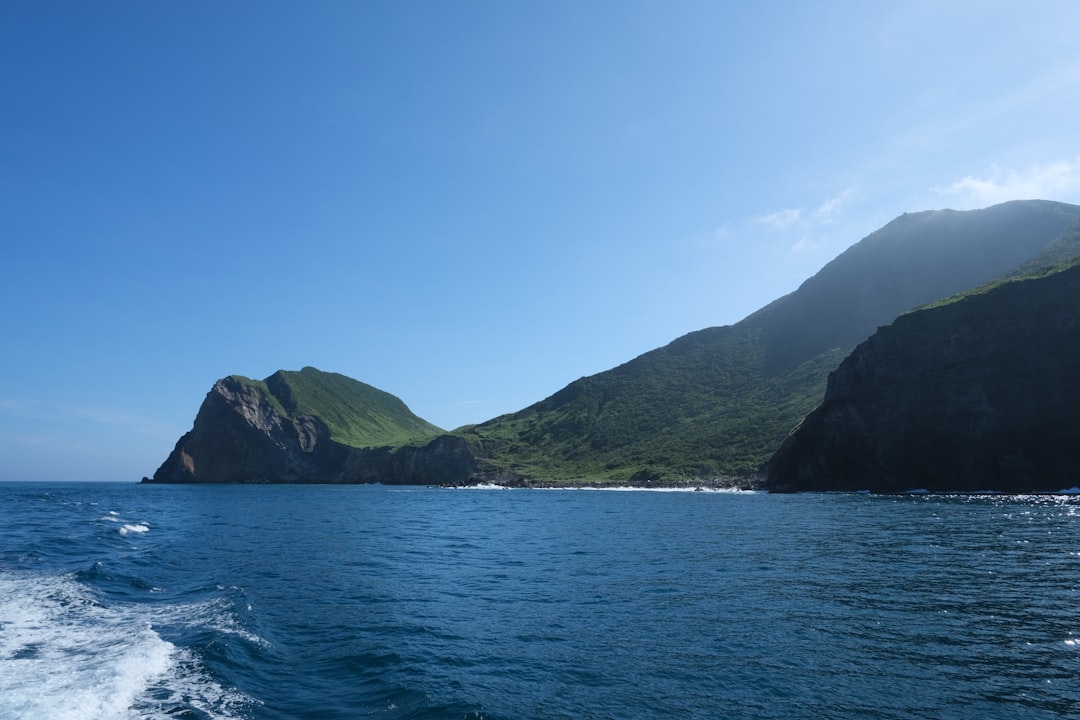
The relentless march of the ocean is reshaping coastlines worldwide, and contrary to intuitive assumptions about rising tides, a silent but equally disruptive phenomenon is threatening the very foundation of coastal tourism: sea level retreat. While the specter of inundation due to sea level rise has long dominated headlines and public discourse, the subtle yet persistent pulling back of the sea, particularly in certain geologically active or influenced regions, presents a unique set of challenges for destinations that have built their economies on the allure of the shoreline. Understanding this counterintuitive trend requires a dispassionate examination of geological forces, ecological consequences, and the socioeconomic ripple effects on coastal communities.
Sea level retreat, in this context, does not refer to the daily ebb and flow of tides, which are predictable cycles. Instead, it denotes a sustained, long-term lowering of the mean sea level relative to the land. This phenomenon, often localized and complex, can be driven by a combination of factors, primarily tectonic uplift and changes in ocean basin dynamics.
Tectonic Uplift: The Land Pushing Back
One of the primary geological drivers of sea level retreat is tectonic uplift. In regions where tectonic plates are colliding or where mantle plumes are actively pushing the crust upwards, landmasses can gradually rise. This upward movement effectively “lifts” the coastline out of the water, creating a relative sea level drop. Think of it as the Earth’s crust like a giant, slow-motion elevator, carrying coastal land upwards, away from the sea’s embrace.
Geodesy and Crustal Movement
Geodetic surveys, which involve precise measurements of the Earth’s surface, are crucial for detecting and quantifying these slow but significant crustal movements. Networks of GPS stations and other monitoring technologies provide continuous data, revealing patterns of uplift and subsidence that underscore the dynamic nature of our planet.
Impact on Coastal Geomorphology
The slow ascent of land can lead to the exposure of former sea floors, creating elevated shorelines, marine terraces, and even new landforms. While this might seem like an expansion of land, it signifies a retreat of the ocean’s former reach, altering the very definition of the “coastline.”
Ocean Basin Dynamics: The Shifting Balance of Water
Beyond direct geological uplift, broader oceanographic and geological processes can influence the distribution of water within ocean basins, leading to regional sea level variations.
Glacial Isostatic Adjustment: The Ghost of Ice Ages Past
The immense weight of continental ice sheets during the last glacial period depressed the Earth’s crust. As these ice sheets melted, the crust has been slowly rebounding, a process known as glacial isostatic adjustment (GIA). In areas that were once under heavy ice cover, this rebound can still be causing uplift, contributing to sea level retreat. This is like removing a heavy book from a soft mattress; the area where the book was will slowly rise back up.
Changes in Ocean Circulation and Water Volume
While less common as a primary driver of widespread retreat, localized changes in oceanographic patterns, such as shifts in major currents or alterations to the volume of water within specific ocean basins due to large-scale geological events, can theoretically contribute to regional sea level lowering. However, the dominant forces for significant, long-term retreat are generally terrestrial.
The impact of sea level retreat on coastal tourism is a pressing issue that has garnered significant attention in recent years. As coastal areas adapt to changing environmental conditions, understanding the implications for tourism is essential for sustainable development. For a deeper insight into this topic, you can read a related article that explores the challenges and opportunities presented by sea level changes in coastal regions. To learn more, visit this article.
The Unraveling of the Shoreline: Direct Impacts on Coastal Tourism
The tangible consequence of sea level retreat for coastal tourism is the gradual disappearance or significant alteration of the very features that draw visitors. Beaches shrink or vanish, tidal flats expand, and access to the water becomes more challenging, impacting a wide array of tourism-dependent activities.
Beach Erosion and Disappearing Sands
Beaches are the quintessential siren song of coastal destinations. Sea level retreat, by lowering the relative water level, can lead to a net erosion of beach material. As the sea pulls back, the energy of waves and currents can change, leading to the transport of sand away from the shoreline.
Altered Wave Dynamics and Sediment Transport
The changing depth of coastal waters due to retreat can alter how waves interact with the seabed. This can lead to increased energy dissipation further offshore, reducing the replenishment of sand on the beach or even facilitating its removal.
Impact on Beachfront Properties and Infrastructure
The receding waterline can leave beachfront properties stranded, making them less desirable and potentially devaluing them. Infrastructure built with the expectation of a certain shoreline position – boardwalks, piers, seawalls – may find themselves perched precariously inland, detached from their intended function or exposed to new environmental stresses.
Altered Coastal Ecosystems: The Fading Natural Attractions
Coastal ecosystems, such as mangrove forests, coral reefs, and salt marshes, are often integral components of the natural beauty and biodiversity that attract tourists. Sea level retreat can fundamentally disrupt these delicate environments.
Impact on Marine Life Habitats
Mangrove forests, crucial nurseries for many marine species, may find themselves in waters that become too shallow, hindering their ability to thrive. Coral reefs, which depend on specific water depths and conditions, can be exposed to air or experience changes in water flow, leading to bleaching and mortality.
Changes in Tidal Flats and Estuaries
Areas that once supported diverse birdlife and aquatic ecosystems due to tidal inundation may transform as the retreating sea exposes larger expanses of mudflats. While this can create new habitats in some instances, significant shifts can lead to the loss of charismatic species and a reduction in the ecological richness that attracts nature-based tourism.
Diminished Recreational Opportunities: The Waning Allure of the Water
The activities that define coastal vacations – swimming, boating, fishing, beachcombing – are directly dependent on accessible and appealing water environments. Sea level retreat can make these activities less enjoyable or even impossible.
Reduced Access to Waterways and Marinas
As the sea retreats, channels may become too shallow for boats, rendering marinas inaccessible or requiring costly dredging operations. This directly impacts recreational boating industries, fishing charters, and ferry services.
Challenges for Water Sports and Aquatic Activities
Scuba diving and snorkeling can become less viable as coral reefs are exposed or degraded. Swimming areas might become too shallow for safe enjoyment, and the aesthetic appeal of water sports landscapes can be diminished.
Economic Repercussions: The Shrinking Pool of Tourist Dollars

The environmental impacts of sea level retreat translate directly into significant economic challenges for coastal communities. Tourism, often the lifeblood of these regions, sees its revenue streams dwindle as attractions fade and visitor numbers decline.
Decline in Visitor Numbers and Spending
When beaches shrink, ecosystems degrade, and recreational opportunities diminish, the primary draw for tourists weakens. This leads to a predictable drop in visitor numbers, directly impacting hotels, restaurants, shops, tour operators, and all ancillary businesses that rely on tourist spending.
The Ripple Effect on Local Economies
The decline in tourism revenue creates a cascading effect. Reduced income for businesses leads to job losses, decreased demand for local goods and services, and a general economic downturn that can destabilize entire communities.
Devaluation of Coastal Real Estate
Properties that were once prime beachfront locations can lose significant value as the shoreline recedes. The perceived desirability of these areas diminishes, impacting property owners and local tax bases.
Challenges for Property Developers and Investors
Developers and investors who have gambled on the consistent presence of a vibrant coastline face significant risks. Projects that were predicated on beach access or ocean views may become unviable, leading to financial losses and stalled development.
Increased Costs of Adaptation and Mitigation
Coastal communities facing sea level retreat are often forced to invest in costly adaptation measures. These can include beach nourishment projects, the construction of new seawalls further inland, or the relocation of critical infrastructure.
The Financial Burden on Local Governments
These adaptation costs can place an immense strain on the budgets of local governments, diverting funds from other essential public services and creating long-term financial sustainability challenges.
Adapting to the Retreat: Strategies for Resilience

While the challenges of sea level retreat are formidable, coastal communities are not without recourse. Proactive planning, innovative strategies, and a willingness to adapt can foster resilience and help secure the future of coastal tourism.
Strategic Planning and Land Use Management
Forward-thinking land use policies are paramount. This includes establishing development setbacks from the current coastline to accommodate future retreat and discouraging development in areas highly vulnerable to coastal change.
Long-Term Coastal Zone Planning
Developing comprehensive, long-term coastal zone management plans that account for projected sea level changes is essential. This involves interdisciplinary collaboration between geologists, ecologists, urban planners, and tourism stakeholders.
Managed Retreat and Relocation Strategies
In some cases, a “managed retreat” – the planned relocation of infrastructure and communities away from vulnerable coastlines – may be the most sustainable long-term solution, albeit a socially and economically complex one.
Diversification of Tourism Offerings
Relying solely on beach-based tourism makes destinations highly susceptible to the impacts of sea level retreat. Diversifying tourism offerings can spread the risk and appeal to a broader range of visitors.
Promoting Inland and Cultural Tourism
Developing attractions and activities away from the immediate coastline, such as exploring local history, cultural heritage sites, or natural inland landscapes, can create alternative revenue streams.
Ecotourism and Sustainable Adventure Activities
Focusing on ecotourism that highlights biodiversity beyond the immediate shoreline, or promoting adventure activities in less affected areas, can attract discerning travelers.
Investment in Coastal Restoration and Protection
While fighting geological forces is often a losing battle, investing in the natural buffers that protect coastlines can be a vital strategy.
Habitat Restoration and Nature-Based Solutions
Restoring and protecting natural coastal habitats like mangroves, salt marshes, and sand dunes can help dissipate wave energy, reduce erosion, and maintain coastal ecosystems. These are nature’s own seawalls, offering a more sustainable and often more aesthetically pleasing defense.
Sustainable Infrastructure and Engineering
Where hard engineering is necessary, adopting innovative and sustainable approaches that consider long-term coastal dynamics is crucial. This might include permeable pavements or structures designed to flex with changing conditions.
The impact of sea level retreat on coastal tourism is a growing concern for many regions that rely heavily on beach-related activities. As coastal areas experience changes in their landscapes, the allure of pristine beaches may diminish, potentially affecting tourist numbers. For a deeper understanding of this issue, you can explore a related article that discusses these dynamics in detail. It highlights how shifts in sea levels can alter not only the physical environment but also the economic viability of coastal destinations. To read more about this topic, visit this article.
The Future of Coastal Tourism: An Evolving Landscape
| Metric | Description | Impact on Coastal Tourism | Example Data |
|---|---|---|---|
| Beach Area Reduction (%) | Percentage decrease in usable beach area due to sea level retreat | Less space for tourists, reduced recreational activities | 10-30% reduction over 20 years in some regions |
| Coastal Infrastructure Damage (Incidents/year) | Number of damages to hotels, resorts, and amenities caused by erosion and flooding | Increased repair costs, temporary closures, loss of tourist services | 5-15 incidents annually in vulnerable areas |
| Tourist Arrival Decline (%) | Decrease in number of tourists visiting affected coastal areas | Economic losses for local businesses and communities | Up to 20% decline reported in some coastal towns |
| Loss of Biodiversity Sites | Number of natural coastal habitats lost or degraded | Reduced attractiveness for eco-tourism and nature-based activities | Several mangrove and coral reef areas affected annually |
| Increased Coastal Flooding Frequency (Events/year) | Number of flooding events impacting tourism zones | Disruption of tourist activities, safety concerns | Flooding events increased from 2 to 6 per year in some locations |
| Adaptation Investment (USD million/year) | Funds allocated for coastal protection and tourism adaptation measures | Helps mitigate impacts but increases operational costs | Estimated 50-100 million annually in high-risk regions |
The reality of sea level retreat presents a stark reminder that coastal environments are not static. For coastal tourism to endure, it must embrace a new paradigm that acknowledges and adapts to these dynamic shifts.
The Need for Scientific Understanding and Public Awareness
A foundational element of adaptation is a robust understanding of the geological and environmental forces at play. Continued scientific research and effective public communication are vital to ensure that decision-makers and the public are equipped with the knowledge to make informed choices.
Disseminating Research and Data
Bridging the gap between scientific research and actionable policy requires effective dissemination of data and findings to relevant government agencies, tourism bodies, and local communities.
Educating Tourists and Stakeholders
Raising awareness among tourists about the challenges facing coastal destinations can foster greater appreciation and support for conservation and adaptation efforts.
Embracing Innovation and Long-Term Vision
The future of coastal tourism hinges on a willingness to embrace innovation and adopt a long-term perspective that transcends short-term economic gains. This requires foresight, collaboration, and a commitment to preserving the natural and cultural capital upon which these destinations depend.
Fostering Public-Private Partnerships
Effective solutions often require collaboration between government bodies, private sector tourism operators, and local communities. Public-private partnerships can leverage resources and expertise to implement vital adaptation measures.
Investing in Sustainable Tourism Models
Moving towards more sustainable tourism models that minimize environmental impact and maximize local benefits is not just ethical; it is a pragmatic approach to ensuring the long-term viability of coastal destinations in the face of environmental change.
The narrative of coastal tourism is intrinsically linked to the sea. However, understanding the multifaceted nature of sea level change, including the often-overlooked phenomenon of retreat, is crucial for its survival. As the tides of geological forces continue to shape our planet, so too must the strategies and aspirations of coastal communities adapt, ensuring that the allure of the coast can endure for generations to come, not as a static postcard, but as a dynamic, resilient, and ever-evolving embrace of the ocean.
FAQs
What is sea level retreat and how does it occur?
Sea level retreat refers to the lowering of the sea surface relative to the land, which can occur due to factors such as glacial rebound, tectonic uplift, or a decrease in ocean water volume. It is the opposite of sea level rise and can expose previously submerged coastal areas.
How does sea level retreat affect coastal tourism?
Sea level retreat can impact coastal tourism by altering beach landscapes, exposing rocky or muddy areas, and changing access to water-based activities. It may reduce the attractiveness of beaches, affect marine ecosystems, and influence the availability of coastal infrastructure.
What are the environmental consequences of sea level retreat on coastal regions?
Environmental consequences include changes in coastal habitats, such as the expansion of wetlands or the exposure of seabeds, shifts in marine biodiversity, and potential impacts on fisheries. These changes can indirectly affect tourism by modifying the natural attractions of coastal areas.
Can coastal tourism adapt to the changes caused by sea level retreat?
Yes, coastal tourism can adapt through measures such as developing new tourist attractions inland, restoring natural habitats, improving infrastructure to accommodate changing shorelines, and promoting alternative recreational activities that are less dependent on traditional beach environments.
Are there any economic implications of sea level retreat for coastal communities reliant on tourism?
Economic implications may include reduced revenue from beach tourism, increased costs for maintaining or relocating infrastructure, and potential job losses in tourism-related sectors. However, some communities might benefit from new opportunities if previously submerged areas become accessible for tourism development.