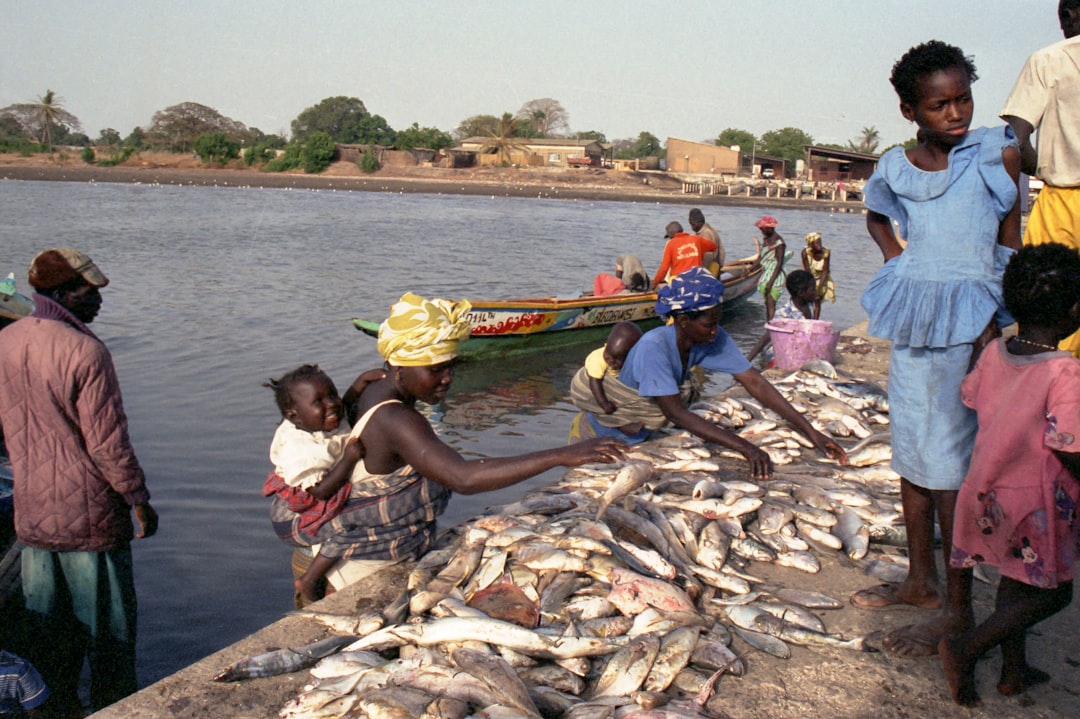
The coastal economy represents a vital segment of the global economic landscape, characterized by its unique blend of natural resources, cultural heritage, and economic activities. Coastal regions, often rich in biodiversity and natural beauty, serve as hubs for various industries, including tourism, shipping, and, most notably, fisheries. The interplay between these sectors creates a dynamic economic environment that not only supports local livelihoods but also contributes significantly to national economies.
As populations continue to grow and urbanize, the importance of sustainable practices in coastal economies becomes increasingly apparent. Coastal economies are not merely defined by their geographical boundaries; they encompass a complex web of social, cultural, and environmental factors. The livelihoods of millions depend on the resources these regions provide, making it essential to understand the intricate relationships between human activities and marine ecosystems.
As coastal communities navigate the challenges posed by climate change, overfishing, and pollution, the need for sustainable development strategies becomes paramount. This article delves into the multifaceted role of fisheries within coastal economies, exploring their significance, challenges, and future prospects.
Key Takeaways
- Fisheries are vital to the economy and livelihoods of coastal communities worldwide.
- Coastal fisheries face significant challenges including environmental degradation and overfishing.
- Government policies play a crucial role in supporting sustainable fisheries and protecting dependent communities.
- Technological advancements are improving fishing efficiency and sustainability in coastal areas.
- Sustainable practices are essential to preserve coastal ecosystems and ensure the long-term viability of fisheries.
Importance of Fisheries in Coastal Communities
Fisheries play a crucial role in the economic and social fabric of coastal communities. They provide not only a primary source of income for many families but also a cultural identity that is deeply intertwined with local traditions and practices. Fishing has been a way of life for generations, shaping the customs, festivals, and social structures of these communities.
The reliance on fisheries extends beyond mere sustenance; it fosters a sense of belonging and continuity among residents who share a common heritage tied to the sea. Moreover, fisheries contribute significantly to food security in coastal areas. They supply essential nutrients and proteins to local populations, often serving as the primary source of dietary needs.
In many developing nations, fish constitutes a substantial portion of the daily caloric intake for coastal inhabitants. The economic benefits derived from fisheries extend to ancillary industries as well, including processing, distribution, and retail. This interconnectedness highlights the importance of maintaining healthy fish stocks and sustainable fishing practices to ensure the long-term viability of these communities.
Economic Impact of Fisheries on Dependent Communities
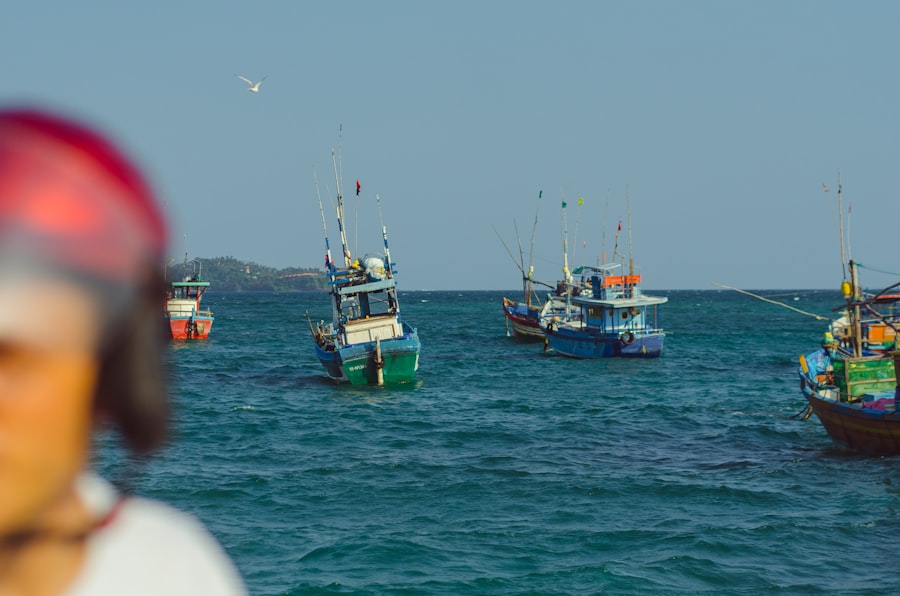
The economic impact of fisheries on dependent communities is profound and multifaceted. In many coastal regions, fishing activities generate substantial revenue that supports local economies. This revenue circulates through various sectors, creating jobs not only in fishing but also in related industries such as boat manufacturing, gear production, and seafood processing.
The multiplier effect of fisheries can be seen in the growth of local businesses that cater to fishermen and their families, from restaurants serving fresh catches to shops selling fishing gear. Additionally, fisheries contribute to regional development by attracting investment and tourism. Coastal areas with thriving fishing industries often become popular destinations for tourists seeking authentic experiences related to marine life and local culture.
This influx of visitors can lead to increased demand for services such as accommodations, dining, and recreational activities, further bolstering the local economy. However, the reliance on fisheries also makes these communities vulnerable to fluctuations in fish populations and market prices, underscoring the need for sustainable management practices.
Challenges Faced by Fisheries in Coastal Areas
Despite their importance, fisheries in coastal areas face numerous challenges that threaten their sustainability and economic viability. Overfishing remains one of the most pressing issues, driven by increasing demand for seafood and advancements in fishing technology. Unsustainable practices have led to the depletion of fish stocks, disrupting marine ecosystems and jeopardizing the livelihoods of those who depend on them.
The consequences of overfishing extend beyond immediate economic impacts; they can lead to long-term ecological imbalances that affect biodiversity and habitat health. In addition to overfishing, coastal fisheries are increasingly confronted with the effects of climate change. Rising sea temperatures, ocean acidification, and changing weather patterns disrupt traditional fishing seasons and alter fish migration patterns.
These environmental changes pose significant risks to fish populations and can lead to unpredictable catches for fishermen. Furthermore, pollution from land-based sources exacerbates these challenges by contaminating marine habitats and diminishing water quality. Addressing these issues requires a concerted effort from stakeholders at all levels to implement effective management strategies.
Role of Government Policies in Supporting Fisheries
| Community | Region | Number of Fisheries Jobs | Annual Fishery Catch (tons) | Economic Contribution (Millions) | Primary Species | Population Dependent on Fisheries (%) |
|---|---|---|---|---|---|---|
| Port Harbor | North Atlantic | 1,200 | 5,500 | 45 | Cod, Lobster | 35 |
| Bayview | Gulf Coast | 850 | 3,200 | 28 | Shrimp, Oysters | 40 |
| Seaside Village | Pacific Northwest | 1,500 | 6,800 | 52 | Salmon, Crab | 50 |
| Coastal Town | Southeast | 700 | 2,900 | 22 | Snapper, Grouper | 30 |
| Harbor City | Alaska | 1,100 | 7,200 | 60 | Pollock, Halibut | 55 |
Government policies play a pivotal role in supporting fisheries and ensuring their sustainability within coastal economies. Effective regulations can help manage fish stocks through quotas, size limits, and seasonal closures designed to allow populations to recover. By establishing marine protected areas (MPAs), governments can safeguard critical habitats from destructive practices while promoting biodiversity conservation.
These policies not only benefit fish populations but also enhance the resilience of coastal communities against environmental changes. Moreover, government support extends beyond regulatory frameworks; it includes financial assistance for fishermen transitioning to sustainable practices or diversifying their income sources. Training programs aimed at educating fishermen about sustainable fishing techniques can empower communities to adopt more responsible practices that protect marine resources while maintaining their livelihoods.
Collaborative efforts between governments, non-governmental organizations (NGOs), and local communities are essential for developing comprehensive policies that address both economic needs and environmental concerns.
Environmental Impact of Fisheries on Coastal Ecosystems
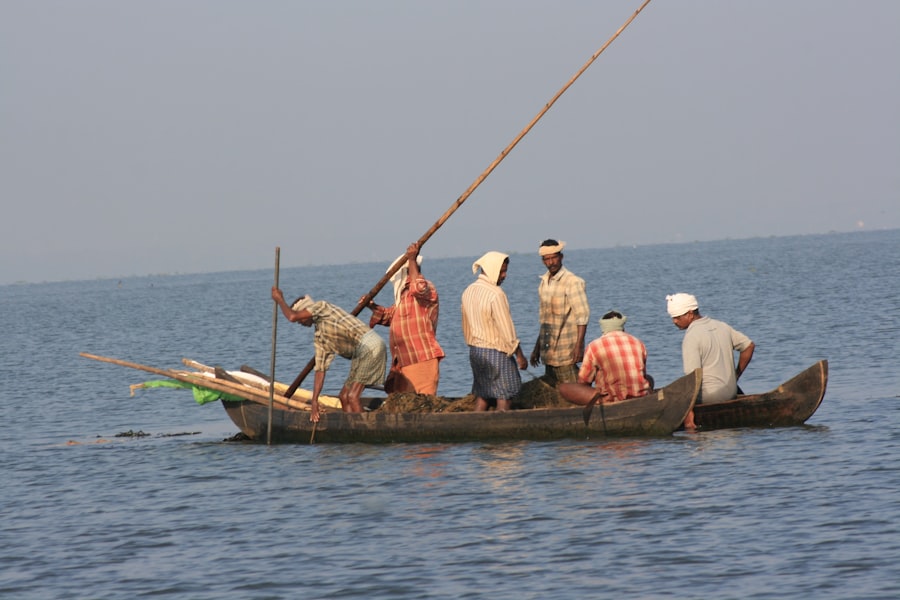
The environmental impact of fisheries on coastal ecosystems is a critical consideration in discussions about sustainability. Fishing activities can lead to habitat destruction, particularly when bottom trawling or other destructive methods are employed. These practices not only deplete fish stocks but also damage sensitive marine environments such as coral reefs and seagrass beds that serve as vital nurseries for many species.
The loss of these habitats can have cascading effects on marine biodiversity and ecosystem health. Furthermore, bycatch—the unintentional capture of non-target species—poses a significant threat to marine life. Many fishing methods result in high levels of bycatch, leading to declines in populations of vulnerable species such as sea turtles and dolphins.
The indiscriminate nature of certain fishing practices raises ethical concerns about the stewardship of marine resources.
Sustainable Practices in Fisheries to Support Dependent Communities
Sustainable practices in fisheries are essential for supporting dependent communities while ensuring the long-term health of marine ecosystems. Implementing catch limits based on scientific assessments helps maintain fish populations at sustainable levels while allowing fishermen to continue their livelihoods. Community-based management approaches empower local stakeholders to take an active role in decision-making processes regarding resource use, fostering a sense of ownership and responsibility toward marine resources.
Additionally, promoting aquaculture as a complementary source of seafood can alleviate pressure on wild fish stocks while providing economic opportunities for coastal communities. Sustainable aquaculture practices focus on minimizing environmental impacts through responsible feed sourcing and habitat management. By diversifying income sources through aquaculture or eco-tourism initiatives, communities can enhance their resilience against market fluctuations and environmental changes.
Technological Advancements in the Fishing Industry
Technological advancements have revolutionized the fishing industry, offering new tools and methods that enhance efficiency while promoting sustainability. Innovations such as GPS tracking systems enable fishermen to locate fish more effectively while minimizing fuel consumption and time spent at sea. Additionally, advancements in gear design have led to more selective fishing methods that reduce bycatch and minimize habitat damage.
Moreover, technology plays a crucial role in monitoring fish populations and assessing ecosystem health. Remote sensing technologies allow scientists to gather data on ocean conditions and fish distributions, informing management decisions aimed at sustaining fish stocks. The integration of technology into fisheries management not only improves operational efficiency but also supports efforts toward responsible resource stewardship.
Social and Cultural Importance of Fisheries in Coastal Communities
Beyond their economic significance, fisheries hold profound social and cultural importance within coastal communities. Fishing traditions often shape community identities, with rituals and festivals celebrating the sea’s bounty serving as focal points for social cohesion. These cultural practices foster a sense of belonging among residents while passing down knowledge from one generation to the next.
The social fabric woven around fisheries extends to community networks that provide support during challenging times. Fishermen often rely on one another for assistance during adverse weather conditions or market downturns, reinforcing communal ties that are essential for resilience. Recognizing the cultural dimensions of fisheries is crucial for developing policies that respect local traditions while promoting sustainable practices.
Global Market Trends and the Impact on Coastal Economies
Global market trends significantly influence coastal economies reliant on fisheries. The increasing demand for seafood driven by population growth and changing dietary preferences has led to heightened competition among fishing nations. This demand often results in overexploitation of certain species as countries strive to meet market needs without adequate consideration for sustainability.
Additionally, fluctuations in global seafood prices can have profound effects on local economies. Coastal communities may experience economic instability when prices drop or when access to markets becomes restricted due to trade policies or international agreements. Understanding these global dynamics is essential for developing strategies that enhance resilience within coastal economies while promoting sustainable fishing practices.
Future Outlook for Fisheries and Dependent Communities
The future outlook for fisheries and dependent communities hinges on the ability to balance economic needs with environmental sustainability. As awareness grows regarding the importance of responsible resource management, there is potential for positive change within the industry. Collaborative efforts among governments, NGOs, scientists, and local communities can pave the way for innovative solutions that address both ecological concerns and economic realities.
Investing in education and training programs will be crucial for equipping fishermen with the knowledge needed to adapt to changing conditions while embracing sustainable practices. Furthermore, fostering partnerships between stakeholders can facilitate knowledge sharing and promote best practices across regions. By prioritizing sustainability within fisheries management frameworks, coastal communities can secure their livelihoods while safeguarding marine ecosystems for future generations.
In conclusion, the intricate relationship between fisheries and coastal economies underscores the need for comprehensive approaches that consider both economic viability and environmental health. As challenges persist in this sector, proactive measures will be essential for ensuring that fisheries continue to thrive as a cornerstone of coastal communities worldwide.
Coastal economy fisheries-dependent communities play a crucial role in sustaining local livelihoods and preserving marine ecosystems. For a deeper understanding of the challenges and opportunities faced by these communities, you can read the article on MyGeoQuest, which explores various aspects of coastal economies and their reliance on fisheries.