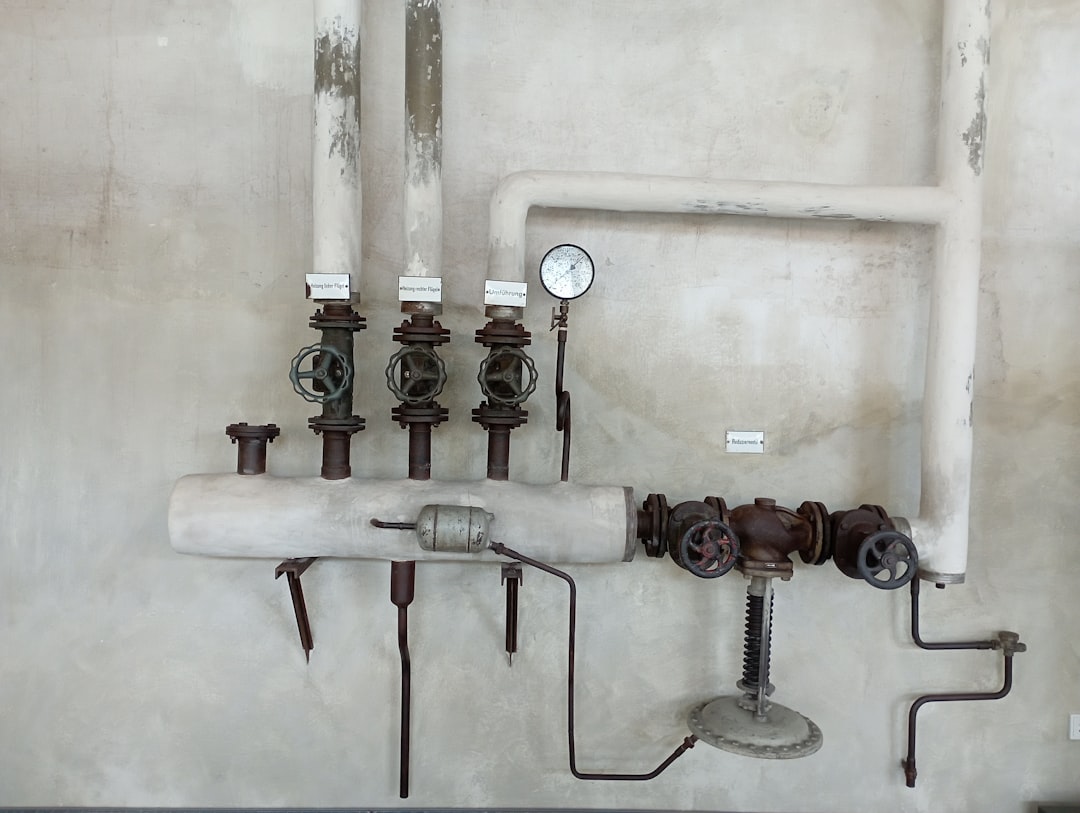
Coal seam gas (CSG) extraction is a method for obtaining natural gas from methane trapped within coal seams. The process requires removing water that saturates these coal formations, allowing the methane to flow to the surface for collection. The extracted water, known as coal seam gas water or produced water, contains various dissolved minerals and potential contaminants that require careful management to prevent environmental contamination.
CSG extraction operations can significantly impact local water systems and ecosystems. The removal of large volumes of groundwater during the extraction process alters regional hydrology, potentially affecting water table levels and flow patterns. Spring ecosystems are particularly vulnerable to these changes, as they depend on consistent groundwater discharge.
These environmental considerations must be evaluated alongside energy production benefits when assessing CSG development projects.
Key Takeaways
- Coal seam gas water extraction poses significant risks to spring ecosystems, affecting water quality and aquatic life.
- Changes in water quality from extraction activities can disrupt the delicate balance of spring habitats.
- Surrounding vegetation and wildlife are vulnerable to habitat destruction caused by extraction processes.
- Community concerns highlight the need for stringent regulatory measures and effective mitigation strategies.
- Balancing energy development with environmental protection is crucial to preserving spring ecosystems.
The Importance of Spring Ecosystems
Spring ecosystems are vital components of many landscapes, serving as critical sources of freshwater for both human and wildlife populations. These ecosystems are characterized by their unique hydrological features, where groundwater emerges at the surface, creating habitats that support diverse flora and fauna. Springs often serve as refuges for species that depend on consistent moisture levels, making them essential for maintaining biodiversity in their respective regions.
Moreover, spring ecosystems play a crucial role in regulating local climates and hydrological cycles. They contribute to groundwater recharge, help maintain water quality, and provide essential services such as flood control and erosion prevention. The delicate balance within these ecosystems is easily disrupted by external factors, including industrial activities like coal seam gas extraction.
As such, understanding the significance of spring ecosystems is paramount when evaluating the potential impacts of CSG operations.
The Impact of Coal Seam Gas Water Extraction on Spring Ecosystems
The extraction of coal seam gas water can have profound effects on spring ecosystems, primarily through alterations in hydrology and water availability. When water is extracted from coal seams, it can lead to a decrease in groundwater levels, which may subsequently affect the flow rates of nearby springs. This reduction in flow can result in diminished water availability for both aquatic and terrestrial organisms that rely on these springs for survival.
Additionally, the chemical composition of coal seam gas water can pose significant risks to spring ecosystems. Often containing high levels of salts, heavy metals, and other contaminants, this water can seep into surrounding environments, altering the natural chemistry of spring waters. Such changes can have cascading effects on the organisms that inhabit these ecosystems, leading to shifts in species composition and overall ecosystem health.
Changes in Water Quality
One of the most pressing concerns associated with coal seam gas water extraction is the potential degradation of water quality in nearby springs. The water produced during CSG extraction often contains a cocktail of pollutants, including hydrocarbons, salts, and various chemical additives used during the extraction process. When this water is improperly managed or discharged into the environment, it can contaminate local water sources, leading to significant ecological consequences.
The introduction of these contaminants can disrupt the delicate balance of spring ecosystems. For instance, elevated salinity levels can be detrimental to freshwater species that are not adapted to such conditions. Furthermore, heavy metals can accumulate in the food chain, posing risks not only to aquatic life but also to terrestrial animals and humans who rely on these water sources for drinking and irrigation.
The long-term implications of such changes in water quality can be severe, necessitating careful monitoring and management strategies.
Disruption of Aquatic Life
| Metric | Value | Unit | Notes |
|---|---|---|---|
| Average Water Extraction Rate | 500 | ML/year | Coal seam gas water extracted from the aquifer |
| Spring Flow Reduction | 30 | % | Decrease in spring flow due to water extraction |
| Groundwater Level Decline | 2.5 | meters | Average drop in groundwater level near springs |
| Spring Ecosystem Biodiversity Index | 65 | Index Score (0-100) | Lower scores indicate reduced biodiversity |
| Salinity Increase in Spring Water | 15 | mg/L | Increase in total dissolved solids due to extraction |
| Number of Springs Monitored | 12 | Count | Springs affected by coal seam gas water extraction |
| Recovery Time Post-Extraction | 5 | Years | Estimated time for spring ecosystem to recover |
The disruption of aquatic life is another critical consequence of coal seam gas water extraction. Springs often serve as breeding grounds and habitats for various aquatic species, including fish, amphibians, and invertebrates. When the hydrological regime is altered due to CSG operations, these species may face challenges in reproduction and survival.
Reduced water flow can lead to higher temperatures and lower oxygen levels, creating inhospitable conditions for many aquatic organisms. Moreover, the introduction of contaminated water can lead to direct toxicity for sensitive species. For example, certain fish species may be particularly vulnerable to changes in their environment caused by pollutants from CSG extraction.
As these species decline or disappear from their native habitats, the entire aquatic ecosystem can suffer from reduced biodiversity and resilience. The loss of key species can have ripple effects throughout the food web, ultimately impacting larger predators and altering ecosystem dynamics.
Effects on Surrounding Vegetation
The impacts of coal seam gas water extraction extend beyond aquatic life; they also significantly affect surrounding vegetation. Springs often support unique plant communities that thrive in moist conditions. When water levels decline due to CSG operations, these plants may struggle to survive, leading to shifts in plant composition and loss of biodiversity.
Some species may be particularly sensitive to changes in moisture availability and could face local extinction if conditions become unsuitable. Additionally, the introduction of contaminated water can have detrimental effects on plant health. High salinity levels or toxic substances can inhibit plant growth and reduce overall vigor.
This decline in vegetation not only affects the plants themselves but also has broader implications for wildlife that depend on these plants for food and habitat. The interconnectedness of spring ecosystems means that changes in vegetation can lead to cascading effects throughout the entire ecosystem.
Impacts on Wildlife
Wildlife populations are intricately linked to the health of spring ecosystems. Many animals rely on springs for drinking water, food sources, and breeding grounds. The impacts of coal seam gas water extraction can disrupt these vital resources, leading to declines in wildlife populations.
As water availability decreases or becomes contaminated, animals may be forced to migrate to find suitable habitats or face increased competition for dwindling resources. Furthermore, changes in vegetation due to altered hydrology can affect the availability of food and shelter for various wildlife species. For instance, herbivores may find it challenging to locate adequate forage if their preferred plants decline or disappear altogether.
Predators that rely on these herbivores may also experience population declines as their food sources diminish. The interconnected nature of these relationships underscores the importance of protecting spring ecosystems from the impacts of CSG extraction.
Potential for Habitat Destruction
The potential for habitat destruction associated with coal seam gas water extraction cannot be overlooked. The infrastructure required for CSG operations—such as drilling sites, pipelines, and access roads—can fragment habitats and disrupt wildlife movement patterns. This fragmentation can isolate populations and reduce genetic diversity, making species more vulnerable to extinction.
Moreover, habitat destruction can lead to increased erosion and sedimentation in nearby waterways, further degrading aquatic habitats. As natural landscapes are altered or destroyed by industrial activities, the resilience of ecosystems diminishes, making it more challenging for them to recover from disturbances. Protecting habitats from destruction is essential for maintaining biodiversity and ensuring the long-term health of spring ecosystems.
Community Concerns and Opposition
As awareness grows regarding the impacts of coal seam gas water extraction on spring ecosystems, community concerns have intensified. Local residents often express fears about potential contamination of drinking water supplies and the long-term health implications associated with exposure to pollutants. Additionally, many communities value their natural landscapes and are deeply concerned about the loss of biodiversity and habitat integrity.
Opposition to CSG operations has led to grassroots movements advocating for stronger regulations and protections for vulnerable ecosystems. Community members have organized protests, engaged in public forums, and lobbied policymakers to prioritize environmental considerations over industrial interests. This growing activism reflects a broader societal shift towards valuing ecological health alongside energy development.
Regulatory Measures and Mitigation Strategies
In response to community concerns and environmental impacts associated with coal seam gas water extraction, regulatory measures have been implemented in some regions to mitigate potential harm. These measures may include stricter guidelines for wastewater management, monitoring programs for water quality, and requirements for environmental impact assessments before new projects are approved. Mitigation strategies also focus on minimizing habitat destruction during CSG operations.
This may involve careful planning of infrastructure placement to avoid sensitive areas or implementing restoration efforts post-extraction to rehabilitate affected landscapes.
Balancing Energy Needs and Environmental Protection
The challenge of balancing energy needs with environmental protection is increasingly pressing as societies seek sustainable solutions to meet growing demands for energy resources. Coal seam gas extraction presents both opportunities for energy development and significant risks to fragile ecosystems like springs. Understanding the intricate relationships within these ecosystems is essential for making informed decisions about resource management.
As communities continue to advocate for environmental protections while recognizing the need for energy development, it becomes clear that a collaborative approach is necessary. By prioritizing sustainable practices and engaging stakeholders in meaningful dialogue, it is possible to navigate the complexities surrounding coal seam gas water extraction while safeguarding vital spring ecosystems for future generations. Ultimately, finding this balance will require commitment from industry leaders, policymakers, and communities alike to ensure that both energy needs and ecological integrity are respected.
The impact of coal seam gas water extraction on spring ecosystems is a critical issue that has garnered significant attention in recent years. For a deeper understanding of this topic, you can explore the article available at MyGeoQuest, which discusses the environmental implications and management strategies related to coal seam gas extraction and its effects on local water systems.
FAQs
What is coal seam gas water extraction?
Coal seam gas water extraction is the process of removing water from coal seams to release the gas trapped within the coal layers. This water, often called produced water or coal seam gas water, is extracted to reduce pressure and allow the gas to flow to the surface for collection.
How does coal seam gas water extraction affect spring ecosystems?
Coal seam gas water extraction can impact spring ecosystems by altering groundwater levels and flow patterns. Since springs depend on groundwater discharge, changes in water pressure or volume due to extraction may reduce spring flow, potentially affecting the plants and animals that rely on these ecosystems.
What is a spring ecosystem?
A spring ecosystem is a natural habitat centered around a spring, where groundwater emerges at the surface. These ecosystems support unique plant and animal communities adapted to the constant supply of fresh water and stable environmental conditions.
Why is the quality of coal seam gas water important for spring ecosystems?
The quality of coal seam gas water is important because if this water is discharged into the environment, contaminants such as salts, heavy metals, or chemicals used in extraction processes can harm the delicate balance of spring ecosystems, affecting biodiversity and water quality.
Are there regulations to protect spring ecosystems from coal seam gas water extraction impacts?
Yes, many regions have environmental regulations and monitoring programs designed to minimize the impact of coal seam gas water extraction on groundwater and spring ecosystems. These include limits on water extraction volumes, water quality standards, and requirements for environmental impact assessments.
Can coal seam gas water be treated before release to protect spring ecosystems?
Yes, coal seam gas water can be treated to remove harmful substances before being released or reused. Treatment methods may include filtration, chemical treatment, or biological processes to ensure the water meets environmental safety standards and reduces risks to spring ecosystems.
What measures can be taken to monitor the health of spring ecosystems near coal seam gas operations?
Monitoring measures include regular assessment of groundwater levels, water quality testing, biological surveys of flora and fauna, and remote sensing. These help detect changes early and guide management actions to protect spring ecosystems from adverse effects of coal seam gas water extraction.