
In recent years, the phenomenon of climate-driven fish migration shifts has garnered increasing attention from scientists, conservationists, and policymakers alike. As global temperatures rise and weather patterns become more erratic, aquatic ecosystems are undergoing significant transformations. Fish species, which have long been integral to both ecological balance and human livelihoods, are now facing unprecedented challenges.
These shifts in migration patterns are not merely a consequence of changing temperatures; they reflect a complex interplay of environmental factors that threaten the delicate balance of marine and freshwater ecosystems. The implications of these migration shifts extend far beyond the aquatic realm. They affect food security, local economies, and the cultural practices of communities that rely on fishing as a primary source of sustenance and income.
Understanding the dynamics of climate-driven fish migration is crucial for developing effective conservation strategies and ensuring the sustainability of fish populations. As researchers delve deeper into this pressing issue, it becomes increasingly clear that addressing the challenges posed by climate change is essential for the health of our planet’s aquatic environments.
Key Takeaways
- Climate change is causing significant shifts in fish migration patterns worldwide.
- Temperature and water quality are key factors influencing fish movement and behavior.
- Migratory fish play a crucial role in maintaining healthy aquatic ecosystems.
- Human activities exacerbate challenges faced by migratory fish adapting to climate change.
- Effective management strategies are essential to protect fish species and support economic and social well-being.
The Impact of Climate Change on Fish Migration Patterns
Climate change has a profound impact on fish migration patterns, altering the routes and timing of their movements. As water temperatures rise, many fish species are compelled to seek cooler habitats, often moving toward the poles or to deeper waters. This shift can disrupt traditional migration routes that have been established over centuries, leading to mismatches between fish populations and their spawning grounds.
For instance, species such as cod and haddock have been observed migrating northward in search of suitable temperatures, which can have cascading effects on the entire marine food web. Moreover, changes in precipitation patterns can affect freshwater fish migrations. Increased rainfall can lead to higher river flows, while droughts can reduce water levels, both of which can impede or alter migratory pathways.
The timing of these migrations is also affected; for example, earlier spring thaws may prompt fish to spawn sooner than usual, potentially leading to a mismatch with the availability of food resources for their young. Such disruptions not only threaten individual species but also jeopardize the overall health of aquatic ecosystems.
Understanding the Mechanisms Behind Fish Migration Shifts
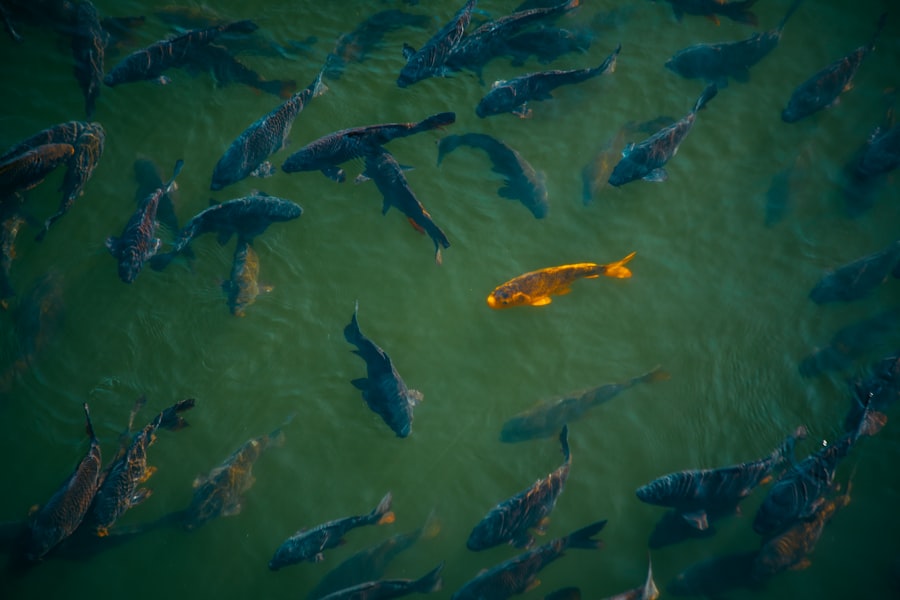
To comprehend the shifts in fish migration patterns, it is essential to explore the underlying mechanisms driving these changes. Temperature is a primary factor influencing fish behavior and distribution. Many species are ectothermic, meaning their body temperature is regulated by their environment.
As water temperatures rise, metabolic rates increase, prompting fish to seek out cooler waters to maintain optimal physiological functioning. This search for suitable habitats can lead to significant changes in population distributions. In addition to temperature, other environmental factors play a crucial role in shaping fish migration patterns.
Ocean currents, salinity levels, and the availability of prey all influence where fish choose to migrate.
Furthermore, habitat degradation caused by pollution and overfishing can exacerbate the challenges faced by migratory fish species, making it imperative to consider these factors when studying migration shifts.
Case Studies of Fish Species Adapting to Climate Change
Several case studies illustrate how specific fish species are adapting to the challenges posed by climate change. The Atlantic mackerel serves as a prime example; as ocean temperatures rise, this species has shifted its range northward into cooler waters off the coasts of Norway and Iceland. This migration has not only altered local fishing practices but has also raised concerns about the sustainability of mackerel populations in their new habitats.
Another notable case is that of salmon species in North America. Many salmon populations are experiencing changes in their migratory patterns due to warming rivers and altered precipitation patterns. Some populations have begun migrating earlier in the year to coincide with changing water temperatures and food availability.
However, these adaptations are not without risks; earlier migrations may expose salmon to increased predation or competition for resources, highlighting the delicate balance that must be maintained for their survival.
The Role of Temperature and Water Quality in Fish Migration
| Species | Region | Observed Shift (km/year) | Shift Direction | Primary Climate Driver | Impact on Migration Timing | Reference Year |
|---|---|---|---|---|---|---|
| Atlantic Cod (Gadus morhua) | North Atlantic | 20 | Northward | Sea Temperature Increase | Earlier Spring Migration | 2020 |
| Pacific Salmon (Oncorhynchus spp.) | North Pacific | 15 | Northward | Ocean Warming | Delayed Migration | 2019 |
| European Eel (Anguilla anguilla) | Europe | 5 | Westward | Changes in Ocean Currents | Altered Migration Routes | 2021 |
| Atlantic Mackerel (Scomber scombrus) | Northwest Atlantic | 25 | Northward | Sea Surface Temperature Rise | Earlier Spawning Migration | 2022 |
| Chinook Salmon (Oncorhynchus tshawytscha) | Pacific Northwest | 18 | Northward | River Temperature Increase | Earlier Migration Start | 2023 |
Temperature and water quality are critical factors influencing fish migration patterns. As temperatures rise, many fish species experience stress that can affect their growth, reproduction, and overall health. Warmer waters can lead to decreased oxygen levels, which can be detrimental to fish populations that require specific oxygen concentrations for survival.
Consequently, fish may be forced to migrate to areas with better water quality or cooler temperatures. Water quality is also influenced by human activities such as agriculture, urban development, and industrial pollution. Runoff from these activities can introduce harmful substances into aquatic environments, further complicating the challenges faced by migratory fish species.
Poor water quality can lead to habitat degradation and reduced reproductive success, making it essential for conservation efforts to address both temperature and water quality issues in order to support healthy fish populations.
The Importance of Fish Migration for Ecosystem Health

Fish migration plays a vital role in maintaining ecosystem health and biodiversity. Migratory fish species often serve as key indicators of environmental change; their movements can reflect shifts in ecosystem dynamics caused by climate change or human activities. Healthy migratory populations contribute to nutrient cycling within aquatic ecosystems, supporting a diverse array of organisms from plankton to larger predators.
Moreover, migratory fish are integral to the livelihoods of many communities around the world. They provide food security and economic opportunities for millions of people who depend on fishing for their sustenance and income. The loss or decline of migratory fish populations can have far-reaching consequences not only for ecosystems but also for human societies that rely on these resources for survival.
Human Impacts on Fish Migration Shifts
Human activities have significantly influenced fish migration patterns, often exacerbating the challenges posed by climate change.
Additionally, habitat destruction caused by urbanization, dam construction, and pollution further complicates the ability of fish to migrate freely.
Climate change itself is largely driven by human actions, including greenhouse gas emissions from industrial activities and deforestation. As global temperatures continue to rise due to these activities, the resulting shifts in fish migration patterns will likely intensify. It is crucial for policymakers and conservationists to recognize the interconnectedness of human actions and environmental health in order to develop effective strategies for mitigating these impacts.
Strategies for Managing and Protecting Migratory Fish Species
To address the challenges posed by climate-driven fish migration shifts, a multifaceted approach is necessary. Effective management strategies must prioritize habitat protection and restoration efforts to ensure that migratory pathways remain accessible for fish populations. This may involve implementing policies that regulate fishing practices, reduce pollution, and restore degraded habitats.
Additionally, fostering collaboration among stakeholders—including government agencies, conservation organizations, and local communities—is essential for developing comprehensive management plans. Engaging local communities in conservation efforts can enhance awareness and promote sustainable fishing practices that benefit both people and ecosystems. By taking a proactive approach to managing migratory fish species, it is possible to mitigate some of the impacts of climate change on these vital populations.
The Economic and Social Implications of Fish Migration Shifts
The economic implications of climate-driven fish migration shifts are profound. As fish populations move in response to changing environmental conditions, local fisheries may experience fluctuations in catch rates and species availability. This can lead to economic instability for communities that rely heavily on fishing as a source of income.
Fishermen may find themselves having to travel farther or invest more resources into catching different species as traditional targets become less accessible. Socially, these shifts can disrupt cultural practices tied to fishing traditions. Many communities have deep-rooted connections to specific fish species that have been part of their heritage for generations.
As these species migrate or decline in number due to climate change, communities may face challenges in maintaining their cultural identity and practices associated with fishing. Addressing these economic and social implications requires a holistic approach that considers both ecological sustainability and community resilience.
The Future of Fish Migration in a Changing Climate
Looking ahead, the future of fish migration in a changing climate remains uncertain but critical for both ecosystems and human societies. As climate change continues to reshape aquatic environments, it is likely that many fish species will adapt through altered migration patterns or even changes in reproductive strategies. However, not all species will be able to adapt quickly enough to keep pace with the rapid changes occurring in their habitats.
Conservation efforts must evolve alongside these changes to ensure that migratory fish populations remain viable. This includes ongoing research into the effects of climate change on specific species and ecosystems as well as proactive measures aimed at reducing human impacts on aquatic environments. By prioritizing sustainable practices and fostering resilience within both ecosystems and communities, it may be possible to safeguard the future of migratory fish species amid an ever-changing climate.
Addressing the Challenges of Climate-Driven Fish Migration Shifts
In conclusion, climate-driven fish migration shifts present significant challenges that require urgent attention from scientists, policymakers, and communities alike. The intricate relationships between temperature changes, water quality issues, human impacts, and ecological health underscore the complexity of this issue. As migratory fish species adapt to new conditions or face decline due to environmental stressors, it is imperative that concerted efforts are made to protect these vital populations.
Addressing these challenges will necessitate a collaborative approach that integrates scientific research with community engagement and sustainable management practices. By recognizing the importance of migratory fish not only for ecosystem health but also for human livelihoods and cultural heritage, society can work towards solutions that benefit both nature and people alike. The future of our aquatic ecosystems depends on our ability to respond effectively to the pressing issue of climate-driven fish migration shifts.
Fish migration patterns are increasingly influenced by climate-driven shifts, as highlighted in a recent article. These changes can have significant impacts on aquatic ecosystems and fisheries. For more in-depth information on this topic, you can read the article here: Fish Migration and Climate Change. Understanding these dynamics is crucial for developing effective conservation strategies and managing fish populations in a changing environment.
WATCH THIS! The $10 Trillion Secret: What Happens If The Strait of Gibraltar Closes For Good
FAQs
What is fish migration?
Fish migration refers to the regular, often seasonal, movement of fish from one habitat to another. This movement can be for spawning, feeding, or seeking more favorable environmental conditions.
How does climate change affect fish migration?
Climate change alters water temperatures, ocean currents, and the availability of food sources, which can cause fish to shift their migration patterns. These shifts may include changes in timing, routes, and destinations.
What are climate-driven shifts in fish migration?
Climate-driven shifts refer to changes in the traditional migration behaviors of fish species caused by climate-related factors such as rising sea temperatures, ocean acidification, and altered ecosystems.
Why do fish change their migration patterns due to climate change?
Fish change migration patterns to adapt to new environmental conditions, such as seeking cooler waters, following prey that have moved, or avoiding areas with unsuitable habitat conditions caused by climate change.
What are the ecological impacts of shifts in fish migration?
Shifts in fish migration can disrupt food webs, affect predator-prey relationships, and alter the distribution of species, potentially leading to changes in biodiversity and ecosystem stability.
How do shifts in fish migration affect fisheries?
Changes in migration patterns can impact the availability and location of fish stocks, affecting commercial and recreational fisheries. This may lead to economic challenges for communities dependent on fishing.
Can fish adapt to rapid climate-driven changes in their migration?
Some fish species may adapt through behavioral changes or genetic evolution, but rapid climate change can outpace their ability to adjust, leading to population declines or shifts in species distribution.
What research methods are used to study fish migration shifts?
Scientists use tagging and tracking technologies, satellite data, ecological modeling, and long-term monitoring of fish populations and environmental conditions to study migration shifts.
Are all fish species equally affected by climate-driven migration shifts?
No, the impact varies by species depending on their habitat preferences, mobility, reproductive strategies, and tolerance to environmental changes.
What can be done to mitigate the effects of climate-driven shifts in fish migration?
Mitigation strategies include reducing greenhouse gas emissions, protecting critical habitats, implementing adaptive fisheries management, and enhancing monitoring and research efforts.