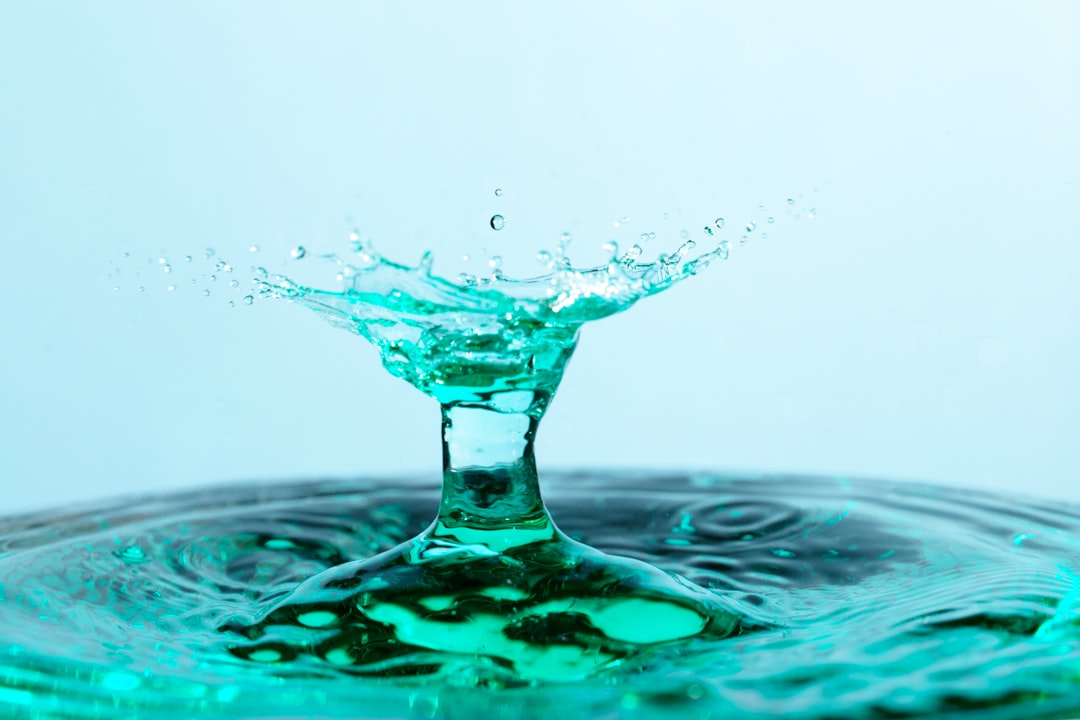
Clean water is a fundamental necessity for human health and well-being, serving as the cornerstone of life itself. It is essential not only for drinking but also for sanitation, hygiene, and food preparation. Access to clean water significantly reduces the risk of various health issues, including dehydration, malnutrition, and infectious diseases.
When individuals have reliable access to safe drinking water, they are more likely to maintain good health, which in turn enhances their quality of life. The World Health Organization (WHO) emphasizes that clean water is vital for preventing diseases and promoting overall health, making it a critical component of public health strategies worldwide. Moreover, the psychological benefits of having access to clean water cannot be overlooked.
Individuals who do not have to worry about the safety of their drinking water experience less stress and anxiety. This peace of mind contributes to better mental health and overall well-being. In communities where clean water is readily available, people can focus on education, work, and social interactions rather than spending time and energy searching for safe water sources.
Thus, the importance of clean water extends beyond mere survival; it is integral to thriving in society.
Key Takeaways
- Clean water is essential for health, nutrition, and preventing waterborne diseases.
- Access to clean water is closely linked to sanitation, gender equality, and social justice.
- Clean water supports economic development and food security worldwide.
- Environmental sustainability is crucial for maintaining clean water resources.
- Global initiatives aim to overcome challenges and secure clean water as a fundamental human right.
The Link Between Clean Water and Sanitation
The relationship between clean water and sanitation is a critical one, as both elements are interdependent in promoting public health. Sanitation refers to the provision of facilities and services for the safe disposal of human waste, which is essential for preventing contamination of water sources. When sanitation systems are inadequate or non-existent, the risk of water contamination increases significantly.
This contamination can lead to a host of health problems, including cholera, dysentery, and other gastrointestinal diseases. Therefore, ensuring access to clean water must go hand in hand with improving sanitation facilities. Furthermore, effective sanitation practices enhance the benefits of clean water.
For instance, when communities have access to proper toilets and waste management systems, the likelihood of waterborne diseases decreases dramatically. This synergy between clean water and sanitation creates a healthier environment for individuals and families. Governments and organizations must prioritize investments in both areas to create sustainable solutions that protect public health and promote well-being.
Clean Water as a Key Factor in Preventing Waterborne Diseases

Waterborne diseases pose a significant threat to global health, particularly in developing regions where access to clean water is limited. These diseases are primarily caused by pathogens found in contaminated water sources, leading to millions of deaths each year. Clean water plays a crucial role in preventing these illnesses by providing a safe source for drinking and hygiene practices.
When communities have access to uncontaminated water, the incidence of diseases such as cholera, typhoid fever, and hepatitis A can be drastically reduced. In addition to direct health benefits, access to clean water also alleviates the burden on healthcare systems. When fewer individuals suffer from waterborne diseases, healthcare resources can be redirected toward other pressing health issues.
This not only improves overall community health but also enhances economic productivity as healthier populations are more capable of contributing to their communities. Therefore, investing in clean water infrastructure is not just a health imperative; it is also an economic strategy that can yield long-term benefits.
The Role of Clean Water in Nutrition and Food Security
| Metric | Description | Impact on Nutrition and Food Security | Example Data |
|---|---|---|---|
| Access to Clean Water (%) | Percentage of population with reliable access to safe drinking water | Improves food preparation hygiene and reduces waterborne diseases, enhancing nutrient absorption | 70% globally (WHO, 2023) |
| Incidence of Waterborne Diseases | Number of cases per 1000 people annually | High incidence leads to malnutrition due to diarrhea and nutrient loss | 150 cases/1000 in low-income regions |
| Irrigated Agricultural Land (%) | Proportion of farmland using clean water for irrigation | Increases crop yields and food availability, supporting food security | 20% globally |
| Child Stunting Rate (%) | Percentage of children under 5 with low height-for-age | Linked to poor water quality and sanitation affecting nutrient uptake | 22% globally (UNICEF, 2023) |
| Household Food Insecurity Prevalence (%) | Percentage of households experiencing food insecurity | Reduced by improved water access through better food production and health | 25% in sub-Saharan Africa |
Clean water is intricately linked to nutrition and food security, as it is essential for agricultural production and food preparation. Access to safe water allows farmers to irrigate their crops effectively, ensuring higher yields and better quality produce. In regions where agriculture is the backbone of the economy, the availability of clean water can directly impact food security and nutritional outcomes for entire communities.
Without sufficient clean water, crop production suffers, leading to food shortages and increased malnutrition rates. Moreover, clean water is vital for food safety. Proper washing of fruits and vegetables with safe water helps eliminate harmful pathogens that can cause foodborne illnesses.
In households where clean water is scarce or contaminated, the risk of consuming unsafe food increases significantly. This connection between clean water and nutrition underscores the need for comprehensive strategies that address both agricultural practices and access to safe drinking water. By ensuring that communities have reliable access to clean water, they can improve their nutritional status and overall health.
Clean Water and Its Impact on Economic Development
The availability of clean water has far-reaching implications for economic development. Access to safe drinking water enhances productivity by reducing the time spent collecting water from distant or unsafe sources. This time savings allows individuals—particularly women and children—to engage in educational or economic activities that contribute to their families’ livelihoods.
In many developing countries, women are primarily responsible for fetching water; thus, improving access to clean water can empower them economically and socially. Additionally, businesses thrive in environments where clean water is accessible. Industries such as agriculture, manufacturing, and tourism rely heavily on adequate water supply for their operations.
When communities invest in clean water infrastructure, they create a more attractive environment for businesses to flourish. This economic growth can lead to job creation and improved living standards for residents. Therefore, prioritizing clean water initiatives is not only a matter of public health but also a strategic investment in economic prosperity.
Clean Water as a Human Right: Upholding Human Dignity

The recognition of clean water as a fundamental human right underscores its importance in upholding human dignity. The United Nations General Assembly explicitly declared access to safe drinking water and sanitation as a human right in 2010, emphasizing that every individual deserves access to these essential resources without discrimination.
Ensuring access to clean water aligns with broader human rights principles by promoting equality and justice. When marginalized communities lack access to safe drinking water, their dignity is compromised, perpetuating cycles of poverty and inequality. Upholding the right to clean water requires governments and organizations to take proactive measures to ensure that all individuals have equitable access to this vital resource.
By doing so, societies can foster an environment where everyone can thrive with dignity.
The Social Justice Implications of Access to Clean Water
Access to clean water is deeply intertwined with social justice issues, as disparities in availability often reflect broader systemic inequalities. In many parts of the world, marginalized communities—such as low-income populations or ethnic minorities—face significant barriers in accessing safe drinking water. These inequities not only affect health outcomes but also perpetuate cycles of poverty and disenfranchisement.
Policymakers must recognize that ensuring clean water access is not just a technical challenge but also a moral imperative. By implementing inclusive policies that address the needs of vulnerable populations, societies can work toward dismantling systemic barriers that prevent equitable access to clean water.
This approach fosters social cohesion and empowers communities to advocate for their rights.
Clean Water and its Connection to Gender Equality
The issue of clean water access has significant implications for gender equality, particularly in developing countries where women are often responsible for collecting water for their families. In many cases, women and girls spend hours each day fetching water from distant sources, which limits their opportunities for education and economic participation. This burden reinforces traditional gender roles and perpetuates gender inequality.
By improving access to clean water, societies can empower women and girls by freeing up their time for education or income-generating activities. When women have more opportunities to engage in economic activities or pursue education, they can contribute more significantly to their families’ well-being and community development. Furthermore, involving women in decision-making processes related to water management can lead to more sustainable solutions that reflect their unique needs and perspectives.
The Environmental Impact of Access to Clean Water
Access to clean water has profound environmental implications that extend beyond human health. Sustainable management of freshwater resources is essential for maintaining ecosystems and biodiversity. When communities have reliable access to clean water, they are more likely to engage in responsible agricultural practices that protect natural resources rather than resorting to unsustainable methods that deplete them.
Moreover, protecting watersheds and natural habitats ensures that ecosystems remain healthy and resilient. Clean water initiatives often involve conservation efforts that safeguard these vital resources from pollution and over-extraction. By prioritizing clean water access alongside environmental stewardship, societies can create a harmonious balance between human needs and ecological sustainability.
Challenges and Barriers to Ensuring Access to Clean Water
Despite the recognized importance of clean water access, numerous challenges persist in ensuring its availability worldwide. Infrastructure deficits remain a significant barrier in many regions, particularly in rural areas where investment in plumbing systems may be lacking. Additionally, political instability or corruption can hinder efforts to develop sustainable solutions for clean water access.
Furthermore, climate change poses an increasing threat to freshwater resources through altered precipitation patterns and increased frequency of droughts or floods. These environmental changes can exacerbate existing inequalities in access to clean water, disproportionately affecting vulnerable populations who may already struggle with resource scarcity. Addressing these challenges requires coordinated efforts from governments, NGOs, and local communities to develop innovative solutions that ensure equitable access to clean water for all.
The Global Efforts and Initiatives to Secure Clean Water as a Fundamental Human Right
In response to the pressing need for clean water access worldwide, various global initiatives have emerged aimed at securing this fundamental human right for all individuals. Organizations such as UNICEF and WHO work tirelessly on programs designed to improve access to safe drinking water through infrastructure development, education campaigns, and community engagement efforts. Additionally, international agreements like the Sustainable Development Goals (SDGs) emphasize the importance of ensuring universal access to safe drinking water by 2030.
These global commitments reflect a collective recognition of the critical role that clean water plays in achieving broader development objectives related to health, education, gender equality, and environmental sustainability. Through collaborative efforts at local, national, and international levels, stakeholders are working towards innovative solutions that prioritize equitable access to clean water as a fundamental human right—one that upholds human dignity while fostering healthier communities worldwide.
Access to clean water is increasingly recognized as a fundamental human right, essential for health, dignity, and well-being. The importance of this issue is highlighted in the article found at this link, which discusses the implications of water scarcity and the need for sustainable management of water resources. Ensuring that everyone has access to safe drinking water is not only a matter of public health but also a critical factor in promoting social equity and environmental sustainability.
WATCH THIS! The $100 Billion Lie: America’s Water System Is About to Poison Every Major City
FAQs
What does it mean to say clean water is a human right?
Clean water as a human right means that every person is entitled to access sufficient, safe, acceptable, physically accessible, and affordable water for personal and domestic use. This right is recognized under international human rights law, emphasizing that access to clean water is essential for living a life with dignity.
Which international agreements recognize clean water as a human right?
The right to clean water is recognized in several international agreements, including the United Nations General Assembly Resolution 64/292 (2010), which explicitly acknowledges the human right to water and sanitation. It is also linked to the right to an adequate standard of living under the International Covenant on Economic, Social and Cultural Rights (ICESCR).
Why is clean water considered essential for human health?
Clean water is essential for human health because it prevents waterborne diseases, supports hygiene and sanitation, and is necessary for drinking, cooking, and cleaning. Lack of access to clean water can lead to illnesses such as cholera, dysentery, and typhoid, which can be fatal, especially in vulnerable populations.
How does access to clean water impact human dignity?
Access to clean water impacts human dignity by enabling individuals to maintain personal hygiene, prepare food safely, and live in a healthy environment. Without clean water, people may face social exclusion, stigma, and reduced opportunities for education and employment, undermining their dignity and quality of life.
What are the challenges in ensuring clean water as a human right globally?
Challenges include water scarcity, pollution, inadequate infrastructure, poverty, and political conflicts. Many regions face difficulties in providing reliable and safe water supplies due to environmental factors, lack of investment, and governance issues, which hinder the realization of this human right.
How can governments and organizations help guarantee the right to clean water?
Governments and organizations can help by investing in water infrastructure, enforcing regulations to protect water sources, promoting sustainable water management, and ensuring equitable access for all communities. International cooperation and funding are also crucial to support water projects in underserved areas.
Is clean water access linked to other human rights?
Yes, access to clean water is closely linked to other human rights such as the right to health, adequate housing, food, education, and life. Without clean water, these rights cannot be fully realized, highlighting the interconnected nature of human rights.