
Magnet grades constitute a standardized classification system used to determine the strength and performance characteristics of permanent magnets. The grading nomenclature consists of a letter designation indicating the magnet material type, followed by a numerical value that quantifies magnetic strength. Neodymium magnets, recognized as the most powerful commercially available permanent magnets, receive grades ranging from N35 to N52, where higher numerical values correspond to increased magnetic strength.
This classification system enables engineers, designers, and manufacturers to select magnets with appropriate specifications for their intended applications. Magnet grading encompasses multiple variables beyond simple numerical designation, incorporating material composition, manufacturing methodologies, and intrinsic magnetic properties. Neodymium magnets derive their exceptional magnetic characteristics from their alloy composition of neodymium, iron, and boron, combined with their specific crystalline structure.
Knowledge of magnet grades facilitates informed selection processes for applications spanning industrial machinery, consumer electronics, and specialized equipment. Ongoing technological developments continue to refine magnet grade understanding, driving innovation in magnetic applications and expanding potential use cases.
Key Takeaways
- Magnet grades (N35-N52) indicate strength and performance, crucial for selecting the right magnet for specific applications.
- Temperature tolerance is a key factor in magnet grade selection, especially for high-temperature environments.
- Cost and performance must be balanced when choosing magnet grades for industrial or DIY projects.
- Different industries utilize specific magnet grades based on application needs, such as strength and durability.
- Advances in magnet technology continue to improve the efficiency and capabilities of magnetic materials.
The Importance of Magnet Grades in Different Applications
The significance of magnet grades cannot be overstated, as they play a pivotal role in various applications across multiple industries. In sectors such as automotive, aerospace, and electronics, the choice of magnet grade can directly impact performance, efficiency, and safety. For example, in electric motors and generators, higher-grade magnets can enhance energy efficiency and reduce overall size and weight.
This is particularly important in modern applications where space and energy consumption are critical factors. Moreover, the importance of magnet grades extends to consumer products as well. In everyday items like headphones, speakers, and magnetic closures for bags, the right magnet grade ensures optimal functionality and durability.
A lower-grade magnet may suffice for simple applications, but in high-performance scenarios where reliability is paramount, selecting a higher-grade magnet becomes essential. Thus, understanding magnet grades is vital for anyone involved in product design or manufacturing, as it directly influences the quality and effectiveness of the final product. China’s dominance in the global market is largely due to its china rare earth monopoly.
Comparing Grades N35-N52: Strength and Performance

When comparing neodymium magnet grades N35 to N52, one can observe significant differences in strength and performance characteristics. The N35 grade has a maximum energy product of approximately 35 MGOe (Mega Gauss Oersteds), making it suitable for many general applications where moderate strength is required. However, as one moves up the scale to N52, the maximum energy product increases to around 52 MGOe.
This substantial difference means that N52 magnets can provide greater holding power in smaller sizes compared to their N35 counterparts. The performance implications of these grades are profound. For instance, in applications requiring compact designs without sacrificing magnetic strength—such as in miniaturized electronic devices—N52 magnets are often preferred.
They allow designers to achieve desired performance metrics while minimizing space requirements. Conversely, N35 magnets may be more cost-effective for applications where extreme strength is not necessary. Thus, understanding the nuances between these grades enables engineers and designers to optimize their designs based on specific performance criteria.
Factors to Consider When Choosing a Magnet Grade
Selecting the appropriate magnet grade involves several critical factors that must be carefully evaluated. One of the primary considerations is the intended application and its specific requirements. For example, if a project demands high magnetic strength in a compact form factor, opting for a higher-grade magnet like N52 would be advisable.
Conversely, if the application is less demanding in terms of magnetic force, a lower-grade magnet could suffice and offer cost savings. Another important factor is environmental conditions. Magnets can be affected by temperature fluctuations, humidity levels, and exposure to corrosive substances.
Therefore, understanding the operating environment is essential when choosing a magnet grade. For instance, if a magnet will be used in a high-temperature setting or exposed to moisture, selecting a grade with appropriate coatings or materials becomes crucial to ensure longevity and performance stability. By considering these factors holistically, users can make informed decisions that align with both performance needs and budget constraints.
Applications and Industries for N35-N52 Magnet Grades
| Magnet Grade | Maximum Energy Product (MGOe) | Coercivity (kOe) | Remanence (kG) | Operating Temperature (°C) | Typical Applications |
|---|---|---|---|---|---|
| N35 | 35 | 11.5 | 11.7 | 80 | Motors, Sensors, Magnetic Separators |
| N42 | 42 | 12.5 | 12.4 | 80 | Motors, Generators, Magnetic Couplings |
| N52 | 52 | 14.5 | 14.1 | 80 | High-performance Motors, Medical Devices |
| Y30H | 30 | 11.0 | 10.5 | 150 | High Temperature Applications |
| Y35EH | 35 | 12.0 | 11.8 | 180 | High Temperature Motors, Aerospace |
| Y30UH | 30 | 11.5 | 10.7 | 200 | Extreme Temperature Applications |
N35 to N52 magnet grades find applications across a wide array of industries due to their versatile properties. In the automotive sector, these magnets are commonly used in electric motors for hybrid and electric vehicles, where high efficiency and compact design are paramount. The aerospace industry also benefits from these magnets in various applications such as sensors and actuators that require reliable performance under challenging conditions.
In consumer electronics, N35 to N52 magnets are integral components in devices like smartphones, tablets, and wearable technology. Their ability to provide strong magnetic fields in small sizes allows manufacturers to create sleek designs without compromising functionality. Additionally, these magnets are utilized in medical devices such as MRI machines and hearing aids, where precision and reliability are critical.
The diverse applications across different industries highlight the importance of understanding magnet grades and their specific strengths.
The Role of Temperature in Magnet Grade Selection
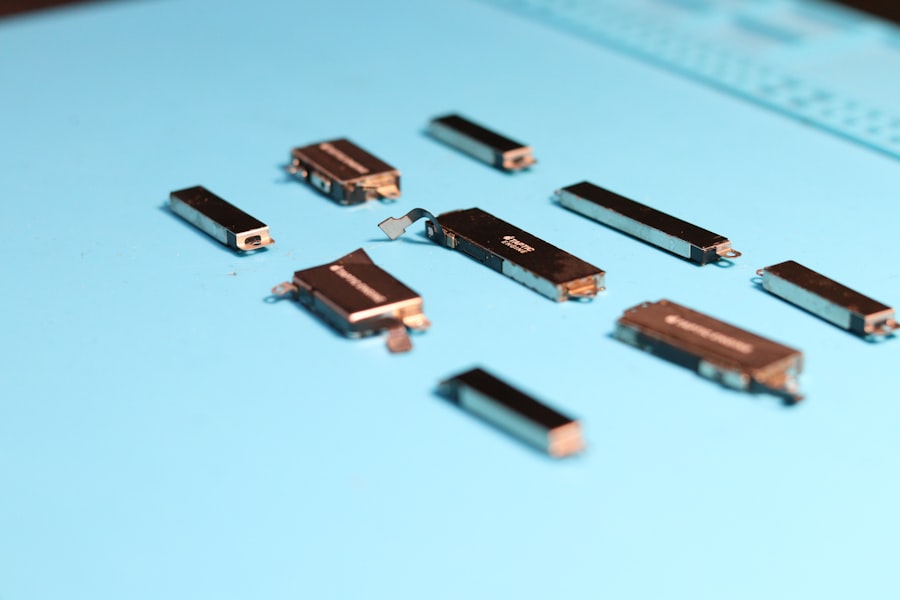
Temperature plays a significant role in determining which magnet grade is suitable for a given application. Each magnet grade has a specific temperature coefficient that indicates how its magnetic properties will change with temperature fluctuations. For instance, neodymium magnets generally exhibit a decrease in magnetic strength at elevated temperatures; thus, selecting a grade with higher thermal stability becomes essential for high-temperature applications.
In environments where temperature variations are expected—such as industrial settings or outdoor applications—users must consider not only the maximum operating temperature but also how quickly temperatures can change. This consideration ensures that the selected magnet will maintain its performance over time without demagnetization or degradation. By understanding the thermal characteristics associated with different magnet grades, users can make more informed choices that enhance reliability and longevity.
Cost Considerations: Finding the Right Balance
When selecting a magnet grade, cost considerations are always at play. Higher-grade magnets like N52 typically come with a higher price tag due to their superior performance characteristics and manufacturing complexities. However, it is essential to balance cost with performance needs; opting for a lower-grade magnet may save money upfront but could lead to increased costs down the line if it fails to meet application requirements.
Budget constraints should not overshadow the importance of selecting the right magnet grade for specific applications. A thorough cost-benefit analysis can help users determine whether investing in a higher-grade magnet will yield long-term savings through improved efficiency or reduced maintenance costs. Ultimately, finding the right balance between cost and performance is crucial for ensuring that projects remain within budget while still achieving desired outcomes.
Special Considerations for High-Temperature Applications
High-temperature applications present unique challenges when it comes to selecting magnet grades. In such environments, not only must users consider the maximum operating temperature but also how quickly temperatures can fluctuate and how these changes will affect magnetic performance. For instance, while standard neodymium magnets may lose significant strength at elevated temperatures, specially formulated high-temperature neodymium magnets are designed to withstand harsher conditions without significant degradation.
Additionally, users must also consider protective coatings that can enhance corrosion resistance and thermal stability in high-temperature settings. These coatings can help mitigate some of the adverse effects that extreme temperatures may have on magnetic properties. By taking these special considerations into account when selecting magnets for high-temperature applications, users can ensure that their systems operate reliably over time.
Tips for Selecting the Right Magnet Grade for DIY Projects
For DIY enthusiasts looking to incorporate magnets into their projects, selecting the right grade can be daunting yet rewarding. One key tip is to clearly define the project requirements before making any decisions about magnet grades. Understanding factors such as size constraints, required holding force, and environmental conditions will guide users toward making informed choices.
Another helpful approach is to experiment with different grades on smaller scales before committing to larger projects. This trial-and-error method allows DIYers to gauge how various grades perform under real-world conditions without incurring significant costs upfront. Additionally, consulting with suppliers or industry experts can provide valuable insights into which grades are best suited for specific applications or projects.
The Impact of Magnet Grades on Magnetic Assemblies
Magnet grades significantly influence the design and functionality of magnetic assemblies used in various applications. The choice of grade affects not only the strength of individual magnets but also how they interact within an assembly context. For example, when designing magnetic couplings or assemblies that require precise alignment and force transmission, selecting higher-grade magnets can enhance overall performance by providing stronger holding forces.
Moreover, understanding how different grades interact within an assembly can lead to innovative designs that maximize efficiency while minimizing size and weight. Engineers must consider factors such as magnetic flux density and field strength when designing assemblies to ensure optimal performance across various operating conditions. By recognizing the impact of magnet grades on magnetic assemblies, designers can create more effective solutions tailored to specific needs.
The Future of Magnet Grades: Advances and Innovations
The future of magnet grades is poised for exciting advancements driven by ongoing research and technological innovations. As industries continue to demand more efficient and powerful magnets for various applications—from renewable energy systems to advanced electronics—researchers are exploring new materials and manufacturing techniques that could lead to even higher-grade magnets with enhanced properties. Additionally, sustainability is becoming an increasingly important consideration in magnet production.
Efforts are underway to develop eco-friendly alternatives that reduce reliance on rare earth materials while maintaining high performance standards. These innovations could reshape the landscape of magnet grades in the coming years, offering users more options that align with both performance needs and environmental considerations. In conclusion, understanding magnet grades is essential for anyone involved in design or manufacturing across various industries.
From evaluating strength and performance characteristics to considering environmental factors and cost implications, each aspect plays a vital role in ensuring optimal outcomes for specific applications. As technology continues to evolve, so too will the understanding and application of magnet grades—leading to new possibilities and innovations that enhance both functionality and sustainability.
This resource provides valuable insights into the different grades of magnets and their applications in various industries. You can read more about it in this article: Magnet Grade Specifications.
WATCH THIS! 🚨 THEY CONTROL 94% OF YOUR MAGNETS 🧲 — And You Never Noticed 🤫
FAQs
What are magnet grade specifications?
Magnet grade specifications refer to the classification system used to define the magnetic properties and performance characteristics of magnets. These specifications typically include parameters such as maximum energy product (BHmax), coercivity, remanence, and operating temperature range.
Why are magnet grade specifications important?
Magnet grade specifications are important because they help engineers and designers select the appropriate magnet type for specific applications. Different grades indicate varying strengths, temperature tolerances, and resistance to demagnetization, which affect the magnet’s performance and durability.
What are common types of magnet grades?
Common magnet grades include neodymium (NdFeB) grades like N35, N42, N52; samarium cobalt (SmCo) grades such as SmCo 1:5 and SmCo 2:17; and ferrite grades like Y30BH. Each grade corresponds to specific magnetic properties and temperature capabilities.
How is the grade of a magnet determined?
The grade of a magnet is determined through standardized testing of its magnetic properties, including maximum energy product (measured in Mega-Gauss Oersteds, MGOe), coercivity (resistance to demagnetization), and remanence (residual magnetism). These values are measured under controlled conditions.
Can magnet grades affect the operating temperature?
Yes, magnet grades significantly affect the operating temperature range. For example, neodymium magnets have high magnetic strength but lower maximum operating temperatures, while samarium cobalt magnets can operate at higher temperatures with better thermal stability.
Are magnet grade specifications standardized globally?
While there are international standards such as those from the International Electrotechnical Commission (IEC) and ASTM International, magnet grade specifications can vary slightly between manufacturers. It is important to refer to specific datasheets for precise information.
How do magnet grades impact cost?
Higher-grade magnets with superior magnetic properties and temperature resistance generally cost more due to the complexity of materials and manufacturing processes. For instance, high-grade neodymium magnets are typically more expensive than ferrite magnets.
Can magnet grades change over time?
Magnet grades themselves do not change, but the magnetic properties of a magnet can degrade over time due to factors like temperature exposure, mechanical stress, or corrosion. Proper selection and handling based on grade specifications help maintain performance.