
The decision between rail and waterborne transport as primary modes for freight movement represents a complex strategic choice for supply chain managers and policymakers alike. This article undertakes a comparative analysis of these two prominent alternatives, examining their respective strengths, weaknesses, and suitability across various contexts. Understanding these modalities is crucial for optimizing logistics, minimizing environmental impact, and fostering sustainable economic growth.
The process of selecting a transport mode is rarely singular; it is often a confluence of intersecting factors. Imagine a tapestry where each thread represents a distinct consideration, and the final pattern is the chosen mode.
Cost Considerations
Cost is a primary driver in any commercial decision, and freight transport is no exception. Comparing rail and water necessitates a granular examination of both direct and indirect expenses.
Operational Expenditure
Operational expenditure in rail typically includes fuel, crew wages, maintenance of rolling stock and infrastructure (tracks, signals), and terminal handling fees. When considering water, operational costs encompass fuel (often heavy fuel oil for ocean-going vessels), crew wages, port charges, canal tolls (e.g., Suez or Panama Canal), and potential pilotage fees. For long-distance, bulk commodities, water transport often boasts lower per-unit operational costs due to the immense carrying capacity of vessels. A single Panamax vessel can transport the equivalent of hundreds of train cars.
Capital Expenditure
The initial investment for establishing new rail infrastructure – tracks, bridges, tunnels, and signaling systems – is substantial and requires significant lead time and governmental approval. Similarly, the construction of new ports, dredging of waterways, and the acquisition of large vessels represent considerable capital outlays. However, existing infrastructure, particularly for maritime routes, is often well-established, reducing the need for new capital expenditure on routes themselves, shifting it to vessel acquisition or port upgrades.
Hidden Costs and Externalities
Beyond the direct financial figures, hidden costs and externalities play a significant role. These include the cost of inventory held in transit, insurance premiums, and the potential economic impact of delays. Environmentally, both modes have externalities. Water transport, particularly ocean-going vessels using heavy fuel oil, contributes to air pollution (SOx, NOx, particulate matter) and greenhouse gas emissions. Rail, especially electrified rail, generally has a lower carbon footprint per tonne-kilometer, but diesel-powered locomotives still contribute to emissions. The societal cost of these externalities, though often difficult to monetize directly, is increasingly factored into policy decisions.
In exploring the topic of modal shift between rail and water transport, a related article can provide valuable insights into the environmental and economic impacts of these modes. For a comprehensive analysis, you can refer to the article available at My Geo Quest, which discusses the benefits and challenges associated with transitioning freight from road to rail and water transport. This resource highlights the importance of sustainable logistics and the potential for reducing carbon emissions through effective modal shifts.
Efficiency and Capacity Dynamics
The physical attributes and operational characteristics of rail and water confer distinct advantages in terms of efficiency and capacity. Consider them as two different kinds of pipelines: one on land, one on water, each designed for specific flow rates and volumes.
Volumetric and Weight Capacity
Waterborne transport, particularly ocean shipping, offers unparalleled capacity for bulk goods. A capesize bulk carrier can transport hundreds of thousands of tonnes of commodities like iron ore, coal, or grain. Container ships, continuously increasing in size, can carry over 20,000 TEUs (twenty-foot equivalent units), a prodigious volume of manufactured goods. Rail transport, while also capable of moving significant volumes in unit trains (dedicated trains carrying a single commodity), typically has a lower maximum capacity per single conveyance than large vessels. However, the ability to assemble and disassemble trains with relative ease allows for flexibility in cargo aggregation.
Speed and Transit Time
Generally, rail transport offers faster transit times over continental distances compared to waterborne transport which often takes circuitous routes and is subject to port dwell times. A freight train can maintain a higher average speed and follow a more direct path than a vessel navigating waterways and canals. However, this is context-dependent. For intercontinental shipments, air freight is the fastest, but between continents, ocean shipping, despite its lower speed, is often the only economically viable option for large volumes. Rail’s speed advantage is most pronounced in overland movements where timely delivery is critical but air freight is cost-prohibitive.
Reliability and Predictability
Both modes face inherent challenges to reliability. Rail transport can be impacted by track maintenance, signaling failures, adverse weather conditions (snow, ice), and labor disputes. Waterborne transport is susceptible to weather-related delays (storms, fog), port congestion, canal closures, and geopolitical disruptions (e.g., piracy, blockades). Historically, rail has often been perceived as more predictable for overland journeys, largely due to fixed schedules and dedicated infrastructure. However, modern tracking technologies have significantly improved the predictability of both modes, allowing for real-time monitoring of shipments.
Environmental Footprint
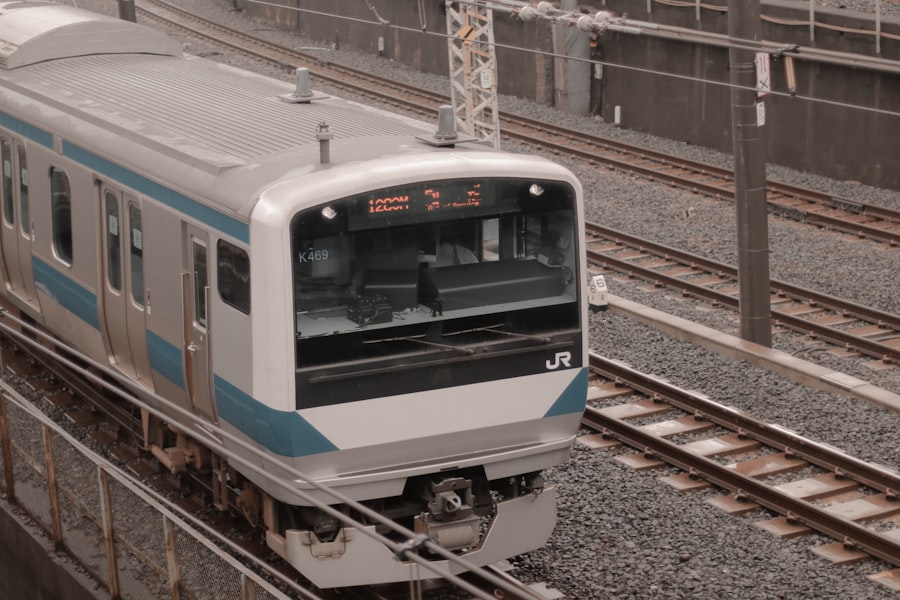
As societies increasingly prioritize sustainability, the environmental impact of transport modes has become a critical determinant in modal shift strategies. This is not merely a “nice-to-have” but an imperative for future operations.
Greenhouse Gas Emissions
On a per-tonne-kilometer basis, rail transport, particularly electrified rail, generally emits significantly fewer greenhouse gases (GHGs) than road transport. While diesel locomotives contribute to emissions, the efficiency of pulling long, heavy trains across steel rails with minimal friction is superior to individual trucks. Waterborne transport, especially large vessels, also demonstrates good fuel efficiency per tonne-kilometer for bulk cargo, particularly over long distances. However, the sheer volume of global maritime trade means that it contributes a substantial percentage of global GHG emissions, though efforts are underway to introduce cleaner fuels and propulsion systems.
Air and Water Pollution
Beyond GHGs, both modes have other environmental concerns. Diesel locomotives contribute to NOx and particulate matter emissions, impacting local air quality. Older maritime vessels, particularly those using heavy fuel oil, are significant sources of sulfur oxides (SOx), NOx, and particulate matter, leading to health issues in port cities and acid rain. Stricter regulations, such as the IMO 2020 sulfur cap, have mandated the use of lower-sulfur fuels or the installation of scrubbers, but challenges remain. Waterborne transport also presents risks of oil spills, ballast water introductions of invasive species, and noise pollution affecting marine life.
Land Use and Biodiversity
Rail infrastructure requires significant land acquisition for tracks, stations, and marshalling yards, potentially fragmenting habitats and impacting biodiversity. However, these corridors are often relatively narrow and linear. Waterborne transport, while not requiring new land for sea routes, necessitates substantial land for port infrastructure, dredging operations, and associated industrial zones, which can impact coastal ecosystems, wetlands, and aquatic habitats. The construction of new canals can have profound hydrological and ecological consequences.
Infrastructure and Connectivity
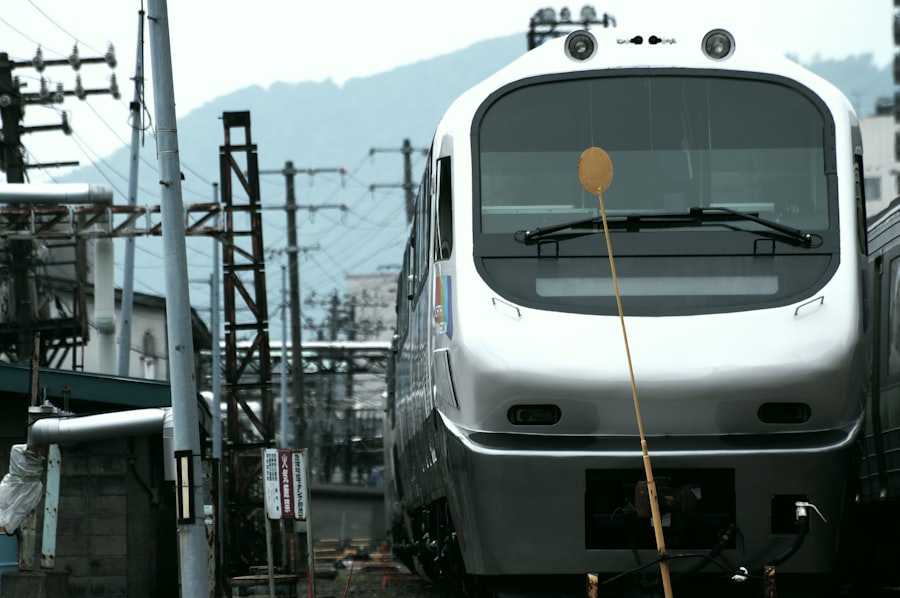
The pre-existing infrastructure and its connectivity are paramount in determining the viability and efficiency of either mode. Think of it as the nervous system of global trade, with arteries (main routes) and capillaries (feeder services).
Network Reach and Intermodality
Rail networks are geographically extensive within continents, connecting major production centers to consumption hubs and ports. However, their reach is constrained by landmasses. Waterborne transport, by its nature, offers unparalleled global reach, connecting continents and facilitating international trade. The concept of intermodality – the seamless transfer of goods between different transport modes – is crucial here. Both rail and water heavily rely on intermodal connections, often utilizing ports or inland terminals as crucial transshipment points to connect with road or other rail networks for final delivery.
Port and Terminal Modernization
The efficiency of both rail and water transport is heavily dependent on the capabilities of their respective terminals. Ports serve as critical interfaces for maritime freight, requiring advanced dredging, container handling equipment, and efficient customs procedures. Inland rail terminals or intermodal yards similarly demand sophisticated crane systems, warehousing, and streamlined operations to minimize dwell times and facilitate rapid cargo transfer. Investment in modernizing these facilities is essential for improving overall supply chain efficiency and reducing bottlenecks.
Maintenance and Upkeep
Both rail and waterway infrastructure require continuous and substantial investment in maintenance. Rail tracks degrade over time, requiring regular inspection, repair, and replacement. Signaling systems need modernization, and bridges and tunnels demand structural integrity checks. Waterways, especially canals and river systems, require periodic dredging to maintain sufficient depth for navigation. Ports need ongoing maintenance of berths, breakwaters, and equipment. The long-term viability of both modes is contingent on sustained investment in their foundational infrastructure.
In recent discussions about transportation efficiency, the debate between modal shift from rail to water has gained significant attention. A related article explores the various benefits and challenges associated with this transition, highlighting the environmental impact and economic implications of each mode. For more insights on this topic, you can read the full article here. Understanding these dynamics is crucial for policymakers aiming to optimize freight transport systems.
Strategic Considerations and Future Outlook
| Metric | Rail Transport | Water Transport | Comments |
|---|---|---|---|
| Average Speed (km/h) | 60-100 | 20-30 | Rail is generally faster for inland transport |
| CO2 Emissions (g CO2/ton-km) | 20-40 | 10-30 | Water transport tends to have lower emissions per ton-km |
| Capacity (tons per shipment) | Up to 3,000 | Up to 30,000 | Water transport can handle much larger shipments |
| Infrastructure Cost | High | Moderate | Rail requires extensive track networks |
| Flexibility | High | Low | Rail can reach more inland destinations |
| Typical Use Cases | Intermodal freight, bulk goods, containers | Bulk commodities, heavy goods, international shipping | Each mode suits different cargo types |
| Modal Shift Potential | Moderate | High | Water transport can absorb large volumes from road and rail |
The choice between rail and water is not static; it evolves with technological advancements, geopolitical shifts, and changing market demands.
Geopolitical Influence and Trade Routes
Geopolitical stability significantly impacts waterborne trade, as evidenced by disruptions in key waterways like the Suez Canal or the Strait of Hormuz. Regional conflicts, piracy, and protectionist policies can drastically alter shipping routes and increase risks. Rail routes, particularly cross-continental lines like the New Silk Road, offer an alternative for connecting Europe and Asia, potentially mitigating some maritime risks while introducing new geopolitical complexities related to sovereignty and transit agreements.
Technological Advancements and Automation
Both modes are undergoing significant technological transformations. In rail, advancements include positive train control systems, autonomous or semi-autonomous locomotives, and digitalized freight management systems. For waterborne transport, the future envisions autonomous vessels, advanced weather routing, AI-driven port optimization, and the increasing adoption of alternative fuels (e.g., LNG, hydrogen, ammonia) to reduce environmental impact. These innovations promise to enhance efficiency, safety, and sustainability.
Resilience and Disruptions
The COVID-19 pandemic and subsequent supply chain disruptions highlighted the need for resilient transport networks. Over-reliance on a single mode or route can expose vulnerabilities. A balanced approach, utilizing the strengths of both rail and water, along with other modes, can build greater resilience into supply chains. Diversifying routes and modes helps mitigate the impact of unforeseen events, whether they are natural disasters, economic shocks, or geopolitical crises.
In conclusion, dear reader, the choice between rail and water for freight transportation is rarely absolute. It is a nuanced decision, influenced by the type of goods, volume, distance, desired speed, cost sensitivities, and environmental imperatives. Rail offers the advantages of speed and flexibility for continental journeys, particularly for higher-value goods where time is of the essence. Waterborne transport excels in moving immense volumes of bulk commodities and containerized cargo across oceans at lower per-unit costs. As the global economy continues to evolve, understanding and leveraging the distinct capabilities of each mode, often in an integrated intermodal fashion, will be paramount for crafting efficient, resilient, and sustainable supply chains. The future of freight lies not in an either/or proposition, but in a carefully orchestrated symphony of synchronized movements across land and sea.
FAQs
What is meant by “modal shift” in transportation?
Modal shift refers to the process of changing the mode of transportation used for moving goods or passengers from one type, such as road transport, to another, like rail or water transport, to improve efficiency, reduce costs, or minimize environmental impact.
What are the main advantages of shifting freight transport from road to rail?
Shifting freight to rail can lead to reduced greenhouse gas emissions, lower fuel consumption, decreased road congestion, improved safety, and the ability to move large volumes of goods over long distances efficiently.
How does water transport compare to rail in terms of environmental impact?
Water transport generally has a low environmental impact per ton-kilometer, especially for bulk goods, due to its high energy efficiency. However, it is slower and limited to navigable waterways, whereas rail offers faster transit times and more flexible routing but may have slightly higher emissions depending on the energy source.
What types of goods are best suited for transport by rail versus water?
Rail is well-suited for a wide range of goods including containers, manufactured products, and bulk commodities requiring faster delivery. Water transport is ideal for heavy, bulky, and non-perishable goods such as coal, grain, and minerals, especially when large volumes are moved over long distances via ports and waterways.
What challenges exist in promoting a modal shift from road to rail or water transport?
Challenges include infrastructure limitations, higher initial investment costs, scheduling and routing complexities, the need for intermodal facilities, regulatory differences, and sometimes longer transit times, which can affect the competitiveness of rail and water transport compared to road haulage.