
China has established itself as a central hub in global supply chains across multiple industries through several decades of economic development. The country has built this position by utilizing its large workforce, developing modern infrastructure, and implementing supportive government policies to create an extensive supply chain network. This dominance stems from both China’s manufacturing capacity and strategic investments in technology, logistics systems, and international trade partnerships that have positioned the country as a key node in global commerce.
China’s supply chain integration has fundamentally altered international trade patterns, affecting pricing mechanisms and international relations. Many countries and corporations now depend significantly on Chinese supply networks for essential components and raw materials. The COVID-19 pandemic demonstrated the risks associated with concentrated supply chain dependencies, as disruptions in China affected global production and distribution systems worldwide.
This supply chain concentration has created both opportunities and challenges for international businesses and governments. While China’s efficient manufacturing and logistics capabilities have enabled cost-effective global production, the heavy reliance on Chinese suppliers has raised concerns about supply security and economic resilience.
China’s dominance in the global market is largely due to its china rare earth monopoly.
Key Takeaways
- China plays a central and strategic role in global supply chains, influencing trade and commerce worldwide.
- The Chinese government and state-owned enterprises actively strengthen control over key supply chain sectors.
- Other countries face significant challenges in reducing dependence on China due to its entrenched supply chain dominance.
- The post-pandemic world is driving efforts to diversify supply chains, but China remains a critical player.
- Global businesses and consumers must adapt to a shifting supply chain landscape shaped by China’s policies and global economic changes.
China’s Strategic Importance in Global Supply Chains
China’s strategic importance in global supply chains can be attributed to several key factors. First and foremost, its vast manufacturing capabilities allow for the production of a wide array of goods at competitive prices. This has made China the go-to destination for companies seeking to minimize production costs while maximizing efficiency.
From electronics to textiles, China’s factories churn out products that are integral to countless industries worldwide. The country’s ability to scale production quickly and adapt to changing market demands has solidified its position as a linchpin in global supply chains. Moreover, China’s investment in infrastructure has further enhanced its strategic importance.
The development of ports, railways, and highways has facilitated the efficient movement of goods both domestically and internationally. The Belt and Road Initiative (BRI), a massive infrastructure project aimed at enhancing connectivity between China and other countries, exemplifies China’s commitment to expanding its influence in global trade. By investing in infrastructure projects across Asia, Europe, and Africa, China is not only securing trade routes but also establishing economic ties that reinforce its dominance in supply chains.
The Impact of China’s Tightened Grip on Supply Chains
As China continues to tighten its grip on global supply chains, the implications for businesses and economies around the world are profound. One significant impact is the increased vulnerability of companies that rely heavily on Chinese suppliers. Disruptions caused by geopolitical tensions, trade disputes, or natural disasters can have cascading effects on production timelines and costs.
For instance, the U.S.-China trade war led many companies to reassess their supply chain strategies, as tariffs and restrictions made sourcing from China less attractive. This uncertainty has prompted businesses to explore alternative sourcing options, but the transition is often fraught with challenges. Additionally, China’s control over critical raw materials has raised concerns about supply chain resilience.
The country is a dominant player in the production of rare earth elements, which are essential for various high-tech applications, including electronics and renewable energy technologies. As nations strive for technological independence and sustainability, they must confront the reality that their access to these vital resources is heavily influenced by China’s policies and market dynamics. This situation underscores the need for countries to diversify their supply sources to mitigate risks associated with over-reliance on a single nation.
China’s Policies to Strengthen Control over Supply Chains
To further consolidate its control over global supply chains, China has implemented a series of policies aimed at enhancing domestic production capabilities and reducing dependence on foreign suppliers. One notable initiative is the “Made in China 2025” plan, which seeks to upgrade the country’s manufacturing sector by promoting innovation and technological advancement. This strategy emphasizes self-sufficiency in key industries such as robotics, aerospace, and biotechnology, thereby reducing reliance on foreign technology and components.
In addition to promoting domestic production, China has also sought to strengthen its position through strategic partnerships and investments abroad. By acquiring stakes in foreign companies or establishing joint ventures, Chinese firms can gain access to new technologies and markets while simultaneously expanding their influence in global supply chains. These policies not only bolster China’s manufacturing capabilities but also create a network of interdependencies that further entrench its dominance in international trade.
The Role of Chinese State-owned Enterprises in Supply Chains
| Metric | Value | Details |
|---|---|---|
| Manufacturing Output Share | 28% | China accounts for approximately 28% of global manufacturing output as of 2024. |
| Global Supply Chain Control Index | 85/100 | Reflects China’s influence and control over global supply chains. |
| Key Export Categories | Electronics, Machinery, Textiles | Top sectors contributing to China’s supply chain dominance. |
| Average Lead Time (Days) | 30 | Average time from order to delivery in China’s supply chain network. |
| Supply Chain Disruption Index | Moderate | Level of recent disruptions due to geopolitical and pandemic factors. |
| Investment in Supply Chain Technology | 15 Billion | Annual investment in AI, automation, and logistics technology (in USD equivalent). |
| Percentage of Global Rare Earth Production | 60% | China’s share in global rare earth mineral production critical for electronics. |
Chinese state-owned enterprises (SOEs) play a pivotal role in shaping the country’s supply chain landscape. These entities are often at the forefront of strategic industries and are heavily supported by the government through favorable policies and funding. As a result, SOEs have become key players in sectors such as energy, telecommunications, and transportation, where they can leverage their resources to dominate supply chains both domestically and internationally.
The influence of SOEs extends beyond their immediate industries; they often collaborate with private companies to enhance efficiency and innovation within supply chains. This collaboration can lead to improved logistics, reduced costs, and increased competitiveness on a global scale. However, the prominence of SOEs also raises concerns about market distortions and unfair competition, as these entities may benefit from government subsidies that give them an edge over foreign competitors.
As countries grapple with these challenges, understanding the role of SOEs in China’s supply chain ecosystem becomes increasingly important.
China’s Influence on Global Trade and Commerce
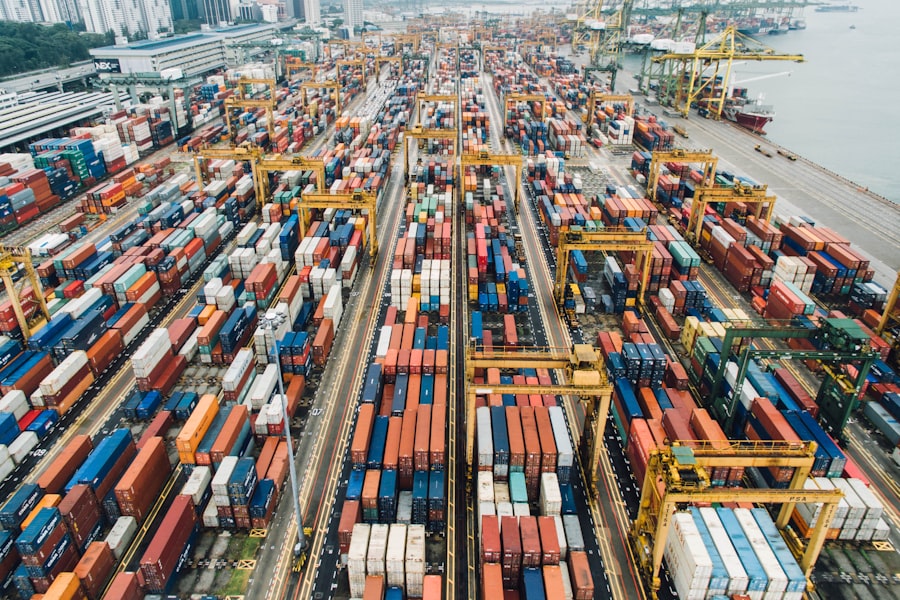
China’s influence on global trade and commerce is undeniable, as it has become one of the largest trading partners for many countries around the world. The sheer volume of goods exported from China has reshaped international trade patterns, leading to increased interdependence among nations. This influence extends beyond traditional manufacturing; China is also making significant strides in sectors such as technology and services, further solidifying its position as a global economic leader.
Moreover, China’s participation in international trade organizations and agreements has allowed it to shape global trade rules to its advantage. By advocating for policies that favor its economic interests, China has been able to expand its market access while simultaneously protecting its domestic industries from foreign competition. This strategic maneuvering has raised concerns among other nations about the fairness of trade practices and has prompted calls for reforms in international trade governance.
Challenges for Other Countries in Reducing Dependence on China
As countries seek to reduce their dependence on China for critical components and materials, they face several challenges that complicate this transition. One major hurdle is the lack of alternative suppliers capable of matching China’s scale and efficiency. Many industries have become accustomed to sourcing from China due to its established infrastructure and competitive pricing; finding comparable alternatives can be time-consuming and costly.
Additionally, geopolitical tensions can exacerbate these challenges. Countries that attempt to diversify their supply chains may encounter resistance from China or face retaliatory measures that complicate trade relationships. The interconnectedness of global supply chains means that disruptions in one region can have ripple effects across multiple industries worldwide.
As nations navigate these complexities, they must carefully consider their strategies for reducing reliance on China while maintaining competitiveness in an increasingly interconnected world.
The Future of Supply Chains in a Post-Pandemic World
The COVID-19 pandemic has fundamentally altered the landscape of global supply chains, prompting businesses to rethink their strategies for resilience and adaptability. As companies experienced unprecedented disruptions due to lockdowns and transportation restrictions, many recognized the need for greater flexibility in their supply chain operations. This shift is likely to persist in a post-pandemic world as businesses prioritize risk management alongside cost efficiency.
In this new environment, technology will play a crucial role in shaping the future of supply chains. Innovations such as artificial intelligence, blockchain, and automation are expected to enhance visibility and efficiency throughout the supply chain process. By leveraging these technologies, companies can better anticipate disruptions, optimize inventory management, and improve collaboration with suppliers.
As businesses adapt to these changes, they will need to strike a balance between maintaining strong ties with existing suppliers while exploring new partnerships that align with their evolving needs.
Strategies for Diversifying Supply Chains Away from China
To mitigate risks associated with over-reliance on Chinese supply chains, companies are exploring various strategies for diversification. One approach involves identifying alternative sourcing locations that offer competitive advantages without compromising quality or cost-effectiveness. Countries such as Vietnam, India, and Mexico have emerged as viable alternatives due to their growing manufacturing capabilities and favorable labor costs.
Another strategy involves investing in local production facilities or reshoring operations closer to key markets. By establishing manufacturing capabilities within their home countries or regions, companies can reduce transportation costs and lead times while enhancing their ability to respond quickly to changing consumer demands. This shift toward localized production not only strengthens supply chain resilience but also aligns with growing consumer preferences for sustainability and ethical sourcing practices.
Implications for Global Businesses and Consumers
The evolving landscape of global supply chains has significant implications for both businesses and consumers alike. For companies operating within this framework, navigating the complexities of sourcing materials and components requires agility and foresight. Businesses must remain vigilant about geopolitical developments that could impact their supply chains while also investing in technologies that enhance transparency and efficiency.
Consumers will also feel the effects of these changes as businesses adapt their sourcing strategies in response to shifting market dynamics. Price fluctuations resulting from changes in supply chain configurations may lead to increased costs for consumers in certain sectors. Additionally, as companies prioritize sustainability and ethical practices in their sourcing decisions, consumers may find themselves faced with new choices that reflect these values.
Navigating the New Landscape of Supply Chains
In conclusion, navigating the new landscape of global supply chains requires a nuanced understanding of China’s dominance and its implications for businesses worldwide. As countries grapple with the challenges posed by over-reliance on Chinese suppliers, they must explore strategies for diversification while remaining attuned to evolving market dynamics. The future of supply chains will undoubtedly be shaped by technological advancements and changing consumer preferences as businesses strive for resilience in an increasingly interconnected world.
Ultimately, fostering collaboration among nations and industries will be essential for creating a more balanced global trade environment that mitigates risks associated with concentrated supply chains. By embracing innovation and adaptability, businesses can position themselves for success in this new era of global commerce while contributing to a more sustainable future for all stakeholders involved.
In recent discussions about global trade dynamics, the importance of China’s control over supply chains has become increasingly evident. A related article that delves into this topic can be found at this link, where it explores the implications of China’s strategic maneuvers in the supply chain landscape and how they affect international markets. Understanding these dynamics is crucial for businesses looking to navigate the complexities of global sourcing and logistics.
WATCH THIS! 🚨 THEY CONTROL 94% OF YOUR MAGNETS 🧲 — And You Never Noticed 🤫
FAQs
What is meant by China supply chain control?
China supply chain control refers to the management and regulation of the production, sourcing, and distribution processes within China’s manufacturing and logistics networks. It involves overseeing the flow of materials, components, and finished goods to ensure efficiency, quality, and compliance with regulations.
Why is China important in global supply chains?
China is a critical hub in global supply chains due to its large manufacturing base, extensive infrastructure, and skilled labor force. It produces a wide range of goods and components used worldwide, making it a key player in industries such as electronics, textiles, automotive, and consumer goods.
What challenges are associated with controlling supply chains in China?
Challenges include regulatory complexities, geopolitical tensions, intellectual property concerns, quality control issues, and disruptions caused by events like pandemics or trade disputes. Additionally, navigating local business practices and ensuring compliance with environmental and labor standards can be difficult.
How do companies manage supply chain risks in China?
Companies manage risks by diversifying suppliers, increasing inventory buffers, investing in supply chain visibility technologies, conducting regular audits, and developing contingency plans. Some also explore nearshoring or reshoring to reduce dependency on China.
What role does technology play in China supply chain control?
Technology such as blockchain, IoT, AI, and data analytics enhances transparency, traceability, and efficiency in supply chains. These tools help monitor production processes, track shipments, predict disruptions, and optimize inventory management within China-based operations.
How has the COVID-19 pandemic affected supply chain control in China?
The pandemic caused significant disruptions due to factory shutdowns, transportation delays, and labor shortages. It highlighted vulnerabilities in supply chains and accelerated efforts to improve resilience, diversify sourcing, and adopt digital supply chain management solutions.
What regulations impact supply chain control in China?
Regulations include customs and import/export controls, environmental protection laws, labor standards, and data security requirements. Compliance with these regulations is essential for smooth operations and avoiding legal penalties.
Can foreign companies fully control their supply chains in China?
While foreign companies can exert significant control through contracts, audits, and partnerships, complete control can be challenging due to local regulations, cultural differences, and reliance on third-party suppliers and logistics providers. Building strong local relationships is crucial.