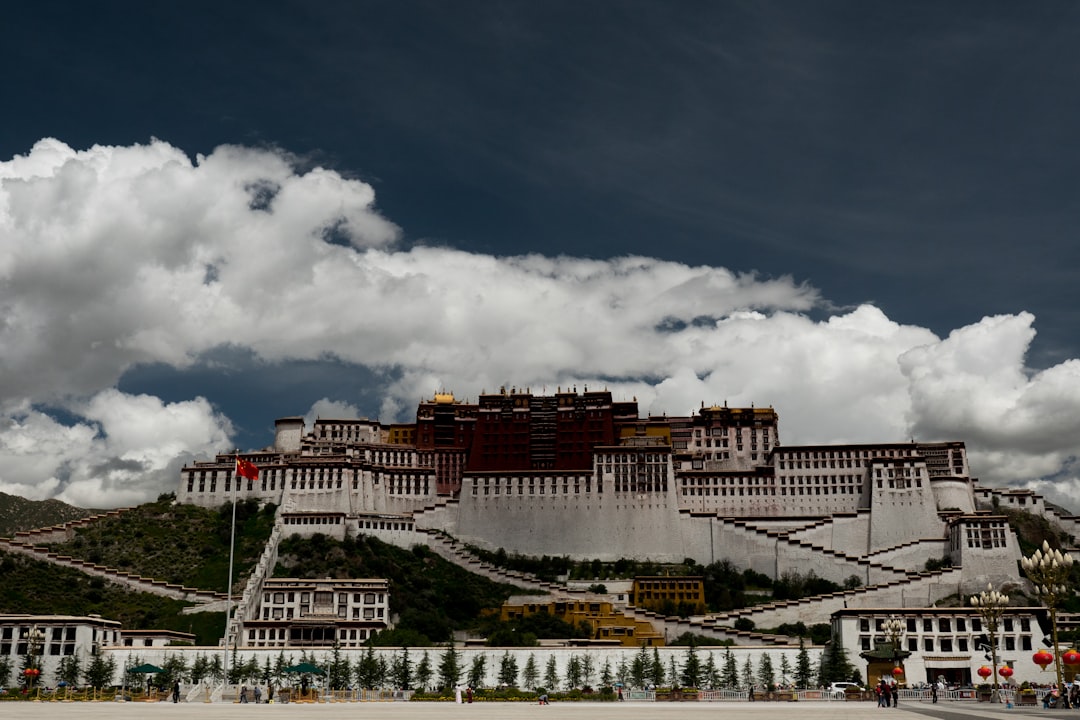
China’s approach to Tibet has been a focal point of international scrutiny and debate for decades. The region, known for its breathtaking landscapes and rich cultural heritage, has been at the center of a complex geopolitical strategy that intertwines national security, economic interests, and cultural assimilation. As China continues to assert its influence on the global stage, its policies regarding Tibet reflect a broader ambition to consolidate power and maintain territorial integrity.
This strategic move is not merely about governance; it is about shaping the narrative of national identity and control over a region that holds significant historical and cultural weight. The significance of Tibet extends beyond its borders, as it serves as a critical buffer zone between China and several neighboring countries. The Chinese government views the region as essential for maintaining stability and security in the face of perceived external threats.
Consequently, the policies implemented in Tibet are not just about local governance; they are part of a larger strategy aimed at reinforcing China’s position as a dominant power in Asia. Understanding this context is crucial for grasping the complexities of China’s actions in Tibet and their implications for both the region and the world.
Key Takeaways
- China’s strategic move in Tibet has significant historical, political, economic, and environmental implications.
- Tibet holds historical and political significance as it has been a contested region between China and other neighboring countries.
- Tibet’s economic and resource importance is evident in its vast reserves of minerals, water, and potential for hydropower.
- China’s control and suppression of Tibetan culture and identity have sparked international criticism and concern.
- Keeping Tibet empty serves China’s strategic interests by maintaining control over the region and its resources.
The Historical and Political Context of Tibet
Tibet’s history is marked by a unique blend of spiritual and political dynamics that have shaped its identity over centuries. Traditionally, Tibet was an independent entity with its own distinct culture, language, and governance system. The relationship between Tibet and China has been contentious, with periods of both autonomy and subjugation.
The 1950s marked a turning point when the People’s Liberation Army entered Tibet, leading to its incorporation into the People’s Republic of China. This event has since been viewed by many Tibetans as an invasion, resulting in ongoing tensions between the Tibetan people and the Chinese government. The political context surrounding Tibet is further complicated by the Dalai Lama’s role as a spiritual leader and symbol of Tibetan identity.
The Chinese government has consistently portrayed him as a separatist, while many Tibetans view him as a beacon of hope for their cultural preservation and autonomy. This dichotomy illustrates the deep-seated political rifts that continue to influence the situation in Tibet today.
The Economic and Resource Importance of Tibet
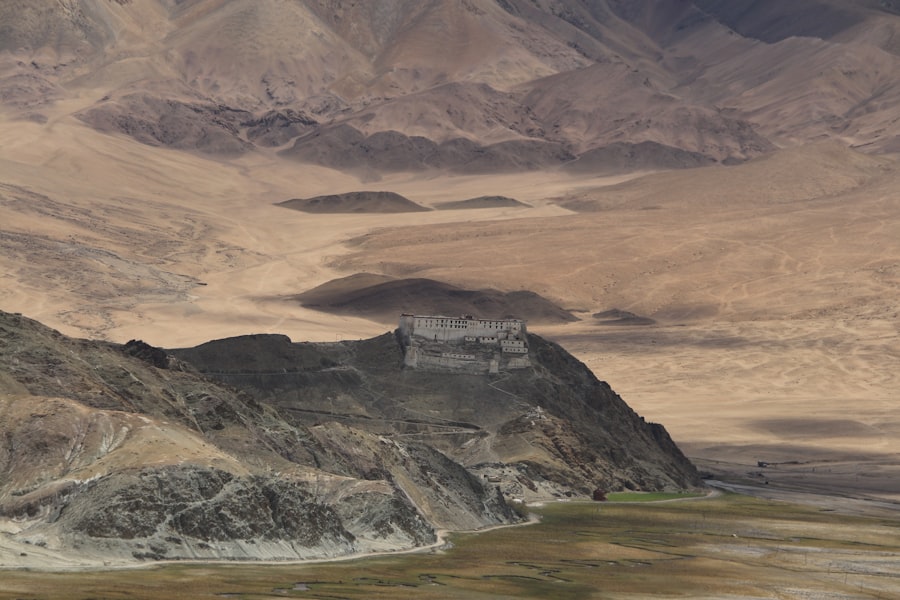
Tibet is not only significant for its cultural heritage but also for its vast natural resources and strategic economic potential. The region is rich in minerals, including lithium, copper, and gold, which are essential for various industries, particularly in the context of China’s rapid industrialization. Additionally, Tibet’s extensive water resources, including major rivers that flow into neighboring countries, position it as a critical area for water security in Asia.
The Chinese government recognizes this economic potential and has invested heavily in infrastructure projects aimed at exploiting these resources. However, this economic focus often comes at the expense of local communities. Many Tibetans find themselves marginalized in their own land as large-scale mining operations and development projects disrupt traditional livelihoods.
The influx of Han Chinese workers into the region further exacerbates tensions, as local populations feel increasingly alienated from the benefits of economic development. This dynamic raises questions about equity and sustainability in resource management, highlighting the need for a more inclusive approach that respects the rights and needs of the Tibetan people.
China’s Control and Suppression of Tibetan Culture and Identity
| Aspect | Data/Metrics |
|---|---|
| Number of Tibetan Monasteries Destroyed | Over 6,000 monasteries destroyed during the Cultural Revolution |
| Number of Tibetan Political Prisoners | Estimated 600 political prisoners in Tibet |
| Restrictions on Religious Practices | Tibetans are required to seek permission for religious activities and face restrictions on religious gatherings |
| Language Suppression | Chinese language imposed in schools, limiting Tibetan language education |
| Migration of Han Chinese into Tibet | Significant migration of Han Chinese into Tibet, altering the demographic composition |
The Chinese government’s policies in Tibet have been characterized by a systematic effort to suppress Tibetan culture and identity. This suppression manifests in various forms, including restrictions on religious practices, censorship of cultural expressions, and the promotion of Mandarin over the Tibetan language in education and public life. Such measures aim to assimilate Tibetans into a broader Chinese identity, undermining their unique cultural heritage.
The impact of these policies is profound, as they threaten to erase centuries of Tibetan traditions and practices. Monasteries, which serve as vital centers of community life and spiritual practice, have faced increased surveillance and control from Chinese authorities. Many Tibetans report feeling a sense of loss as their cultural expressions are stifled, leading to a growing sense of disillusionment among younger generations who seek to reclaim their heritage.
This cultural suppression not only affects individual identities but also poses a significant challenge to the preservation of Tibetan culture as a whole.
The Strategic Importance of Keeping Tibet Empty
One of the strategic considerations behind China’s policies in Tibet is the desire to maintain control over a region that is often described as “empty” or sparsely populated. By limiting the presence of foreign influences and maintaining a tight grip on local governance, China aims to prevent any potential uprisings or movements for independence. This strategy is rooted in a broader national security framework that prioritizes stability over diversity.
Keeping Tibet “empty” also serves to reinforce China’s narrative of sovereignty over the region. By promoting the idea that Tibet is an integral part of China, authorities seek to delegitimize any claims for autonomy or independence. This approach not only affects local populations but also shapes international perceptions of Tibet’s status within China.
As such, the strategic importance of maintaining control over this “empty” space reflects broader concerns about national unity and territorial integrity.
Environmental and Ecological Impact of Keeping Tibet Empty
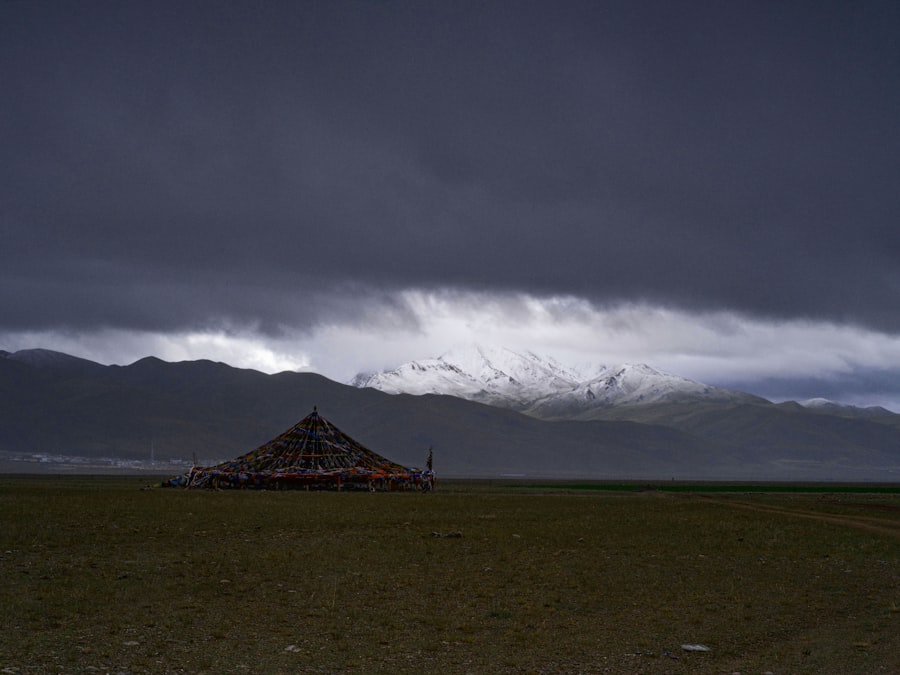
The environmental implications of China’s policies in Tibet are significant and multifaceted. The region’s unique ecosystems are under threat from both industrial development and climate change. As China seeks to exploit Tibet’s natural resources, the delicate balance of its environment is disrupted, leading to issues such as deforestation, soil erosion, and water pollution.
These environmental challenges not only affect local communities but also have far-reaching consequences for neighboring countries that rely on Tibetan rivers for their water supply. Moreover, keeping Tibet “empty” from a human perspective can lead to ecological degradation as traditional practices that promote sustainability are undermined. Many Tibetan communities have historically engaged in practices that respect the land and its resources, but these are increasingly being replaced by industrial methods that prioritize short-term gains over long-term sustainability.
The ecological impact of these changes raises critical questions about environmental stewardship and the need for policies that prioritize both economic development and ecological preservation.
International Response and Criticism of China’s Policy
The international community has responded with varying degrees of criticism regarding China’s policies in Tibet. Human rights organizations have consistently highlighted issues related to cultural suppression, religious freedom, and political repression in the region. Reports detailing human rights abuses have drawn attention from governments around the world, prompting calls for greater accountability from China regarding its treatment of Tibetan people.
However, geopolitical considerations often complicate international responses. Many countries are hesitant to confront China directly due to economic ties or strategic partnerships. This reluctance can lead to a lack of meaningful action or support for Tibetan rights on the global stage.
Nevertheless, advocacy groups continue to push for awareness and action, emphasizing the importance of standing up for human rights regardless of political considerations.
China’s Efforts to Populate and Develop Tibet
In recent years, China has implemented policies aimed at populating and developing Tibet as part of its broader strategy to integrate the region into the national framework. These efforts include infrastructure projects such as roads, railways, and urban development initiatives designed to attract Han Chinese migrants to settle in Tibet. By increasing the Han population in the region, China aims to dilute Tibetan identity and strengthen its control over the area.
While these development initiatives may bring some economic benefits, they often come at a cost to local communities. Many Tibetans find themselves displaced from their ancestral lands as new developments encroach upon traditional territories. Additionally, the influx of Han migrants can lead to increased competition for resources and jobs, further marginalizing local populations.
This dynamic raises concerns about social cohesion and equity within Tibetan society as it grapples with rapid changes brought about by external influences.
The Future of Tibet: Potential for Change or Continued Suppression
The future of Tibet remains uncertain as it navigates a complex landscape shaped by both internal aspirations for autonomy and external pressures from the Chinese government. While there are signs of resilience among Tibetan communities striving to preserve their culture and identity, the overarching reality is one of continued suppression under Chinese rule. The potential for change hinges on various factors, including shifts in domestic policy within China, international advocacy efforts, and evolving geopolitical dynamics.
As younger generations of Tibetans become more aware of their cultural heritage and assert their rights, there may be opportunities for dialogue and negotiation regarding their status within China. However, such progress will likely face significant resistance from authorities committed to maintaining control over the region. The interplay between local aspirations for autonomy and national interests will shape the trajectory of Tibet’s future in ways that remain difficult to predict.
The Role of Tibet in China’s Geopolitical Strategy
Tibet occupies a unique position within China’s broader geopolitical strategy due to its geographical location and resource wealth. As a buffer zone between China and several neighboring countries—including India—Tibet plays a crucial role in national security considerations. The Chinese government views control over Tibet as essential for safeguarding its borders against perceived threats from external actors.
Moreover, Tibet’s resources contribute significantly to China’s economic ambitions on both domestic and international fronts. By asserting control over this strategically important region, China aims to enhance its influence in South Asia while simultaneously addressing internal challenges related to resource management and regional stability. This multifaceted role underscores how Tibet is not merely an isolated issue but rather an integral component of China’s broader geopolitical aspirations.
Implications and Challenges of China’s Policy on Tibet
China’s policies regarding Tibet present significant implications not only for the region itself but also for global human rights discourse and international relations. The ongoing suppression of Tibetan culture and identity raises critical ethical questions about governance, autonomy, and respect for diversity within nations. As China continues to assert its influence on the world stage, its approach to Tibet serves as a litmus test for how it navigates complex issues related to human rights and cultural preservation.
The challenges facing Tibetans are profound, yet they also highlight resilience among communities striving to maintain their identity amidst adversity. The future trajectory of Tibet will depend on various factors—both internal aspirations for change among Tibetan people and external pressures from an increasingly interconnected world advocating for human rights. Ultimately, addressing these challenges requires a nuanced understanding of the interplay between local dynamics and global geopolitics as stakeholders navigate an uncertain path forward for this historically rich yet politically fraught region.
China’s policies in Tibet have often been scrutinized, particularly regarding the demographic changes and the perceived efforts to keep the region sparsely populated.