
China’s Polar Silk Road Initiative represents a significant expansion of its global economic strategy, aiming to enhance trade routes and foster international cooperation in the Arctic region. Launched as part of the broader Belt and Road Initiative (BRI), this ambitious project seeks to capitalize on the melting ice in the Arctic, which is opening new maritime pathways that could facilitate trade between China and Europe, as well as other regions. The initiative underscores China’s growing interest in the Arctic, a region that has historically been dominated by Arctic nations but is increasingly becoming a focal point for global economic and geopolitical interests.
The Polar Silk Road is not merely a logistical endeavor; it embodies China’s aspirations to position itself as a key player in global governance and environmental stewardship in the Arctic. By investing in infrastructure and fostering partnerships with Arctic states, China aims to secure its interests while promoting a narrative of peaceful development and cooperation. This initiative reflects a broader trend of China’s increasing assertiveness on the world stage, as it seeks to diversify its trade routes and reduce reliance on traditional maritime paths that are often subject to geopolitical tensions.
China’s Interests in the Arctic Region
China’s interests in the Arctic are multifaceted, encompassing economic, strategic, and environmental dimensions. Economically, the Arctic is rich in natural resources, including oil, gas, and minerals, which are vital for China’s continued industrial growth. As domestic resources dwindle and energy demands rise, China views the Arctic as a potential solution to its resource scarcity.
The region’s untapped reserves present an opportunity for China to secure energy supplies that are crucial for its economy. Strategically, the Arctic holds significant geopolitical importance. As global warming continues to alter the landscape, new shipping routes are emerging that could drastically reduce travel time between major markets.
The Northern Sea Route, for instance, offers a shortcut for vessels traveling between Asia and Europe, which could enhance trade efficiency. By establishing a presence in the Arctic, China aims to strengthen its influence over these emerging routes and ensure that it remains competitive in global trade dynamics.
The Economic Potential of the Arctic for China
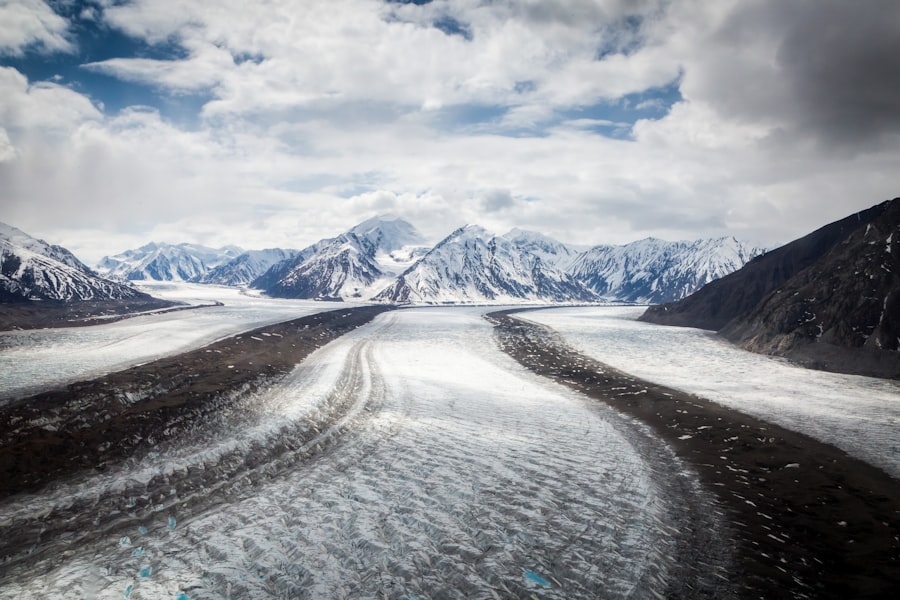
The economic potential of the Arctic for China is vast and varied.
For a nation that is heavily reliant on energy imports, tapping into these resources could significantly bolster China’s energy security.
Moreover, as climate change continues to open up previously inaccessible areas, the prospect of resource extraction becomes increasingly viable.
In addition to energy resources, the Arctic offers opportunities in shipping and tourism.
The melting ice caps are paving the way for new maritime routes that could revolutionize global shipping logistics. For China, which is already a dominant player in international shipping, this presents an opportunity to enhance its maritime trade capabilities. Furthermore, as tourism in the Arctic grows, there are prospects for Chinese investment in infrastructure that caters to this burgeoning industry, further diversifying its economic interests in the region.
Environmental and Climate Change Concerns
| Category | Metrics |
|---|---|
| Carbon Emissions | CO2 emissions per capita |
| Renewable Energy | Percentage of energy from renewable sources |
| Deforestation | Rate of deforestation |
| Sea Level Rise | Rate of sea level rise |
| Temperature Change | Global average temperature change |
While China’s ambitions in the Arctic are driven by economic interests, they also raise significant environmental and climate change concerns. The Arctic is one of the most sensitive ecosystems on the planet, and increased human activity poses risks to its fragile environment. Oil drilling, shipping traffic, and resource extraction can lead to pollution and habitat destruction, threatening both local wildlife and indigenous communities that depend on these ecosystems for their livelihoods.
Moreover, China’s involvement in the Arctic must be viewed within the context of global climate change. As a major contributor to greenhouse gas emissions, China’s actions in the region could exacerbate existing environmental challenges. Critics argue that while China promotes itself as a champion of sustainable development, its pursuit of resources in the Arctic contradicts these claims.
Balancing economic ambitions with environmental stewardship will be a critical challenge for China as it navigates its role in this rapidly changing region.
China’s Investment in Arctic Infrastructure
To realize its ambitions in the Arctic, China has committed substantial investments in infrastructure development. This includes funding for ports, shipping routes, and research facilities that will support its activities in the region. By enhancing infrastructure, China aims to facilitate not only its own access to resources but also to establish itself as a key player in Arctic logistics and transportation.
One notable example of China’s investment is its involvement in the construction of ports along the Northern Sea Route. These ports are designed to accommodate increased shipping traffic and provide essential services for vessels navigating these new routes. Additionally, China has invested in research stations that focus on climate change and environmental monitoring, positioning itself as a leader in scientific exploration while simultaneously gathering valuable data that could inform its economic strategies.
The Geopolitical Implications of China’s Arctic Initiative
China’s Polar Silk Road Initiative carries significant geopolitical implications that extend beyond mere economic interests. As China increases its presence in the Arctic, it challenges the traditional dominance of Arctic nations such as Canada, Russia, and Norway. This shift has raised concerns among these countries about sovereignty and territorial claims over resources and shipping lanes.
Furthermore, China’s growing influence in the region has prompted a reevaluation of security dynamics among Arctic states. The potential for increased military presence or strategic partnerships with non-Arctic nations could lead to heightened tensions and competition over resources. As China seeks to assert its interests, it may also provoke responses from other powers, leading to a complex interplay of diplomacy and rivalry in this geopolitically sensitive area.
International Response to China’s Arctic Strategy
The international response to China’s Arctic strategy has been mixed, reflecting a range of perspectives among different countries and organizations. Some nations view China’s investments as an opportunity for economic collaboration and development, particularly those with limited resources or expertise in Arctic affairs. These countries may welcome Chinese involvement as a means of fostering growth and enhancing infrastructure.
Conversely, other nations express concern over China’s intentions and potential impacts on regional stability. The United States, for instance, has been vocal about its apprehensions regarding China’s expanding influence in the Arctic. This has led to calls for greater cooperation among Arctic nations to ensure that governance remains within the hands of those who have historically inhabited and managed the region.
The challenge lies in balancing cooperation with vigilance against potential overreach by external powers like China.
China’s Collaboration with Arctic Countries
Despite concerns about its ambitions, China has actively sought collaboration with Arctic countries to bolster its legitimacy and foster goodwill. Through various bilateral agreements and partnerships, China aims to engage with Arctic nations on issues ranging from scientific research to environmental protection. This collaborative approach allows China to present itself as a responsible stakeholder committed to sustainable development.
China’s participation in organizations such as the Arctic Council further exemplifies its efforts to engage with regional stakeholders. By contributing to discussions on climate change and sustainable resource management, China seeks to align its interests with those of Arctic nations while also gaining access to valuable insights and expertise. This strategy not only enhances China’s standing but also helps mitigate some of the apprehensions surrounding its presence in the region.
The Role of the Polar Silk Road in China’s Belt and Road Initiative
The Polar Silk Road is an integral component of China’s broader Belt and Road Initiative (BRI), which aims to enhance global trade connectivity through infrastructure development across multiple regions. By linking the Arctic with existing BRI routes, China envisions a comprehensive network that facilitates trade between Asia and Europe while also opening new markets for Chinese goods and services. This integration allows China to leverage its investments in the Arctic as part of a larger narrative of economic cooperation and development.
The Polar Silk Road not only serves as a conduit for resource extraction but also positions China as a central player in global trade dynamics. By promoting this initiative within the framework of the BRI, China seeks to reinforce its image as a leader in international trade while simultaneously addressing its domestic economic needs.
Challenges and Risks for China’s Polar Silk Road
Despite its ambitious plans for the Polar Silk Road, China faces numerous challenges and risks that could hinder its progress. One significant challenge is navigating complex geopolitical dynamics among Arctic nations. As tensions rise over territorial claims and resource competition, China’s presence may be met with resistance from countries wary of its intentions.
Additionally, environmental concerns pose another risk for China’s initiatives in the Arctic. Increased scrutiny from international organizations and environmental groups may lead to stricter regulations on resource extraction and shipping activities. Balancing economic ambitions with environmental sustainability will be crucial for China as it seeks to maintain its reputation while pursuing its goals.
Future Outlook for China’s Arctic Strategy
The future outlook for China’s Arctic strategy remains uncertain but filled with potential opportunities and challenges. As climate change continues to reshape the region’s landscape, new avenues for economic engagement will likely emerge. However, navigating geopolitical tensions will require careful diplomacy and collaboration with Arctic nations.
China’s ability to balance its economic ambitions with environmental stewardship will be critical in shaping its long-term role in the Arctic. By fostering partnerships based on mutual respect and shared interests, China can position itself as a responsible stakeholder while advancing its objectives. Ultimately, how China navigates these complexities will determine not only its success in the Arctic but also its broader standing on the global stage as an emerging superpower committed to sustainable development.
China’s Polar Silk Road strategy is a significant component of its Belt and Road Initiative, aiming to establish new maritime trade routes through the Arctic. This strategy not only seeks to enhance China’s global trade network but also to assert its influence in the geopolitically sensitive Arctic region. An article that delves into the implications of China’s Polar Silk Road and its broader geopolitical ambitions can be found on MyGeoQuest. For more detailed insights, you can read the article by visiting MyGeoQuest.
WATCH THIS! The Arctic Ice Is Melting, And It Will Start World War 3
FAQs
What is China’s Polar Silk Road strategy?
China’s Polar Silk Road strategy is a part of its larger Belt and Road Initiative (BRI) and focuses on developing infrastructure and trade routes in the Arctic region. It aims to take advantage of the melting ice in the Arctic to create new shipping routes and access to natural resources.
What are the key components of China’s Polar Silk Road strategy?
The key components of China’s Polar Silk Road strategy include the development of Arctic shipping routes, investment in Arctic infrastructure, and participation in Arctic governance and environmental protection.
How does China plan to implement its Polar Silk Road strategy?
China plans to implement its Polar Silk Road strategy through partnerships with Arctic countries, investment in infrastructure projects, and participation in Arctic governance organizations. It also aims to promote scientific research and environmental protection in the region.
What are the potential benefits of China’s Polar Silk Road strategy?
The potential benefits of China’s Polar Silk Road strategy include increased trade and economic opportunities, access to natural resources, and the development of new shipping routes that could reduce transportation times and costs.
What are the concerns and criticisms surrounding China’s Polar Silk Road strategy?
Some concerns and criticisms surrounding China’s Polar Silk Road strategy include environmental impacts, potential geopolitical tensions, and the risk of overreliance on China for Arctic infrastructure and investment. There are also concerns about the impact on indigenous communities in the Arctic region.