
China’s ambitious dam projects in Tibet have garnered significant attention both domestically and internationally. As the Tibetan Plateau is often referred to as the “Water Tower of Asia,” it plays a crucial role in supplying water to major rivers that flow into several countries, including India, Nepal, and Bangladesh. The Chinese government has invested heavily in hydropower infrastructure in this region, aiming to harness its vast water resources for energy production and economic development.
However, these projects have sparked a complex debate about the balance between development and environmental conservation, as well as the socio-political implications for the Tibetan people. The construction of dams in Tibet is not merely an engineering endeavor; it represents a broader strategy by the Chinese government to assert control over the region’s natural resources. This has raised concerns among environmentalists, human rights advocates, and local communities who fear that such projects could lead to irreversible damage to the delicate ecosystems and cultural landscapes of Tibet.
As the world watches closely, the implications of these dam projects extend far beyond China’s borders, affecting water availability and environmental health across Asia.
Key Takeaways
- China’s dam projects in Tibet have significant implications for the region’s environment, economy, and culture.
- The historical context of dam construction in Tibet dates back to the 1950s, with the Chinese government viewing it as a means of development and control.
- Dam projects have had a major impact on Tibetan rivers, leading to changes in water flow, sediment transport, and aquatic ecosystems.
- The environmental consequences of dam construction include habitat destruction, loss of biodiversity, and altered river dynamics.
- Tibetan communities have been displaced due to dam projects, leading to social and cultural upheaval.
Historical Context of Dam Construction in Tibet
The history of dam construction in Tibet can be traced back to the mid-20th century when the Chinese government began to implement large-scale infrastructure projects following its consolidation of power in the region. The 1950s marked the beginning of a new era for Tibet, characterized by significant political and social changes. The Chinese Communist Party viewed the development of hydropower as essential for modernizing the region and integrating it into the national economy.
This led to the establishment of several dams, albeit on a smaller scale compared to contemporary projects. Over the decades, the pace of dam construction accelerated, particularly after the turn of the 21st century. The Chinese government launched initiatives aimed at transforming Tibet into a key energy hub, with plans for numerous large-scale hydropower stations.
This shift was driven by a combination of factors, including the need for sustainable energy sources to support China’s rapid industrialization and urbanization. However, this historical context is essential for understanding the current landscape of dam projects in Tibet and their implications for both local communities and neighboring countries.
Impact of Dam Projects on Tibetan Rivers

The impact of dam projects on Tibetan rivers is profound and multifaceted. The construction of dams alters natural water flow patterns, which can have cascading effects on ecosystems and biodiversity. Rivers such as the Yarlung Tsangpo, which is known as the Brahmaputra in India, are vital lifelines for millions of people downstream.
The alteration of these waterways can disrupt fish migration patterns, affect sediment transport, and lead to changes in water quality. Such ecological shifts can threaten not only local wildlife but also the livelihoods of communities that depend on these rivers for fishing and agriculture. Moreover, the diversion of river water for hydropower generation can lead to conflicts over water rights among countries that share these transboundary rivers.
As China continues to build more dams in Tibet, concerns are rising among neighboring nations about potential water shortages and ecological degradation. The geopolitical implications of these projects are significant, as they may exacerbate tensions between China and its neighbors, particularly India, which relies heavily on the Brahmaputra River for its water supply.
Environmental Consequences of Dam Construction
| Environmental Consequences | Description |
|---|---|
| Loss of Biodiversity | Dams can disrupt the natural habitat of plants and animals, leading to a loss of biodiversity. |
| Displacement of Communities | Dam construction can lead to the displacement of communities living in the area, causing social and economic disruptions. |
| Water Quality Issues | Dams can lead to changes in water quality, affecting the ecosystems and the health of aquatic life. |
| Alteration of River Flow | Dams can alter the natural flow of rivers, impacting the downstream ecosystems and habitats. |
| Sedimentation | Dams can trap sediment, leading to downstream erosion and affecting the natural balance of river ecosystems. |
The environmental consequences of dam construction in Tibet are alarming and warrant serious consideration. Dams can lead to habitat destruction, as large areas of land are flooded to create reservoirs. This inundation not only displaces flora and fauna but also disrupts entire ecosystems that have evolved over millennia.
The Tibetan Plateau is home to unique species that are adapted to its harsh climate, and any alteration to their habitats can have dire consequences for biodiversity. Additionally, the construction process itself generates significant pollution and waste. Heavy machinery used in dam building emits greenhouse gases and contributes to soil erosion, further destabilizing the environment.
The long-term effects of these projects can include increased vulnerability to natural disasters such as landslides and floods, which are already prevalent in this mountainous region. As climate change continues to exacerbate environmental challenges globally, the impact of dam projects in Tibet becomes even more critical to address.
Displacement of Tibetan Communities due to Dam Projects
One of the most pressing social issues arising from dam projects in Tibet is the displacement of local communities. As dams are constructed and reservoirs are created, entire villages may be submerged or rendered uninhabitable. This displacement not only uproots families from their ancestral lands but also disrupts traditional ways of life that have been practiced for generations.
The loss of land means loss of cultural heritage, as many Tibetan communities have deep spiritual connections to their environment.
Many find themselves relocated to urban areas where they struggle to adapt to new lifestyles and economic realities.
The psychological toll of displacement can be profound, leading to feelings of loss and disconnection from one’s cultural identity. As these communities grapple with their new circumstances, questions arise about their rights and representation in decisions regarding development projects that directly affect their lives.
Economic Benefits and Costs of Dam Projects in Tibet
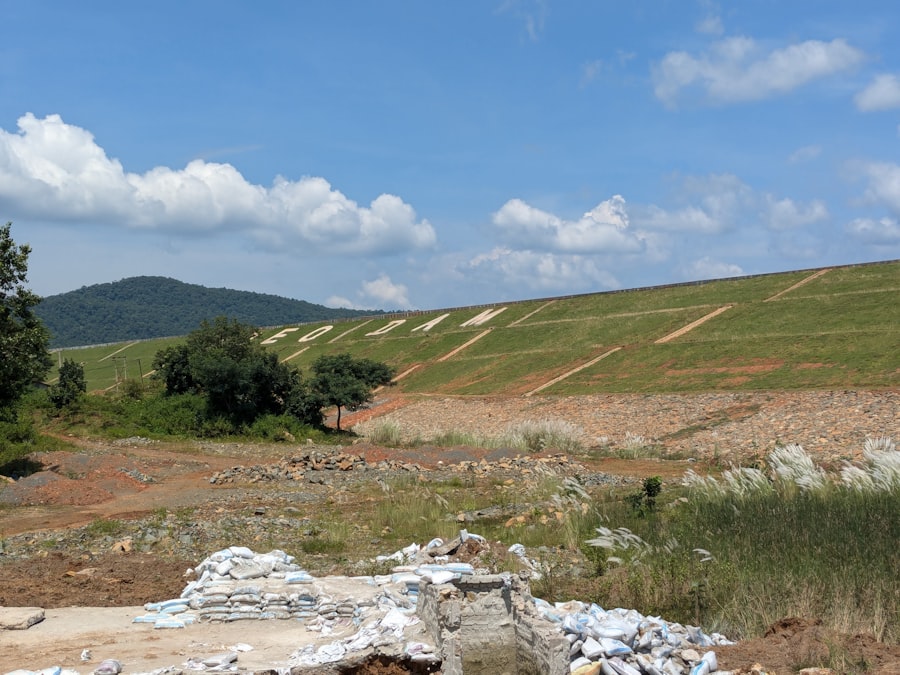
While dam projects in Tibet are often touted for their potential economic benefits, a closer examination reveals a more complex picture. On one hand, these projects promise job creation during construction phases and provide a source of renewable energy that can contribute to national economic growth. Hydropower is seen as a clean alternative to fossil fuels, aligning with China’s goals for sustainable development and energy security.
However, the economic costs associated with these projects cannot be overlooked. The initial investment required for dam construction is substantial, and there are ongoing maintenance costs that must be factored into long-term economic planning. Additionally, the displacement of communities can lead to social unrest and economic instability in affected areas.
The benefits may not be evenly distributed; while urban centers may thrive from increased energy supply, rural communities may suffer from loss of livelihoods and cultural disintegration.
Political Implications of Dam Projects in Tibet
The political implications of dam projects in Tibet extend beyond local governance; they resonate on a national and international scale. For the Chinese government, these projects serve as a means of asserting control over Tibetan resources while promoting national unity through infrastructure development. However, this approach has drawn criticism from various quarters, including human rights organizations that argue it undermines Tibetan autonomy and cultural identity.
Internationally, China’s dam-building initiatives have raised concerns among neighboring countries about water security and regional stability. Nations downstream from Tibetan rivers worry about potential water shortages resulting from China’s upstream activities. This has led to diplomatic tensions, particularly with India, which shares significant river systems with Tibet.
As geopolitical dynamics evolve in Asia, the political ramifications of dam projects will likely continue to shape relationships between China and its neighbors.
International Response to China’s Dam Projects in Tibet
The international response to China’s dam projects in Tibet has been mixed, reflecting a range of perspectives on development versus environmental conservation. Environmental organizations have voiced strong opposition to these initiatives, highlighting their potential ecological impacts on transboundary rivers and ecosystems. Activists argue that international attention is necessary to hold China accountable for its environmental responsibilities and protect vulnerable communities affected by displacement.
On the other hand, some countries have adopted a more pragmatic approach, recognizing China’s need for energy development while advocating for sustainable practices. Diplomatic dialogues often emphasize cooperation on water management issues rather than outright condemnation of dam projects. This nuanced response underscores the complexity of balancing national interests with global environmental concerns.
Cultural and Spiritual Impact of Dam Projects on Tibetans
The cultural and spiritual impact of dam projects on Tibetan communities is profound and deeply intertwined with their identity. For many Tibetans, rivers are not merely physical entities; they hold sacred significance tied to their spiritual beliefs and practices. The alteration or destruction of these waterways due to dam construction can be seen as an affront to their cultural heritage.
Moreover, the displacement caused by dam projects disrupts traditional practices such as farming, herding, and religious rituals that are closely linked to specific landscapes. As communities are uprooted from their ancestral lands, they face challenges in maintaining their cultural practices in new environments that may lack the same spiritual resonance. This cultural erosion poses a significant threat to Tibetan identity as younger generations grapple with their heritage amid rapid modernization.
Future Outlook for Tibetan Rivers and Dam Projects
The future outlook for Tibetan rivers amid ongoing dam projects remains uncertain and contentious. As China continues its push for hydropower development, it faces mounting pressure from both domestic stakeholders advocating for environmental protection and international actors concerned about transboundary water issues. The challenge lies in finding a balance between harnessing natural resources for economic growth while safeguarding fragile ecosystems.
Innovative approaches such as integrated water resource management could offer pathways toward sustainable development that respects both ecological integrity and community rights. Engaging local populations in decision-making processes regarding dam construction could foster greater accountability and ensure that development aligns with community needs. Ultimately, the future of Tibetan rivers will depend on collaborative efforts that prioritize both conservation and responsible resource management.
Balancing Development and Conservation in Tibet’s Rivers
In conclusion, China’s dam projects in Tibet present a complex interplay between development aspirations and environmental conservation needs. While these initiatives promise economic benefits through renewable energy generation, they also pose significant risks to ecosystems, local communities, and cultural heritage. The historical context surrounding these projects highlights a long-standing struggle over resource control that continues to shape political dynamics both within China and across its borders.
As stakeholders navigate this intricate landscape, it becomes increasingly clear that a balanced approach is essential for ensuring sustainable development in Tibet’s rivers. By prioritizing environmental stewardship alongside economic growth, there exists an opportunity to create a future where both nature and culture can thrive harmoniously amidst modernization efforts. The path forward will require collaboration among governments, local communities, environmental organizations, and international actors committed to preserving the unique ecological and cultural tapestry that defines Tibet.
China’s ambitious dam projects on Tibetan rivers have raised significant environmental and geopolitical concerns, particularly regarding their impact on downstream countries. For a deeper understanding of the implications of these projects, you can read a related article that explores the environmental challenges and regional tensions associated with these developments.