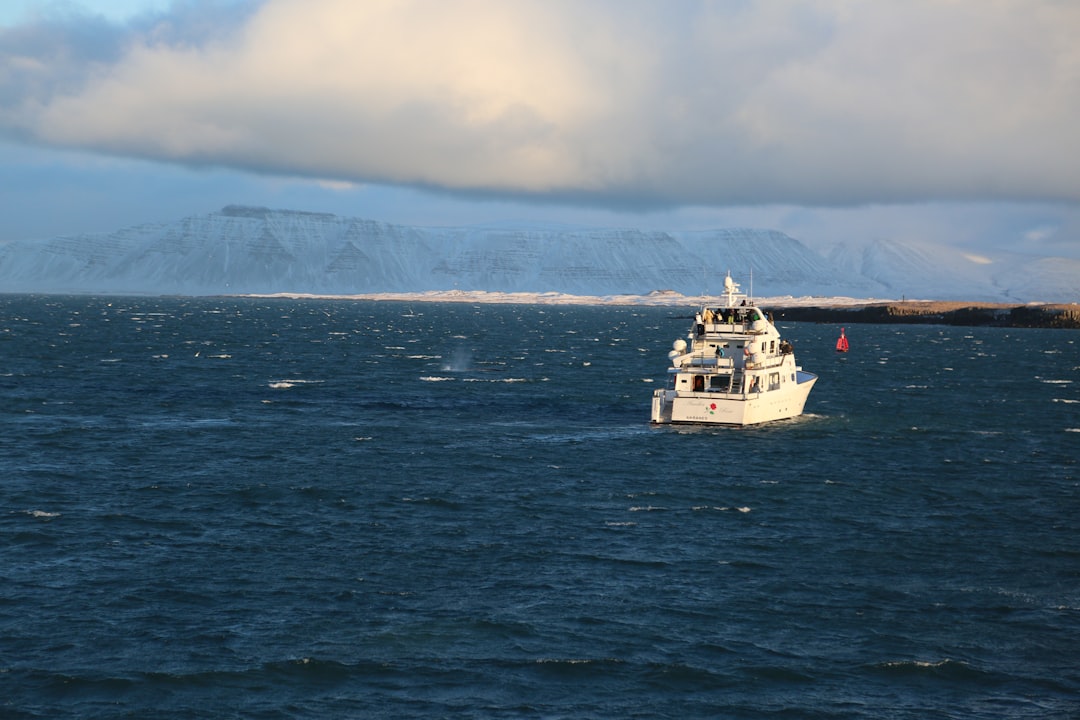
In recent years, China has expanded its Arctic engagement, recognizing the region’s strategic and economic significance.
The Chinese government emphasizes international cooperation and sustainable development while strategically positioning itself in a region historically dominated by Arctic states.
China’s Arctic involvement represents a calculated long-term strategy to secure resources and enhance its global influence. The country has made substantial investments in Arctic research, deploying scientific expeditions to study the region’s climate, ecosystems, and resource potential. This systematic engagement aligns with China’s broader objectives to diversify energy sources and secure critical materials—including oil, natural gas, and rare earth minerals—essential for sustaining its economic development.
Key Takeaways
- China is rapidly expanding its Arctic shipping fleet to enhance global trade routes.
- Significant investments are being made in icebreaking technology to navigate Arctic waters.
- China’s Arctic activities raise environmental concerns due to fragile ecosystems.
- Strategic and geopolitical interests drive China’s increased presence and competition in the Arctic.
- China aims to play a key role in Arctic governance while pursuing economic development opportunities.
The Expansion of China’s Arctic Shipping Fleet
As part of its strategic ambitions in the Arctic, China has been actively expanding its shipping fleet capable of navigating icy waters. The development of ice-class vessels has become a priority for Chinese shipping companies, enabling them to operate in the challenging conditions of the Arctic Ocean. This expansion is not only about enhancing China’s shipping capabilities but also about positioning itself as a leader in Arctic maritime trade.
The Chinese government has supported this expansion through various initiatives, including financial incentives and partnerships with domestic shipbuilders. By investing in advanced icebreaking technology and constructing state-of-the-art vessels, China aims to reduce transit times for goods traveling between Asia and Europe via the Northern Sea Route. This route, which is becoming increasingly viable due to climate change, offers significant advantages over traditional shipping lanes, including shorter distances and reduced fuel consumption.
The Impact of China’s Arctic Shipping on Global Trade
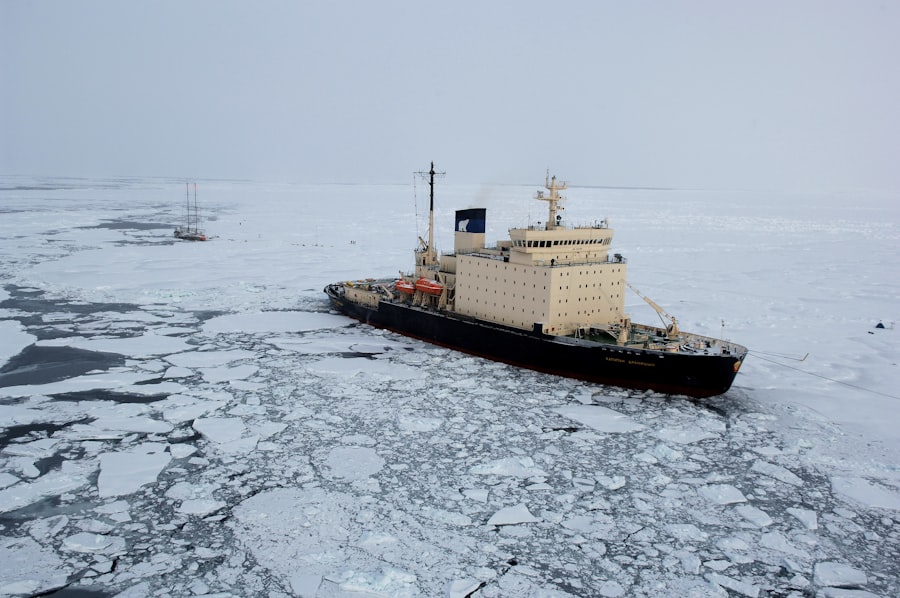
China’s growing presence in Arctic shipping is poised to have profound implications for global trade dynamics. As the Northern Sea Route becomes more navigable, Chinese shipping companies are likely to capitalize on this opportunity, potentially reshaping trade patterns between Asia and Europe. The ability to transport goods more efficiently through the Arctic could lead to lower shipping costs and faster delivery times, benefiting businesses and consumers alike.
Moreover, China’s involvement in Arctic shipping may challenge established maritime routes and traditional shipping powers. As Chinese vessels increasingly traverse these waters, they could disrupt existing trade flows and create new economic opportunities for countries along the route. This shift could lead to increased competition among nations vying for influence in Arctic shipping, prompting a reevaluation of global trade strategies.
China’s Investment in Icebreaking Technology
Recognizing the challenges posed by harsh Arctic conditions, China has made significant investments in icebreaking technology to enhance its operational capabilities in the region. The development of advanced icebreakers is crucial for ensuring safe navigation through icy waters and facilitating maritime trade. These vessels are designed to break through thick ice, allowing other ships to follow in their wake and ensuring that supply chains remain intact.
China’s commitment to advancing its icebreaking technology is evident in its recent shipbuilding projects. The country has launched several state-of-the-art icebreakers that are equipped with cutting-edge navigation systems and enhanced hull designs. These investments not only bolster China’s shipping capabilities but also position it as a formidable player in Arctic maritime operations.
As other nations also invest in similar technologies, the competition for dominance in Arctic shipping is likely to intensify.
Environmental Concerns Surrounding China’s Arctic Shipping
| Year | Number of Arctic-Ready Vessels | Total Fleet Tonnage (in tons) | New Vessels Added | Percentage Increase in Fleet Size | Key Vessel Types | Notable Developments |
|---|---|---|---|---|---|---|
| 2018 | 5 | 150,000 | 1 | 25% | Icebreakers, Bulk Carriers | First domestically built icebreaker launched |
| 2019 | 7 | 210,000 | 2 | 40% | Icebreakers, Container Ships | Expansion of fleet to support Arctic shipping routes |
| 2020 | 10 | 300,000 | 3 | 43% | Icebreakers, LNG Carriers | Introduction of LNG-powered vessels for Arctic conditions |
| 2021 | 13 | 390,000 | 3 | 30% | Icebreakers, Bulk Carriers, LNG Carriers | Increased focus on sustainable Arctic shipping |
| 2022 | 17 | 510,000 | 4 | 31% | Icebreakers, Container Ships, LNG Carriers | Fleet expansion to enhance Northern Sea Route operations |
| 2023 | 22 | 660,000 | 5 | 29% | Icebreakers, Bulk Carriers, LNG Carriers, Container Ships | Deployment of advanced ice-class vessels |
While China’s ambitions in the Arctic present economic opportunities, they also raise significant environmental concerns. The delicate ecosystems of the Arctic are particularly vulnerable to disturbances caused by increased shipping traffic and resource extraction activities. Environmentalists warn that the expansion of shipping routes could lead to oil spills, habitat destruction, and disruptions to wildlife populations.
China’s approach to environmental stewardship in the Arctic has been met with skepticism by some observers. Critics argue that the country’s focus on economic development may overshadow environmental considerations, leading to unsustainable practices that could have long-lasting consequences for the region. As China continues to expand its presence in the Arctic, it will need to balance its economic interests with a commitment to protecting the fragile environment.
China’s Strategic Interests in the Arctic Region
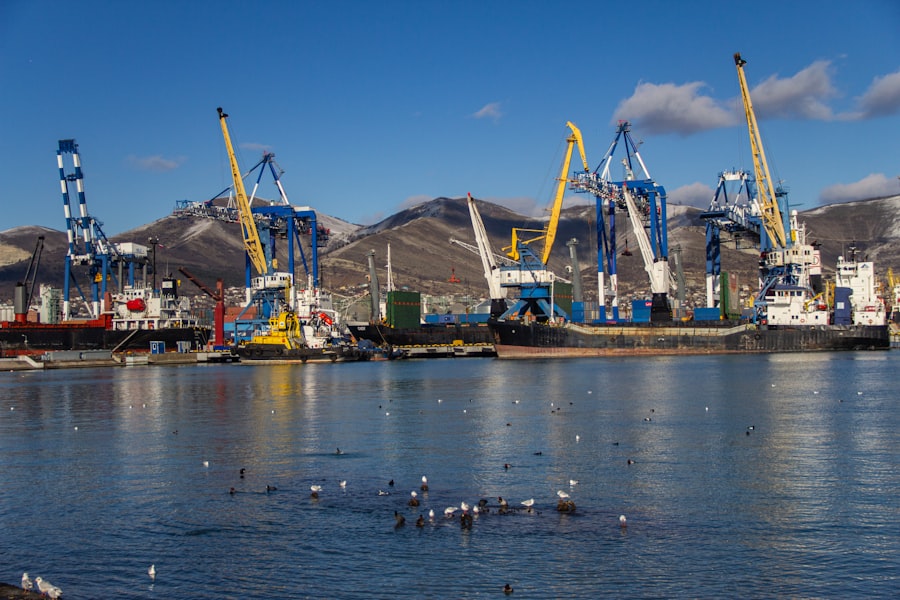
China’s strategic interests in the Arctic extend beyond economic considerations; they encompass geopolitical ambitions as well. The region is rich in natural resources, including oil and gas reserves, which are essential for China’s energy security. By establishing a foothold in the Arctic, China aims to secure access to these resources while also enhancing its geopolitical influence over a region that has historically been dominated by Arctic nations.
Furthermore, China’s involvement in the Arctic aligns with its broader Belt and Road Initiative (BRI), which seeks to enhance connectivity and trade across Eurasia. The Northern Sea Route is seen as a vital component of this initiative, providing a shortcut for goods traveling between China and Europe. By integrating its Arctic strategy with the BRI, China aims to strengthen its economic ties with other countries while asserting its role as a global leader.
Competition with Other Arctic Shipping Nations
As China expands its presence in Arctic shipping, it faces competition from other nations with vested interests in the region. Russia, Canada, Norway, and the United States are among the key players vying for influence over Arctic shipping routes and resources. Each of these countries has its own strategic objectives and concerns regarding environmental protection, national security, and economic development.
The competition for dominance in Arctic shipping is likely to intensify as more countries recognize the potential benefits of this emerging trade route. As China seeks to establish itself as a leader in Arctic maritime operations, it will need to navigate complex geopolitical dynamics and engage with other nations to ensure that its interests are protected. Collaborative efforts may be necessary to address shared challenges such as environmental protection and safety regulations.
China’s Role in Arctic Governance and Regulation
China’s growing involvement in the Arctic raises important questions about governance and regulation in the region. As a non-Arctic state seeking to assert its interests, China must navigate existing frameworks for cooperation among Arctic nations. The Arctic Council, which includes eight member states, plays a crucial role in addressing issues related to environmental protection, sustainable development, and scientific research.
China has sought to engage with the Arctic Council and participate in discussions about governance frameworks that can accommodate the interests of both Arctic and non-Arctic states. By actively participating in these dialogues, China aims to position itself as a responsible stakeholder while advocating for its rights and interests in the region. However, tensions may arise as other nations express concerns about China’s intentions and potential impacts on regional stability.
The Potential for Economic Development in the Arctic
The Arctic region holds immense potential for economic development, driven by its rich natural resources and emerging shipping routes. As climate change continues to alter the landscape of the Arctic, opportunities for exploration and extraction are likely to increase. China’s investments in this area could lead to significant economic benefits not only for itself but also for other countries involved in Arctic development.
However, unlocking this potential requires careful consideration of environmental sustainability and indigenous rights. Economic development must be balanced with efforts to protect fragile ecosystems and respect the rights of indigenous communities who have lived in the region for generations. As China pursues its interests in the Arctic, it will need to engage with local stakeholders and prioritize sustainable practices that ensure long-term benefits for all parties involved.
The Geopolitical Implications of China’s Arctic Expansion
China’s expansion into the Arctic carries significant geopolitical implications that extend beyond regional boundaries. As it seeks greater influence over shipping routes and resources, tensions may arise with other nations that view China’s actions as encroachment on their territorial claims or strategic interests. The potential for conflict over resource extraction rights or navigation routes could escalate if not managed through diplomatic channels.
Moreover, China’s growing presence in the Arctic may prompt a reevaluation of security strategies among neighboring countries. Nations such as Russia and Canada may feel compelled to bolster their military capabilities or strengthen alliances with other countries to counterbalance China’s influence. This evolving geopolitical landscape underscores the need for collaborative approaches that prioritize dialogue and cooperation among all stakeholders involved.
The Future of China’s Arctic Shipping Fleet
Looking ahead, the future of China’s Arctic shipping fleet appears promising yet complex. As climate change continues to reshape the Arctic landscape, opportunities for navigation and resource extraction are likely to expand further.
However, challenges remain on multiple fronts—environmental concerns, geopolitical tensions, and regulatory frameworks will all play critical roles in shaping China’s trajectory in the Arctic. To navigate these complexities successfully, China will need to adopt a multifaceted approach that balances its economic ambitions with environmental stewardship and diplomatic engagement with other nations. In conclusion, China’s growing interest in the Arctic reflects a confluence of economic aspirations and strategic ambitions that could reshape global trade dynamics while raising important questions about governance and environmental sustainability.
As China continues to expand its presence in this vital region, it will be essential for all stakeholders involved—Arctic nations, non-Arctic states like China, indigenous communities—to work collaboratively towards a future that prioritizes both development and preservation of one of Earth’s most fragile environments.
China’s expansion of its Arctic shipping fleet has significant implications for global trade routes and environmental concerns in the region. As the Arctic ice continues to melt, new shipping lanes are becoming accessible, prompting China to invest heavily in its maritime capabilities. For a deeper understanding of the geopolitical dynamics at play, you can read more in this related article on the topic: China’s Arctic Shipping Fleet Expansion. This development not only highlights China’s ambitions but also raises questions about the future of Arctic governance and international cooperation.
FAQs
What is the China Arctic shipping fleet expansion?
The China Arctic shipping fleet expansion refers to China’s efforts to increase the number and capacity of its vessels capable of navigating Arctic waters. This expansion aims to enhance China’s presence and operational capabilities in the Arctic region, particularly for shipping and resource exploration.
Why is China expanding its Arctic shipping fleet?
China is expanding its Arctic shipping fleet to capitalize on emerging shipping routes due to melting ice, improve access to natural resources, and strengthen its strategic and economic interests in the Arctic region.
What types of ships are included in China’s Arctic fleet expansion?
The expansion includes icebreakers, cargo ships, and specialized vessels designed to operate in harsh Arctic conditions. These ships are equipped to navigate icy waters and support various activities such as shipping, research, and resource extraction.
How does the Arctic shipping fleet expansion benefit China?
The expansion allows China to reduce shipping times between Asia and Europe via the Northern Sea Route, lower transportation costs, secure access to Arctic resources, and increase its geopolitical influence in the region.
What challenges does China face in expanding its Arctic shipping fleet?
Challenges include harsh and unpredictable Arctic weather, ice conditions, environmental regulations, geopolitical tensions with Arctic nations, and the high costs of building and maintaining ice-capable vessels.
Is China a member of the Arctic Council?
No, China is not a member of the Arctic Council but holds the status of an observer. The Arctic Council is an intergovernmental forum of Arctic states that addresses issues faced by the Arctic governments and indigenous people.
How does China’s Arctic fleet expansion impact global shipping?
China’s expansion could lead to increased use of the Northern Sea Route, potentially shortening shipping times between Asia and Europe. This may alter global shipping patterns and increase competition among shipping companies.
Are there environmental concerns related to China’s Arctic shipping fleet expansion?
Yes, increased shipping activity in the Arctic raises concerns about environmental impacts such as oil spills, disturbance to marine ecosystems, and contributions to climate change due to increased emissions in a sensitive region.
What role does technology play in China’s Arctic shipping fleet expansion?
Advanced technology is crucial for building ice-strengthened ships, navigation systems, and communication equipment that enable safe and efficient operations in the challenging Arctic environment.
How does China’s Arctic shipping fleet expansion relate to its broader Arctic strategy?
The fleet expansion is a key component of China’s broader Arctic strategy, which includes scientific research, infrastructure development, and international cooperation to secure a foothold in the region’s economic and geopolitical landscape.