
The Strait of Malacca is a narrow waterway located between the Malay Peninsula and the Indonesian island of Sumatra. This maritime passage represents one of the world’s most important shipping routes for international commerce and energy transportation. The strait handles approximately 25% of global maritime trade, with over 94,000 vessels transiting annually.
It provides the primary connection between the Indian Ocean and South China Sea, enabling efficient cargo movement between Europe, the Middle East, and Asia. The strait’s strategic value stems from its position as the shortest maritime route between these major economic regions, reducing both transit time and shipping costs compared to alternative passages. The waterway spans approximately 800 kilometers in length, with its narrowest point measuring just 2.8 kilometers wide in the Phillips Channel near Singapore.
Energy transportation constitutes a critical function of the Strait of Malacca. The passage carries approximately 15.2 million barrels of oil daily, representing roughly 25% of global petroleum shipments. Major energy-importing nations including Japan, South Korea, and China depend on this route for crude oil deliveries from Middle Eastern producers.
Additionally, the strait facilitates significant liquefied natural gas (LNG) transportation to Asian markets. The economic importance of this waterway extends beyond energy supplies. Container shipping, bulk commodities, and manufactured goods comprise substantial portions of the traffic through the strait.
Any significant disruption to navigation could impact global supply chains, commodity prices, and energy markets, demonstrating the passage’s integral role in international trade infrastructure and regional economic stability.
Key Takeaways
- The Strait of Malacca is a critical global shipping lane vital for international trade and energy supplies.
- Closing the strait would cause significant economic disruptions, increasing shipping costs and delaying goods.
- Environmental risks include potential oil spills and damage to marine ecosystems from increased traffic on alternative routes.
- Geopolitical tensions could rise as regional powers vie for control and influence over the strait and its alternatives.
- Developing alternative routes and enhancing regional cooperation are essential strategies to mitigate future disruptions.
Economic Impact of Closing the Strait
The hypothetical closure of the Strait of Malacca would have catastrophic economic repercussions on a global scale. Given that a significant percentage of the world’s trade passes through this waterway, its closure would lead to immediate disruptions in supply chains. Industries reliant on timely deliveries would face delays, resulting in increased costs and potential shortages of goods.
For countries heavily dependent on imports, such as Japan and South Korea, this could mean a severe economic downturn as they struggle to secure alternative routes for their essential supplies. Furthermore, the closure would likely lead to a spike in shipping costs as vessels are forced to take longer routes around the Cape of Good Hope or through other less efficient passages.
The ripple effects would extend beyond immediate trade disruptions; long-term economic growth could be stunted as businesses grapple with increased operational costs and uncertainty in supply chains. The interconnectedness of global markets means that the ramifications would not be confined to the region but would resonate worldwide.
Environmental Consequences
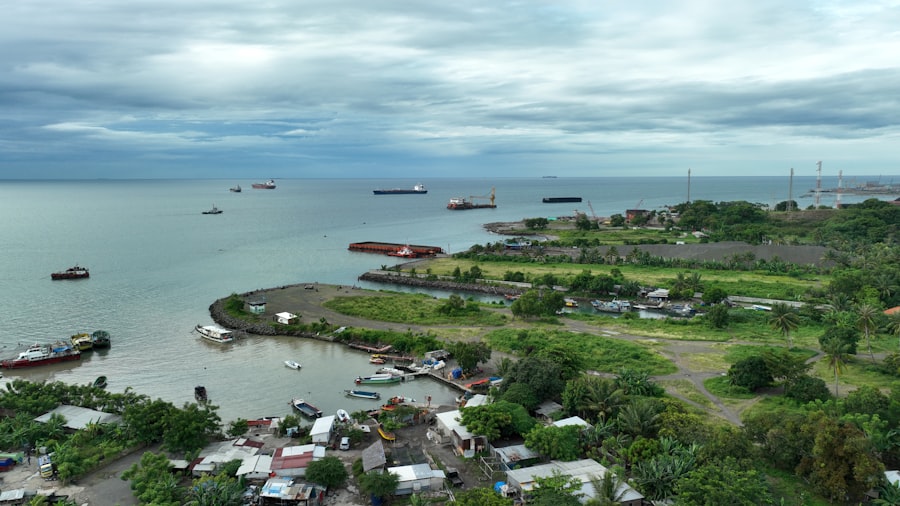
The environmental implications of closing the Strait of Malacca are profound and multifaceted. The strait is home to diverse marine ecosystems that could be severely impacted by changes in shipping patterns and increased maritime traffic in alternative routes. If vessels were to divert around longer paths, there would be heightened risks of oil spills and other forms of pollution in previously less-trafficked waters.
Such environmental disasters could devastate local marine life and disrupt fishing industries that many coastal communities depend on for their livelihoods. Additionally, increased shipping traffic in alternative routes could lead to overfishing and habitat destruction as vessels seek new fishing grounds. The ecological balance in these areas could be disrupted, leading to long-term consequences for biodiversity.
The potential for increased maritime accidents also looms large; as ships navigate through more congested or challenging waters, the likelihood of collisions or groundings rises significantly. The environmental degradation resulting from these factors could have lasting impacts on both local ecosystems and global biodiversity.
Geopolitical Ramifications
The geopolitical landscape surrounding the Strait of Malacca is complex and fraught with tension. The strait’s closure would not only disrupt trade but also alter power dynamics in Southeast Asia and beyond. Countries that rely heavily on this passage for their energy supplies would find themselves at a strategic disadvantage, potentially leading to increased tensions among nations vying for control over alternative routes or resources.
This shift could exacerbate existing rivalries, particularly between major powers like China and India, both of which have vested interests in maintaining access to this critical waterway. Moreover, the closure could prompt nations to bolster their military presence in the region as they seek to secure their interests. Increased naval deployments and military exercises could heighten tensions and lead to an arms race among regional powers.
The potential for conflict over access to alternative shipping routes or resources could destabilize an already volatile region. In this context, the Strait of Malacca serves not only as a vital trade route but also as a flashpoint for geopolitical rivalries that could have far-reaching implications for global stability.
Shipping Disruptions
| Impact Area | Details | Estimated Metrics |
|---|---|---|
| Global Oil Supply | Approximately 15-20 million barrels per day of oil pass through the Strait, accounting for about one-third of global seaborne oil trade. | 15-20 million barrels/day disrupted |
| Shipping Traffic | Over 50,000 vessels transit annually, including oil tankers, container ships, and bulk carriers. | ~50,000 vessels/year affected |
| Trade Volume | About 25% of global traded goods by volume pass through the Strait. | ~25% global trade volume impacted |
| Alternative Routes | Rerouting via Lombok Strait or around the Cape of Good Hope increases transit time and costs. | Transit time increase: 7-14 days Cost increase: 20-50% |
| Economic Impact | Increased shipping costs and delays can lead to higher prices for goods globally and regional economic disruptions. | Global trade cost increase: 5-10% Regional GDP impact: Significant in Southeast Asia |
| Security Concerns | Closure could increase geopolitical tensions and piracy risks in alternative routes. | Increased piracy incidents: +30% in alternative routes |
The ramifications of closing the Strait of Malacca would manifest most immediately in shipping disruptions. With a significant portion of global trade reliant on this narrow passage, any obstruction would lead to chaos in maritime logistics. Shipping companies would face unprecedented challenges as they scramble to reroute vessels, leading to delays and increased transit times.
The ripple effects would be felt across various industries, from manufacturing to retail, as delays in receiving goods translate into lost revenue and dissatisfied customers. In addition to logistical challenges, shipping disruptions would likely result in increased freight rates as companies seek to offset higher operational costs associated with longer routes. This increase would not only affect businesses but also consumers who would bear the brunt of rising prices for goods and services.
The interconnected nature of global supply chains means that disruptions in one area can have cascading effects elsewhere, leading to widespread economic instability. As companies adapt to these challenges, they may also reconsider their supply chain strategies, potentially leading to long-term shifts in global trade patterns.
Alternative Routes

In light of potential disruptions in the Strait of Malacca, discussions about alternative shipping routes have gained prominence.
One prominent alternative is the route around the Cape of Good Hope, which offers a longer passage but avoids the congested waters of the strait.
However, this route significantly increases transit times and costs, making it less appealing for time-sensitive shipments. Another option being explored is the Northern Sea Route along Russia’s Arctic coast, which has become more navigable due to climate change. While this route offers a shorter distance between Europe and Asia during certain months, it presents challenges related to ice conditions and geopolitical tensions in Arctic waters.
Additionally, infrastructure along this route is still developing, which may hinder its viability as a consistent alternative. Ultimately, while alternative routes exist, they may not provide a feasible solution to the challenges posed by closing the Strait of Malacca.
Security Concerns
The security implications surrounding the Strait of Malacca are significant and multifaceted. The strait has long been a hotspot for piracy and maritime crime due to its narrowness and heavy traffic. A closure or disruption could exacerbate these security concerns as nations scramble to protect their interests in alternative routes or resources.
Increased naval presence in these areas may lead to heightened tensions among regional powers, raising the risk of confrontations or miscalculations. Moreover, the potential for terrorist activities targeting shipping vessels or infrastructure cannot be overlooked. As nations become more desperate to secure their energy supplies and trade routes, they may become more vulnerable to extremist groups seeking to exploit these vulnerabilities.
The security landscape surrounding maritime trade is complex; any disruption could lead to an escalation in threats that further complicate efforts to maintain safe passage for vessels.
Regional Cooperation
In response to the potential challenges posed by closing the Strait of Malacca, regional cooperation becomes paramount. Countries bordering the strait have historically recognized its importance and have engaged in collaborative efforts to ensure its security and accessibility. Initiatives aimed at enhancing maritime security through joint patrols and information sharing have been implemented to combat piracy and other threats.
Furthermore, regional organizations such as ASEAN (Association of Southeast Asian Nations) play a crucial role in fostering dialogue among member states regarding maritime issues. Collaborative frameworks can help address shared concerns about security and environmental protection while promoting economic stability in the region. By working together, nations can develop strategies that mitigate risks associated with potential disruptions in this vital waterway.
International Response
The international community’s response to potential disruptions in the Strait of Malacca will be critical in shaping outcomes on both regional and global scales. Major powers with vested interests in maintaining open trade routes will likely engage diplomatically to address concerns surrounding security and access. Multilateral forums may emerge as platforms for dialogue among nations seeking solutions that prioritize stability while safeguarding economic interests.
Additionally, international organizations such as the United Nations may play a role in facilitating discussions on maritime security and environmental protection in light of potential disruptions. Collaborative efforts among nations can help establish norms and frameworks that promote safe navigation while addressing shared challenges related to piracy, environmental degradation, and geopolitical tensions.
Long-Term Implications
The long-term implications of closing the Strait of Malacca extend beyond immediate economic disruptions; they encompass broader shifts in global trade dynamics and geopolitical relationships. As nations adapt to new realities shaped by potential closures or disruptions, they may reevaluate their reliance on traditional trade routes and explore diversification strategies that enhance resilience against future shocks. Moreover, changes in shipping patterns could lead to shifts in investment priorities as countries seek to develop infrastructure along alternative routes or enhance their naval capabilities for securing maritime interests.
These transformations may reshape regional alliances and influence global power dynamics as nations jockey for position amid evolving trade landscapes.
Preparing for the Future
In light of potential challenges posed by closing the Strait of Malacca, proactive measures are essential for preparing for an uncertain future. Governments must invest in enhancing maritime security capabilities while fostering regional cooperation among neighboring countries. Developing contingency plans that address potential disruptions can help mitigate risks associated with supply chain vulnerabilities.
Furthermore, businesses should consider diversifying their supply chains and exploring alternative sourcing strategies that reduce dependence on any single route or region. By adopting a forward-thinking approach that prioritizes resilience and adaptability, nations and industries can better navigate the complexities of an increasingly interconnected world while safeguarding their economic interests against potential disruptions in critical maritime passages like the Strait of Malacca.
The closure of the Strait of Malacca would have significant implications for global trade, as it is one of the busiest maritime routes in the world. For a deeper understanding of the potential consequences and geopolitical ramifications of such an event, you can read more in this related article: What Happens If the Strait of Malacca Closes?. This article explores the economic impacts and alternative routes that might be considered in the event of a closure.
WATCH THIS! 🌍 THE $15 TRILLION GAMBLE: What Happens If The Strait of Malacca Closes For One Week?
FAQs
What is the Strait of Malacca?
The Strait of Malacca is a narrow, 890-kilometer-long waterway between the Malay Peninsula and the Indonesian island of Sumatra. It is one of the most important shipping lanes in the world, connecting the Indian Ocean to the South China Sea and the Pacific Ocean.
Why is the Strait of Malacca important for global trade?
The Strait of Malacca is a critical maritime route through which approximately 25% of the world’s traded goods pass, including a significant portion of the world’s oil shipments. It serves as the shortest sea route between the Middle East and East Asia, making it vital for international shipping and energy supplies.
What would happen if the Strait of Malacca closes?
If the Strait of Malacca were to close, global shipping routes would be severely disrupted. Ships would need to take longer alternative routes, such as around the southern tip of Indonesia via the Sunda Strait or through the Lombok Strait, increasing transit times and shipping costs. This could lead to delays in the delivery of goods and higher prices for consumers.
How would the closure affect oil supply?
The closure of the Strait of Malacca would significantly impact the supply of oil to East Asian countries, as a large percentage of their oil imports pass through this strait. Alternative routes are longer and less efficient, potentially causing supply shortages and increased energy prices.
What are the potential causes of a closure of the Strait of Malacca?
Potential causes for closure include natural disasters such as earthquakes or tsunamis, geopolitical conflicts, piracy, or accidents like large vessel groundings that block the narrow channel.
Are there alternative routes if the Strait of Malacca closes?
Yes, alternative routes include the Sunda Strait and Lombok Strait, but these are longer and less navigable for large vessels. Another alternative is the longer route around the southern tip of Australia, which significantly increases travel time and costs.
How do countries prepare for a possible closure of the Strait of Malacca?
Countries and shipping companies maintain strategic reserves of oil and goods, develop alternative shipping routes, and invest in regional security to prevent piracy and conflicts. Some nations also explore infrastructure projects like pipelines and rail links to bypass the strait.
What is the impact on regional economies if the Strait of Malacca closes?
Regional economies, especially those heavily reliant on maritime trade such as Singapore, Malaysia, and Indonesia, would face economic disruptions. Increased shipping costs and delays could affect manufacturing, exports, and imports, potentially slowing economic growth.
Is the Strait of Malacca vulnerable to piracy?
Yes, the Strait of Malacca has historically been vulnerable to piracy due to its narrowness and heavy traffic. However, coordinated regional security efforts have significantly reduced piracy incidents in recent years.
How long could a closure of the Strait of Malacca last?
The duration of a closure would depend on the cause. For example, a natural disaster might cause temporary blockage lasting days to weeks, while geopolitical conflicts or major accidents could result in longer closures. The strait’s narrowness means that even a single large vessel grounding can cause significant delays.