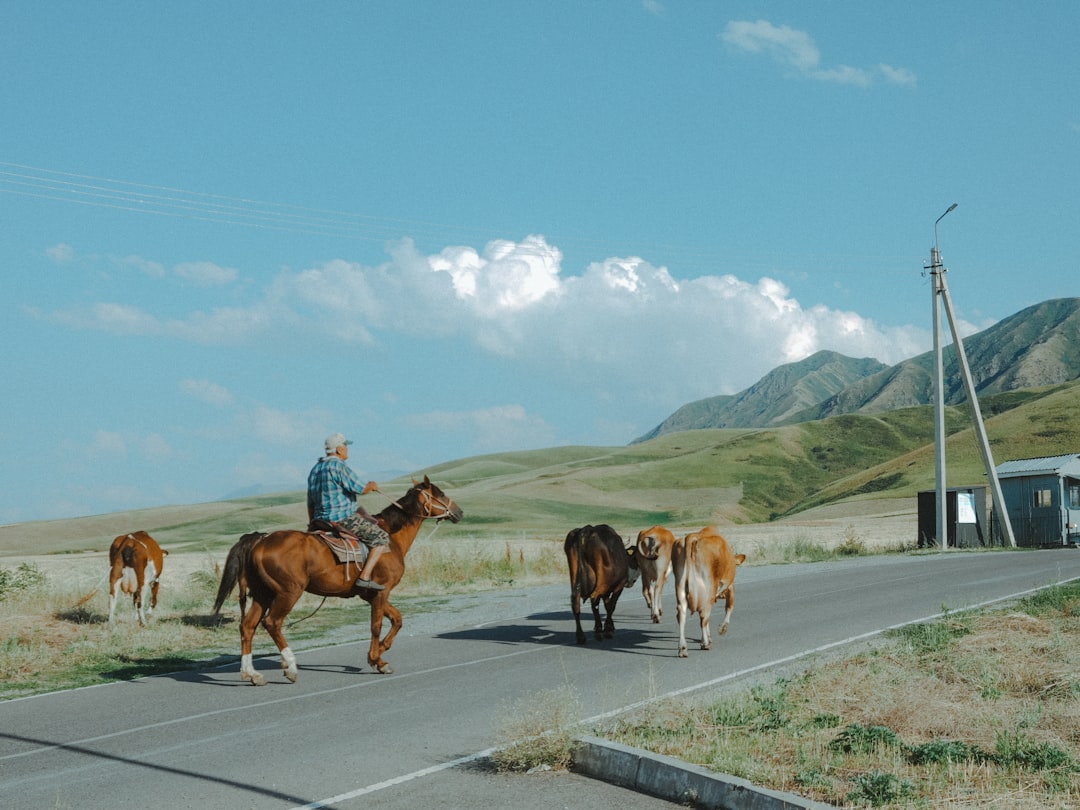
Nomadic life in Tibet is a unique and enduring way of existence that has captivated the imagination of many. For centuries, Tibetan nomads have roamed the vast, rugged landscapes of the Tibetan Plateau, herding yaks, sheep, and goats across the high-altitude grasslands. This lifestyle is not merely a means of survival; it is deeply intertwined with the cultural identity and spiritual beliefs of the Tibetan people.
The nomadic communities, often referred to as “pastoralists,” have developed a profound relationship with their environment, adapting to the harsh conditions of the region while maintaining their traditions and customs. The nomadic way of life in Tibet is characterized by its mobility and adaptability. These communities typically migrate seasonally, moving their herds to access fresh pastures and water sources.
This cyclical movement is not only practical but also reflects a deep understanding of the land and its rhythms. The nomads’ connection to their animals and the natural world is central to their identity, shaping their social structures, rituals, and even their worldview. As globalization and modernization encroach upon traditional lifestyles, the resilience of Tibetan nomads becomes increasingly significant in preserving their heritage and way of life.
Key Takeaways
- Nomadic life in Tibet has a rich historical and cultural significance, deeply rooted in the traditional practices and knowledge of the Tibetan people.
- Nomadic communities in Tibet face environmental and economic challenges, including land degradation and limited access to modern resources and markets.
- Government policies and initiatives have a significant impact on nomadic life in Tibet, influencing land use, resource management, and economic opportunities for the communities.
- Climate change is increasingly affecting nomadic life in Tibet, leading to challenges such as unpredictable weather patterns and loss of traditional grazing lands.
- The changing livelihoods and economic opportunities for nomadic communities in Tibet are shaping their integration into modern society and impacting their cultural and social dynamics.
Historical and Cultural Significance of Nomadic Life in Tibet
The historical roots of nomadic life in Tibet can be traced back thousands of years, with evidence suggesting that pastoralism has been a fundamental aspect of Tibetan culture since ancient times. The nomads’ practices are steeped in rich traditions that reflect their deep spiritual beliefs and connection to the land. For instance, many nomadic communities engage in rituals that honor the spirits of the mountains and the animals they depend on for sustenance.
These practices not only serve to reinforce community bonds but also highlight the symbiotic relationship between the nomads and their environment. Culturally, Tibetan nomads have contributed significantly to the broader tapestry of Tibetan identity. Their unique dialects, folklore, music, and art forms are distinct yet integral to the overall cultural landscape of Tibet.
The nomadic lifestyle has fostered a sense of community and shared identity among its practitioners, with gatherings and festivals serving as vital occasions for social interaction and cultural expression. As custodians of ancient knowledge and traditions, nomadic communities play a crucial role in preserving the rich heritage of Tibet amidst the challenges posed by modernity.
Environmental and Economic Challenges Faced by Nomadic Communities

Despite their resilience, Tibetan nomads face numerous environmental and economic challenges that threaten their way of life. Climate change has emerged as a significant concern, leading to unpredictable weather patterns, diminishing pastureland, and water scarcity. The increasing frequency of droughts and extreme weather events has made it increasingly difficult for nomadic communities to sustain their herds, which are vital for their livelihoods.
As traditional grazing lands become less viable, many nomads find themselves struggling to adapt to these changing conditions. Economically, Tibetan nomads often grapple with limited access to markets and resources. Their remote locations can hinder their ability to sell livestock or other products, resulting in economic isolation.
Additionally, the encroachment of modern agricultural practices and infrastructure development has further diminished available grazing lands. As a result, many nomadic families are forced to seek alternative sources of income or abandon their traditional lifestyles altogether. This shift not only impacts their economic stability but also threatens the cultural practices that have defined their existence for generations.
Government Policies and Initiatives Affecting Nomadic Life in Tibet
| Government Policies and Initiatives Affecting Nomadic Life in Tibet | |
|---|---|
| Policy/Initiative | Description |
| Nomadic Settlement Policies | Government efforts to settle nomadic communities into permanent housing and discourage traditional nomadic lifestyle. |
| Grassland Protection Policies | Measures to protect grasslands and limit grazing activities, impacting traditional nomadic livelihoods. |
| Rural Development Programs | Initiatives aimed at improving infrastructure, education, and healthcare in rural areas, including nomadic communities. |
| Poverty Alleviation Projects | Efforts to reduce poverty among nomadic populations through targeted projects and support. |
Government policies in Tibet have had a profound impact on the lives of nomadic communities. In recent decades, various initiatives aimed at modernizing agriculture and promoting economic development have led to significant changes in land use and resource management. While some policies have sought to improve living conditions for nomads by providing access to education and healthcare, they have also resulted in restrictions on traditional grazing practices.
These changes can create tension between the desire for modernization and the need to preserve traditional ways of life. In some cases, government resettlement programs have encouraged nomads to settle in permanent housing, often with promises of better access to services. However, these initiatives can inadvertently undermine the cultural identity of nomadic communities by disrupting their traditional practices and social structures.
The challenge lies in finding a balance between development and preservation, ensuring that nomadic communities can thrive while maintaining their unique cultural heritage.
Impact of Climate Change on Nomadic Life in Tibet
Climate change poses an existential threat to nomadic life in Tibet, exacerbating existing challenges faced by these communities. Rising temperatures have led to accelerated glacial melt in the Himalayas, impacting water availability for both livestock and human consumption. Additionally, changing precipitation patterns have resulted in more frequent droughts and unpredictable weather events, making it increasingly difficult for nomads to plan their seasonal migrations effectively.
The consequences of climate change extend beyond immediate environmental impacts; they also affect social structures within nomadic communities. As resources become scarcer, competition for grazing land intensifies, leading to conflicts among herders. Furthermore, younger generations may be disillusioned by the hardships associated with traditional pastoralism, prompting them to seek opportunities in urban areas instead.
Changing Livelihoods and Economic Opportunities for Nomadic Communities
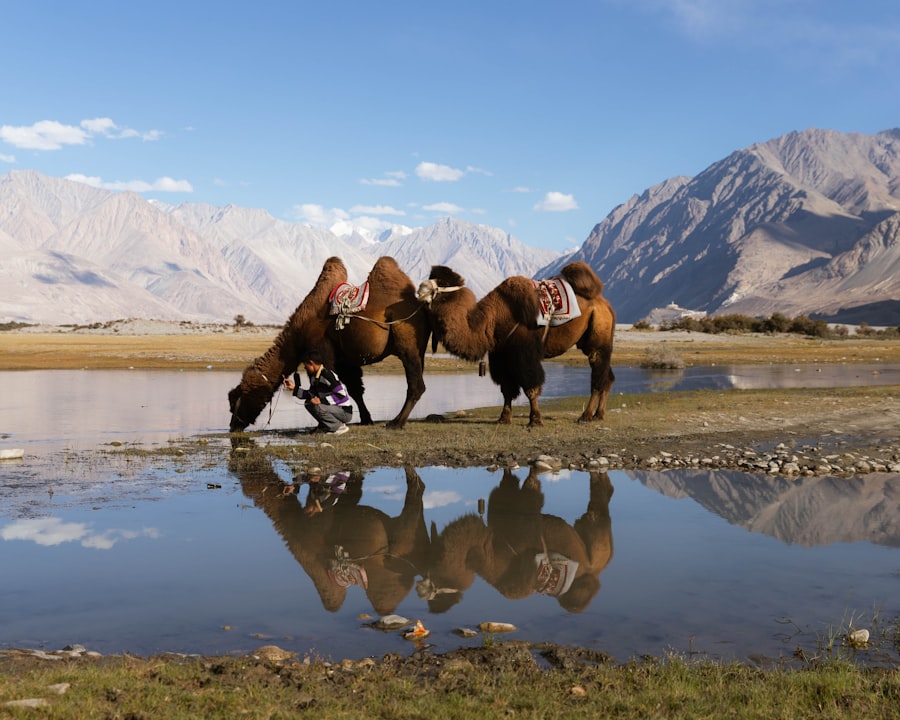
In response to the challenges posed by climate change and modernization, many Tibetan nomads are exploring new livelihoods and economic opportunities. Some communities have begun diversifying their income sources by engaging in eco-tourism or handicraft production, capitalizing on their unique cultural heritage and stunning landscapes. By welcoming visitors into their communities, nomads can share their way of life while generating income that supports both their families and local economies.
Additionally, some nomadic families are adopting sustainable practices that align with contemporary environmental concerns. For instance, initiatives promoting organic farming or sustainable livestock management can help preserve traditional grazing lands while providing alternative income streams. By blending traditional knowledge with modern techniques, nomads can adapt to changing circumstances while maintaining their cultural identity.
Education and Healthcare Access for Nomadic Communities
Access to education and healthcare remains a critical issue for many nomadic communities in Tibet. The remote locations of these communities often result in limited access to schools and medical facilities, hindering opportunities for children and families alike. While some government initiatives have aimed at improving access to education for nomadic children, challenges persist due to logistical difficulties associated with seasonal migrations.
Efforts to provide mobile schools or healthcare services have shown promise in addressing these barriers. By bringing education and medical care directly to nomadic communities during migration periods, these initiatives can help ensure that children receive an education while families maintain their traditional lifestyles. However, sustained investment and commitment from both government agencies and non-governmental organizations are essential to create lasting change.
Preservation of Traditional Nomadic Practices and Knowledge
The preservation of traditional nomadic practices and knowledge is vital for maintaining cultural identity among Tibetan pastoralists. As modernization encroaches upon their way of life, efforts to document and revitalize these practices become increasingly important. Initiatives aimed at recording oral histories, traditional songs, and rituals can help safeguard this rich cultural heritage for future generations.
Community-led efforts play a crucial role in this preservation process. By engaging younger generations in traditional practices such as herding techniques or crafting skills, nomads can foster a sense of pride in their heritage while ensuring its continuity. Additionally, collaboration with researchers and cultural organizations can facilitate knowledge exchange and promote awareness about the significance of preserving nomadic traditions.
Integration of Nomadic Communities into Modern Society
The integration of nomadic communities into modern society presents both opportunities and challenges. On one hand, increased connectivity through technology can provide access to information and resources that enhance livelihoods. On the other hand, there is a risk that integration may lead to cultural dilution or loss of traditional practices as younger generations navigate between two worlds.
Finding a harmonious balance between integration and preservation is essential for ensuring that nomadic communities can thrive in contemporary society without sacrificing their cultural identity. Initiatives that promote cultural exchange between nomads and settled populations can foster mutual understanding while highlighting the value of traditional knowledge within modern contexts.
Cultural and Social Impacts of Changing Nomadic Life in Tibet
The changing landscape of nomadic life in Tibet has profound cultural and social implications for these communities. As younger generations increasingly migrate to urban areas in search of better opportunities, traditional social structures may begin to erode. The loss of communal ties can lead to feelings of isolation among those who remain in rural areas, impacting mental health and overall well-being.
Moreover, as cultural practices evolve in response to external influences, there is a risk that unique aspects of Tibetan nomadic culture may be lost or transformed beyond recognition. Efforts to document these changes through oral histories or artistic expressions can provide valuable insights into how nomadic life is adapting while also serving as a means of preserving cultural heritage.
Future Prospects for Nomadic Life in Tibet
The future prospects for nomadic life in Tibet remain uncertain amid ongoing environmental changes and socio-economic pressures. However, there is potential for resilience through adaptation and innovation within these communities. By embracing sustainable practices that align with contemporary environmental concerns while preserving traditional knowledge, Tibetan nomads can carve out a path forward that honors their heritage.
Collaboration between government agencies, non-governmental organizations, and local communities will be crucial in supporting this transition.
In conclusion, while the challenges facing Tibetan nomads are significant, there remains hope for a future where traditional practices coexist with modern opportunities.
Through resilience, adaptation, and collaboration, these communities can navigate the complexities of contemporary life while preserving the rich cultural heritage that defines them.
Nomadic life in Tibet has undergone significant changes in recent years, influenced by various socio-economic factors and government policies. For a deeper understanding of these transformations, you can read the article on this topic at this link. The article explores how traditional practices are adapting to modern challenges while highlighting the resilience of Tibetan nomads in preserving their cultural identity amidst change.
WATCH THIS! Tibet’s Emptiness Is No Accident
FAQs
What is the traditional nomadic life in Tibet like?
The traditional nomadic life in Tibet is characterized by herding yaks and sheep, living in yak hair tents, and moving with the seasons to find fresh pasture for their animals.
How is nomadic life in Tibet changing?
Nomadic life in Tibet is changing due to government policies aimed at settling nomads, environmental degradation, and economic opportunities in urban areas.
What are the reasons for the changes in nomadic life in Tibet?
The changes in nomadic life in Tibet are primarily driven by government policies to modernize and develop the region, as well as environmental concerns related to overgrazing and climate change.
What are the impacts of these changes on the nomadic communities in Tibet?
The impacts of these changes on nomadic communities in Tibet include loss of traditional livelihoods, cultural erosion, and challenges in adapting to a more sedentary lifestyle.
How are nomadic communities in Tibet adapting to these changes?
Nomadic communities in Tibet are adapting to these changes by seeking alternative livelihoods, engaging in tourism-related activities, and advocating for their rights and preservation of their traditional way of life.