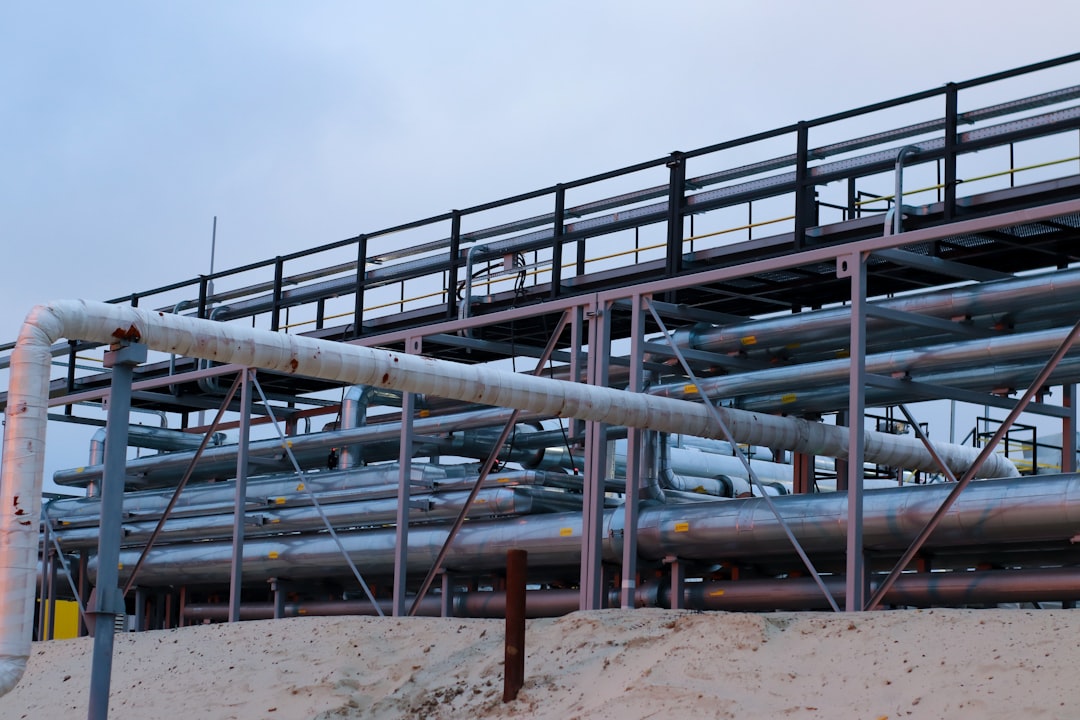
The Fujairah Pipeline, a significant infrastructure project in the United Arab Emirates, serves as a vital conduit for transporting crude oil from the oil-rich fields of Abu Dhabi to the Port of Fujairah on the eastern coast.
By providing an alternative route for oil exports, the Fujairah Pipeline enhances the UAE’s energy security and contributes to the stability of global oil markets.
Since its completion in 2012, the Fujairah Pipeline has played a crucial role in facilitating the uninterrupted flow of oil, particularly during periods of heightened regional instability. The pipeline’s capacity to transport up to 1.5 million barrels of oil per day underscores its importance not only to the UAE but also to international energy consumers. As global demand for oil continues to fluctuate, the Fujairah Pipeline stands as a testament to the UAE’s commitment to maintaining its position as a leading oil exporter while navigating the complexities of an ever-changing geopolitical landscape.
Key Takeaways
- The Fujairah Pipeline is a crucial infrastructure project for the United Arab Emirates, designed to transport oil from Abu Dhabi to the port of Fujairah.
- Geopolitical challenges, including tensions in the region and potential sabotage, pose a threat to the security and stability of the pipeline.
- Environmental concerns surrounding the pipeline include the risk of oil spills and the impact on marine life in the Gulf of Oman.
- Technical difficulties such as corrosion and maintenance issues require ongoing attention to ensure the pipeline operates efficiently and safely.
- Security risks, including the threat of terrorist attacks and piracy, must be carefully managed to protect the pipeline and its operations.
Geopolitical Challenges
The geopolitical landscape surrounding the Fujairah Pipeline is fraught with challenges that can impact its operation and significance. The Strait of Hormuz, through which a substantial portion of the world’s oil supply is transported, has been a hotspot for military tensions and political disputes. Any disruption in this critical waterway can have far-reaching consequences for global oil prices and supply chains.
The existence of the Fujairah Pipeline mitigates some of these risks by providing an alternative route, yet it does not eliminate the geopolitical uncertainties that persist in the region. Moreover, regional rivalries and conflicts can pose additional challenges for the pipeline’s operations. The UAE’s relationships with neighboring countries, particularly Iran, are often strained due to historical grievances and competing interests.
These tensions can lead to threats against critical infrastructure, including pipelines. As such, the Fujairah Pipeline must navigate not only the physical challenges of transporting oil but also the intricate web of political dynamics that can influence its security and functionality.
Environmental Concerns
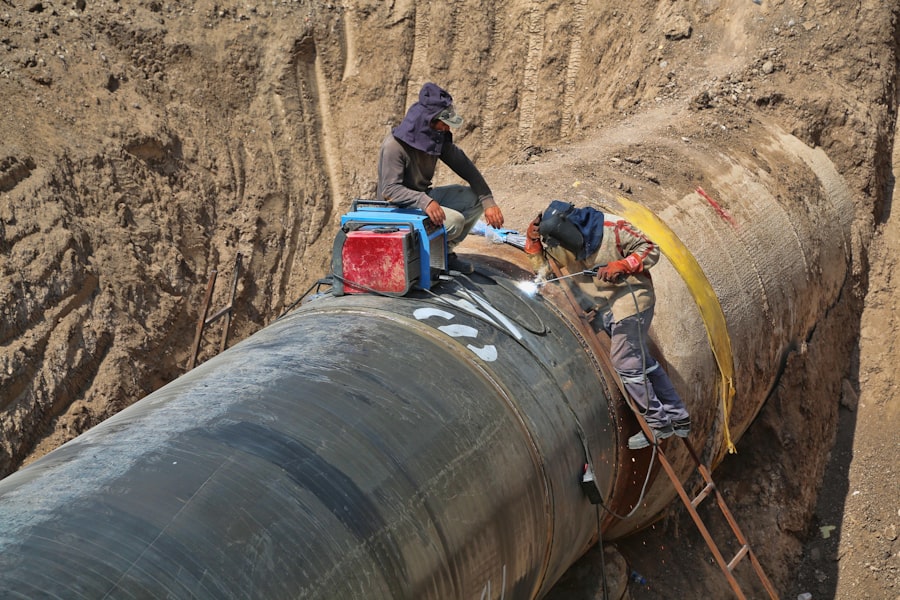
Environmental considerations are paramount when discussing large-scale infrastructure projects like the Fujairah Pipeline. The construction and operation of such pipelines can have significant ecological impacts, particularly in sensitive coastal and marine environments. Concerns about potential oil spills, habitat disruption, and water quality degradation are at the forefront of discussions surrounding the pipeline’s environmental footprint.
The UAE has made strides in implementing measures to mitigate these risks, but the potential for accidents remains a pressing issue. Furthermore, as global awareness of climate change intensifies, there is increasing scrutiny on fossil fuel infrastructure. The Fujairah Pipeline, while essential for current energy needs, faces criticism from environmental advocates who argue for a transition towards renewable energy sources.
Technical Difficulties
| Issue | Frequency | Impact |
|---|---|---|
| Server Downtime | 3 times per month | High, affects all users |
| Software Bugs | 10 bugs reported per week | Medium, affects specific features |
| Network Outage | 2 outages per quarter | High, disrupts all online operations |
The technical aspects of operating a pipeline like Fujairah’s are complex and require meticulous planning and execution. From construction challenges to ongoing maintenance, various technical difficulties can arise throughout the pipeline’s lifecycle. The terrain through which the pipeline runs presents unique challenges, including geological variations and potential natural hazards such as earthquakes or landslides.
Engineers must account for these factors during both construction and operation to ensure the pipeline’s integrity and safety. Additionally, technological advancements play a crucial role in enhancing pipeline efficiency and safety. The implementation of advanced monitoring systems allows operators to detect leaks or irregularities in real-time, minimizing potential risks.
However, integrating new technologies into existing infrastructure can be a daunting task that requires significant investment and expertise. As such, addressing technical difficulties is an ongoing process that demands collaboration among engineers, environmental scientists, and regulatory bodies.
Security Risks
Security risks associated with the Fujairah Pipeline are multifaceted and require constant vigilance. Given its strategic importance in global oil supply chains, the pipeline is a potential target for sabotage or terrorist attacks. The geopolitical tensions in the region exacerbate these risks, as hostile actors may seek to disrupt oil flows as a means of exerting pressure on governments or influencing international markets.
As a result, securing the pipeline against potential threats is paramount for both national security and economic stability. To mitigate these security risks, the UAE has invested heavily in surveillance and protection measures around critical infrastructure. This includes deploying advanced technology for monitoring and rapid response capabilities to address any incidents that may arise.
However, despite these efforts, the ever-evolving nature of security threats necessitates continuous assessment and adaptation of strategies to safeguard the pipeline effectively.
Economic Implications
The economic implications of the Fujairah Pipeline extend beyond its immediate operational capacity; they resonate throughout regional and global markets. By providing an alternative route for oil exports, the pipeline enhances the UAE’s ability to respond to fluctuations in global demand and supply dynamics. This flexibility is crucial for maintaining stable oil prices and ensuring that consumers have access to energy resources without significant disruptions.
Moreover, the pipeline contributes to job creation and economic development within Fujairah and surrounding areas. The construction and ongoing maintenance of such infrastructure generate employment opportunities across various sectors, from engineering to logistics. Additionally, increased oil exports can bolster government revenues, allowing for further investment in public services and infrastructure development.
However, reliance on fossil fuel exports also raises questions about long-term economic sustainability as global energy consumption patterns shift towards renewable sources.
Local Community Impact
The local communities surrounding the Fujairah Pipeline experience both positive and negative impacts from its presence. On one hand, the pipeline has stimulated economic growth by creating jobs and attracting investment in related industries. Local businesses benefit from increased demand for goods and services associated with pipeline operations, contributing to overall community development.
Furthermore, infrastructure improvements linked to the pipeline can enhance transportation networks and public services in the region. Conversely, there are concerns about potential negative effects on local communities. Environmental risks associated with pipeline operations can lead to apprehension among residents regarding their health and safety.
Oil spills or leaks could have devastating consequences for local ecosystems and livelihoods dependent on fishing or tourism. As such, it is essential for stakeholders to engage with local communities transparently and address their concerns while promoting economic benefits.
Regulatory Hurdles
Navigating regulatory hurdles is a critical aspect of operating the Fujairah Pipeline effectively. The complex web of local, national, and international regulations governing oil transportation requires compliance with stringent safety standards and environmental protections. Obtaining necessary permits and approvals can be a lengthy process that involves multiple stakeholders, including government agencies and environmental organizations.
Moreover, regulatory frameworks are continually evolving in response to changing societal expectations regarding environmental sustainability and energy consumption. As public awareness of climate change grows, there is increasing pressure on governments to implement stricter regulations on fossil fuel infrastructure. This dynamic environment necessitates that operators remain agile and proactive in adapting to new regulatory requirements while ensuring compliance with existing laws.
Maintenance and Upkeep
The maintenance and upkeep of the Fujairah Pipeline are vital for ensuring its long-term functionality and safety. Regular inspections and maintenance activities are essential to identify potential issues before they escalate into significant problems. This includes monitoring for corrosion, leaks, or structural weaknesses that could compromise the integrity of the pipeline.
Investing in maintenance not only prolongs the lifespan of the infrastructure but also enhances operational efficiency. Advanced technologies such as smart sensors and drones are increasingly being utilized to conduct inspections more effectively and safely. However, these innovations require ongoing investment in training personnel and upgrading equipment to keep pace with technological advancements.
International Relations
The Fujairah Pipeline plays a role in shaping international relations within the context of global energy dynamics. As countries seek to secure their energy supplies amidst geopolitical uncertainties, pipelines like Fujairah’s become critical assets that influence diplomatic relations between nations. The UAE’s ability to provide an alternative route for oil exports enhances its standing as a reliable partner in energy security.
However, this reliance on fossil fuel infrastructure also complicates international relations as countries grapple with their commitments to reducing carbon emissions and transitioning towards renewable energy sources. The future of pipelines like Fujairah’s will depend not only on regional stability but also on how nations navigate their energy policies in an increasingly interconnected world.
Future Outlook for the Fujairah Pipeline
The future outlook for the Fujairah Pipeline is shaped by various factors that will influence its role in regional and global energy markets. As demand for oil continues to evolve amidst growing concerns about climate change, there may be increased pressure on fossil fuel infrastructure to adapt or transition towards more sustainable practices. This could involve integrating renewable energy sources or investing in carbon capture technologies to mitigate environmental impacts.
Additionally, geopolitical developments will play a significant role in determining the pipeline’s viability as an alternative route for oil exports. Ongoing tensions in the region may necessitate further investments in security measures or diplomatic efforts to ensure stability around critical infrastructure. Ultimately, while the Fujairah Pipeline remains an essential asset for the UAE’s energy strategy today, its future will depend on how effectively stakeholders address emerging challenges while embracing opportunities for innovation and sustainability in an evolving energy landscape.
The UAE Fujairah pipeline, designed to bypass the strategic Strait of Hormuz, has been a critical infrastructure project aimed at ensuring the uninterrupted flow of oil exports. However, the pipeline faces certain limitations, such as capacity constraints and geopolitical vulnerabilities. For a deeper understanding of the geographical and strategic implications of such infrastructure projects, you can explore a related article on MyGeoQuest, which provides insights into the challenges and opportunities associated with energy transportation routes in the region.
WATCH THIS! One Narrow Strait Holds Global Economy Hostage
FAQs
What are the limitations of the UAE Fujairah pipeline?
The UAE Fujairah pipeline has limitations in terms of its capacity to transport oil and gas due to its size and design.
What is the capacity of the UAE Fujairah pipeline?
The UAE Fujairah pipeline has a limited capacity of transporting oil and gas, which can lead to constraints in meeting the demand for transportation of these resources.
What are the implications of the limitations of the UAE Fujairah pipeline?
The limitations of the UAE Fujairah pipeline can impact the ability to efficiently transport oil and gas, leading to potential delays and increased costs in the transportation process.
How does the UAE Fujairah pipeline impact the oil and gas industry in the region?
The limitations of the UAE Fujairah pipeline can affect the overall efficiency and reliability of transporting oil and gas, which can have implications for the oil and gas industry in the region.
Are there any plans to address the limitations of the UAE Fujairah pipeline?
There may be plans to address the limitations of the UAE Fujairah pipeline, such as potential expansion or upgrades to increase its capacity and improve its efficiency in transporting oil and gas.