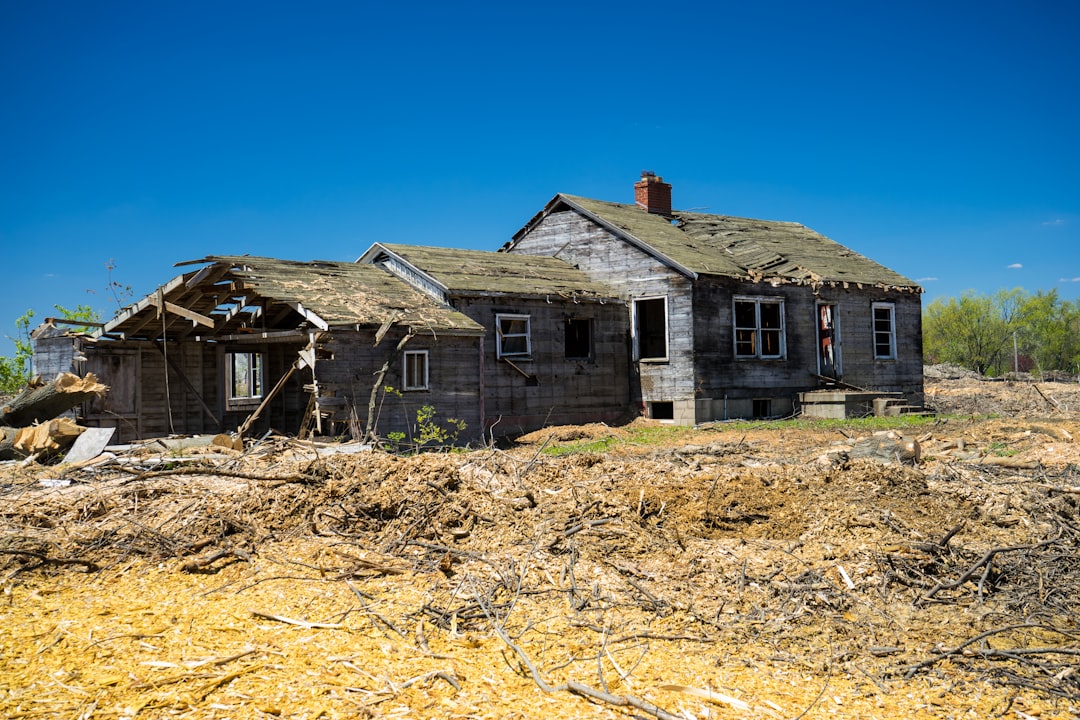
The shimmering expanse of the Caspian Sea, once a magnet for investment and aspiration, is now a tableau of economic distress for its coastal regions. Property values along the Caspian shoreline, in a dramatic and, for many, devastating turn of events, are experiencing a significant and sustained collapse. What were once considered prime real estate opportunities, promising lucrative returns and idyllic lifestyles, have become liabilities. This article examines the multifaceted factors contributing to this precipitous decline and assesses its wider implications.
The primary driver behind the erosion of Caspian shoreline property values is a complex interplay of macroeconomic forces, both regional and global. These forces have acted as a relentless tide, gradually but persistently undermining the foundation of the market.
Geopolitical Winds of Change
The geopolitical landscape surrounding the Caspian Sea has been a volatile and unpredictable force. The region is a mosaic of diverse political systems, historical rivalries, and competing national interests, all of which cast a long shadow over economic stability.
Resource Curse and Its Ramifications
The abundant natural resources, particularly oil and gas, which have historically fueled the economies of many Caspian littoral states, have also fostered a phenomenon often referred to as the “resource curse.” This curse manifests in a reliance on volatile commodity prices, hindering diversification and creating economic vulnerability. When global energy markets falter, the economic fortunes of these nations, and by extension their real estate markets, are directly impacted. Investors, sensing this instability, have become increasingly hesitant to commit capital to projects tied to such fluctuating income streams.
Regional Instability and Investor Confidence
Intermittent periods of regional tension, border disputes, and internal political uncertainties have also acted as significant deterrents to foreign and domestic investment. Prospective buyers and developers, seeking a stable environment to secure their assets and realize their ambitions, are often deterred by the specter of conflict or political upheaval. This pervasive sense of unease transforms promising investment opportunities into perceived risks, leading to a withdrawal of capital.
The Global Economic Climate: A Chilling Influence
The tremors of global economic fluctuations have not spared the Caspian coast. International financial crises, shifts in global trade patterns, and the broader economic sentiment of potential investors have profoundly shaped the fortunes of the region’s property market.
Interest Rate Hikes and the Cost of Capital
Globally, a prolonged period of rising interest rates has made borrowing more expensive. This directly impacts property development and investment, as the cost of financing large-scale projects or individual mortgages increases. For the Caspian shoreline, this means that potential buyers find it harder to secure affordable loans, and developers face higher expenses to construct new properties, thereby dampening demand and slowing down development.
Inflationary Pressures and Real Estate as a Safe Haven
While real estate is often considered a hedge against inflation, in periods of sustained high inflation, the purchasing power of many individuals is eroded. This can lead to a decrease in disposable income available for significant investments like property. Furthermore, in times of economic uncertainty, the traditional perception of real estate as a “safe haven” can be challenged, especially if the underlying economic fundamentals of the region are perceived as weak.
The recent concerns regarding the property value collapse on the Caspian shoreline have been highlighted in various discussions about environmental impacts and economic stability in the region. For a deeper understanding of the factors contributing to this decline, you can read a related article that explores the intricate relationship between climate change and real estate markets. Check it out here: related article.
The Crumbling Foundations: Local Market Dynamics
Beyond the broad macroeconomic strokes, specific dynamics within the Caspian shoreline property markets themselves have contributed significantly to the current woes. These local factors acted like localized storms, eroding the foundations of individual developments and entire sub-markets.
Over-Supply and Stagnant Demand: A Perfect Storm
A significant factor contributing to the collapse has been a period of rapid and, in hindsight, excessive development. Flush with the optimism of previous boom cycles, many coastal areas saw a proliferation of new residential complexes, hotels, and commercial spaces. This aggressive expansion, however, outpaced the actual demand for these properties.
The Echo Chamber of Past Success
Developers, having enjoyed substantial success in prior years, often did not adequately recalibrate their strategies to account for evolving market conditions. They operated within an echo chamber, assuming that past trends would continue indefinitely. This led to the construction of properties that did not align with current buyer needs or purchasing power.
A Glut of Unsold Inventory
The consequence of this over-development is a significant glut of unsold inventory. This surplus places immense pressure on prices, as developers scramble to offload their assets. Potential buyers, faced with an abundance of choices and falling prices, are empowered to negotiate aggressively, further driving down values. The market, once a seller’s paradise, has become a buyer’s wonderland, albeit a somewhat somber one.
Infrastructural Deficiencies and Accessibility Issues
While the allure of the Caspian Sea is undeniable, the practical realities of accessibility and supporting infrastructure have consistently lagged behind development aspirations, exacerbating the property value decline.
Disconnected Development: Islands in the Stream
Many new developments, particularly luxurious residential complexes and resorts, were often built in relative isolation, with inadequate road networks, public transportation, or essential services connecting them to established urban centers. This lack of seamless connectivity renders these properties less desirable for everyday living or even for regular vacation rentals. Potential buyers are left contemplating long and often inconvenient commutes, diminishing the perceived value of their investment.
Underdeveloped Social Amenities
Furthermore, the scarcity of essential social amenities, such as schools, healthcare facilities, and well-maintained public spaces, often characterizes these developing areas. A property’s true value is not solely derived from its physical structure but also from the quality of life it offers. The absence of these fundamental amenities makes the Caspian shoreline less attractive for families and individuals seeking a comprehensive and comfortable lifestyle, thus depressing property values.
The Ebbing Tide of Tourism: A Vital Economic Artery

The tourism sector, once a crucial engine for the economic vitality of Caspian shoreline properties, has experienced its own considerable headwinds, further contributing to the devaluation of real estate.
Shifting Tourist Preferences and Global Competition
The travel landscape is dynamic, with tourist preferences constantly evolving. While the Caspian Sea offers unique natural beauty and cultural experiences, it faces stiff competition from established and emerging tourist destinations worldwide.
The “Exotic” Factor Fades
What was once perceived as an exotic and relatively undiscovered destination has now been cataloged and is competing with a plethora of other “exotic” locales. Without significant investment in marketing and product differentiation, the initial allure can fade, leading to a decline in international tourist arrivals. This directly impacts demand for hotel rooms, holiday rentals, and related services, which in turn depresses the value of the properties that cater to this market.
The Rise of Alternative Destinations
Destinations with better developed infrastructure, more sophisticated marketing campaigns, and perceived greater value for money have increasingly captured the attention of potential tourists. The Caspian shoreline, in many instances, has struggled to keep pace with these evolving trends.
The Impact of Global Events on Travel and Leisure
Beyond specific destination trends, broader global events have had a profound impact on the travel and leisure industry, with cascading effects on coastal property values.
Pandemics and Travel Restrictions
The COVID-19 pandemic, for instance, brought international travel to a near standstill. While the immediate impact was temporary, the long-term effects on traveler confidence and the willingness to invest in properties reliant on a steady stream of tourists remain a concern. Periods of quarantine, flight cancellations, and general uncertainty about future travel have made owning property in a tourist-dependent region a more complex proposition.
Economic Downturns and Discretionary Spending
During periods of global economic downturn, discretionary spending on travel and leisure often takes a significant hit. This reduction in consumer spending directly translates to lower occupancy rates for hotels and rentals, diminishing the income potential for shoreline properties and thus lowering their market value.
The Speculative Bubble Bursts: A Dangerous Mirage
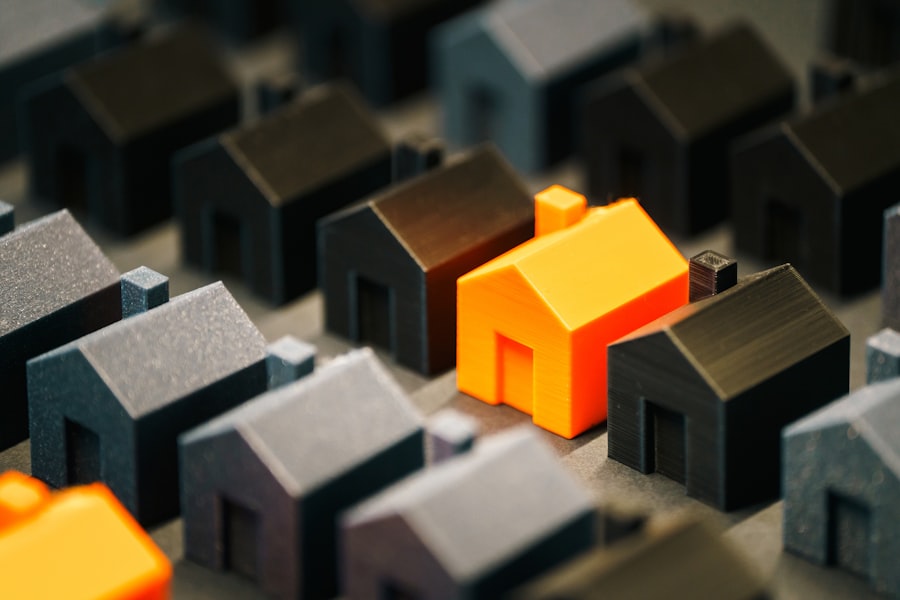
For a period, the Caspian shoreline property market was fueled by a significant amount of speculation, where the expectation of future price increases, rather than intrinsic value, drove investment. When this speculative bubble burst, the consequences were severe.
The Allure of Quick Profits
During periods of rapid economic growth and rising asset prices, the promise of quick and substantial profits can be intoxicating. Investors, often driven by FOMO (fear of missing out), piled into the market, inflating prices beyond their sustainable levels. This created a mirfage of perpetual growth.
The Role of Speculative Capital
A significant portion of the investment in Caspian shoreline property was not driven by a desire for long-term ownership or rental income but by the expectation of rapidly flipping properties for higher prices. This speculative capital, sensitive to any hint of a downturn, was the first to withdraw when the market began to falter, triggering a domino effect.
The Disconnect from Fundamentals
This speculative frenzy created a disconnect between property prices and the underlying economic fundamentals, such as rental yields, local employment, and the actual demand for housing. When the market inevitably corrected, the prices had to realign with these more realistic assessments of value.
The Unraveling of Investor Confidence
The bursting of a speculative bubble often leads to a complete erosion of investor confidence. What was once seen as a goldmine can quickly transform into a financial graveyard, scaring away both seasoned investors and new entrants.
The Psychological Impact of Losses
The significant financial losses incurred by many investors during the price collapse have a lasting psychological impact. This fear and distrust can linger for years, making it difficult for the market to recover, even when underlying economic conditions improve.
The Flight to Safety
In the absence of confidence, capital tends to flee to perceived “safe haven” assets, such as government bonds or established global markets. The Caspian shoreline, now perceived as a risky and volatile investment, is bypassed in this flight to safety.
The recent concerns surrounding the property value collapse on the Caspian shoreline have sparked interest in various related topics, including environmental changes and their impact on real estate. For a deeper understanding of these dynamics, you can explore an insightful article that discusses the broader implications of coastal erosion and climate change on property markets. This resource provides valuable context and can be found at MyGeoQuest, where you can learn more about the challenges facing coastal communities.
The Road Ahead: Navigating the Future of Caspian Shoreline Property
| Year | Average Property Value (per sq. meter) | Percentage Decline from Previous Year | Number of Properties Sold | Key Contributing Factors |
|---|---|---|---|---|
| 2018 | 1200 | – | 350 | Stable market conditions |
| 2019 | 1100 | 8.3% | 320 | Environmental concerns begin |
| 2020 | 900 | 18.2% | 280 | Rising pollution and water level changes |
| 2021 | 650 | 27.8% | 210 | Increased erosion and economic downturn |
| 2022 | 480 | 26.2% | 150 | Severe environmental degradation |
| 2023 | 400 | 16.7% | 120 | Ongoing ecological and market instability |
The collapse of Caspian shoreline property values presents a stark challenge, but also an opportunity for recalibration and sustainable growth. The path forward requires a pragmatic and strategic approach, acknowledging the lessons learned from the past.
Diversification Beyond Oil and Gas
A critical imperative for the long-term health of the Caspian region, and by extension its property markets, is diversification away from an over-reliance on oil and gas revenues. This involves fostering other sectors of the economy that can provide stable and sustainable employment and income.
Developing Sustainable Tourism Infrastructures
Investing in the development of robust and sustainable tourism infrastructures is paramount. This includes not only hotels and resorts but also eco-tourism initiatives, cultural heritage preservation, and the promotion of year-round attractions. A diversified tourism offering can attract a broader range of visitors and reduce dependence on seasonal fluctuations.
Fostering Technological and Industrial Growth
Encouraging the growth of technology hubs, manufacturing industries, and other non-extractive sectors can create new job opportunities and attract skilled labor, thereby increasing local demand for housing and commercial spaces. This economic diversification will provide a more stable foundation for property values.
Rebuilding Investor Confidence Through Transparency and Stability
Restoring investor confidence requires a concerted effort to build transparency, stability, and predictability within the region’s economic and legal frameworks.
Strengthening Regulatory Frameworks
Clear, consistent, and well-enforced regulatory frameworks for real estate transactions, property ownership, and investment are essential. This includes measures to prevent fraud, protect investor rights, and ensure fair market practices.
Enhancing Regional Cooperation and Diplomacy
Improved regional cooperation and diplomatic engagement among Caspian littoral states can foster a more stable and secure environment, attracting greater investment. Addressing geopolitical tensions and working collaboratively on shared economic interests will send a strong signal of stability to the global investment community.
Investing in Human Capital Development
Ultimately, the most valuable asset for any region is its people. Investing in education, skills training, and healthcare will create a skilled workforce capable of driving innovation and economic growth, making the Caspian shoreline a more attractive place to live and invest, not just for its natural beauty, but for its human potential. The journey back from this collapse will likely be long and arduous, but with a clear vision and a commitment to fundamental economic principles, the shores of the Caspian Sea may yet reclaim their appeal as a place of enduring value.
FAQs
What caused the property value collapse on the Caspian shoreline?
The property value collapse on the Caspian shoreline was primarily caused by environmental degradation, declining water levels in the Caspian Sea, and economic instability in the surrounding regions. These factors led to reduced demand and increased risk for real estate investments.
How has the declining water level of the Caspian Sea affected property values?
The declining water level has resulted in the loss of beachfront areas, increased soil salinity, and damage to local ecosystems. This environmental impact has made properties less attractive to buyers and investors, contributing to the collapse in property values.
Which areas along the Caspian shoreline have been most affected by the property value collapse?
Coastal regions in countries such as Kazakhstan, Russia, Azerbaijan, Iran, and Turkmenistan have experienced varying degrees of property value decline, with some low-lying and ecologically sensitive areas being the hardest hit.
What economic factors have contributed to the property value decline on the Caspian shoreline?
Economic factors include fluctuations in oil prices affecting regional economies, reduced foreign investment, and political instability. These have led to decreased development activity and lower demand for coastal properties.
Are there any efforts underway to stabilize or improve property values along the Caspian shoreline?
Yes, some governments and environmental organizations are working on initiatives to address environmental issues, promote sustainable development, and improve infrastructure. These efforts aim to restore confidence in the real estate market and stabilize property values over time.