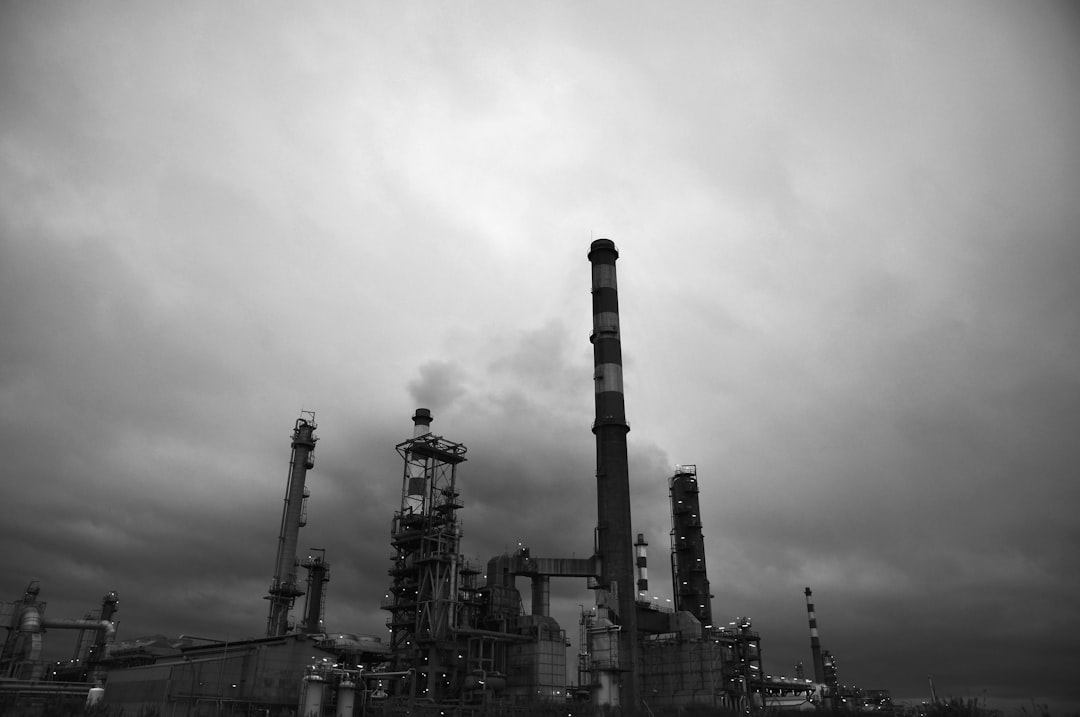
The Caspian Sea, a vast inland body of water bordering five nations, serves as a critical geopolitical and economic nexus. Its sovereign budgets, particularly for the littoral states, are intricately woven with the hydrocarbon resources that lie beneath its seabed. This article delves into the complex relationship between the Caspian Sea’s hydrocarbon wealth, the financial architectures of its bordering countries, and the inherent challenges and opportunities presented by this resource-rich environment.
Geological Formation and Hydrocarbon Genesis
The Caspian Sea’s geological history is a complex narrative of tectonic activity, basin formation, and prolonged sedimentary deposition. Over millions of years, the convergence of crustal plates, including the Eurasian and Arabian plates, created a subsiding basin that became a repository for organic-rich sediments. These sediments, subjected to immense pressure and heat deep within the Earth’s crust, underwent a process of maturation, transforming organic matter into vast reserves of oil and natural gas. This geological crucible has endowed the Caspian region with some of the world’s most significant untapped hydrocarbon deposits, forming the bedrock of its economic potential. The sheer scale of these reserves positions the Caspian as a vital player in the global energy landscape, a veritable treasure chest awaiting strategic extraction and responsible management.
Identified Reserves and Production Capabilities
Estimates of the Caspian Sea’s hydrocarbon reserves vary, but consensus points to substantial quantities of both oil and natural gas. The most prolific regions are concentrated in the northern and middle sections of the sea, particularly within the national waters of Azerbaijan, Kazakhstan, Turkmenistan, and Iran. Reserves are often categorized by their geological formations, with significant deposits found in both conventional reservoirs, characterized by permeable rock formations, and unconventional reserves, such as tight gas formations and deepwater fields. Producing countries have invested heavily in exploration and extraction infrastructure, including offshore platforms, pipelines, and processing facilities. While production has been increasing, particularly in Kazakhstan and Azerbaijan, the full potential of these reserves remains largely underexploited, a sleeping giant whose awakening could significantly alter regional and global energy dynamics. This untapped potential represents both an immense opportunity and a significant challenge for developing the necessary infrastructure and attracting investment.
Regional Distribution of Hydrocarbon Wealth
The distribution of hydrocarbon wealth within the Caspian Basin is not uniform. Kazakhstan and Azerbaijan, with their established offshore production capabilities and strategic export routes, are currently the dominant players in terms of production volume. Turkmenistan, though possessing vast gas reserves, faces greater challenges in developing its export infrastructure and accessing international markets. Iran, with its significant offshore potential, is constrained by geopolitical factors and international sanctions, limiting its ability to fully develop and monetize its hydrocarbon assets. Russia, while a Caspian littoral state with its own hydrocarbon resources, primarily focuses its extraction efforts on its vast onshore and Arctic reserves, with its Caspian output being a smaller component of its overall energy portfolio. This uneven distribution necessitates careful consideration of regional cooperation and equitable benefit-sharing to foster stability and prevent resource-driven conflicts.
The reliance of the Caspian Sea region on hydrocarbon resources has significant implications for its sovereign budgets, as highlighted in a related article that discusses the economic challenges and opportunities faced by countries in this area. The article delves into how fluctuations in oil prices impact national revenues and the strategic measures governments are taking to diversify their economies. For more insights on this topic, you can read the full article here: Caspian Sea Sovereign Budget and Hydrocarbon Reliance.
Sovereign Budgets: A Hydrocarbon Dependency
The Role of Hydrocarbon Revenues in National Income
For the Caspian littoral states, hydrocarbon revenues constitute a cornerstone of their national income. Oil and gas exports provide a substantial portion of their foreign exchange earnings, directly influencing their balance of payments and trade surpluses. These revenues are then channeled into government budgets, funding public services, infrastructure development, social programs, and national defense. The volatility of global energy prices creates a significant challenge, as a sharp decline in oil and gas prices can lead to fiscal deficits, requiring governments to implement austerity measures or resort to borrowing. This dependence makes these economies particularly susceptible to external economic shocks, acting like a ship heavily reliant on the prevailing wind, which can change direction at any moment. The sovereign budget becomes a barometer of global energy market sentiment, swinging with the fluctuations of crude oil and natural gas prices.
Budgetary Structures and Expenditure Patterns
The budgetary structures of Caspian nations often reflect their hydrocarbon reliance. A significant portion of government expenditure is typically allocated to sectors directly or indirectly supported by energy revenues, such as state-owned oil and gas companies, infrastructure projects related to energy extraction and transportation, and social welfare programs aimed at mitigating the impact of economic fluctuations. There is often a discernible pattern of increased spending during periods of high energy prices and a contraction during downturns, creating a boom-and-bust cycle that can hinder long-term economic planning and development. The challenge lies in diversifying revenue streams and creating fiscal buffers to insulate the economy from the inherent volatility of commodity markets. This means building a financial dam against the unpredictable tides of global energy prices.
Fiscal Management and Challenges of Volatility
Managing fiscal policies in countries heavily reliant on hydrocarbon revenues is a complex undertaking. Governments face the perpetual challenge of balancing immediate revenue needs with the imperative of long-term economic sustainability. This often involves difficult decisions regarding taxation, public spending, and currency management. The risk of the “Dutch disease” – where a booming natural resource sector leads to a decline in competitiveness in other sectors of the economy due to currency appreciation and resource misallocation – is a constant concern. Furthermore, ensuring transparency and accountability in the management of hydrocarbon revenues is crucial to prevent corruption and foster public trust. This requires robust governance frameworks and independent oversight mechanisms, acting as vigilant guardians of public funds.
Hydrocarbon Export Strategies and Infrastructure

The Importance of Export Routes
The safe and efficient export of Caspian hydrocarbons is paramount to realizing their economic potential. The sea’s landlocked nature necessitates complex and often politically sensitive pipeline projects and transportation networks to reach global markets. The development of these export routes has been a recurring theme in regional geopolitics, with various countries vying for influence and preferential access. The choice of export routes – whether westward towards Europe, southward towards the Persian Gulf, or eastward towards China – has significant implications for market access, pricing, and geopolitical leverage. Each pipeline is a vital artery, carrying the lifeblood of a nation’s economy to hungry global markets.
Major Export Pipelines and Their Geopolitical Significance
Several major pipeline projects have been developed or are under consideration to transport Caspian oil and gas. The Baku-Tbilisi-Ceyhan (BTC) oil pipeline, operational since 2006, has been instrumental in exporting Azerbaijani crude to Mediterranean markets, circumventing Russia. The Trans-Anatolian Pipeline (TANAP) and the Trans-Adriatic Pipeline (TAP), collectively known as the Southern Gas Corridor, are designed to transport Azerbaijani natural gas to Turkey and Europe, bolstering European energy security. Russia also plays a significant role in Caspian energy exports through its existing pipeline infrastructure. The development of these pipelines is not merely an engineering feat; it is a geopolitical chess game, with each pipeline representing a strategic move influencing regional power dynamics and international relations.
Challenges in Infrastructure Development and Diversification
Developing and maintaining the extensive infrastructure required for hydrocarbon exports presents significant challenges. These include high capital costs, technical complexities of offshore and onshore construction, environmental concerns, and navigating the intricate web of international agreements and security assurances. Furthermore, a reliance on a limited number of export routes can create vulnerabilities. Diversifying export destinations and routes is crucial for reducing dependence on any single market or transit country and for maximizing revenue potential. This requires continuous investment and strategic foresight, a constant endeavor to build more bridges to diverse markets.
Economic Diversification and the Future of Caspian Economies

The Need for a Post-Hydrocarbon Strategy
The long-term sustainability of Caspian economies hinges on their ability to diversify away from a sole reliance on hydrocarbon revenues. While oil and gas remain crucial, their finite nature and the growing global shift towards renewable energy sources necessitate a proactive approach to economic transformation. Nations must invest in developing non-hydrocarbon sectors, fostering innovation, and creating a more resilient economic base. This is akin to building multiple rafts before the inevitable departure of the main ship. Ignoring this imperative risks future economic stagnation and heightened vulnerability.
Promoting Non-Hydrocarbon Sectors: Agriculture, Tourism, and Technology
Efforts to promote diversification often focus on sectors with comparative advantages. Agriculture, leveraging the fertile lands of some Caspian regions, holds significant potential for domestic food security and export. Tourism, capitalizing on the region’s unique natural landscapes and cultural heritage, can generate employment and foreign exchange earnings. The development of the information technology sector, manufacturing, and other knowledge-based industries offers pathways to higher-value economic activities and a more skilled workforce. This requires targeted investments in education, research and development, and supportive policy frameworks.
Attracting Foreign Investment and Building Human Capital
Successful economic diversification requires attracting foreign direct investment (FDI) and nurturing a skilled and adaptable workforce. Foreign investors can bring capital, technology, and expertise, stimulating growth in new sectors. However, attracting FDI necessitates a stable regulatory environment, transparent governance, and sound macroeconomic policies. Equally important is investing in human capital through education and vocational training programs that equip citizens with the skills needed for the evolving economic landscape. This is about planting seeds of opportunity for future growth.
The reliance on hydrocarbon revenues in the Caspian Sea region has significant implications for the sovereign budgets of the countries surrounding this vital body of water. As these nations navigate the complexities of energy dependence, it is essential to consider the broader economic impacts and potential shifts towards diversification. For a deeper understanding of the challenges and opportunities presented by this reliance, you can explore a related article on the topic at MyGeoQuest. This resource provides valuable insights into the dynamics of the Caspian Sea’s hydrocarbon sector and its influence on regional economies.
Governance, Transparency, and Sustainable Development
| Country | Year | Sovereign Budget (Billion USD) | Hydrocarbon Revenue (% of Budget) | Hydrocarbon Production (Million Barrels per Day) | Hydrocarbon Export (% of Total Exports) |
|---|---|---|---|---|---|
| Azerbaijan | 2023 | 25 | 45% | 0.7 | 90% |
| Kazakhstan | 2023 | 60 | 50% | 1.8 | 85% |
| Turkmenistan | 2023 | 15 | 60% | 0.3 | 80% |
| Russia (Caspian Region) | 2023 | 200 | 40% | 1.2 | 70% |
| Iran (Caspian Region) | 2023 | 100 | 55% | 0.9 | 75% |
The Importance of Good Governance and Institutions
Effective governance is indispensable for managing hydrocarbon wealth responsibly and fostering sustainable development. Transparent institutions, the rule of law, and robust anti-corruption measures are essential to ensure that revenues are utilized for the benefit of all citizens and not siphoned off by vested interests. Strong fiscal management frameworks, independent oversight bodies, and public access to information are crucial components of good governance. Without these pillars, the edifice of economic prosperity is built on shifting sands.
Transparency in Revenue Management and Contractual Agreements
Transparency in the management of hydrocarbon revenues, including the publication of production and revenue data, is vital for building public trust and accountability. Similarly, transparency in the negotiation and award of oil and gas exploration and production contracts can help prevent corruption and ensure fair terms for the nation. International initiatives, such as the Extractive Industries Transparency Initiative (EITI), provide frameworks for promoting greater transparency in the extractive sector. This is about opening the books for public scrutiny.
Environmental Stewardship and Social Impact Mitigation
The extraction and transportation of hydrocarbons carry significant environmental risks, including potential oil spills, habitat disruption, and greenhouse gas emissions. Sustainable development requires a commitment to stringent environmental regulations, robust monitoring, and proactive measures to mitigate these impacts. Furthermore, the social impacts of large-scale resource extraction, such as land displacement and community disruption, must be carefully managed through meaningful engagement with local populations and the implementation of compensation and benefit-sharing mechanisms. This is about ensuring that the pursuit of wealth does not come at the irreparable cost of the environment and its people, a delicate balancing act for a sustainable future.
FAQs
What is the Caspian Sea sovereign budget?
The Caspian Sea sovereign budget refers to the government budget of countries bordering the Caspian Sea, which is often funded significantly by revenues from natural resources, particularly hydrocarbons like oil and natural gas.
Which countries border the Caspian Sea and rely on hydrocarbon revenues?
The countries bordering the Caspian Sea are Russia, Kazakhstan, Turkmenistan, Iran, and Azerbaijan. Many of these countries rely heavily on hydrocarbon exports as a major source of government revenue.
Why is hydrocarbon reliance significant for Caspian Sea countries’ budgets?
Hydrocarbon reliance is significant because oil and gas exports generate substantial income for these countries, funding public services, infrastructure, and government operations. However, this reliance also makes their budgets vulnerable to fluctuations in global energy prices.
What challenges do Caspian Sea countries face due to hydrocarbon budget dependence?
Challenges include economic vulnerability to volatile oil and gas prices, limited diversification of the economy, and potential environmental risks associated with hydrocarbon extraction and transportation in the Caspian region.
Are Caspian Sea countries taking steps to reduce hydrocarbon budget reliance?
Yes, some Caspian Sea countries are implementing economic diversification strategies, investing in renewable energy, and developing other sectors such as agriculture, manufacturing, and tourism to reduce dependence on hydrocarbon revenues.