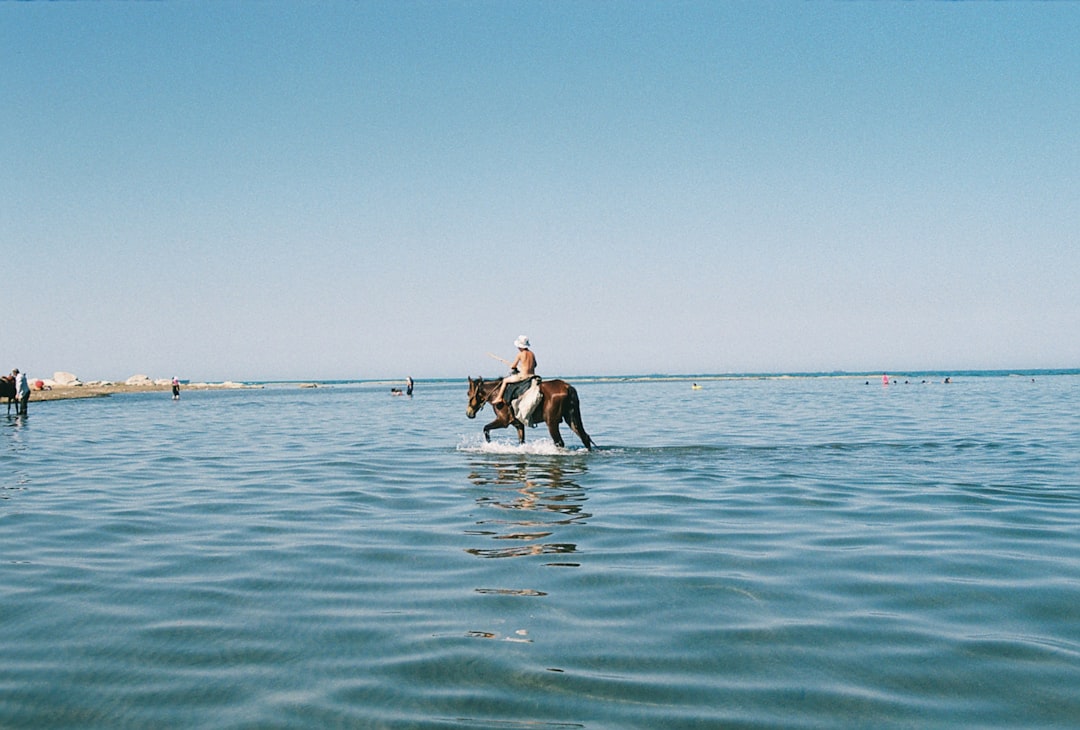
The Caspian Sea, a colossal inland body of water that cradles the borders of five nations, is projected to experience a significant decline in its water level by the year 2026. This environmental shift, while not entirely unprecedented in the sea’s long geological history, carries profound implications for its ecosystems, the economies dependent on its resources, and the human populations inhabiting its shores. Scientists and climatologists have been diligently monitoring the Caspian’s water balance, and the current trajectory points towards a continued descent, a whispering warning from a vital natural resource.
The scientific consensus, based on a confluence of observational data and climate modeling, indicates a probable drop in the Caspian Sea’s water level within the next few years. While precise figures are subject to the inherent uncertainties of climate prediction, projections suggest a measurable decline that, while perhaps not cataloged as catastrophic in the short term, represents a departure from historical norms and a cause for serious consideration. This descent is not a sudden catastrophe but rather a slow, creeping tide in reverse, gnawing at its edges. This section will delve into the specifics of these projections and the scientific methods used to derive them.
Factors Driving the Projected Decline
Several interconnected factors are contributing to the scientific community’s anticipation of a declining Caspian Sea. These are often referred to as the “triple threat” affecting water bodies globally: reduced inflow, increased evaporation, and altered precipitation patterns. Understanding each of these elements is crucial to grasping the scale of the challenge.
Diminishing Riverine Inflows
The Caspian Sea is primarily fed by several major rivers, the most significant being the Volga River. These lifelines, originating in the vast catchments of the Caucasus and Central Asia, are themselves facing pressures. Decreased snowpack in their originating mountain ranges due to warming temperatures and changes in precipitation patterns directly translate to reduced meltwater flow into the rivers. Furthermore, increased demand for water for agriculture, industrial use, and hydroelectric power generation along these rivers upstream of their entry into the Caspian further exacerbates the problem by diverting water that would otherwise replenish the sea. Imagine a human body receiving less blood supply; the consequences are inevitably felt throughout the system.
Intensified Evaporation Rates
The Caspian Sea, being the world’s largest inland body of water, is a significant locus of evaporation. As atmospheric temperatures rise, a direct consequence of climate change, the rate at which water transforms into vapor and ascends into the atmosphere also intensifies. Higher temperatures mean more energy is available to facilitate this phase transition. This increased evaporation acts like a relentless sun on a drying lakebed, steadily drawing down the water volume. The larger the surface area of the sea, the more pronounced this effect becomes with every degree of warming.
Altered Precipitation Patterns
While not as dominant a factor as the Volga’s flow, precipitation directly over the Caspian basin and its surrounding catchment areas also plays a role in its water balance. Climate models suggest a potential shift in these patterns, with some regions experiencing prolonged droughts and others facing more intense but less frequent rainfall. The overall trend, however, appears to be leaning towards a net reduction in water availability, making the sea’s capacity to absorb losses through evaporation and diversions even more precarious.
The alarming drop in the Caspian Sea water levels has raised significant environmental concerns, prompting researchers to explore the potential impacts on local ecosystems and economies. For a deeper understanding of this issue, you can read a related article that discusses the factors contributing to the decline and its implications for the region in 2026. To learn more, visit this article.
Historical Context and Previous Fluctuations
The Caspian Sea is no stranger to hydrological variability. Its water level has fluctuated over millennia, influenced by a complex interplay of climatic shifts and geological factors. Understanding these past oscillations provides valuable context for the current projections and underscores the dynamic nature of this unique water body. The sea has witnessed ebbs and flows, periods of expansion and contraction, much like a giant lung breathing over geological time.
Cyclic Nature of Caspian Levels
Geological and paleoclimatic research has revealed that the Caspian Sea’s water level has historically followed a cyclical pattern, with periods of significant rise and fall spanning decades to centuries. These fluctuations were largely driven by natural variations in climate, such as changes in monsoon patterns affecting river flows and longer-term shifts in global temperatures. These historical cycles offer a reminder that change is inherent to the Caspian’s existence, but the current drivers are predominantly anthropogenic.
Evidence from Paleoclimate Records
Scientists utilize various proxies, such as sediment cores from the seabed and chemical analysis of ancient shells, to reconstruct past Caspian Sea levels. These paleoclimate records provide concrete evidence of past high and low stands, offering insights into the magnitudes of historical fluctuations. For instance, evidence exists of periods where the sea level was several meters higher, inundating larger coastal areas, and conversely, periods of significant retreat.
Human Influence on Past Fluctuations
While natural factors have historically been the primary drivers, human activities have also, to a lesser extent, influenced Caspian water levels in the past. Large-scale irrigation projects and river diversions, particularly in the 20th century, have demonstrably impacted the inflowing river volumes. However, the current projected decline is attributed to a more significant and accelerated anthropogenic influence driven by global climate change.
Ecological Ramifications of a Shrinking Sea

The decline in the Caspian Sea’s water level is not merely a hydrological statistic; it represents a profound environmental crisis with far-reaching consequences for the unique biodiversity that calls the sea home. The shrinking of its habitat is a serious threat to numerous species, many of which are endemic and already facing conservation challenges. The delicate web of life within the Caspian is being tugged at its very foundations.
Impact on Biodiversity and Endemic Species
The Caspian Sea harbors a rich and distinct ecosystem, characterized by numerous endemic species – organisms found nowhere else on Earth. These include the famous Caspian seal, sturgeon species vital for their caviar, and various fish and invertebrate populations. A declining water level leads to a reduction in habitat, increased salinity in shallower areas, and altered water temperatures, all of which can stress or eliminate vulnerable populations.
The plight of the Caspian Seal
The Caspian seal (Pusa caspica) is a critically endangered pinniped that relies on the sea for its survival. Reduced water levels can lead to loss of vital pupping and resting grounds along the coast. Furthermore, as the sea shrinks and salinity increases in shallower bays, it can impact the seals’ food sources and increase their susceptibility to diseases. The shrinking sea is like a shrinking apartment for these marine mammals.
Threats to Sturgeon Populations
The Caspian Sea is historically renowned for its sturgeon populations, the source of highly prized caviar. These ancient fish are particularly sensitive to changes in water quality, salinity, and river flows crucial for their spawning migrations. A declining water level can disrupt these critical life cycle events, further imperil sturgeon populations that are already heavily impacted by overfishing and habitat degradation. The disruption of their ancient spawning grounds is a direct threat to their lineage.
Alterations in Salinity and Water Quality
As the Caspian Sea shrinks, its total water volume decreases while the sources of inflow remain reduced or diverted. This imbalance leads to a gradual increase in salinity, particularly in shallower, more enclosed areas. Many of the Caspian’s endemic species have evolved to thrive within a specific salinity range. Elevated salinity can be toxic to these organisms, leading to physiological stress, reduced reproductive success, and even death. Furthermore, as water volume diminishes, pollutants can become more concentrated, further degrading water quality and impacting aquatic life.
Increased Salinity in Coastal Zones
The gradual inundation of previously dry coastal areas by a more saline sea can lead to the loss of freshwater or brackish habitats, impacting species that rely on these transitional zones. For organisms that cannot tolerate higher salinity levels, the expanding saline zones represent a formidable barrier and a loss of essential habitat.
Concentration of Pollutants
With reduced water volume, any pollutants entering the sea, whether from industrial discharge, agricultural runoff, or oil and gas extraction, become more concentrated. This heightened pollutant load can have detrimental effects on aquatic organisms, bioaccumulating in the food chain and posing risks to both wildlife and human consumers of Caspian seafood.
Socio-Economic Consequences of Water Level Decline

The Caspian Sea is not just an ecological treasure; it is an economic engine for the bordering nations. Its water level decline has significant ramifications for industries reliant on its resources, impacting livelihoods, trade, and regional stability. The economic repercussions of a shrinking sea are a stark reminder of the interconnectedness between environmental health and human prosperity. A diminished sea is a diminished economic outlook.
Impact on Fisheries and Aquaculture
The Caspian Sea has historically supported a vital fishing industry, providing sustenance and employment for many coastal communities. A decline in water level directly impacts fish populations by reducing habitat, altering spawning grounds, and increasing salinity and pollution levels. This can lead to reduced catch sizes, economic hardship for fishers, and a decline in the sustainability of the industry. Furthermore, aquaculture operations, which have been expanding in the region, may also face challenges due to altered water conditions and reduced water availability for their facilities.
Declining Fish Stocks
The reduced availability of suitable habitat and the increased stress from environmental changes can lead to significant declines in commercially important fish stocks, including various species of herring, perch, and the aforementioned sturgeon. This directly translates to fewer opportunities for commercial fishing and a potential collapse of local fishing economies.
Challenges for Aquaculture Ventures
Aquaculture, often seen as a solution to overfishing, also relies on stable environmental conditions. Changes in salinity, temperature, and water quality due to the Caspian’s decline can introduce significant risks to aquaculture farms, impacting their productivity and economic viability.
Navigation and Transportation Challenges
The Caspian Sea serves as a crucial artery for trade and transportation, connecting the bordering nations and facilitating the movement of goods. A declining water level can lead to shallower navigation channels, making it difficult or impossible for larger vessels to traverse certain routes. This can disrupt established shipping lanes, increase transportation costs, and impede the flow of commerce.
Obstacles for Commercial Shipping
As the sea level drops, ports may need to be dredged more extensively, and longer routes may be required to avoid shallows. Larger cargo ships may be unable to access certain ports, forcing a reliance on smaller, less efficient vessels, which increases transit times and operational expenses.
Impact on Port Infrastructure
Existing port infrastructure, designed for historically higher water levels, may become obsolete or require significant and costly modifications to remain operational. This could include extending piers, building new docking facilities further inland, and investing in specialized equipment to handle shallower water conditions.
The alarming drop in the Caspian Sea water levels has raised significant concerns among environmentalists and researchers alike, as it poses threats to the region’s biodiversity and local economies. A related article discusses the potential implications of this phenomenon and explores various factors contributing to the decline. For more insights, you can read the full article here. Understanding these changes is crucial for developing effective strategies to mitigate their impact on the surrounding communities and ecosystems.
Mitigation Strategies and Future Outlook
| Year | Water Level (meters below sea level) | Change from Previous Year (cm) | Possible Causes | Impact on Surrounding Regions |
|---|---|---|---|---|
| 2024 | -28.0 | -5 | Reduced inflow from rivers, increased evaporation | Decreased fish habitats, water supply concerns |
| 2025 | -28.3 | -3 | Continued drought, climate change effects | Salinity increase, impact on agriculture |
| 2026 | -28.7 | -4 | Lower precipitation, higher temperatures | Coastal erosion, economic impact on fisheries |
Addressing the predicted decline of the Caspian Sea requires a multi-faceted approach involving international cooperation, sustainable resource management, and proactive adaptation strategies. While the challenges are significant, the potential to mitigate the worst impacts and foster a more resilient future for the Caspian region remains. The path forward involves careful planning and a collective commitment to safeguarding this invaluable natural asset.
International Cooperation and Governance
Given that the Caspian Sea is shared by five nations, effective management and mitigation efforts necessitate robust international cooperation and a strong governance framework. Agreements on water resource allocation, pollution control, and coordinated environmental monitoring are essential to address the transboundary nature of the problem.
Shared River Basin Management
Establishing collaborative frameworks for managing the major rivers that feed the Caspian, particularly the Volga and Ural, is paramount. This would involve coordinated efforts to regulate water abstraction for agriculture and industry, promote water-efficient practices, and ensure adequate flows reach the sea.
Transboundary Pollution Control
Developing and enforcing joint regulations for controlling pollution entering the Caspian, whether from industrial waste, agricultural runoff, or oil and gas activities, is crucial. This requires shared monitoring, data exchange, and coordinated enforcement mechanisms to prevent further degradation of water quality.
Sustainable Resource Management and Water Conservation
Implementing sustainable practices in sectors that directly or indirectly impact the Caspian’s water balance is vital. This includes promoting water conservation in agriculture, improving industrial water efficiency, and developing sustainable energy sources.
Water-Efficient Agriculture
Agriculture is a major consumer of water in the Caspian basin. Promoting drought-resistant crops, implementing efficient irrigation techniques such as drip irrigation, and encouraging water pricing mechanisms that incentivize conservation can significantly reduce agricultural water demand.
Industrial Water Use Optimization
Industries operating in the Caspian region can reduce their water footprint through process optimization, water recycling and reuse, and investing in more water-efficient technologies. Regulatory frameworks can encourage and incentivize such improvements.
Adaptation and Resilience Building
Even with mitigation efforts, some degree of water level decline is likely to occur. Therefore, adaptation strategies are crucial to build resilience in coastal communities and ecosystems. This includes investing in infrastructure upgrades, developing early warning systems for environmental changes, and promoting economic diversification.
Coastal Zone Management and Infrastructure Adaptation
Coastal communities need to adapt to receding shorelines and potential increases in salinity. This may involve relocating vulnerable infrastructure, implementing sustainable coastal protection measures, and developing land-use plans that account for future water level scenarios.
Economic Diversification
Reducing reliance on sectors directly vulnerable to water level decline, such as certain types of fisheries, by promoting alternative economic activities can enhance the resilience of coastal economies. This might include developing eco-tourism, sustainable aquaculture that is less water-intensive, or other service-based industries.
The projected decline in the Caspian Sea’s water level by 2026 serves as a potent reminder of the interconnectedness of our planet’s systems and the profound impact of human activities. The future of this magnificent inland sea, and the livelihoods and ecosystems it sustains, hinges on our collective ability to understand these challenges and implement decisive, collaborative solutions. The whispered warning of its receding waters demands our urgent attention.
FAQs
What is causing the Caspian Sea water level to drop in 2026?
The drop in the Caspian Sea water level in 2026 is primarily attributed to a combination of reduced river inflow, increased evaporation rates due to rising temperatures, and changes in regional climate patterns.
How much is the Caspian Sea water level expected to decrease in 2026?
Estimates suggest that the Caspian Sea water level could drop by several tens of centimeters to over a meter in 2026, depending on climatic conditions and water management practices in the surrounding countries.
What are the potential environmental impacts of the Caspian Sea water level drop?
The decline in water level may lead to habitat loss for aquatic and coastal species, increased salinity, disruption of fisheries, and negative effects on biodiversity. It can also expose previously submerged land, affecting local ecosystems.
How might the water level drop affect the economies of Caspian Sea bordering countries?
Economic impacts could include reduced fishery yields, challenges to shipping and port operations, damage to infrastructure near the shoreline, and potential losses in tourism and agriculture dependent on the sea.
Are there any measures being taken to address the Caspian Sea water level drop?
Countries bordering the Caspian Sea are engaging in regional cooperation to monitor water levels, implement sustainable water management, and develop adaptation strategies to mitigate the environmental and economic consequences of the water level decline.