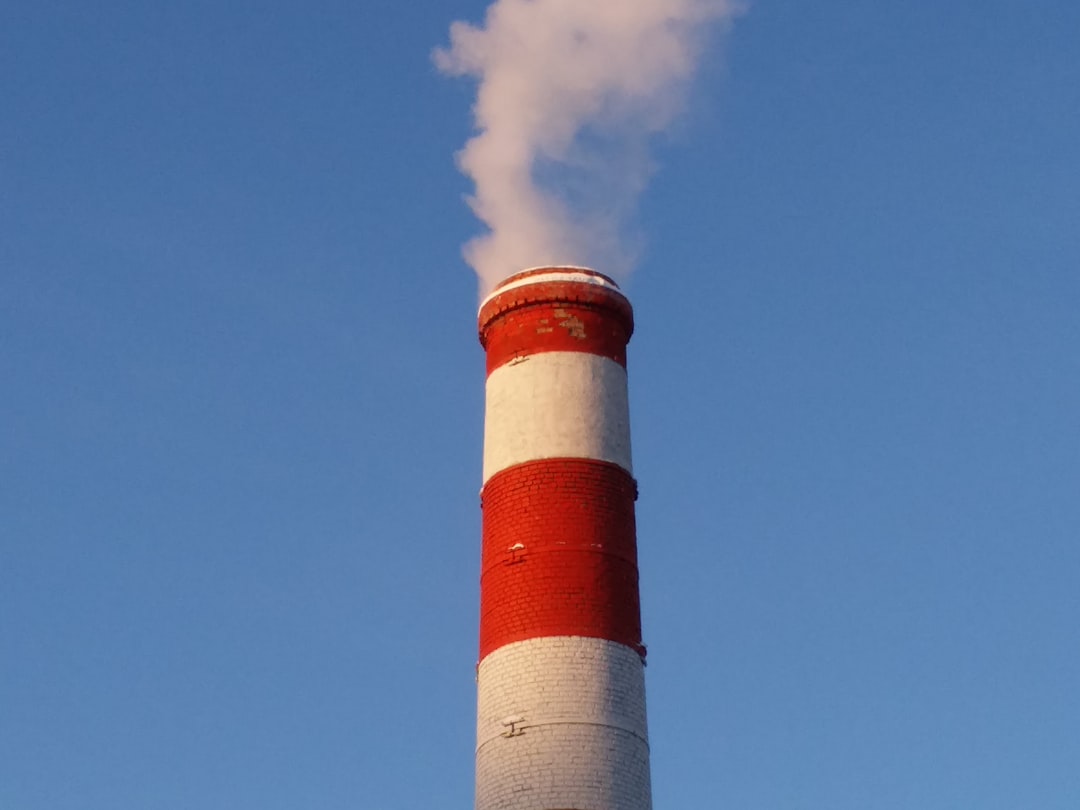
The carbon intensity of Africa’s energy grid presents a complex and multifaceted challenge, deeply intertwined with the continent’s developmental aspirations, its vast natural resources, and the imperative of global climate action. Understanding this intensity – essentially, the amount of carbon dioxide emitted per unit of energy produced – is crucial for charting a sustainable energy future for Africa. This issue is not merely an academic exercise; it is a practical concern with profound implications for public health, economic growth, and environmental security across the continent. As the world grapples with the escalating urgency of climate change, the energy systems of developing regions, particularly Africa, warrant close examination. This article delves into the current state of Africa’s energy grid carbon intensity, exploring its drivers, its impacts, and the pathways toward a decarbonized future.
Africa’s energy landscape is characterized by a significant reliance on fossil fuels, predominantly for electricity generation and transport, alongside a substantial, yet often underserved, traditional biomass sector. This reliance, coupled with a nascent but growing renewable energy sector, creates a diverse and often unevenly distributed carbon footprint. The continent’s energy demand is projected to rise dramatically in the coming decades, driven by population growth, urbanization, and industrialization. How this rising demand is met will fundamentally shape the carbon intensity of its energy systems.
A Patchwork of Energy Sources
The energy mix across the African continent is anything but uniform. While some nations have made significant strides in renewable energy deployment, others remain heavily dependent on coal and natural gas for power generation.
Sub-Saharan Africa’s Dominance of Fossil Fuels
In many parts of Sub-Saharan Africa, electricity generation is still heavily weighted towards fossil fuels. Countries like South Africa have a substantial coal-fired power generation capacity, a legacy of its industrial past, which contributes significantly to the region’s overall carbon intensity. This reliance is often driven by the availability and perceived affordability of these resources.
North Africa’s Gas-Centric Approach
North African countries, conversely, often leverage their natural gas reserves for electricity production. While natural gas is generally considered to have a lower carbon intensity than coal, its continued extraction and combustion still contribute to greenhouse gas emissions. The continent’s substantial untapped oil reserves also play a role, primarily in the transport sector.
The Role of Traditional Biomass
It is imperative to acknowledge the pervasive use of traditional biomass, such as wood, charcoal, and agricultural waste, for cooking and heating in many rural and peri-urban African households. While not always directly accounted for in grid carbon intensity calculations, its combustion releases significant amounts of greenhouse gases and impacts air quality, presenting a parallel environmental and public health challenge.
Rising Energy Demand: A Double-Edged Sword
Africa’s demographic trajectory and economic aspirations point towards an exponential increase in energy consumption. This presents both an opportunity and a significant challenge in managing carbon intensity.
Population Growth and Urbanization
With a rapidly growing population, projected to double by 2050, and increasing rates of urbanization, the demand for electricity, transportation, and industrial processes will surge. Failure to decouple this growth from emissions will see carbon intensity climb.
Industrialization and Economic Development
As African economies seek to industrialize and provide employment opportunities, energy-intensive sectors will expand. The choices made in powering these industries will be critical in determining the overall carbon footprint of the continent’s development.
The carbon intensity of Africa’s energy grid is a critical topic, as the continent seeks to balance economic growth with sustainable energy practices. A related article that delves into this issue can be found at MyGeoQuest, where it discusses the challenges and opportunities in reducing carbon emissions while expanding access to electricity across African nations. This resource provides valuable insights into the current state of energy production and the potential for renewable sources to transform the energy landscape in Africa.
Drivers of Africa’s Carbon Intensity
Several interconnected factors contribute to the current carbon intensity of Africa’s energy grid. These range from historical development pathways and resource availability to economic constraints and technological considerations. Deciphering these drivers is akin to understanding the roots of a tree; without knowing where they anchor, one cannot predict its growth or shape its future.
Legacy Infrastructure and Investment Patterns
Much of Africa’s existing energy infrastructure was built during a period when energy development was not as closely scrutinized through a climate lens.
Coal-Powered Foundations
Countries like South Africa have significant investments in coal-fired power plants. The operational lifespan of these facilities means they will continue to contribute to emissions for years to come, acting as a significant anchor on the overall carbon intensity.
Oil and Gas Dependence
Similarly, extensive investments have been made in oil and gas exploration and extraction, particularly in North and West Africa. This has naturally led to a reliance on these fuels for power generation and a dominant role in the transportation sector.
Resource Endowment and Economic Considerations
Africa possesses abundant fossil fuel resources, which have historically been a primary source of energy and revenue. The economic imperative to utilize these resources, coupled with often lower upfront costs compared to some renewable technologies, presents a powerful incentive for their continued use.
Abundant Fossil Fuel Reserves
The continent is rich in coal, oil, and natural gas reserves. Extracting and utilizing these indigenous resources can be seen as a pathway to energy sovereignty and economic development, even if it comes with environmental costs.
Cost-Effectiveness of Fossil Fuels (Short-Term)
In many contexts, the marginal cost of generating electricity from existing fossil fuel infrastructure can be lower than building new renewable capacity, especially in the absence of robust carbon pricing mechanisms or international financial support. This short-term economic logic can perpetuate a high carbon intensity.
The carbon intensity of Africa’s energy grid is a critical issue as the continent seeks to balance development and sustainability. A recent article discusses various strategies to reduce emissions while expanding access to electricity across the region. For more insights on this topic, you can read the full article on energy initiatives in Africa at MyGeoQuest. This resource highlights innovative approaches that could significantly impact the future of energy in Africa.
Limited Access to Capital and Technology Transfer
Access to finance and advanced clean energy technologies remains a significant hurdle for many African nations. This limits their ability to transition to lower-carbon energy systems.
Financing Challenges for Renewable Projects
Developing large-scale renewable energy projects, such as solar farms, wind turbines, and geothermal plants, requires substantial upfront capital investment. Limited access to affordable financing, both domestically and internationally, can hinder progress.
Technology Acquisition and Adaptation
While renewable energy technologies are becoming more accessible, acquiring, deploying, and maintaining them often requires technical expertise and institutional capacity that may be underdeveloped in some regions.
The Environmental and Socio-Economic Consequences
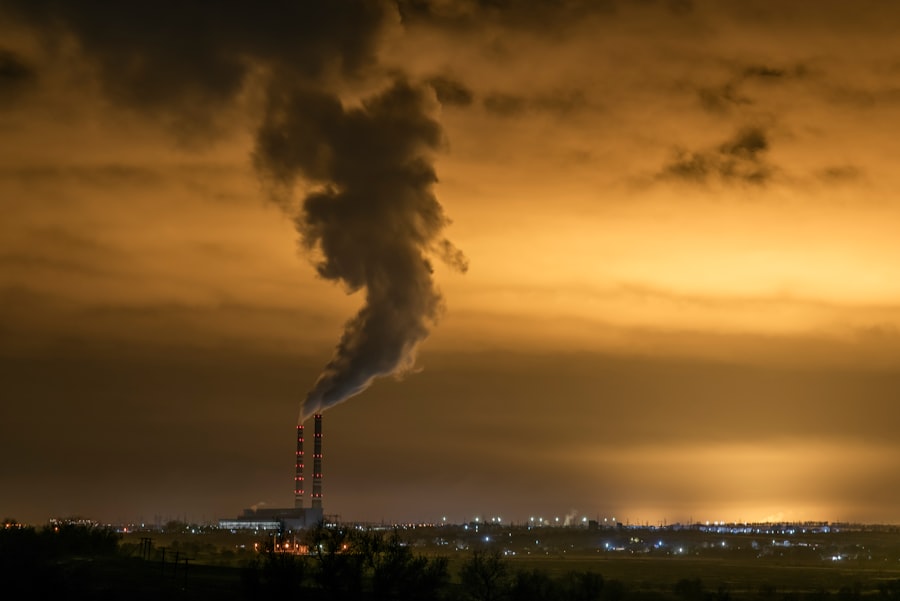
The elevated carbon intensity of Africa’s energy grid has far-reaching consequences, impacting not only the environment but also the health and economic well-being of its people. It is a pervasive shadow cast over the continent’s progress.
Climate Change Vulnerability and Impacts
Africa is disproportionately vulnerable to the impacts of climate change, despite historically contributing the least to global emissions. A high carbon intensity directly exacerbates these vulnerabilities.
Rising Temperatures and Extreme Weather
Increased greenhouse gas concentrations contribute to rising global temperatures, leading to more frequent and intense heatwaves, droughts, floods, and storms across Africa. This disrupts agriculture, water resources, and infrastructure.
Sea-Level Rise and Coastal Erosion
Coastal communities, particularly in low-lying areas, face the threat of sea-level rise, exacerbating erosion, saltwater intrusion into freshwater sources, and displacement of populations.
Public Health Concerns
The combustion of fossil fuels and traditional biomass is a major contributor to air pollution, with severe public health implications.
Respiratory Illnesses and Cardiovascular Disease
Poor air quality, stemming from fossil fuel emissions and inefficient biomass burning, is a leading cause of respiratory illnesses, cardiovascular disease, and premature deaths across the continent.
Indoor Air Pollution from Biomass
The widespread use of traditional biomass for cooking creates severe indoor air pollution, particularly affecting women and children, leading to chronic respiratory problems and other
FAQs
What is meant by the carbon intensity of Africa’s energy grid?
Carbon intensity refers to the amount of carbon dioxide (CO2) emissions produced per unit of electricity generated. For Africa’s energy grid, it measures how much CO2 is emitted for each kilowatt-hour (kWh) of electricity consumed across the continent.
What factors influence the carbon intensity of Africa’s energy grid?
The carbon intensity is influenced by the energy mix used for electricity generation, including the proportion of fossil fuels (coal, oil, natural gas) versus renewable sources (hydropower, solar, wind). Infrastructure efficiency, technology, and energy demand patterns also play significant roles.
How does Africa’s carbon intensity compare to other continents?
Africa generally has a lower carbon intensity compared to heavily industrialized continents like Asia and North America, primarily because a significant portion of its electricity comes from hydropower and other renewables. However, reliance on coal and oil in some regions can increase carbon intensity locally.
What are the challenges in reducing the carbon intensity of Africa’s energy grid?
Challenges include limited access to modern energy infrastructure, financial constraints, dependence on fossil fuels in some countries, and the need for technological advancements. Additionally, expanding energy access while maintaining low carbon emissions requires careful planning and investment.
What initiatives are in place to lower the carbon intensity of Africa’s energy grid?
Several initiatives focus on increasing renewable energy capacity, improving grid efficiency, and promoting sustainable energy policies. Programs by the African Union, international organizations, and private sector investments aim to expand solar, wind, and hydropower projects to reduce reliance on fossil fuels.