
The Drake Passage, a body of water located between the southern tip of South America and Antarctica, is renowned for its tumultuous seas and unpredictable weather. Named after the English explorer Sir Francis Drake, who navigated these waters in the late 16th century, the passage serves as a critical maritime route for vessels traveling to and from Antarctica. Stretching approximately 800 kilometers (500 miles) wide, it is often regarded as one of the most challenging maritime passages in the world due to its strong currents and frequent storms.
The passage not only holds historical significance but also plays a vital role in global oceanic circulation, influencing climate patterns far beyond its immediate vicinity. For adventurers and researchers alike, the Drake Passage represents both a gateway to the Antarctic region and a formidable barrier. The waters are teeming with marine life, including whales, seals, and a variety of seabirds, making it a hotspot for wildlife enthusiasts.
However, the unpredictable nature of the passage can deter even the most seasoned travelers. As air travel has become more accessible, flying over the Drake Passage has emerged as an alternative to traditional sea voyages, offering a quicker route to the Antarctic. This article delves into the complexities of flying over this notorious stretch of water, exploring its challenges, safety measures, and the overall experience.
Key Takeaways
- The Drake Passage is a body of water between South America’s Cape Horn and the South Shetland Islands of Antarctica, known for its rough seas and challenging weather conditions.
- Flying over the Drake Passage presents challenges such as strong winds, turbulence, and unpredictable weather, making it one of the most difficult air routes in the world.
- Weather conditions in the Drake Passage can change rapidly, with strong winds, low visibility, and severe turbulence being common, making it a risky route for air travel.
- Flight routes over the Drake Passage typically involve crossing from South America to Antarctica or vice versa, with some airlines offering direct flights while others may have layovers in nearby countries.
- Safety measures for flying over the Drake Passage include using specialized aircraft, experienced pilots, and thorough weather monitoring to ensure the safety of passengers and crew.
The Challenges of Flying Over the Drake Passage
Flying over the Drake Passage presents a unique set of challenges that pilots and airlines must navigate. One of the primary concerns is the unpredictable weather conditions that can arise suddenly in this region. The passage is notorious for its rapidly changing weather patterns, which can shift from calm to stormy in a matter of minutes.
This unpredictability poses significant risks for pilots, who must be prepared to alter flight paths or make emergency landings if conditions deteriorate unexpectedly. Additionally, the geographical features surrounding the Drake Passage contribute to its challenges. The proximity of the Andes mountains to the west and the Antarctic Peninsula to the south creates a funneling effect that can intensify winds and turbulence.
Pilots flying over this area must possess specialized training and experience to handle these conditions effectively. The combination of strong winds, turbulence, and potential icing can make flying over the Drake Passage a daunting task, requiring constant vigilance and adaptability from flight crews.
Weather Conditions in the Drake Passage
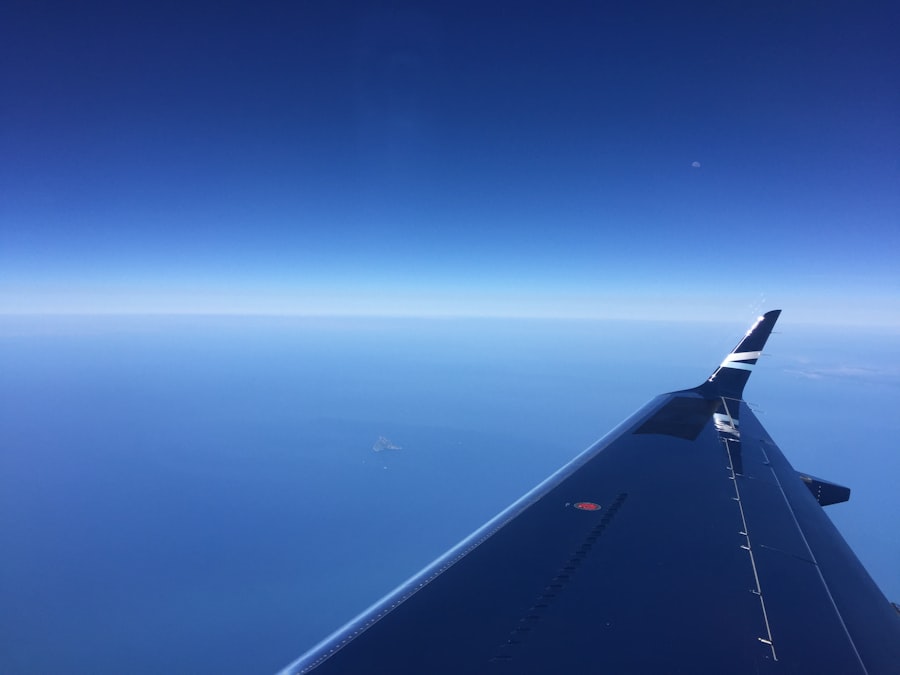
The weather in the Drake Passage is notoriously volatile, characterized by strong winds, heavy precipitation, and rapidly changing temperatures. The region experiences some of the most extreme weather conditions on Earth, with storms capable of developing with little warning. These storms can produce high waves and turbulent air currents that pose significant challenges for aircraft attempting to traverse the area.
Pilots must remain acutely aware of weather forecasts and be prepared for sudden changes that could impact their flight.
These conditions can complicate navigation and increase the risk of accidents.
The cold temperatures prevalent in this region can also lead to icing on aircraft wings and control surfaces, further complicating flight operations. As such, understanding and anticipating weather patterns is crucial for ensuring safe flights over this treacherous passage.
Flight Routes Over the Drake Passage
| Flight Route | Distance | Duration | Airlines |
|---|---|---|---|
| Punta Arenas to King George Island | 1,000 km | 2 hours | LATAM Airlines |
| Ushuaia to King George Island | 800 km | 1.5 hours | Aerovías DAP |
| Stanley to King George Island | 1,200 km | 2.5 hours | Aerovías DAP |
Flight routes over the Drake Passage are carefully planned to maximize safety while minimizing exposure to adverse weather conditions. Airlines typically utilize established airways that take into account both meteorological data and geographical features. These routes are designed to avoid areas known for turbulence or severe weather, allowing pilots to navigate more safely through this challenging region.
Moreover, flight planning involves close coordination with air traffic control and meteorological services to ensure that pilots receive real-time updates on weather conditions along their route. This collaboration is essential for making informed decisions about altitude changes or course adjustments during flight. By adhering to these established routes and protocols, airlines can enhance passenger safety while providing a more efficient travel experience across this formidable stretch of water.
Safety Measures for Flying Over the Drake Passage
Safety measures for flying over the Drake Passage are paramount given the inherent risks associated with this region. Airlines operating flights in this area implement rigorous safety protocols that include thorough pre-flight briefings for pilots and crew members. These briefings cover potential weather hazards, emergency procedures, and communication protocols with air traffic control.
In addition to training and preparation, aircraft used for flights over the Drake Passage are equipped with advanced technology designed to enhance safety. Modern planes feature sophisticated navigation systems that provide real-time data on weather conditions and terrain. This technology allows pilots to make informed decisions about their flight path and altitude, reducing the likelihood of encountering severe turbulence or other hazards.
Furthermore, regular maintenance checks ensure that aircraft remain in optimal condition for safe operation in challenging environments.
Alternatives to Flying Over the Drake Passage

While flying over the Drake Passage offers a quicker route to Antarctica, there are alternative methods of travel that some adventurers may prefer. One popular option is taking a cruise ship that traverses the passage by sea. These cruises often provide a more leisurely experience, allowing passengers to enjoy breathtaking views of icebergs, wildlife, and stunning landscapes along the way.
For many travelers, the journey itself becomes an integral part of their Antarctic adventure. Another alternative is traveling by ferry or charter boat from Ushuaia, Argentina, which is often considered the gateway to Antarctica. These vessels typically take longer than flights but offer a unique opportunity to experience the raw beauty of the Drake Passage firsthand.
Passengers aboard these boats can witness marine life up close and enjoy onboard amenities designed for comfort during long voyages. While these alternatives may require more time and patience, they provide an immersive experience that many travelers find rewarding.
Advantages of Flying Over the Drake Passage
Flying over the Drake Passage comes with several advantages that appeal to travelers seeking efficiency and convenience. One of the most significant benefits is time savings; flights can reduce travel time significantly compared to traditional sea voyages. For those with limited vacation time or specific itineraries, flying offers a practical solution for reaching Antarctica quickly.
Additionally, flying provides a unique perspective on the stunning landscapes below. Passengers have the opportunity to view vast expanses of ocean, ice formations, and even glimpses of wildlife from above. This aerial vantage point can enhance the overall travel experience, allowing passengers to appreciate the beauty of this remote region in a way that is not possible from sea level.
Furthermore, airlines often offer comfortable seating and amenities that make flying a pleasant experience.
Disadvantages of Flying Over the Drake Passage
Despite its advantages, flying over the Drake Passage is not without its drawbacks. One notable disadvantage is the potential for turbulence during flights due to unpredictable weather conditions in the region. Passengers may experience discomfort or anxiety during turbulent moments, which can detract from their overall travel experience.
Moreover, flights may be subject to delays or cancellations due to adverse weather conditions or technical issues. Such disruptions can lead to frustration for travelers who have planned their itineraries around specific flight schedules. Additionally, while flying offers speed and convenience, it may lack some of the immersive experiences associated with sea travel—such as witnessing marine life up close or enjoying leisurely views of icebergs and landscapes along the way.
Tips for Flying Over the Drake Passage
For those planning to fly over the Drake Passage, several tips can enhance their travel experience. First and foremost, it is advisable to stay informed about weather conditions leading up to departure. Monitoring forecasts can help travelers prepare for potential turbulence or delays while also allowing them to pack appropriately for varying temperatures.
Another important tip is to choose airlines with a strong safety record and experience operating in challenging environments like the Drake Passage. Researching customer reviews and seeking recommendations can provide valuable insights into which airlines prioritize passenger safety and comfort. Lastly, travelers should consider bringing along entertainment options such as books or movies to help pass the time during flights.
Given that flights may encounter turbulence or delays, having distractions on hand can make for a more enjoyable journey.
Airlines that Operate Flights Over the Drake Passage
Several airlines operate flights over the Drake Passage, catering primarily to travelers heading to Antarctica for tourism or research purposes. One prominent airline is LATAM Airlines, which offers regular flights from Ushuaia to various destinations in Antarctica during peak travel seasons. Their experienced crews are well-versed in navigating this challenging region.
Another airline known for its Antarctic flights is DAP Antarctic Airways, which specializes in charter services between South America and Antarctica. DAP provides tailored experiences for travelers seeking adventure in this remote part of the world while ensuring safety remains a top priority. Additionally, several tour operators partner with airlines to offer package deals that include flights over the Drake Passage as part of broader Antarctic expeditions.
These packages often combine air travel with guided tours or cruises once travelers reach their destination.
Is Flying Over the Drake Passage Worth It?
In conclusion, flying over the Drake Passage presents both opportunities and challenges for travelers seeking access to Antarctica’s breathtaking landscapes and unique wildlife. While it offers significant advantages such as time savings and aerial views of stunning scenery, it also comes with inherent risks associated with unpredictable weather conditions and potential turbulence. Ultimately, whether flying over the Drake Passage is worth it depends on individual preferences and priorities.
For those who value efficiency and convenience in their travel plans, flying may be an ideal choice. Conversely, travelers seeking a more immersive experience may find greater satisfaction in alternative methods such as cruises or charter boats. Regardless of how one chooses to traverse this remarkable region, understanding its complexities enhances appreciation for both its beauty and its challenges—making any journey across or above these waters an unforgettable adventure.
The Drake Passage, known for its turbulent waters and challenging weather conditions, is a significant route for those traveling between South America and Antarctica. While flying over the Drake Passage is possible, it is often subject to the same unpredictable weather that affects sea travel. For more insights into navigating this treacherous stretch, you might find the article on MyGeoQuest interesting. It provides detailed information on the geographical and climatic challenges of the region. You can read more about it by visiting this mygeoquest.
com/sample-page/’>related article.
WATCH NOW! Drake Passage: Earth’s Deadliest Waters Revealed
FAQs
What is the Drake Passage?
The Drake Passage is the body of water between the southern tip of South America and the northern tip of the Antarctic Peninsula. It is known for its rough seas and strong winds.
Can you fly over the Drake Passage?
No, it is not possible to fly over the Drake Passage as it is a body of water. However, there are flights that can take you to the Antarctic Peninsula from South America, bypassing the need to cross the Drake Passage by boat.
Why is the Drake Passage difficult to cross by boat?
The Drake Passage is known for its rough seas and strong winds, making it one of the most challenging stretches of water to navigate. The convergence of the Atlantic, Pacific, and Southern oceans also contributes to the turbulent conditions.
Are there any alternatives to crossing the Drake Passage by boat?
Yes, there are alternatives such as taking a cruise ship or a flight to the Antarctic Peninsula from South America. Some expeditions also offer the option to fly part of the way and then join a cruise to cross the Drake Passage.