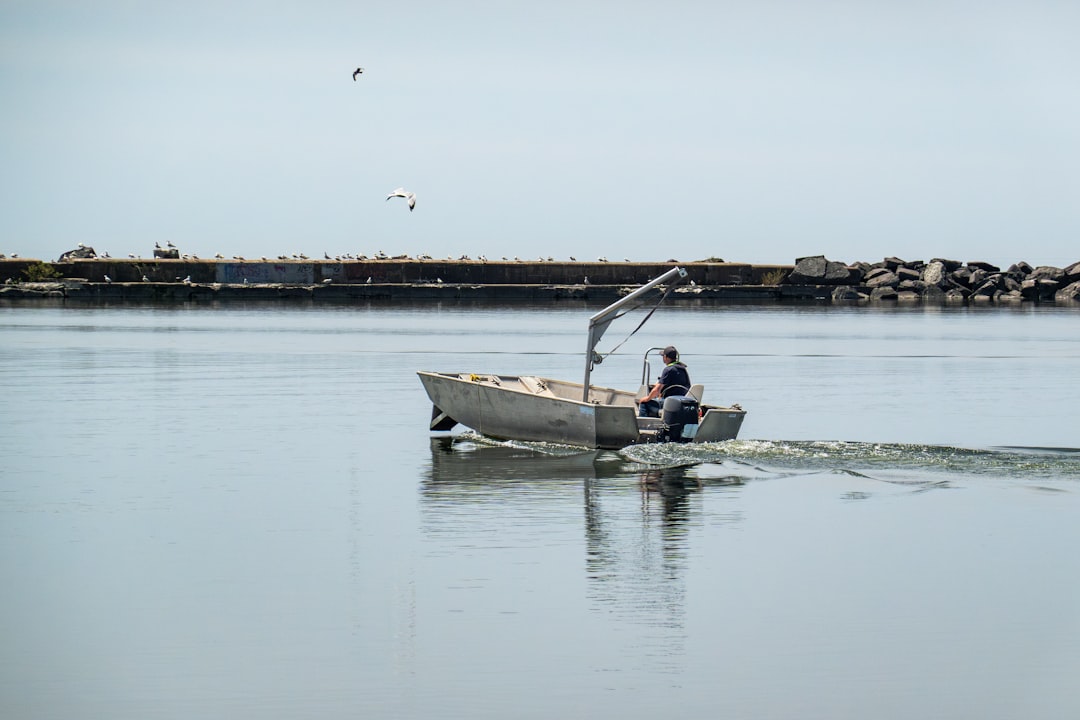
The Great Lakes, a magnificent collection of five interconnected freshwater lakes—Superior, Michigan, Huron, Erie, and Ontario—are among the largest bodies of freshwater in the world. Spanning the border between the United States and Canada, these lakes cover an area of approximately 94,250 square miles and hold about 20% of the world’s unfrozen surface freshwater. The Great Lakes are not only a vital resource for drinking water but also serve as a crucial habitat for diverse wildlife and a significant economic driver for the surrounding regions.
Their vast waters support a variety of recreational activities, including fishing, boating, and tourism, making them an integral part of the cultural and economic fabric of North America. The ecological significance of the Great Lakes cannot be overstated. They are home to numerous species of fish, birds, and other wildlife, many of which rely on the lakes for their survival.
The lakes also play a critical role in regulating local climates and supporting agriculture in the surrounding areas. However, despite their importance, the Great Lakes face numerous threats that could jeopardize their health and sustainability. As climate change intensifies and human activities continue to exert pressure on these vital resources, concerns about the potential drying of the Great Lakes have emerged as a pressing issue that demands attention.
Key Takeaways
- The Great Lakes are a vital natural resource, containing 20% of the world’s surface freshwater and supporting diverse ecosystems.
- Climate change, evaporation, and reduced precipitation are contributing to the potential drying of the Great Lakes.
- Climate change is causing fluctuating water levels in the Great Lakes, impacting shoreline erosion and infrastructure.
- Human activities such as water diversion, dredging, and pollution are affecting the water levels of the Great Lakes.
- If the Great Lakes were to run dry, it would have devastating consequences for the environment, wildlife, and local communities.
Factors contributing to the potential drying of the Great Lakes
Several factors contribute to the alarming prospect of the Great Lakes drying up. One of the most significant is climate change, which has led to alterations in precipitation patterns and increased evaporation rates. Warmer temperatures can exacerbate evaporation from the lake surfaces, reducing water levels over time.
Additionally, shifts in seasonal weather patterns can result in prolonged periods of drought, further diminishing the inflow of water into the lakes from rivers and streams that feed them. These changes not only threaten the lakes’ water levels but also disrupt the delicate balance of ecosystems that depend on consistent water availability. Another contributing factor is the increasing demand for water from various sectors, including agriculture, industry, and urban development.
As populations grow and economies expand, the pressure on freshwater resources intensifies. In some regions surrounding the Great Lakes, excessive water extraction for irrigation or industrial use can lead to reduced inflow into the lakes themselves. This situation is compounded by land use changes that affect natural water drainage patterns, further diminishing the lakes’ ability to replenish their water levels.
The combination of climate change and human demand creates a precarious situation for the Great Lakes, raising concerns about their long-term viability.
Impact of climate change on the water levels of the Great Lakes
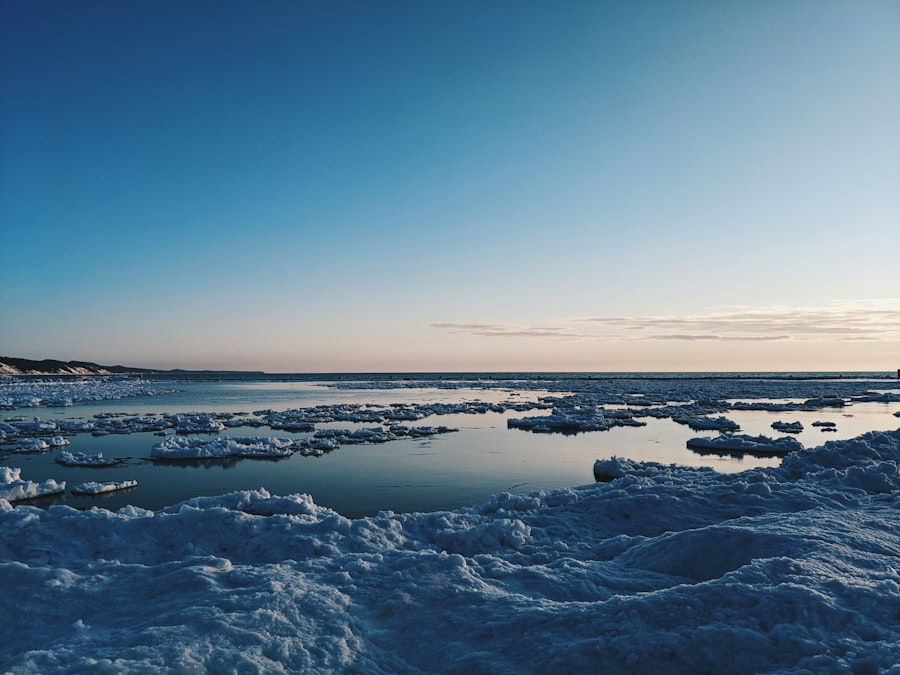
Climate change has emerged as a formidable force impacting the water levels of the Great Lakes. Rising global temperatures have led to increased evaporation rates from lake surfaces, particularly during warmer months. This phenomenon is particularly concerning as it can result in significant reductions in water levels over time.
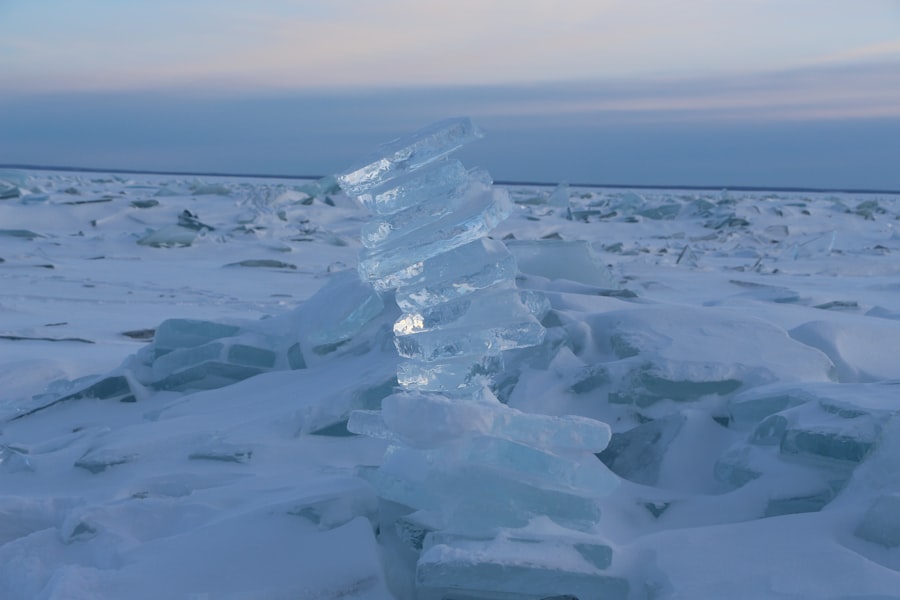
Studies have shown that higher temperatures can lead to a decrease in ice cover during winter months, which traditionally helps to insulate the lakes and reduce evaporation. As ice cover diminishes, more water is lost to evaporation during warmer seasons, exacerbating the challenges posed by climate change. Moreover, climate change has altered precipitation patterns across the Great Lakes region.
While some areas may experience increased rainfall, others may face prolonged droughts. These fluctuations can disrupt the natural hydrological cycle that sustains the lakes.
The unpredictability of weather patterns complicates efforts to manage water resources effectively and raises concerns about future water availability for both human use and ecological health.
Human activities and their impact on the water levels of the Great Lakes
| Human Activity | Impact on Water Levels |
|---|---|
| Urbanization | Increased runoff and pollution |
| Agriculture | Excessive nutrient runoff leading to algal blooms |
| Industrial Pollution | Chemical contamination of water |
| Water Withdrawal | Reduction in water levels |
| Deforestation | Increased erosion and sedimentation |
Human activities have played a significant role in shaping the current state of the Great Lakes and their water levels. Urbanization and industrialization have led to increased water consumption and pollution in surrounding areas. As cities expand and industries grow, more water is extracted from the lakes for various purposes, including drinking water supply, agricultural irrigation, and industrial processes.
This heightened demand can strain the lakes’ natural replenishment systems, leading to lower water levels over time. Additionally, land use changes associated with urban development can disrupt natural drainage patterns and reduce groundwater recharge. The construction of impervious surfaces such as roads and buildings prevents rainwater from soaking into the ground, leading to increased runoff into stormwater systems rather than allowing it to replenish local aquifers or flow into the lakes.
This alteration in hydrology not only affects water levels but also impacts water quality by increasing sedimentation and pollution entering the lakes. The cumulative effects of these human activities underscore the urgent need for sustainable management practices to protect this vital resource.
Potential consequences of the Great Lakes running dry
The potential consequences of the Great Lakes running dry are profound and far-reaching. First and foremost, a significant reduction in water levels would threaten drinking water supplies for millions of people living in nearby communities. The Great Lakes provide fresh water to approximately 40 million people across both Canada and the United States.
A decline in water availability could lead to severe shortages, prompting conflicts over access to this essential resource. Moreover, a drying Great Lakes would have dire implications for local ecosystems. Many species of fish and wildlife depend on stable water levels for their habitats and breeding grounds.
Additionally, recreational activities such as fishing, boating, and tourism would suffer as access to the lakes becomes limited or impossible. The economic ramifications could be substantial, affecting local businesses that rely on tourism and recreation for their livelihoods.
Efforts to prevent the Great Lakes from running dry
In response to growing concerns about the potential drying of the Great Lakes, various efforts have been initiated at local, regional, and national levels to safeguard this precious resource. Collaborative initiatives involving government agencies, environmental organizations, and community stakeholders have emerged to address issues related to water management and conservation. These efforts often focus on promoting sustainable practices that balance human needs with ecological health.
One notable initiative is the Great Lakes Restoration Initiative (GLRI), which aims to protect and restore the health of the Great Lakes ecosystem through funding for projects that address pollution, habitat restoration, and invasive species management. By investing in these areas, stakeholders hope to enhance water quality and promote resilience against climate change impacts. Additionally, public awareness campaigns are being launched to educate communities about responsible water use and conservation practices that can help mitigate demand on these vital resources.
Legal and political implications of the Great Lakes running dry
The potential drying of the Great Lakes carries significant legal and political implications that extend beyond environmental concerns. Water rights issues could become contentious as communities grapple with dwindling supplies. Legal frameworks governing water usage may need to be reevaluated to ensure equitable access while protecting ecological integrity.
Disputes over water allocation could arise between states or provinces bordering the lakes as competition for this limited resource intensifies. Furthermore, political action will be crucial in addressing these challenges effectively. Policymakers must prioritize sustainable water management practices that consider both human needs and environmental health.
Collaborative agreements between states and provinces will be essential in developing comprehensive strategies for protecting the Great Lakes from over-extraction and pollution. As public awareness grows regarding these issues, there may be increased pressure on elected officials to take decisive action to safeguard this invaluable resource for future generations.
Economic implications of the Great Lakes running dry
The economic implications of a drying Great Lakes are vast and multifaceted. The lakes serve as a critical economic engine for surrounding regions through industries such as tourism, fishing, shipping, and agriculture. A decline in water levels could disrupt these industries significantly, leading to job losses and reduced economic activity.
For instance, commercial fishing operations may struggle to sustain viable catches if fish habitats are compromised due to lower water levels. Moreover, tourism—an essential component of many local economies—could suffer as recreational opportunities diminish. Boating enthusiasts may find it increasingly difficult to access certain areas of the lakes due to low water levels or restricted access points.
This decline in tourism could have cascading effects on local businesses that rely on visitors for their livelihoods, from hotels and restaurants to retail shops catering to outdoor enthusiasts.
Potential solutions to mitigate the risk of the Great Lakes running dry
To mitigate the risk of the Great Lakes running dry, a multifaceted approach is necessary that encompasses conservation efforts, sustainable management practices, and community engagement. One potential solution involves implementing stricter regulations on water extraction from the lakes to ensure that usage remains within sustainable limits. By establishing caps on withdrawals based on scientific assessments of lake health and hydrology, stakeholders can help protect against over-extraction.
Additionally, investing in green infrastructure can enhance natural water retention capabilities within surrounding landscapes. Practices such as rain gardens, permeable pavements, and wetland restoration can improve groundwater recharge while reducing runoff into stormwater systems. Educating communities about responsible water use practices is also crucial; simple actions like fixing leaks or using drought-resistant landscaping can collectively make a significant difference in conserving this vital resource.
The importance of the Great Lakes to the environment and wildlife
The Great Lakes are not only vital for human consumption but also play an essential role in supporting diverse ecosystems and wildlife habitats. They provide critical breeding grounds for numerous fish species while serving as migratory stopovers for birds along their routes between breeding and wintering grounds. The rich biodiversity found within these lakes contributes significantly to regional ecological health.
Moreover, wetlands surrounding the Great Lakes act as natural filters that improve water quality by trapping pollutants before they enter lake waters. These ecosystems also provide habitat for various species while helping mitigate flooding by absorbing excess rainfall during storms. Protecting these interconnected systems is crucial not only for maintaining biodiversity but also for ensuring that future generations can continue to enjoy all that these magnificent lakes have to offer.
Conclusion and call to action for preserving the Great Lakes
In conclusion, preserving the Great Lakes is imperative for safeguarding not only a vital freshwater resource but also an irreplaceable ecosystem that supports countless species and communities across North America. The potential drying of these lakes poses significant challenges that require immediate attention from policymakers, stakeholders, and individuals alike. By recognizing the interconnectedness between human activities and environmental health, society can work collaboratively towards sustainable solutions that protect this invaluable resource.
A call to action is necessary—communities must engage in responsible water use practices while advocating for policies that prioritize conservation efforts aimed at protecting the Great Lakes from over-extraction and pollution. Through collective action at all levels—local initiatives combined with regional cooperation—there lies hope for ensuring that future generations inherit a thriving ecosystem capable of sustaining both human needs and wildlife habitats alike. The time to act is now; preserving the Great Lakes is not just an environmental imperative but a moral obligation we owe to ourselves and future generations.
Concerns about the sustainability of the Great Lakes’ water supply have been a topic of discussion for many years. An insightful article that delves into this issue is available at this link. It explores various factors that could potentially lead to a decrease in water levels, including climate change, water usage, and environmental policies. Understanding these dynamics is crucial for ensuring the long-term health of this vital freshwater resource.
WATCH THIS! The Great Lakes Are Dying: The $6 Trillion Lie That’s Killing America’s Water
FAQs
What are the Great Lakes?
The Great Lakes are a group of five interconnected freshwater lakes located in North America. They include Lake Superior, Lake Michigan, Lake Huron, Lake Erie, and Lake Ontario.
Can the Great Lakes run out of water?
While the Great Lakes contain a vast amount of water, it is theoretically possible for them to experience water shortages due to factors such as climate change, increased water usage, and pollution. However, it is important to note that the Great Lakes are a massive freshwater system and are not likely to completely run out of water.
What factors could contribute to water shortages in the Great Lakes?
Factors that could contribute to water shortages in the Great Lakes include increased demand for water due to population growth and industrial use, climate change leading to changes in precipitation patterns, and pollution affecting water quality.
What measures are in place to protect the water levels in the Great Lakes?
The Great Lakes are governed by the Great Lakes Compact, a legally binding agreement among the eight Great Lakes states to manage and protect the water resources of the Great Lakes. Additionally, various conservation efforts and regulations are in place to protect the water levels and quality of the Great Lakes.
What are the potential consequences of water shortages in the Great Lakes?
Water shortages in the Great Lakes could have significant impacts on the environment, wildlife, and communities that rely on the lakes for drinking water, agriculture, and industry. It could also lead to conflicts over water usage and allocation.