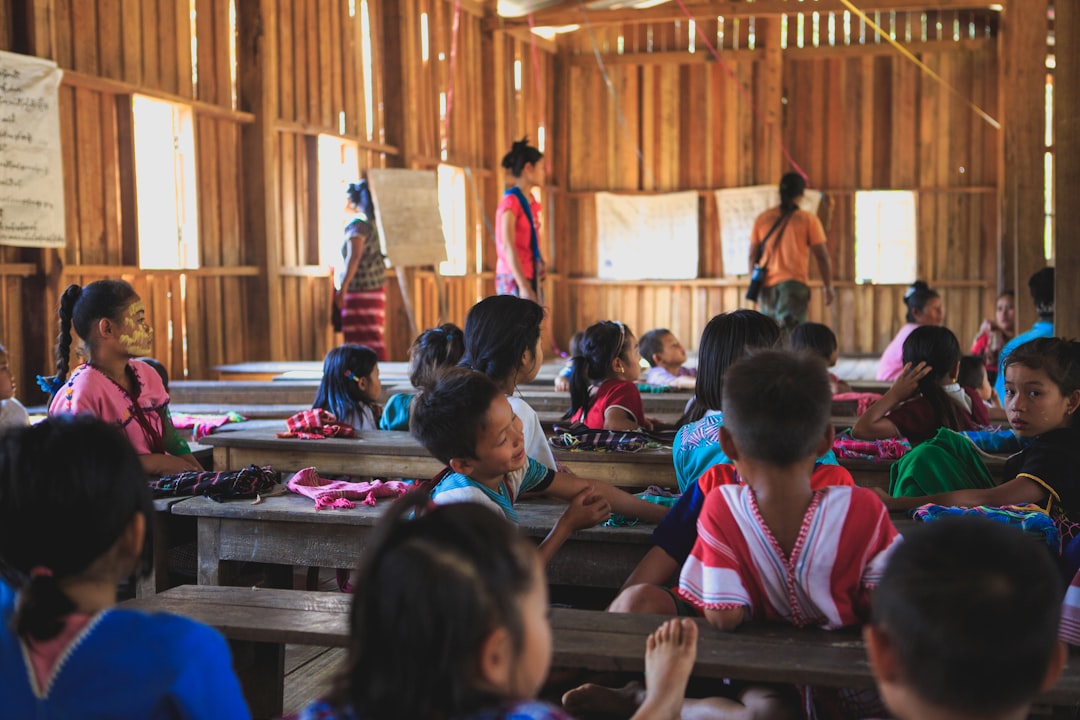
The landscape of education is undergoing a significant transformation. Traditional models, often rigid and geographically bound, struggle to adapt to the dynamic needs of learners and communities in the 21st century. In this evolving environment, the concept of building resilient education cooperatives emerges as a vital strategy, particularly through the implementation of micro-campus solutions. These micro-campuses act as nimble, decentralized hubs, capable of delivering specialized educational services and fostering localized growth. This article explores the foundational principles, operational advantages, and strategic considerations for establishing and nurturing these resilient educational cooperatives.
In an era characterized by rapid technological advancement, economic volatility, and societal shifts, educational institutions are increasingly being tested. The ability to withstand shocks, adapt to changing circumstances, and continue delivering high-quality learning experiences is no longer a desirable attribute but a fundamental requirement. Educational resilience refers to the capacity of an education system to prepare for, respond to, and recover from disruptions while maintaining its core functions and goals. Without resilience, educational systems can falter, leaving learners underserved and communities ill-equipped for the future.
Defining Educational Resilience
Educational resilience can be understood as the capacity of a learning community – encompassing students, educators, institutions, and infrastructure – to absorb disturbances, maintain essential functions, and adapt positively to emergent conditions. A resilient educational ecosystem is like a well-anchored ship, able to weather storms without capsizing, and even leverage favorable winds for progress. It is not about avoiding challenges, but about developing the internal strength and flexibility to navigate them.
Identifying Drivers of Disruption
The drivers of disruption in education are multifaceted. They include:
- Technological Disruption: The rapid evolution of digital technologies, from artificial intelligence to virtual reality, presents both opportunities and challenges. Institutions that fail to integrate these tools risk becoming obsolete.
- Economic Uncertainty: Fluctuations in funding, shifts in labor market demands, and the rising cost of education can create significant strain on educational providers and learners.
- Geographic Barriers: Traditional campus models often create accessibility issues for individuals in remote areas or those with mobility challenges.
- Societal Changes: Evolving demographics, changing pedagogical approaches, and increased demand for lifelong learning necessitate a more flexible and responsive educational offering.
- Environmental Factors: Climate change and other environmental events can disrupt physical infrastructure and impact community well-being, indirectly affecting educational access and delivery.
- Pandemics and Health Crises: Recent global events have starkly demonstrated the vulnerability of centralized, in-person educational models to health emergencies.
The Role of Adaptability
Adaptability is the bedrock of resilience. Educational cooperatives, especially those leveraging micro-campus solutions, are inherently designed for adaptability. They can pivot their offerings, recalibrate their delivery methods, and reconfigure their physical presence to meet immediate and emerging needs. This agility allows them to maintain educational continuity even when larger, more monolithic systems struggle.
Micro-campus resilient education cooperatives are innovative models that aim to enhance educational access and sustainability in diverse communities. A related article that explores the impact of such cooperatives on local education systems can be found at MyGeoQuest. This resource delves into the benefits of collaborative learning environments and how they can foster resilience in the face of challenges, making education more inclusive and adaptable for all students.
Micro-Campus Solutions: A Framework for Decentralized Learning
Micro-campus solutions represent a paradigm shift from the centralized, monolithic university campus to a network of smaller, specialized, and strategically located learning hubs. These micro-campuses are not simply satellite extensions; they are intended to be integral components of a larger educational cooperative, each with its own unique strengths and contributions. They are the individual threads that, when woven together, create a strong and adaptable fabric of learning.
Understanding the Micro-Campus Concept
A micro-campus is a physically or virtually distributed learning environment that offers a focused set of educational programs, resources, and support services. These facilities can range from co-working spaces equipped with learning technology to partnerships with existing community centers or libraries, or even dedicated, modular learning pods. The key is their smaller scale, localized presence, and specific purpose within a broader educational network.
Key Features of Micro-Campuses
- Specialized Offerings: Micro-campuses can focus on niche disciplines, vocational training, or specific skill development aligned with local industry needs. This specialization allows for greater depth and relevance compared to a broad-spectrum approach.
- Accessibility and Proximity: By establishing hubs in underserved areas or in locations convenient to target demographics, micro-campuses reduce barriers to access related to travel time and cost.
- Flexible Infrastructure: The physical footprint of a micro-campus can be adapted to available resources, ranging from rented office space to modular units, allowing for rapid deployment and cost-effectiveness.
- Technology Integration: Micro-campuses are designed with digital learning in mind, often incorporating advanced AV equipment, robust internet connectivity, and access to online learning platforms.
- Community Anchors: They can serve as valuable community assets, fostering local engagement, providing access to cultural and educational resources, and supporting local economic development.
The Synergy of a Networked Approach
The true power of micro-campuses lies not in their individual existence, but in their integration into a larger educational cooperative. This network creates a synergistic effect, where the collective capabilities far surpass the sum of their individual parts. A learner at one micro-campus could have access to specialized faculty, online resources, or even blended learning opportunities from other locations within the cooperative.
Building Resilient Education Cooperatives: The Collaborative Foundation

Education cooperatives are organizations where multiple stakeholders – educational institutions, community organizations, businesses, and individuals – collaborate to achieve shared educational goals. This cooperative model inherently fosters resilience by distributing risk, sharing resources, and pooling expertise. When combined with micro-campus solutions, this collaborative framework becomes a potent engine for adaptable and accessible education.
Principles of Cooperative Governance
The success of an education cooperative hinges on its governance structure. A well-designed cooperative model ensures that all stakeholders have a voice and that decisions are made democratically and transparently.
Shared Ownership and Decision-Making
- Member Representation: Each constituent member of the cooperative should have representation in decision-making bodies, ensuring that diverse perspectives are considered.
- Consensus-Building: While formal voting mechanisms are necessary, a culture of consensus-building can strengthen the cooperative spirit and lead to more sustainable solutions.
- Clear Roles and Responsibilities: Defining the roles and responsibilities of each member and governing body is crucial for efficient operation and accountability.
Resource Pooling and Risk Sharing
- Financial Contributions: Members can contribute financially through membership fees, program tuition revenue sharing, or direct investment, creating a shared financial base.
- Intellectual Capital: Sharing faculty expertise, curriculum development, research capabilities, and pedagogical innovations strengthens the collective educational offering.
- Infrastructure Sharing: Physical spaces, technological equipment, and administrative services can be shared across the cooperative, reducing individual costs and operational burdens.
- Diversification of Funding Streams: A cooperative can develop a more diversified range of funding sources, making it less vulnerable to the failure of any single stream.
Fostering an Ecosystem of Collaboration
The cooperative model thrives on a spirit of genuine collaboration, moving beyond transactional relationships to cultivate a shared vision and commitment to educational excellence. This collaborative ecosystem is like a rainforest, where diverse species interact and depend on each other for survival and growth.
Partnerships Beyond Traditional Academia
- Industry Engagement: Collaborating with local businesses and industries is essential for developing relevant curricula, securing internships, and ensuring graduates are workforce-ready.
- Community Organizations: Partnering with non-profits, cultural institutions, and local government agencies can expand outreach, provide wraparound services for students, and enhance community impact.
- Parental and Learner Involvement: Actively involving parents and learners in program development and feedback loops ensures that educational offerings remain aligned with their needs and aspirations.
Cultivating a Culture of Innovation
- Open Communication Channels: Establishing robust communication channels ensures that ideas flow freely between members and that challenges are addressed collaboratively.
- Joint Research and Development: Encouraging cooperative research projects on emerging educational trends and technologies can drive innovation.
- Piloting and Iteration: The flexible nature of micro-campuses allows for rapid piloting of new programs and pedagogical approaches, with collective learning and iteration based on outcomes.
Operational Advantages of Micro-Campus Based Cooperatives

The integration of micro-campus solutions within an education cooperative unlocks a suite of operational advantages that enhance both efficiency and effectiveness. These advantages contribute directly to the resilience of the educational system.
Enhanced Accessibility and Equity
The most immediate benefit of micro-campuses is their ability to bring education closer to the people. This localized approach dismantles traditional barriers, fostering greater equity in access to learning opportunities.
Reaching Underserved Populations
- Geographic Dispersion: Micro-campuses can be strategically placed in rural areas, inner-city neighborhoods, or other regions with limited access to traditional higher education institutions.
- Reduced Commuting Burdens: Learners can access courses and support services closer to home or work, saving time and money on transportation.
- Flexible Scheduling: Micro-campuses can offer a wider range of course schedules, including evenings, weekends, and modular formats, to accommodate the needs of working professionals and students with family responsibilities.
Bridging the Digital Divide within a Physical Framework
While digital learning is central, micro-campuses can also serve as vital physical anchors for those who lack reliable internet access or a conducive learning environment at home.
- Access to Technology: They provide essential access to computers, high-speed internet, and quiet spaces for online study.
- In-Person Support: Learners can receive face-to-face academic advising, technical support, and peer collaboration opportunities that are often missing in purely online environments.
Cost-Effectiveness and Resource Optimization
The decentralized and specialized nature of micro-campuses, within a cooperative framework, leads to significant cost efficiencies and optimized resource utilization.
Leaner Operational Models
- Reduced Infrastructure Costs: Micro-campuses require smaller physical footprints and can leverage shared facilities, significantly reducing the capital expenditure associated with traditional campuses.
- Optimized Staffing: Rather than duplicating administrative and support functions across multiple sites, a cooperative can centralize certain services while empowering local micro-campus staff to focus on student engagement and program delivery.
- Resource Sharing Agreements: Through the cooperative, specialized equipment, libraries, and learning materials can be shared across different micro-campuses, avoiding redundant investments.
Strategic Capital Allocation
- Targeted Investments: Funds can be strategically allocated to establish and equip micro-campuses in areas with the highest demand or greatest need, ensuring a greater return on investment.
- Modular Growth: The cooperative can expand its network incrementally by establishing new micro-campuses as resources and demand dictate, avoiding the financial risks associated with large-scale construction projects.
Agility and Responsiveness to Market Demands
The inherent flexibility of the micro-campus model, combined with the collaborative intelligence of a cooperative, allows for rapid adaptation to evolving labor market needs and emerging educational trends.
Dynamic Program Development
- Local Industry Alignment: Micro-campuses can work directly with local businesses to identify skill gaps and rapidly develop short-term training programs, certificates, or apprenticeship opportunities.
- Pilot Programs: New academic programs or pedagogical approaches can be piloted at a single micro-campus before being scaled across the network, allowing for data-driven refinement.
- Adaptable Curriculum: The cooperative can continuously update its curriculum based on feedback from micro-campuses, industry partners, and learner outcomes.
Efficient Crisis Management
In times of disruption, the distributed nature of micro-campuses provides a inherent advantage.
- Redundancy and Continuity: If one micro-campus is affected by a local disruption (e.g., weather event, public health concern), others within the network can continue to operate, ensuring continuity of learning for the broader cooperative.
- Rapid Reconfiguration: Educational delivery can be quickly shifted to online or hybrid formats, with micro-campuses serving as essential access points for students requiring physical resources or support.
Micro-campus resilient education cooperatives are gaining traction as innovative solutions to address educational disparities in various communities. These cooperatives foster collaboration among students, educators, and local organizations to create tailored learning environments that are both flexible and sustainable. For a deeper understanding of how these models are reshaping education, you can explore a related article that discusses the impact of community-driven initiatives on learning outcomes. To read more about this topic, visit this insightful article.
Strategic Considerations for Future Growth and Sustainability
| Metric | Description | Value | Unit | Notes |
|---|---|---|---|---|
| Number of Micro-Campuses | Total micro-campus locations operating under the cooperative model | 15 | units | As of 2024 Q1 |
| Student Enrollment | Number of students enrolled across all micro-campuses | 1,200 | students | Includes full-time and part-time students |
| Graduation Rate | Percentage of students completing their programs successfully | 85 | % | Measured annually |
| Cooperative Member Participation | Percentage of students and staff actively involved in cooperative governance | 70 | % | Reflects engagement in decision-making |
| Resilience Training Hours | Average hours of resilience and adaptive skills training per student per year | 20 | hours | Focus on sustainability and crisis management |
| Community Partnership Projects | Number of active projects involving local community collaboration | 8 | projects | Supports local development and education |
| Renewable Energy Usage | Percentage of energy consumption from renewable sources at micro-campuses | 60 | % | Part of sustainability initiatives |
| Average Class Size | Average number of students per class session | 25 | students | Supports personalized learning |
| Technology Access Rate | Percentage of students with access to necessary digital learning tools | 95 | % | Includes laptops, tablets, and internet access |
| Post-Graduation Employment Rate | Percentage of graduates employed or continuing education within 6 months | 78 | % | Indicator of program effectiveness |
Building and sustaining a resilient education cooperative with micro-campus solutions requires careful strategic planning and ongoing adaptation. The future of such initiatives lies in their ability to not only respond to current needs but also to anticipate and shape future educational landscapes.
Scalability and Replication Models
The success of an initial micro-campus cooperative can serve as a blueprint for expansion. Developing replicable models is crucial for scaling the impact.
Developing Standardized Frameworks
- Operational Playbooks: Creating detailed operational guides for establishing and managing micro-campuses, covering everything from site selection and technology deployment to staffing and student support.
- Curriculum Templates: Developing modular curriculum frameworks that can be easily adapted and localized for different micro-campus contexts.
- Technology Standards: Establishing baseline technology requirements and preferred systems to ensure seamless integration and support across the network.
Exploring Diverse Partnership Architectures
- Franchising Models: Adapting a successful micro-campus cooperative model for licensing to other organizations or communities.
- Joint Ventures: Forming new cooperatives with existing educational providers or community stakeholders in new geographic areas.
- Federated Consortia: Creating a network of independent cooperatives that share resources and collaborate on specific initiatives.
Leveraging Technology for Enhanced Connectivity and Delivery
Technology is not merely an add-on for micro-campuses; it is an intrinsic enabler of their functionality and the cooperative’s resilience.
Advanced Learning Management Systems (LMS)
- Centralized Platform: A robust LMS can serve as the central nervous system of the cooperative, housing all course materials, facilitating communication, and tracking student progress across all micro-campuses.
- Personalized Learning Paths: Leveraging data analytics within the LMS to offer personalized learning pathways and targeted interventions for students.
- Interoperability: Ensuring that the LMS can integrate with other educational technologies and administrative systems used by different cooperative members.
Immersive and Interactive Learning Environments
Beyond traditional online courses, micro-campuses can explore next-generation learning technologies.
- Virtual and Augmented Reality (VR/AR): Utilizing VR/AR for immersive simulations in fields like healthcare, engineering, or trades, offering experiences that might be impossible or prohibitively expensive in a traditional setting.
- Gamification: Incorporating game-based learning elements to increase student engagement and motivation.
- AI-Powered Tutoring and Support: Deploying AI tools to provide instant feedback, answer common questions, and offer personalized academic support.
Ensuring Long-Term Financial Sustainability
The financial health of an education cooperative is paramount to its enduring resilience. Diversified revenue streams and prudent financial management are key.
Diversifying Revenue Streams
- Program Tuition and Fees: The foundational revenue source, optimized through flexible pricing models and tiered offerings.
- Government Grants and Subsidies: Actively pursuing grants for workforce development, community education, and underserved populations.
- Corporate Partnerships and Sponsorships: Securing funding from businesses that benefit from a skilled workforce and educational advancement.
- Philanthropic Donations: Engaging with foundations and individual donors who support educational access and innovation.
- Ancillary Services: Developing revenue-generating services such as testing centers, professional development workshops for the wider community, or specialized tutoring.
Prudent Financial Management and Investment
- Strategic Budgeting: Allocating resources based on demonstrable need and potential impact, with a focus on long-term sustainability.
- Risk Management: Implementing robust financial controls and contingency planning to mitigate against economic downturns or unexpected expenses.
- Investment in Future Capacity: Reinvesting a portion of revenue into technology upgrades, professional development for educators, and research into emerging educational trends.
Conclusion: Weaving a Future of Resilient Learning
The path towards building resilient education cooperatives, empowered by micro-campus solutions, is an undertaking of significant strategic importance. It is a deliberate construction of a networked educational architecture, one that prioritizes adaptability, accessibility, and collaboration. These micro-campuses, far from being mere classrooms, are envisioned as localized nodes of opportunity, directly connected to the pulse of the communities they serve. They are the small, yet vital, gears that, when meshed within the larger cooperative mechanism, drive a robust and responsive educational engine.
By embracing a cooperative governance model, fostering genuine partnerships, and strategically leveraging technology, these initiatives can overcome the inherent fragilities of traditional educational structures. The inherent strength of a cooperative lies in its distributed nature, its shared purpose, and its collective capacity to innovate and adapt. Micro-campus solutions provide the physical embodiment of this distributed intelligence, bringing learning within reach and tailoring it to the specific needs of diverse populations.
The future of education demands not just knowledge transmission, but the cultivation of learners who are adaptable, resilient, and capable of navigating an ever-changing world. Education cooperatives, through their micro-campus networks, are actively weaving this future, creating a tapestry of learning that is strong, flexible, and deeply rooted in the communities it empowers. This is not merely about building institutions; it is about building the capacity for lifelong learning and ensuring that education remains a bedrock of societal progress, even in the face of unforeseen challenges.
FAQs
What is a micro-campus in the context of resilient education cooperatives?
A micro-campus is a small-scale, localized educational facility designed to serve a specific community or group. In resilient education cooperatives, micro-campuses function as decentralized hubs that provide flexible, adaptive learning environments to support continuous education despite disruptions.
How do resilient education cooperatives support micro-campuses?
Resilient education cooperatives provide collaborative frameworks where educators, students, and community members work together to develop and maintain micro-campuses. They share resources, expertise, and governance to ensure that education remains accessible and adaptable during crises or changing conditions.
What are the key benefits of micro-campus resilient education cooperatives?
Key benefits include increased educational accessibility, enhanced community engagement, adaptability to local needs, improved resource sharing, and greater capacity to withstand disruptions such as natural disasters, pandemics, or economic challenges.
How do micro-campus resilient education cooperatives enhance educational resilience?
By decentralizing education delivery and fostering cooperative management, micro-campuses can quickly adjust curricula, schedules, and teaching methods. This flexibility helps maintain learning continuity and supports diverse learner needs even when traditional schooling systems face interruptions.
Can micro-campus resilient education cooperatives be implemented in both urban and rural areas?
Yes, micro-campus resilient education cooperatives can be established in both urban and rural settings. Their scalable and community-driven nature allows them to adapt to various geographic, social, and economic contexts, making them effective in diverse environments.