
The intricate webbing of global supply chains, a veritable circulatory system for commerce, is inherently vulnerable to disruption. From geopolitical upheavals and natural disasters to demand fluctuations and logistical bottlenecks, the potential for unforeseen events to cripple operations is ever-present. In this volatile landscape, the concept of building resilience has emerged as paramount, with inventory buffering standing as a critical, albeit often debated, strategic component.
Supply chain resilience refers to a supply chain’s ability to anticipate, absorb, recover from, and adapt to disruptions. It is not merely about surviving a crisis but emerging stronger and more agile. This multifaceted concept encompasses a range of strategies, from supplier diversification and demand sensing to robust risk management frameworks. Building resilience requires a holistic approach, where inventory buffering plays a pivotal, yet nuanced, role. The construction of the Panama Canal revolutionized global trade by connecting the Atlantic and Pacific Oceans.
Pillars of Resilience
Several foundational elements underpin a resilient supply chain:
- Visibility: A clear, real-time understanding of all operations, from raw material sourcing to final delivery. Without visibility, identifying and responding to disruptions becomes a Sisyphean task.
- Agility: The capacity to rapidly adjust to changing conditions, whether it be shifting production schedules, re-routing shipments, or altering product mixes.
- Collaboration: Strong partnerships with suppliers, distributors, and even customers, fostering information sharing and coordinated responses during crises.
- Flexibility: The ability to leverage alternative resources, production methods, or logistical pathways when primary ones are compromised.
- Redundancy (Selective): While often seen as inefficient, strategic duplication of certain capabilities or resources can provide critical safety nets.
In the context of enhancing inventory buffer resilience within supply chains, a relevant article can be found on GeoQuest’s website, which discusses innovative strategies for managing supply chain disruptions. This article delves into the importance of maintaining adequate inventory buffers and offers insights on how businesses can adapt to unforeseen challenges. For more information, you can read the article here: GeoQuest Supply Chain Insights.
The Role of Inventory Buffer
Inventory buffering, in this context, refers to the deliberate holding of additional stock beyond immediate operational requirements to mitigate the impact of supply and demand uncertainties. It acts as a shock absorber, insulating the supply chain from minor tremors and sometimes even significant earthquakes. However, its implementation is a delicate balancing act, as excess inventory incurs substantial holding costs.
Types of Inventory Buffers
Different types of buffer inventory serve distinct purposes:
- Safety Stock: Held to guard against unexpected fluctuations in demand or lead time. If demand suddenly spikes or a supplier’s delivery is delayed, safety stock prevents stockouts.
- Cycle Stock: Inventory ordered in specific quantities to meet anticipated demand until the next order arrives. While not strictly a “buffer,” fluctuations in cycle stock can also serve a buffering function.
- Pre-build/Seasonal Stock: Inventory accumulated in anticipation of known, predictable surges in demand, such as holiday seasons or product launches. This proactively addresses predictable peaks.
- Strategic Stock: Held for long-term supply security against potential geopolitical risks, natural disasters, or commodity price volatility. This type of buffer often involves higher-value or critical components.
- Work-in-Process (WIP) Buffer: Partially completed goods held between different stages of a manufacturing process to absorb variations in production rates or machine breakdowns.
Costs and Benefits of Inventory Buffering
The decision to implement inventory buffers involves a careful cost-benefit analysis.
- Benefits:
- Reduced Stockouts: Directly prevents lost sales and customer dissatisfaction.
- Improved Customer Service: Ensures higher service levels and on-time delivery.
- Stabilized Production: Buffers can decouple operations, allowing different stages to operate independently without being immediately impacted by upstream or downstream delays.
- Protection Against Price Volatility: Strategic stock can lock in lower prices for critical materials if future price increases are anticipated.
- Mitigation of Supply Disruptions: Provides a cushion when supplier lead times extend or production ceases.
- Costs:
- Holding Costs: Including warehousing, insurance, obsolescence, damage, and capital tied up. These can be substantial, often representing a significant percentage of inventory value annually.
- Opportunity Costs: Capital invested in inventory could be used for other strategic initiatives, such as R&D or marketing.
- Risk of Obsolescence: Particularly for products with short lifecycles or rapidly changing technology.
- Forecasting Complexity: Managing buffer stock accurately requires sophisticated forecasting and inventory management systems.
Strategic Implementation of Inventory Buffers
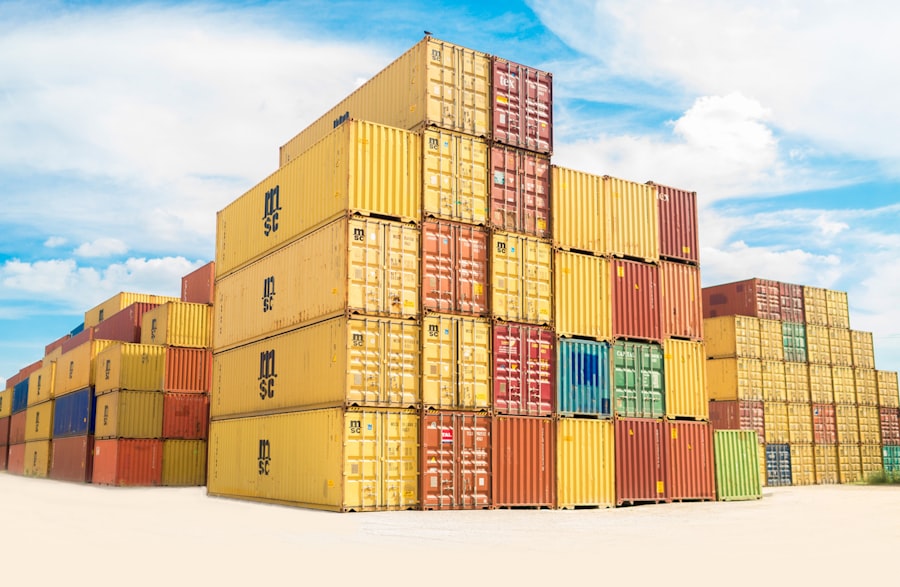
Simply accumulating more inventory is rarely the correct approach. A strategic, data-driven methodology is essential to optimize buffer levels without incurring excessive costs.
Demand Forecasting and Variability Analysis
Accurate demand forecasting is the bedrock of effective inventory management. By understanding historical demand patterns, seasonality, and potential external influences, organizations can make more informed decisions about buffer stock levels.
- Statistical Models: Employing techniques like moving averages, exponential smoothing, or ARIMA models to predict future demand.
- Machine Learning: Leveraging advanced algorithms to identify complex patterns and improve prediction accuracy, especially for volatile or new products.
- Variability Quantification: Measuring the standard deviation of demand and lead times to determine the appropriate safety stock levels for a desired service level.
Lead Time Management and Supplier Relationships
The stability and predictability of lead times significantly influence the need for buffer inventory. Shorter, more reliable lead times reduce the reliance on extensive safety stock.
- Supplier Performance Monitoring: Regularly assessing supplier delivery reliability, quality, and responsiveness.
- Lead Time Reduction Initiatives: Collaborating with suppliers to streamline processes, improve logistics, or adopt closer geographical sourcing.
- Supplier Diversification: Having multiple qualified suppliers for critical components reduces dependence on a single source, mitigating risks associated with individual supplier disruptions.
Network Design and Decentralization
The physical location and distribution of inventory buffers are crucial. While centralization can offer economies of scale, decentralization can enhance responsiveness and mitigate localized disruptions.
- Hub-and-Spoke vs. Distributed Networks: Evaluating whether to concentrate inventory in a few large distribution centers or spread it across multiple smaller facilities closer to customers or production sites.
- Postponement Strategies: Delaying the final customization or assembly of products until closer to the point of sale. This allows for holding generic components in buffer, reducing the risk of obsolescence for finished goods.
- Strategic Stockpile Locations: Establishing inventory buffers in regions prone to specific risks, such as natural disasters or geopolitical instability.
Technologies Enhancing Buffer Management
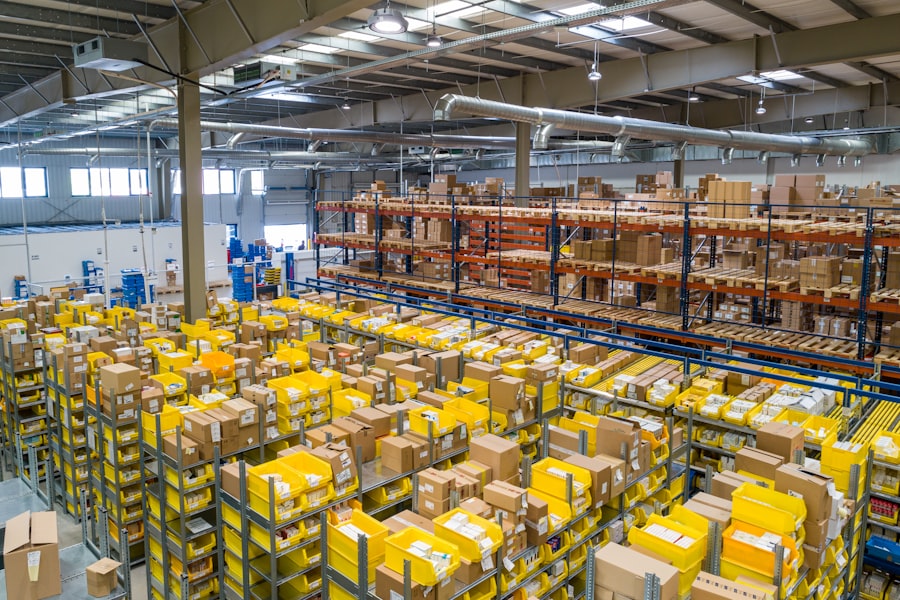
Modern technologies are transforming how organizations manage and optimize their inventory buffers, shifting from reactive stockpiling to proactive, intelligent management.
Advanced Analytics and AI
Artificial intelligence and machine learning algorithms are revolutionizing demand forecasting and inventory optimization.
- Predictive Analytics: Using historical data and real-time information to predict future demand with greater accuracy, considering a wider array of variables than traditional statistical methods.
- Prescriptive Analytics: Recommending optimal inventory levels and reorder points based on forecasted demand, lead times, and desired service levels, while factoring in holding costs and stockout penalties.
- Anomaly Detection: Identifying unusual patterns in demand or supply that could signal a disruption, allowing for proactive adjustments to buffer levels.
Internet of Things (IoT) and Real-time Visibility
IoT devices are providing unprecedented visibility into inventory status and location, both within warehouses and in transit.
- Automated Inventory Tracking: RFID tags and sensors provide real-time data on stock levels, location, and movement, reducing manual errors and improving accuracy.
- Condition Monitoring: Sensors can monitor environmental conditions (temperature, humidity) for sensitive products, ensuring quality and preventing spoilage, thereby optimizing the utility of buffered stock.
- In-transit Visibility: Tracking goods in transit provides more accurate estimated arrival times, allowing for dynamic adjustment of downstream buffers. The ability to “see” inventory as it journeys from point A to point B is akin to a ship’s captain having radar in a fog-bound sea.
Digital Twins and Simulation
Digital twins, virtual models of physical supply chains, allow organizations to simulate various disruption scenarios and test different inventory buffering strategies without real-world risk.
- Scenario Planning: Modeling the impact of potential disruptions (e.g., port closures, supplier failures) on inventory levels and service performance.
- Optimization of Buffer Placement: Using simulations to determine the optimal locations and quantities of buffer stock within the network to maximize resilience at minimal cost.
- Continuous Improvement: Repeatedly testing and refining inventory strategies in the digital realm to enhance overall supply chain robustness.
In today’s dynamic market, maintaining inventory buffer resilience is crucial for supply chain efficiency. A recent article highlights innovative strategies that companies are adopting to enhance their inventory management practices. For those interested in exploring this topic further, you can read about these strategies in detail in the article available at this link. By implementing these approaches, businesses can better navigate disruptions and ensure a steady flow of goods.
Challenges and Considerations
| Metric | Description | Typical Value / Range | Importance for Inventory Buffer Resilience |
|---|---|---|---|
| Inventory Turnover Ratio | Number of times inventory is sold and replaced over a period | 4 – 8 times per year | Indicates efficiency in managing inventory buffers to meet demand without excess stock |
| Safety Stock Level | Extra inventory held to prevent stockouts due to demand/supply variability | 5% – 20% of average demand | Critical for absorbing supply chain disruptions and maintaining service levels |
| Lead Time Variability | Variation in time between order placement and receipt | 1 – 5 days (varies by industry) | Higher variability requires larger inventory buffers to maintain resilience |
| Fill Rate | Percentage of customer demand met without stockouts | 95% – 99% | Measures effectiveness of inventory buffers in meeting customer demand |
| Backorder Rate | Percentage of orders delayed due to insufficient inventory | Less than 2% | Lower backorder rates indicate better inventory buffer resilience |
| Buffer Days of Supply | Number of days inventory can cover demand without replenishment | 7 – 30 days | Direct measure of inventory buffer size to absorb supply chain shocks |
| Demand Forecast Accuracy | Accuracy of predicting customer demand | 75% – 90% | Higher accuracy reduces need for large inventory buffers |
While inventory buffering is a powerful tool for resilience, its implementation is fraught with challenges and requires continuous refinement.
The Bullwhip Effect
One significant challenge is the “bullwhip effect,” where small fluctuations in demand at the retail level become amplified further upstream in the supply chain. This distortion can lead to excessive inventory buildup at different stages, negating the benefits of strategic buffering.
- Information Sharing: Promoting transparency and real-time data sharing across all tiers of the supply chain.
- Collaborative Planning: Jointly forecasting demand and planning production schedules with key partners.
- Lead Time Reduction: Minimizing the time between ordering and receiving goods can dampen the bullwhip’s amplification.
Cost-Benefit Optimization
Striking the right balance between the cost of holding inventory and the cost of potential stockouts is a perpetual challenge. This requires sophisticated analytical tools and a deep understanding of organizational risk tolerance.
- Service Level Agreements (SLAs): Defining explicit service level targets for different products or customer segments to guide buffer stock decisions.
- Cost of Capital: Accurately assessing the true cost of tying up capital in inventory.
- Obsolescence Risk Assessment: Regularly evaluating products for obsolescence risk, especially in fast-changing industries, to prevent financial losses from unsaleable stock.
Dynamic Adjustment
Supply chain conditions are rarely static. Market demand shifts, supplier reliability changes, and new risks emerge. Therefore, buffer inventory levels cannot be fixed but must be dynamically adjusted.
- Continuous Monitoring: Implementing systems for ongoing monitoring of key performance indicators (KPIs) related to demand, supply, and lead times.
- Automated Alerts: Setting up alerts for deviations from planned levels or thresholds, prompting timely review and adjustment of buffers.
- Regular Review Cycles: Periodically reviewing and updating inventory policies and buffer levels based on new data and changing business objectives.
In conclusion, inventory buffering is not a panacea for all supply chain vulnerabilities, but when strategically implemented and intelligently managed, it acts as a vital shock absorber. It is a nuanced art, requiring precise data, advanced analytics, and a clear understanding of the trade-offs involved. For an enterprise navigating the turbulent waters of modern global commerce, a well-calibrated inventory buffer is less about simply having “more” and more about having “just enough, in the right place, at the right time,” to ensure continuous operation and sustained customer satisfaction.
WATCH THIS 🔥 YOUR BILL JUST WENT UP: The $50 Billion Panama Canal Lie
FAQs
What is an inventory buffer in supply chain management?
An inventory buffer is a reserve stock of goods or materials kept on hand to protect against uncertainties in supply and demand. It helps ensure that production and customer orders can continue smoothly despite delays or fluctuations.
How does an inventory buffer contribute to supply chain resilience?
An inventory buffer enhances supply chain resilience by providing a cushion against disruptions such as supplier delays, transportation issues, or sudden spikes in demand. This buffer helps maintain service levels and reduces the risk of stockouts.
What factors determine the appropriate size of an inventory buffer?
The size of an inventory buffer depends on factors like demand variability, lead time variability, supplier reliability, production schedules, and the criticality of the items. Companies analyze these factors to balance the cost of holding inventory with the risk of stockouts.
Can inventory buffers negatively impact supply chain efficiency?
Yes, while inventory buffers improve resilience, excessive buffering can lead to higher holding costs, increased waste, and reduced cash flow. Therefore, it is important to optimize buffer sizes to maintain a balance between resilience and efficiency.
What strategies can companies use to optimize inventory buffers?
Companies can use demand forecasting, lead time reduction, supplier diversification, and inventory management technologies like just-in-time (JIT) and safety stock calculations to optimize inventory buffers. Continuous monitoring and adjustment based on real-time data also help maintain optimal buffer levels.