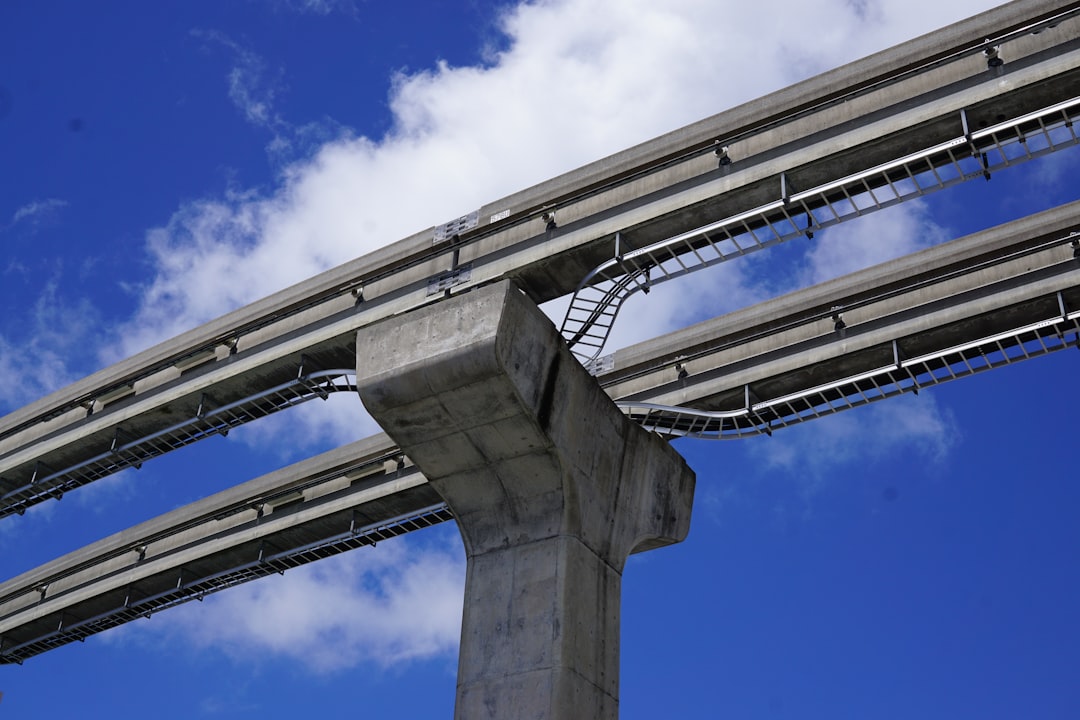
Infrastructure investment plays a pivotal role in the economic development of any nation, and Panama is no exception. As a country strategically located at the crossroads of North and South America, Panama’s infrastructure serves as a vital link for global trade. The Panama Canal, a marvel of engineering, is a testament to the importance of robust infrastructure in facilitating international commerce.
However, beyond the canal, the need for comprehensive infrastructure development extends to roads, bridges, ports, and public transportation systems. These elements are essential not only for enhancing connectivity but also for fostering economic growth and improving the quality of life for Panamanian citizens. Moreover, infrastructure investment is crucial for attracting foreign direct investment (FDI).
Investors are more likely to commit resources to a country that boasts reliable transportation networks, efficient utilities, and modern communication systems. In Panama, the government recognizes that enhancing infrastructure is not merely an expenditure but a strategic investment that can yield significant returns. By prioritizing infrastructure development, Panama can position itself as a competitive player in the global market, ensuring that it remains an attractive destination for businesses and tourists alike.
Key Takeaways
- Infrastructure investment is crucial for Panama’s economic growth and development.
- Panama faces challenges in its infrastructure, including outdated systems and capacity constraints.
- Infrastructure investment can lead to economic benefits such as job creation and increased productivity.
- The government plays a key role in driving infrastructure development through policies and funding.
- Infrastructure investment can enhance Panama’s competitiveness in the global market.
Current Challenges in Panama’s Infrastructure
Despite its strategic advantages, Panama faces several challenges regarding its infrastructure. One of the most pressing issues is the aging and inadequate state of many existing facilities. While the Panama Canal has undergone significant upgrades, other critical infrastructures, such as roads and public transport systems, have not kept pace with the growing demands of a rapidly urbanizing population.
Traffic congestion in urban areas like Panama City has become a daily struggle for residents, leading to lost productivity and increased pollution levels. The need for modernization and expansion of these systems is urgent to accommodate the rising number of vehicles and commuters. Additionally, funding remains a significant hurdle in addressing these infrastructure challenges.
While the government has made strides in securing financing for various projects, budget constraints and competing priorities often hinder progress. Corruption and inefficiency in project execution further exacerbate these issues, leading to delays and cost overruns. As a result, many infrastructure projects remain incomplete or fail to meet their intended objectives.
To overcome these challenges, Panama must adopt innovative financing solutions and improve governance structures to ensure that infrastructure investments are effectively managed and executed.
The Economic Benefits of Infrastructure Investment

Investing in infrastructure yields substantial economic benefits that extend beyond immediate job creation. Improved infrastructure enhances productivity by reducing transportation costs and travel times, which can lead to increased efficiency for businesses. For instance, better roads and public transport systems facilitate the movement of goods and people, allowing companies to operate more effectively and reach broader markets.
This increased efficiency can stimulate economic growth by attracting new businesses and encouraging existing ones to expand their operations. Furthermore, infrastructure investment can have a multiplier effect on the economy. When construction projects are initiated, they create jobs not only in the construction sector but also in related industries such as manufacturing and services.
As workers earn wages from these projects, they contribute to local economies by spending on goods and services. This influx of spending can lead to increased demand for local businesses, further stimulating economic activity. In this way, infrastructure investment serves as a catalyst for broader economic development, creating a virtuous cycle of growth that benefits all sectors of society.
The Role of the Government in Infrastructure Development
| Aspect | Metrics |
|---|---|
| Investment | Government spending on infrastructure projects |
| Regulation | Number of regulations and policies governing infrastructure development |
| Public-Private Partnerships | Number of PPP projects initiated by the government |
| Infrastructure Quality | Rating of infrastructure quality by independent agencies |
| Job Creation | Number of jobs created through infrastructure projects |
The government plays a crucial role in driving infrastructure development in Panama. As the primary entity responsible for planning, financing, and executing infrastructure projects, the government must establish clear policies and frameworks that prioritize investment in critical areas. This includes identifying key projects that align with national development goals and ensuring that resources are allocated efficiently.
By taking a proactive approach to infrastructure planning, the government can create an environment conducive to sustainable growth. Moreover, public-private partnerships (PPPs) have emerged as an effective model for financing infrastructure projects in Panama. By collaborating with private sector entities, the government can leverage additional resources and expertise to deliver projects more efficiently.
These partnerships can also help mitigate risks associated with large-scale investments while ensuring that projects meet the needs of both the public and private sectors. The government’s ability to foster these partnerships will be instrumental in addressing Panama’s infrastructure challenges and unlocking its full economic potential.
The Impact of Infrastructure Investment on Panama’s Competitiveness
Infrastructure investment directly influences Panama’s competitiveness on the global stage. A well-developed infrastructure network enhances the country’s ability to attract foreign investment by providing businesses with the necessary tools to operate efficiently. For instance, modern ports and logistics facilities enable faster shipping times and lower transportation costs, making Panama an attractive hub for international trade.
As a result, companies looking to establish operations in Latin America often consider Panama due to its strategic location and superior infrastructure. Additionally, improved infrastructure contributes to a better quality of life for residents, which can enhance workforce productivity. Access to reliable transportation options allows workers to commute more easily to their jobs, reducing time spent in traffic and increasing overall job satisfaction.
Furthermore, investments in utilities such as water supply and electricity ensure that businesses have access to essential services needed for their operations. By prioritizing infrastructure development, Panama can strengthen its competitive position in the global economy while simultaneously improving living standards for its citizens.
Opportunities for Foreign Investment in Panama’s Infrastructure
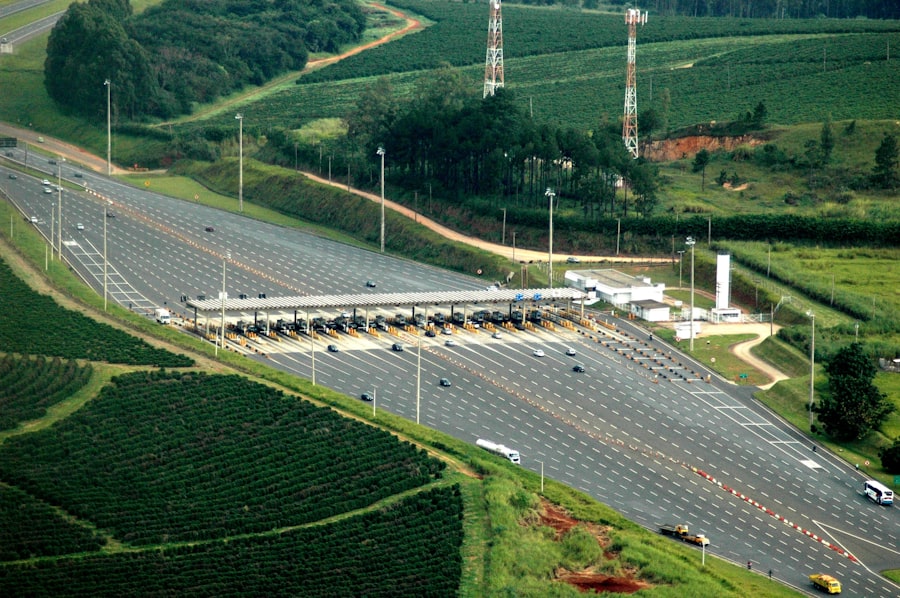
Panama presents numerous opportunities for foreign investors looking to engage in infrastructure development. The government’s commitment to enhancing its infrastructure landscape has opened doors for international companies seeking to participate in various projects. From transportation networks to energy generation facilities, foreign investors can find a range of opportunities that align with their expertise and interests.
The potential for high returns on investment makes Panama an attractive destination for those looking to capitalize on its growing economy. Moreover, foreign investment can bring valuable expertise and technology to Panama’s infrastructure sector. International companies often possess advanced knowledge in project management, engineering practices, and innovative construction techniques that can significantly improve project outcomes.
By collaborating with local firms and government entities, foreign investors can contribute to building a more resilient and efficient infrastructure system while also fostering knowledge transfer that benefits the local workforce.
Sustainable Infrastructure Development in Panama
Sustainable infrastructure development is becoming increasingly important as Panama seeks to balance economic growth with environmental stewardship. The government recognizes that investing in sustainable practices is essential for ensuring long-term viability while minimizing negative impacts on natural resources. This includes prioritizing renewable energy sources, implementing green building standards, and promoting efficient waste management systems within infrastructure projects.
Additionally, sustainable infrastructure development can enhance community resilience against climate change impacts. By incorporating climate adaptation measures into project designs—such as flood-resistant roads or energy-efficient buildings—Panama can better prepare for future environmental challenges. This approach not only protects investments but also contributes to the overall well-being of communities by creating healthier living environments.
The Role of Technology in Modernizing Panama’s Infrastructure
Technology plays a transformative role in modernizing Panama’s infrastructure landscape. The integration of smart technologies into transportation systems can enhance efficiency by optimizing traffic flow and reducing congestion through real-time data analysis. For instance, intelligent traffic management systems can adjust signal timings based on current traffic conditions, improving travel times for commuters while minimizing emissions.
Moreover, advancements in construction technology can lead to more efficient project delivery methods. Techniques such as Building Information Modeling (BIM) allow for better planning and coordination among stakeholders throughout the construction process. By embracing these technological innovations, Panama can streamline its infrastructure development efforts while ensuring that projects are completed on time and within budget.
Addressing Social and Environmental Considerations in Infrastructure Projects
As Panama embarks on ambitious infrastructure projects, it is essential to address social and environmental considerations proactively. Engaging with local communities during the planning stages ensures that their needs and concerns are taken into account. This participatory approach fosters trust between stakeholders and helps mitigate potential conflicts arising from land use or environmental impacts.
Environmental assessments should also be integral to project planning processes. By evaluating potential ecological consequences before construction begins, decision-makers can implement measures to minimize harm to natural habitats or water resources. Striking a balance between development goals and environmental protection is crucial for ensuring sustainable growth that benefits both current residents and future generations.
The Potential for Job Creation through Infrastructure Investment
Infrastructure investment has significant potential for job creation across various sectors of the economy.
However, the ripple effects extend far beyond construction employment; as new infrastructure comes online, it creates demand for services such as maintenance, logistics support, and administrative roles.
By prioritizing local hiring practices within projects—such as training programs or apprenticeships—Panama can empower its workforce while fostering community engagement around development initiatives.
The Future of Panama’s Infrastructure: A Vision for Growth and Development
Looking ahead, Panama’s vision for its infrastructure future must encompass both ambitious goals and practical strategies for implementation. A comprehensive national plan should outline key priorities—ranging from transportation networks to energy generation—that align with broader economic objectives while addressing pressing social needs. Collaboration among government agencies, private sector partners, civil society organizations, and local communities will be essential in realizing this vision.
By fostering an inclusive dialogue around infrastructure development—one that considers diverse perspectives—Panama can build a resilient foundation capable of supporting sustainable growth well into the future. In conclusion, investing in infrastructure is not merely about constructing physical assets; it is about laying the groundwork for a prosperous future where economic opportunities abound for all Panamanians. Through strategic planning, innovative financing models, sustainable practices, technological advancements, social engagement efforts—and above all—a commitment to collaboration—Panama can transform its infrastructure landscape into one that drives growth while enhancing quality of life across the nation.
Panama has been making significant strides in enhancing its infrastructure to support economic growth and improve the quality of life for its citizens. A related article on this topic can be found on MyGeoQuest, which discusses various infrastructure projects and their impact on the region. For more detailed insights, you can read the article by visiting this page. The article provides an in-depth analysis of the ongoing and planned infrastructure investments in Panama, highlighting the potential benefits and challenges associated with these developments.
😨 WATCH THIS! 🚢 The Panama Canal Is a Ticking Time Bomb: What Happens If It Fails?
FAQs
What is the current state of infrastructure in Panama?
Panama’s infrastructure is considered to be in good condition, with ongoing investments in various sectors such as transportation, energy, and telecommunications.
What are the main areas of infrastructure investment in Panama?
The main areas of infrastructure investment in Panama include transportation (roads, ports, and airports), energy (hydroelectric power plants and renewable energy projects), and telecommunications (expansion of broadband and mobile networks).
What are the benefits of infrastructure investment in Panama?
Infrastructure investment in Panama can lead to improved connectivity, increased economic growth, job creation, and enhanced quality of life for its citizens. It can also attract foreign investment and boost the country’s competitiveness.
How is Panama funding its infrastructure projects?
Panama funds its infrastructure projects through a combination of public and private investment, as well as through international financing and partnerships with multilateral development banks.
What are some notable infrastructure projects in Panama?
Some notable infrastructure projects in Panama include the expansion of the Panama Canal, the construction of the Panama Metro, the development of renewable energy projects, and the modernization of ports and airports.
What are the challenges facing infrastructure investment in Panama?
Challenges facing infrastructure investment in Panama include bureaucratic hurdles, environmental concerns, and the need for transparent and efficient procurement processes. Additionally, the country must ensure that infrastructure projects benefit all segments of the population and promote sustainable development.