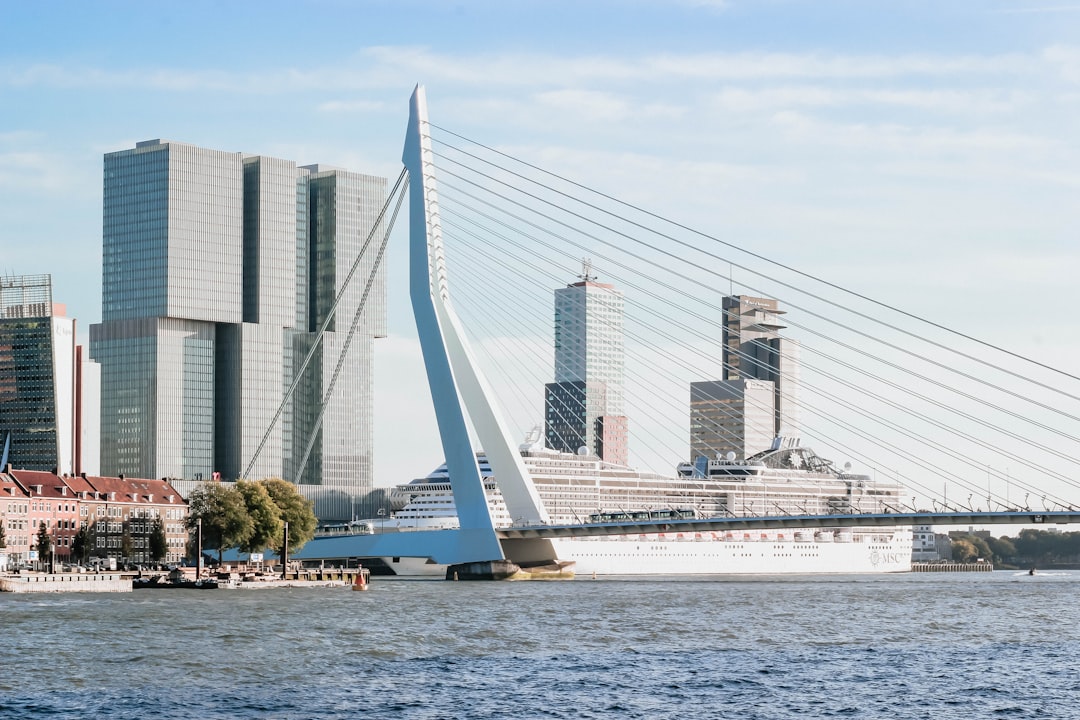
The Port of Rotterdam, as a major European logistics hub, consistently seeks to optimize its operational efficiency. A critical component of this optimization involves its extensive inland navigation network. This intricate system of rivers and canals serves as a vital artery, connecting the port to the European hinterland and facilitating the seamless flow of goods. Understanding the strategies and technologies employed to enhance this network’s efficiency is crucial for stakeholders invested in global supply chains.
Inland navigation plays a pivotal role in the Port of Rotterdam’s overall logistical ecosystem. It acts as a resilient backbone for freight distribution, offering a sustainable and often more cost-effective alternative to road transport.
Reducing Road Congestion and Environmental Impact
The sheer volume of goods handled by the Port of Rotterdam necessitates a diversified transport strategy. Relying solely on road transport would lead to unsustainable levels of congestion on arterial routes, impacting delivery times and increasing operational costs. Inland navigation actively mitigates this. A single inland vessel can transport the equivalent of hundreds of trucks, significantly reducing the number of vehicles on the road.
Furthermore, the environmental benefits are substantial. Inland vessels generally have lower carbon emissions per ton-kilometer compared to road transport. This aligns with broader European initiatives to decarbonize the logistics sector and improves the port’s environmental footprint. For businesses, this translates to meeting increasingly stringent sustainability targets and bolstering their corporate social responsibility profiles.
Cost-Effectiveness and Reliability
From an economic perspective, inland navigation often presents a more cost-effective solution for bulk and non-time-sensitive cargo. While initial transit times might be slightly longer than express road transport, the economies of scale afforded by larger cargo capacities often outweigh this difference for many types of goods.
The reliability of inland waterways is another key advantage. Less susceptible to traffic jams or industrial action affecting road networks, inland shipping provides a more predictable and consistent delivery schedule. This predictability is invaluable for supply chain planning, minimizing disruptions and ensuring goods reach their destinations within expected timeframes. However, it is important to note that water levels can occasionally impact navigability, requiring careful planning and contingency measures.
The Port of Rotterdam plays a crucial role in facilitating inland navigation, serving as a vital hub for the transportation of goods throughout Europe. For more insights into the impact of inland waterways on trade and logistics, you can read a related article that explores the benefits and challenges of this mode of transport. Check it out here: Inland Navigation and Its Role in Modern Trade.
Technological Advancements and Digitalization
The Port of Rotterdam is at the forefront of integrating cutting-edge technology and digital solutions to revolutionize inland navigation. These advancements aim to enhance real-time visibility, optimize vessel movements, and facilitate seamless data exchange.
Real-time Information Sharing and Port Community Systems
Central to improving efficiency is the ability to share real-time information effectively among all stakeholders. The Port Community System (PCS) serves as a digital nervous system for the port, facilitating the exchange of critical data. For inland navigation, this includes vessel arrival and departure times, cargo manifests, berth availability, and customs information.
These systems provide a unified platform, eliminating fragmented communication channels and reducing administrative burdens. Vessel operators can receive immediate updates on port conditions, enabling them to adjust their schedules proactively. Similarly, terminal operators can anticipate vessel arrivals more accurately, optimizing their resource allocation for unloading and loading operations. This digital synchronization acts as a lubricant, reducing friction in the logistical gears.
Automation and Autonomous Navigation Initiatives
The long-term vision for inland navigation includes increasing levels of automation. While fully autonomous vessels are still in development, significant progress is being made in areas such as remote monitoring, automated mooring systems, and enhanced navigation aids. These technologies aim to improve safety, reduce human error, and potentially allow for more efficient operation around the clock.
The Port of Rotterdam is actively involved in pilot projects exploring autonomous shipping on inland waterways. These initiatives focus on validating the safety and reliability of such technologies in real-world scenarios. The lessons learned from these trials will be instrumental in shaping future regulatory frameworks and the wider adoption of autonomous vessels, promising further efficiency gains and potentially addressing labor shortages in the long run.
Data Analytics for Predictive Insights
The vast amount of data generated by inland navigation, from vessel movements to cargo flows, offers immense potential for predictive analytics. By analyzing historical and real-time data, operators can gain insights into patterns, anticipate bottlenecks, and optimize routing.
For instance, predictive models can forecast peak congestion periods at locks or bridges, allowing vessel operators to adjust their departure times to avoid delays. Similarly, demand forecasting can help port authorities allocate resources more effectively, ensuring sufficient infrastructure and personnel are available during busy periods. This intelligent use of data transforms reactive decision-making into proactive strategic planning, much like a seasoned chess player anticipating several moves ahead.
Infrastructure Development and Optimization
Continuous investment in infrastructure is paramount for maintaining and improving the efficiency of inland navigation. The Port of Rotterdam and its partners are focused on enhancing waterways, increasing capacity, and optimizing intermodal connections.
Deepening and Widening Waterways
To accommodate larger vessels and enhance navigability, ongoing projects involve deepening and widening key inland waterways. This allows for greater cargo capacity per vessel, reducing the number of journeys required to transport a given volume of goods. It also improves accessibility for different types of vessels, offering greater flexibility to shippers.
These infrastructure upgrades often involve complex engineering challenges, requiring careful planning and collaboration with regional authorities. The benefits, however, extend beyond mere capacity. Improved waterways contribute to safer navigation, reducing the risk of accidents and grounding incidents, thereby ensuring operational continuity.
Modernization of Locks and Bridges
Locks and bridges are critical bottlenecks in any inland waterway network. Modernization efforts focus on increasing their throughput capacity and reducing transit times. This includes upgrading control systems, automating operations, and in some cases, constructing new, larger locks to accommodate projected growth in vessel traffic.
The optimization of lock scheduling, often supported by digital systems, minimizes waiting times for vessels. By coordinating movements and prioritizing specific cargo, operators can significantly accelerate the flow of traffic through these critical chokepoints. This is akin to streamlining traffic lights in a busy city, ensuring vehicles keep moving rather than idling.
Enhancing Intermodal Terminals
The efficiency of inland navigation is intrinsically linked to the seamless transfer of goods between different modes of transport. The Port of Rotterdam is investing in expanding and modernizing its network of inland terminals, often referred to as “dry ports.” These terminals act as extended gateways to the European hinterland, where containers and bulk cargo can be efficiently transferred between barges, trains, and trucks.
Well-equipped intermodal terminals offer state-of-the-art handling equipment, ample storage capacity, and efficient customs clearance processes. By bringing port-related services closer to end customers, these terminals reduce road mileage and optimize the overall supply chain. This distributed network effectively extends the Port of Rotterdam’s reach, acting as a network of local service centers for a vast region.
Collaborative Initiatives and Stakeholder Engagement
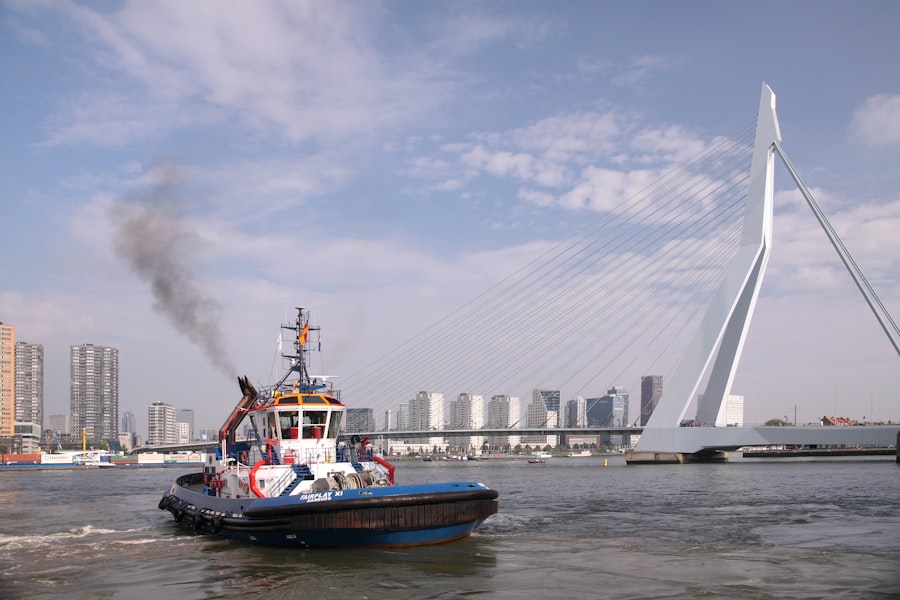
Optimizing inland navigation is not solely a technical endeavor; it requires strong collaboration and continuous engagement among a diverse group of stakeholders, including port authorities, shipping companies, terminal operators, and government bodies.
Partnering with Inland Shipping Operators
Close collaboration with inland shipping operators is essential. Their operational experience and insights are invaluable in identifying pain points and developing practical solutions. Regular communication channels allow for feedback on new technologies, infrastructure projects, and operational procedures.
The Port of Rotterdam often engages in joint ventures and pilot programs with shipping companies to test innovative solutions. This co-creation approach ensures that developments are relevant, user-friendly, and deliver tangible benefits to those on the front lines of cargo transport. This shared ownership of solutions fosters a sense of commitment and shared purpose.
Government Policies and Funding
Government policies play a crucial role in shaping the landscape of inland navigation. Supportive legislation, clear regulatory frameworks, and targeted funding for infrastructure projects and technological innovation are vital. The Dutch government, for instance, has a long-standing commitment to promoting inland shipping as a sustainable mode of transport.
These policies often include subsidies for greener vessels, incentives for modal shift from road to water, and investment in research and development. The Port of Rotterdam actively collaborates with government agencies to advocate for policies that foster a favorable environment for inland navigation growth and efficiency. This government support forms the fertile ground upon which innovation can flourish.
Education and Workforce Development
The adoption of new technologies and the modernization of inland navigation require a skilled workforce. Initiatives focused on education and workforce development are critical to ensure that the industry has the necessary expertise. This includes training programs for operating advanced vessels, managing digital systems, and maintaining automated equipment.
Attracting new talent to the inland navigation sector is also a priority. By showcasing the technological advancements and career opportunities within the industry, stakeholders aim to address potential labor shortages and ensure a pipeline of skilled professionals for the future. Investing in human capital is as important as investing in physical infrastructure; without skilled hands to operate and maintain, even the most advanced systems are mere potential.
The Port of Rotterdam plays a crucial role in facilitating inland navigation, significantly enhancing the efficiency of cargo transport throughout Europe. For those interested in exploring the intricacies of this vital transportation network, a related article can be found at My GeoQuest, which delves into the impact of inland waterways on trade and logistics. This resource provides valuable insights into how the Port of Rotterdam integrates with various inland navigation routes, ultimately contributing to a more sustainable and effective supply chain.
Sustainability and Future Outlook
| Metric | Value | Unit | Year | Notes |
|---|---|---|---|---|
| Total Inland Navigation Throughput | 35.5 | Million Tonnes | 2023 | Volume of goods transported via inland waterways |
| Number of Inland Vessels | 12,000 | Vessels per year | 2023 | Registered inland navigation vessels calling at the port |
| Inland Navigation Share of Total Throughput | 35 | Percent | 2023 | Percentage of total port cargo handled by inland navigation |
| Average Transit Time (Inland Waterway) | 18 | Hours | 2023 | Average time for inland vessels to reach the port |
| CO2 Emissions Reduction via Inland Navigation | 25 | Percent | 2023 | Compared to road transport for equivalent cargo |
| Inland Navigation Cargo Types | Bulk, Containers, Liquid Bulk | Categories | 2023 | Main cargo types transported by inland vessels |
The Port of Rotterdam’s commitment to boosting inland navigation efficiency is inextricably linked to its broader sustainability agenda. The future of inland shipping is green, smart, and interconnected.
Electrification and Alternative Fuels
The push towards decarbonization is driving significant research and development into electrification and alternative fuels for inland vessels. Pilot projects are exploring the viability of battery-electric barges, hydrogen-powered vessels, and those running on biofuels or LNG (Liquefied Natural Gas).
While challenges remain, particularly regarding charging infrastructure and fuel availability, the Port of Rotterdam is actively supporting these transitions. This includes developing bunkering facilities for alternative fuels and offering incentives for operators to adopt greener propulsion systems. The goal is to transform inland navigation into a near-zero-emission mode of transport, positioning it as a leading solution for sustainable logistics.
Circular Economy Integration
Inland navigation can also play a role in facilitating the circular economy. By efficiently transporting waste streams for recycling and raw materials for renewed production, barges contribute to resource efficiency. The Port of Rotterdam’s focus on industrial symbiosis and circularity reinforces this potential.
This integration extends to the design and operation of vessels themselves. Efforts are being made to use more sustainable materials in vessel construction, improve recycling processes for retired vessels, and reduce waste generation during operations. This holistic approach ensures that inland navigation is not just a transport mode but an integral part of a sustainable economic system, much like an ecological cycle where every element serves a purpose.
Resilience and Adaptability
The future of logistics is characterized by increasing complexity and uncertainty. Events such as pandemics, geopolitical shifts, and climate change underscore the need for resilient and adaptable supply chains. Inland navigation, with its flexibility and capacity, forms a crucial component of this resilience.
By diversifying transport options and reducing reliance on single modes, the Port of Rotterdam enhances the overall robustness of its logistical network. The ability of inland vessels to adapt to varying cargo types and volumes, coupled with ongoing technological advancements, positions inland navigation as a vital and enduring element in the port’s strategy for sustained efficiency and competitiveness in the global arena. The port recognizes that simply going faster is not enough; one must be prepared for the unpredictable currents that lie ahead.
FAQs
What is inland navigation in the context of the Port of Rotterdam?
Inland navigation refers to the transportation of goods and cargo via rivers, canals, and other inland waterways connected to the Port of Rotterdam. It is a key mode of transport that facilitates efficient and sustainable movement of freight between the port and inland destinations.
Why is inland navigation important for the Port of Rotterdam?
Inland navigation is crucial for the Port of Rotterdam because it helps reduce road congestion, lowers carbon emissions, and provides a cost-effective and reliable way to transport large volumes of goods. It enhances the port’s connectivity to the European hinterland, supporting trade and economic growth.
What types of vessels are commonly used for inland navigation at the Port of Rotterdam?
The Port of Rotterdam primarily uses barges and inland vessels designed for navigating rivers and canals. These vessels vary in size and capacity but are optimized to handle bulk goods, containers, and other cargo types efficiently within the inland waterway network.
How does the Port of Rotterdam support inland navigation infrastructure?
The Port of Rotterdam invests in maintaining and upgrading its inland waterway infrastructure, including locks, terminals, and docking facilities. It also collaborates with regional and national authorities to ensure smooth navigation, improve waterway accessibility, and integrate inland shipping with other transport modes.
What environmental benefits does inland navigation offer compared to other transport modes?
Inland navigation is more environmentally friendly than road and rail transport because it produces lower greenhouse gas emissions per ton-kilometer. It also reduces traffic congestion and noise pollution, contributing to a more sustainable logistics chain connected to the Port of Rotterdam.