
The Baku-Tbilisi-Kars (BTK) railway, a crucial artery in the East-West transit corridor, has been the subject of ongoing efforts to boost its operational capacity. This ambitious infrastructure project, designed to connect China to Europe via Central Asia, the Caucasus, and Turkey, aims to facilitate trade and strengthen regional cooperation. As global supply chains undergo transformation and the demand for efficient, multimodal transit solutions grows, enhancing the BTK’s throughput becomes increasingly vital. This article explores the multifaceted strategies and considerations involved in boosting capacity on the Baku-Tbilisi-Kars railway, examining the challenges, potential solutions, and the broader implications for regional and international trade.
Before embarking on a journey to increase capacity, it is imperative to have a clear understanding of the existing limitations. The BTK railway, while a significant achievement, operates within a complex network of national railways, each with its own operational characteristics, signaling systems, and gauge standards. Identifying these specific pinch points is the first step in optimizing the line’s performance.
Gauge Transformation: Navigating the Georgian and Turkish Sections
One of the most significant technical challenges on the BTK route lies in the gauge difference. The railway transitions from standard gauge (1,520 mm) prevalent in Azerbaijan and Georgia to the standard gauge (1,435 mm) in Turkey. This necessitates a change of bogies or a transshipment of cargo at the Akhalkalaki station in Georgia, the initial point of gauge transition. The efficiency and speed of this process directly impact the overall transit time and, consequently, the capacity of the railway. If bogie-changing operations are slow or inefficient, it becomes a bottleneck, akin to a narrow chasm that restricts the flow of goods.
Signaling and Telecommunication Systems: The Nervous System of the Railway
The effectiveness of any railway network hinges on its signaling and telecommunication systems. These are the nervous system that guides trains safely and efficiently. Differences in operational protocols, outdated signaling equipment in certain sections, and the lack of seamless communication across national borders can create delays and limit the number of trains that can operate simultaneously. The integration and modernization of these systems are paramount to unlocking higher throughput.
Operational Procedures and Interoperability: Harmonizing the Flow
Beyond the physical infrastructure, operational procedures play a crucial role. Divergent rules and regulations between the national railway administrations of Azerbaijan, Georgia, and Turkey can lead to inefficiencies. This can manifest in varying train dispatching procedures, differing crew rest requirements, and inconsistent timetables. Achieving greater interoperability requires a concerted effort to harmonize these operational aspects, ensuring a smoother and more predictable flow of trains.
Infrastructure Limitations: The Physical Constraints
While significant investment has gone into the BTK, certain sections of the existing national railway networks that feed into or connect with the BTK may still possess infrastructure limitations. This could include single-track sections, aging track beds, or bridges with weight restrictions. These physical constraints can limit train speeds, axle loads, and the overall frequency of services, acting as anchors restraining the potential of the line.
The recent upgrades to the Baku-Tbilisi-Kars railway capacity are part of a broader initiative to enhance regional connectivity and trade. For more insights on the implications of these upgrades and their impact on transportation in the Caucasus region, you can read a related article at My GeoQuest. This article delves into the strategic importance of the railway and how it facilitates economic growth among the countries involved.
Strategies for Capacity Enhancement: Building a Wider Highway
Boosting the capacity of the BTK railway is not a single solution but rather a suite of integrated strategies. These approaches aim to address the identified bottlenecks by improving efficiency, upgrading infrastructure, and fostering greater collaboration between the involved parties. It is akin to widening a highway, adding more lanes, and improving traffic management to allow for a greater volume of vehicles.
Modernizing Infrastructure: Laying the Foundation for Increased Throughput
Direct investment in the physical infrastructure is a cornerstone of capacity enhancement. This involves upgrading track beds, replacing aging rails, reinforcing bridges, and, crucially, addressing the gauge transition more effectively.
Enhancing Track and Bridge Strength: Carrying Heavier Loads More Frequently
Strengthening the track infrastructure and bridges allows for heavier and longer trains to traverse the route. This means a single train can carry more cargo, thereby increasing the overall tonnage moved per day. It also contributes to higher speeds and reduces the risk of track-related delays, which can have a cascading effect on the entire network.
Investing in Electrification and Power Supply: Fueling the Future
Electrification of key sections of the BTK, where feasible, can significantly boost operational efficiency. Electric locomotives are generally more powerful, require less maintenance, and contribute to a cleaner and more sustainable transit ecosystem. A robust and reliable power supply is the lifeblood that sustains this electrification, ensuring uninterrupted operations.
Improving Station and Yard Facilities: Optimizing Transshipment and Operations
The capacity of stations and marshalling yards is critical for managing train movements, undertaking maintenance, and facilitating cargo handling. Upgrading these facilities, including expanding sidings, modernizing signaling within yards, and improving cargo handling equipment, can dramatically reduce turnaround times for trains and allow for more trains to be processed simultaneously.
Technological Advancements: Leveraging Innovation for Efficiency
Technology offers a powerful toolkit for optimizing railway operations and unlocking latent capacity. The adoption of advanced signaling, communication, and management systems can transform the way the BTK functions.
Implementing Advanced Signaling and Train Control Systems: Intelligent Navigation
Next-generation Automatic Train Protection (ATP) systems and advanced signaling technologies can enable closer train spacing and increase track capacity by optimizing train movements. These systems act as intelligent navigators, ensuring safety while maximizing the utilization of the available track. Initiatives like the European Train Control System (ETCS) could be explored for standardization and improved interoperability.
Embracing Digitalization and Data Analytics: Predictive Power
The digitalization of railway operations, including the use of sensors, GPS tracking, and data analytics, can provide real-time insights into train performance, track conditions, and operational bottlenecks. This data-driven approach allows for proactive maintenance, optimized scheduling, and more efficient resource allocation, acting as a powerful predictive tool to prevent future issues.
Enhancing Communication Networks: Seamless Dialogue
A robust and unified communication network across the entire BTK route is essential for effective coordination between railway operators, dispatchers, and train crews. This ensures that information flows freely and accurately, minimizing misunderstandings and delays.
Harmonizing Operations and Regulations: Creating a Unified Front
The administrative and regulatory landscape is as important as the physical infrastructure. Streamlining procedures and fostering closer cooperation can unlock significant capacity gains.
Developing a Unified Operational Manual: A Common Language
The creation and adoption of a unified operational manual that standardizes procedures, timetables, and train dispatching rules across Azerbaijan, Georgia, and Turkey is a critical step. This ensures that all stakeholders are speaking the same operational language, reducing confusion and delays.
Streamlining Customs and Border Procedures: Clearing the Path
The timely processing of cargo at border crossings is a key factor in transit times. Collaboration with customs authorities to implement streamlined, digitalized, and potentially pre-arrival clearance procedures can significantly reduce delays and improve the overall efficiency of the BTK route.
Fostering Inter-Railway Cooperation: A Collaborative Spirit
Stronger collaborative frameworks between the national railway administrations of Azerbaijan, Georgia, and Turkey are vital. This includes regular dialogue, joint training programs, and the establishment of dedicated working groups to address operational challenges and identify opportunities for improvement. A united front is stronger than individual efforts.
Addressing the Gauge Transition: A Strategic Imperative
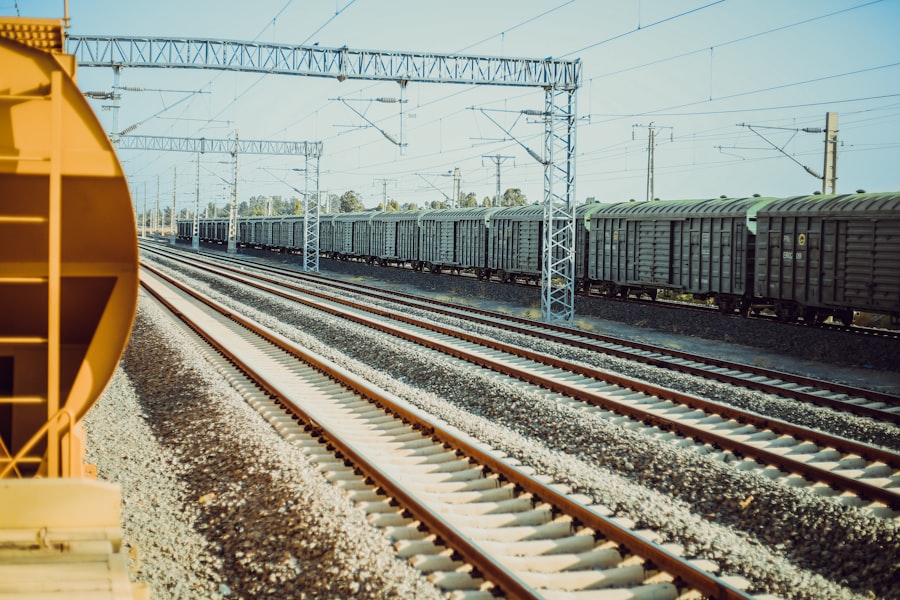
The gauge difference between the 1,520 mm network in Azerbaijan and Georgia and the 1,435 mm standard gauge in Turkey is perhaps the most prominent operational hurdle for the BTK. Overcoming this requires innovative and efficient solutions.
Optimizing Bogie-Changing Operations: Swift Transitions
The current method of changing bogies at Akhalkalaki is a critical point for capacity. Enhancing the efficiency of this process through automation, improved equipment, and optimized workflows can drastically reduce the time spent by wagons at the station, thereby increasing the throughput of the line. This is like ensuring the loading docks for different types of trucks operate like a well-oiled machine.
Exploring Alternative Transshipment Solutions: Diversifying the Toolkit
While bogie changing is a primary method, exploring and potentially implementing alternative transshipment solutions, where appropriate, might offer further flexibility and efficiency. This could involve specialized equipment for specific types of cargo or intermodal solutions that minimize the need for physical handling.
Investing in Wagons with Adjustable Gauge Bogies: A Forward-Thinking Approach
The development and deployment of freight wagons equipped with adjustable gauge bogies, where technically and economically feasible, could offer a more seamless transit experience. This would significantly reduce or eliminate the need for manual bogie changes, allowing trains to proceed with minimal interruption.
Enhancing Connectivity and Intermodality: The Wider Network Effect
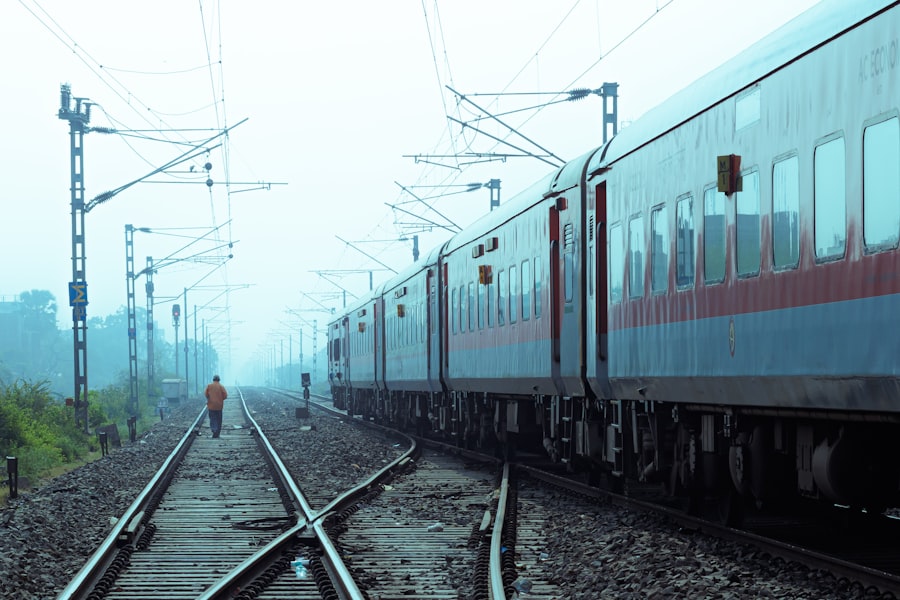
The success of the BTK railway is intrinsically linked to its connectivity with other modes of transport and its integration into broader logistical networks. Boosting its capacity means not just looking at the line itself but also at how it interacts with the surrounding ecosystem.
Strengthening Inland Waterway and Port Connections: Feeding the Dragon and the Ship
Improved connections to inland waterway systems and major seaports at both ends of the BTK route are crucial. This allows for efficient multimodal transfers, ensuring that cargo can flow seamlessly from ships to trains and vice versa. These connections act as arteries, feeding both the land-based dragon of the railway and the oceanic vessels.
Developing Dry Ports and Logistics Hubs: Centralized Hubs of Activity
The establishment and expansion of strategically located dry ports and logistics hubs along the BTK corridor can significantly enhance its capacity. These hubs facilitate consolidation, deconsolidation, warehousing, and distribution of goods, streamlining the entire supply chain and reducing transit times. They become bustling central stations where different logistical flows converge and diverge efficiently.
Fostering Partnerships with Shipping Lines and Freight Forwarders: Collaborative Chains
Building strong partnerships with major shipping lines and freight forwarders is essential for ensuring consistent cargo volumes and optimizing scheduling. These collaborations can help synchronize the movement of goods across different modes of transport, ensuring that the BTK railway is consistently utilized to its full potential.
The recent discussions surrounding the Baku-Tbilisi-Kars railway capacity upgrades have highlighted the strategic importance of this corridor in enhancing regional connectivity and trade. As nations look to improve their infrastructure, the implications of these upgrades extend beyond mere transportation efficiency. For a deeper understanding of the geopolitical and economic impacts of such developments, you can explore a related article that delves into the broader context of railway expansions in the region. This insightful piece can be found here.
The Future of the BTK: A Corridor of Opportunity
| Metric | Value | Unit | Notes |
|---|---|---|---|
| Current Annual Capacity | 6.5 | Million Tons | Initial operational capacity of the railway |
| Target Annual Capacity after Upgrades | 17 | Million Tons | Planned capacity after completion of upgrades |
| Current Train Frequency | 2-3 | Trains per day | Number of trains currently operating daily |
| Target Train Frequency | 5-6 | Trains per day | Expected frequency after capacity upgrades |
| Track Gauge Compatibility | Standard & Broad | Types | Supports both 1435 mm and 1520 mm gauges |
| Upgrade Completion Year | 2025 | Year | Expected year for full capacity upgrade completion |
| Key Upgrade Components | Track doubling, signaling, terminal expansion | Descriptions | Major infrastructure improvements planned |
The continuous efforts to boost capacity on the Baku-Tbilisi-Kars railway are not merely about improving a single piece of infrastructure. They represent a strategic vision to unlock the economic potential of the Caucasus region, strengthen East-West trade ties, and offer a viable alternative to existing transit routes. As global trade patterns evolve and the demand for efficient, resilient supply chains intensifies, the BTK, with its enhanced capacity, is poised to play an increasingly significant role. The journey of capacity enhancement is an ongoing one, requiring sustained investment, technological adoption, and unwavering international cooperation. The future of the BTK lies in its ability to become a more robust, reliable, and efficient conduit for global commerce, serving as a true artery of economic prosperity.
FAQs
What is the Baku-Tbilisi-Kars railway?
The Baku-Tbilisi-Kars (BTK) railway is a regional rail link connecting Azerbaijan, Georgia, and Turkey. It serves as a key transportation corridor for freight and passengers between the Caspian Sea and Turkey, enhancing trade and economic cooperation among the three countries.
Why are capacity upgrades needed for the Baku-Tbilisi-Kars railway?
Capacity upgrades are necessary to accommodate increasing freight volumes, improve transit times, and enhance the overall efficiency of the railway. These upgrades help meet growing demand for cargo transport and support regional economic development.
What types of capacity upgrades are being implemented on the BTK railway?
Upgrades typically include track improvements, signaling system enhancements, expansion of freight terminals, and the addition of new rolling stock. These measures increase the line’s throughput, safety, and reliability.
How will the capacity upgrades impact trade in the region?
The upgrades will facilitate faster and more efficient movement of goods, reducing transportation costs and transit times. This is expected to boost trade volumes between Azerbaijan, Georgia, Turkey, and beyond, strengthening regional connectivity.
When are the capacity upgrades expected to be completed?
The timeline for completion varies depending on the specific projects and sections of the railway. Generally, capacity upgrade initiatives are planned and executed in phases over several years to minimize disruption and ensure continuous operation.