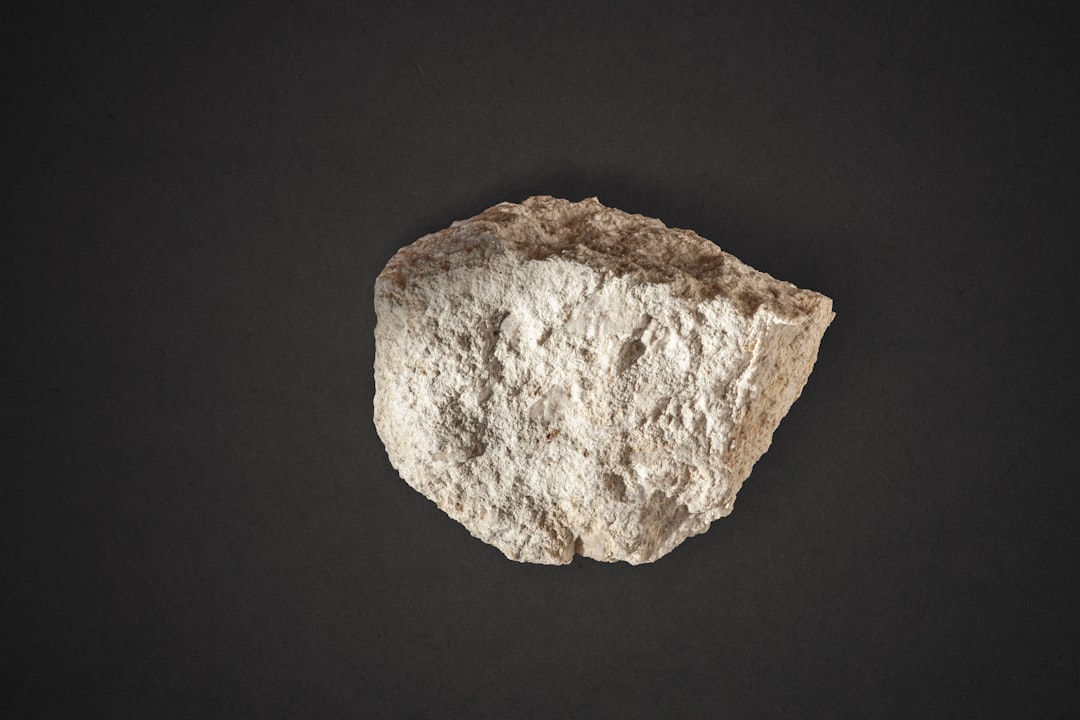
Bolivia’s Lithium Reserves: Extraction Challenges
Bolivia holds a colossal treasure, a seemingly inexhaustible wellspring of lithium, a metal increasingly vital for the global transition to renewable energy and advanced technology. Nestled within the vast, arid salt flats of the Salar de Uyuni, the world’s largest lithium reserve lies dormant, a promise and a puzzle. While the sheer scale of this resource is undeniable, unlocking its full potential is an endeavor fraught with significant environmental, technical, economic, and social challenges. These hurdles stand as formidable gatekeepers, dictating the pace and success of Bolivia’s ambition to become a dominant player in the global lithium market. For the uninitiated, imagine a desert of salt, stretching further than the eye can see, each crystalline grain holding a tiny spark of the future. This is the Salar, a canvas of stark beauty and immense potential, but also a testament to the complex realities of resource extraction.
The Salar de Uyuni, a shimmering expanse covering over 10,000 square kilometers, is the epicenter of Bolivia’s lithium wealth. It is estimated to contain between 5.4 million and 9 million metric tons of lithium, a figure that dwarfs the reserves of many other lithium-producing nations. This vast deposit represents a significant portion of the world’s known lithium resources, a veritable goldmine for a metal that powers everything from smartphones to electric vehicles. The sheer concentration of lithium in the brines beneath the salt crust makes it an exceptionally attractive prospect, theoretically offering a more cost-effective extraction compared to harder mineral deposits. The brines are a liquid symphony of dissolved minerals, with lithium being the star performer.
Estimating the Reserve Size: A Moving Target
While the overall size of Bolivia’s lithium reserves is impressive, precise figures can fluctuate depending on the methodology and the depth of exploration. Geological surveys, conducted over decades, have provided a robust foundation for understanding the Salar’s potential. However, the Salar is not a monolithic entity; it is a dynamic geological system. The concentration of lithium varies across different parts of the Salar and at different depths. This variability necessitates ongoing research and technological development to pinpoint the most economically viable extraction zones. Think of it like trying to find the richest veins in a mountain range – not all areas yield the same bounty.
The Brine Advantage: A Theoretical Boon
The lithium in the Salar is primarily contained within underground brines, saline groundwater solutions. This presents a significant theoretical advantage over hard-rock lithium mining, as brine extraction often involves less invasive techniques and potentially lower operational costs. The process typically involves pumping the lithium-rich brine to the surface, where it undergoes solar evaporation in large ponds, concentrating the lithium salts. This method, while seemingly simple, requires careful management of vast water resources and precise control of the evaporation process.
Bolivia is home to some of the largest lithium reserves in the world, primarily located in the Salar de Uyuni, but the extraction of this valuable resource faces numerous challenges. Issues such as environmental concerns, technological limitations, and socio-political factors complicate the development of a sustainable lithium industry in the country. For a deeper understanding of these challenges and the potential impact on Bolivia’s economy, you can read a related article at this link.
Technical Hurdles in Extraction
The extraction of lithium from the Salar de Uyuni, despite the theoretically advantageous brine composition, is far from a straightforward operation. Bolivia faces a unique set of technical challenges that have historically hindered large-scale, commercially viable production. These challenges range from the sheer scale and complexity of the Salar environment to the need for specialized technologies and skilled personnel. The path from brine to battery component is a winding one, paved with engineering obstacles.
The Evaporation Process: Water Woes and Efficiency Gaps
The conventional method of lithium extraction from brines relies heavily on solar evaporation. While this approach is energy-efficient in terms of direct energy input, it is also notoriously slow and requires vast expanses of land. The process can take months, and in some cases, over a year, for the brines to reach the desired concentration. This prolonged evaporation period directly impacts production timelines and the overall economic feasibility of the operation. Furthermore, the Salar is an arid environment, and while evaporation might seem counterintuitive, the management of water resources, even in a brine context, is crucial and can become a limiting factor during specific climatic conditions or if the extraction process depletes local groundwater at an unsustainable rate. The sun’s rays are a powerful force, but their work on the brines is a test of patience and space.
Purity and By-product Management: The Devil in the Details
The brines of the Salar de Uyuni are not solely composed of lithium salts. They contain a complex cocktail of other minerals, including magnesium, potassium, and sodium. Separating the lithium from these other elements is a critical and technically demanding step. High levels of impurities, particularly magnesium, can significantly reduce the efficiency of lithium extraction and increase processing costs. Developing cost-effective and efficient separation technologies is paramount. Moreover, the management of the by-products generated during extraction is another significant challenge. If not handled properly, these concentrated mineral solutions can pose environmental risks. A clean extraction requires a meticulous approach to purification.
Emerging Technologies: Direct Lithium Extraction (DLE)
In response to the limitations of traditional evaporation methods, the concept of Direct Lithium Extraction (DLE) has gained considerable traction. DLE technologies aim to selectively extract lithium from brines more rapidly and efficiently, potentially reducing the land footprint and processing time. Numerous DLE approaches are being explored, including adsorption, ion exchange, and solvent extraction. However, many of these technologies are still in their nascent stages of development and require significant investment in research, pilot testing, and scaling up. While DLE offers a beacon of hope, it is not yet a proven panacea for all of Bolivia’s extraction woes.
Economic and Financial Realities

Beyond the technical intricacies, the economic and financial landscape presents a formidable barrier to Bolivia’s lithium ambitions. The immense capital required for large-scale lithium extraction projects, coupled with fluctuating global lithium prices and the challenges of attracting foreign investment, create a complex web of financial hurdles. Turning a geological fortune into a tangible economic asset requires more than just the raw material; it demands shrewd financial planning and strategic partnerships.
High Capital Investment: A Monumental Undertaking
Establishing a modern, efficient lithium extraction and processing facility requires colossal financial investment. From constructing evaporation ponds and chemical processing plants to acquiring specialized equipment and developing infrastructure, the cost of entry is substantial. Bolivia, as a developing nation, faces challenges in mobilizing the necessary capital domestically. This often necessitates seeking foreign investment, which brings its own set of complexities. Building a lithium empire requires a mountain of money.
Attracting Foreign Investment: Navigating the Regulatory Maze
Attracting foreign direct investment (FDI) into the lithium sector is crucial for Bolivia’s development plans. However, foreign investors often seek predictability, stability, and clear regulatory frameworks. Bolivia’s political and economic landscape, at times, has been perceived as volatile, which can deter potential investors. Concerns about contract terms, nationalization risks, and profit repatriation can create apprehension. Building trust and demonstrating a stable investment environment are essential for unlocking the capital needed for large-scale projects. The handshake of investment needs to be met with a firm, transparent contract.
Global Lithium Price Volatility: A Market’s Whims
The global lithium market is subject to significant price fluctuations. Demand for lithium is driven by the burgeoning electric vehicle industry and the growing appetite for consumer electronics. However, supply can be unpredictable, influenced by geopolitical factors, new discoveries, and the operational challenges faced by producers. Bolivia’s economic projections are intrinsically linked to these market dynamics. A sharp decline in lithium prices could render previously viable extraction projects economically unfeasible, impacting the return on investment and the overall profitability. The fortunes of lithium extraction are tied to the global market’s ebb and flow.
Environmental and Social Considerations

The extraction of any natural resource carries inherent environmental and social responsibilities. For Bolivia’s lithium extraction in the fragile ecosystem of the Salar de Uyuni, these considerations are particularly acute. Balancing the economic imperative with the need for environmental stewardship and social equity is a delicate balancing act, and one that has historically been a source of contention. The land is not merely a resource; it is a living, breathing entity.
Water Management in an Arid Landscape: A Thirsty Prospect
Despite the extraction of lithium from brines, the process itself can still be water-intensive, especially in the construction and maintenance of evaporation ponds and surrounding infrastructure. The Salar de Uyuni is an extremely arid region, and the local communities rely on scarce water resources for agriculture and domestic use. Unsustainable groundwater extraction for lithium operations could lead to water scarcity, impacting both the local ecosystem and the livelihoods of the people who call this region home. The desert drinks deeply, and every drop counts.
Impact on the Salar Ecosystem: A Delicate Balance
The Salar de Uyuni is a unique and sensitive ecosystem, home to specialized flora and fauna. The construction of large-scale industrial facilities, the alteration of water tables, and the discharge of residual brines or processing chemicals can have detrimental effects on this fragile environment. Mining operations, if not managed with the utmost care, can disrupt natural habitats, contaminate water sources, and negatively impact biodiversity. Protecting the Salar’s delicate ecological balance is a crucial responsibility. The shimmering surface can hide unseen ecological damage.
Social Impact and Community Engagement: Voices from the Salt Flats
Large-scale resource extraction projects invariably have a profound social impact on local communities. This includes potential displacement, changes in traditional livelihoods, and the distribution of economic benefits. Ensuring that the benefits of lithium extraction are equitably shared with the local populations, and that their rights and concerns are respected, is paramount for social sustainability. Meaningful community engagement and consultation are essential to foster trust and ensure that development projects do not exacerbate existing inequalities. The voices of those who live on the salt flats must be heard.
Bolivia is home to some of the largest lithium reserves in the world, yet the extraction of this valuable resource presents numerous challenges. Factors such as environmental concerns, infrastructure limitations, and geopolitical dynamics complicate the development of lithium mining projects. For a deeper understanding of these issues and the potential impact on the global lithium market, you can read a related article on this topic at MyGeoQuest.
Bolivia’s National Strategy and Future Prospects
| Metric | Value | Details / Challenges |
|---|---|---|
| Estimated Lithium Reserves | 21 million metric tons | Located primarily in the Salar de Uyuni salt flats, the largest lithium reserve in the world |
| Annual Lithium Production | Less than 1,000 metric tons | Production is minimal compared to reserves due to technological and infrastructural limitations |
| Extraction Method | Evaporation ponds (planned), direct lithium extraction (research phase) | Traditional evaporation methods are slow; new technologies are being explored but not yet commercialized |
| Environmental Challenges | High water consumption, ecosystem disruption | Extraction threatens local water supplies and fragile high-altitude ecosystems |
| Infrastructure Challenges | Limited transport and processing facilities | Remote location and lack of industrial infrastructure hinder large-scale extraction |
| Government Policy | State-controlled lithium industry | Bolivia maintains strict control over lithium resources, affecting foreign investment and technology transfer |
| Technological Challenges | Low lithium concentration in brine, high magnesium content | Complicates extraction and purification processes, increasing costs and reducing efficiency |
Bolivia’s approach to harnessing its lithium wealth has been characterized by a desire for national control and a focus on value addition. The government has largely pursued a state-led model, aiming to extract, process, and market lithium-derived products itself, rather than simply exporting raw materials. This strategy, while ambitious, presents its own set of challenges and opportunities. The national ambition for lithium is a powerful current, but steering it requires careful navigation.
State-Led Extraction: The Promise and Peril of Control
The Bolivian government has adopted a strategy of state-led lithium extraction, largely through the state-owned company Yacimientos de Litio Bolivianos (YLB). This approach aims to ensure that the economic benefits of lithium remain within the country and to foster domestic industrial development. However, state-owned enterprises can sometimes face challenges related to efficiency, bureaucracy, and political interference. The success of this model hinges on effective management, sound technical expertise, and a commitment to transparency. Keeping the reins of control is a noble aim, but requires a steady hand.
Value Addition: Moving Beyond Raw Material Export
Bolivia’s long-term vision extends beyond merely exporting raw lithium carbonate. The government aims to move up the value chain by producing lithium-ion batteries and other advanced materials. This would generate higher economic returns and create more skilled employment opportunities. However, developing the necessary industrial capacity, technological expertise, and market access for battery production requires significant investment and time. The aspiration to build a battery manufacturing hub is a tantalizing prospect, but the road there is long and complex.
International Cooperation and Partnerships: A Collaborative Path
While the Bolivian government emphasizes national control, strategic international cooperation and partnerships can be vital for accessing technology, expertise, and capital. Collaborations with experienced lithium producers or technology providers can accelerate development and improve operational efficiency. However, any such partnerships must be carefully structured to ensure that Bolivia retains significant control over its resources and benefits equitably from the venture. A dance with international partners requires both grace and firm footing.
In conclusion, Bolivia’s lithium reserves represent a monumental opportunity and a profound challenge. The sheer scale of the Salar de Uyuni is a testament to nature’s bounty, but unlocking this potential requires overcoming complex technical, economic, environmental, and social hurdles. The path forward demands a delicate balance of innovation, strategic investment, environmental responsibility, and equitable benefit sharing. The world is watching, waiting to see if Bolivia can transform its hidden subterranean wealth into a transformative force for its nation and contribute significantly to the global energy transition. The journey from the arid salt flats to a future powered by clean energy is an epic undertaking, one where every step is meticulously weighed and every challenge met with ingenuity.
FAQs
What is the estimated size of Bolivia’s lithium reserves?
Bolivia is believed to have some of the largest lithium reserves in the world, primarily located in the Salar de Uyuni salt flats. Estimates suggest that Bolivia holds around 21 million metric tons of lithium, making it a significant player in the global lithium market.
Why is lithium important for modern technology?
Lithium is a critical component in the production of rechargeable batteries used in electric vehicles, smartphones, laptops, and other electronic devices. Its high energy density and lightweight properties make it essential for advancing clean energy technologies.
What are the main challenges Bolivia faces in extracting lithium?
Bolivia faces several challenges in lithium extraction, including technological limitations, environmental concerns, high extraction costs, and the need for sustainable water management. The country’s high-altitude salt flats also present logistical difficulties for mining operations.
How does Bolivia’s approach to lithium extraction differ from other countries?
Bolivia has emphasized state control over lithium resources and aims to develop its own lithium processing industry rather than exporting raw materials. This approach contrasts with other countries that often rely on private companies and export raw lithium for processing elsewhere.
What impact could Bolivia’s lithium reserves have on the global market?
If Bolivia successfully overcomes extraction and processing challenges, its vast lithium reserves could significantly influence the global supply chain, potentially lowering costs and increasing availability of lithium for battery production. This could accelerate the adoption of electric vehicles and renewable energy technologies worldwide.