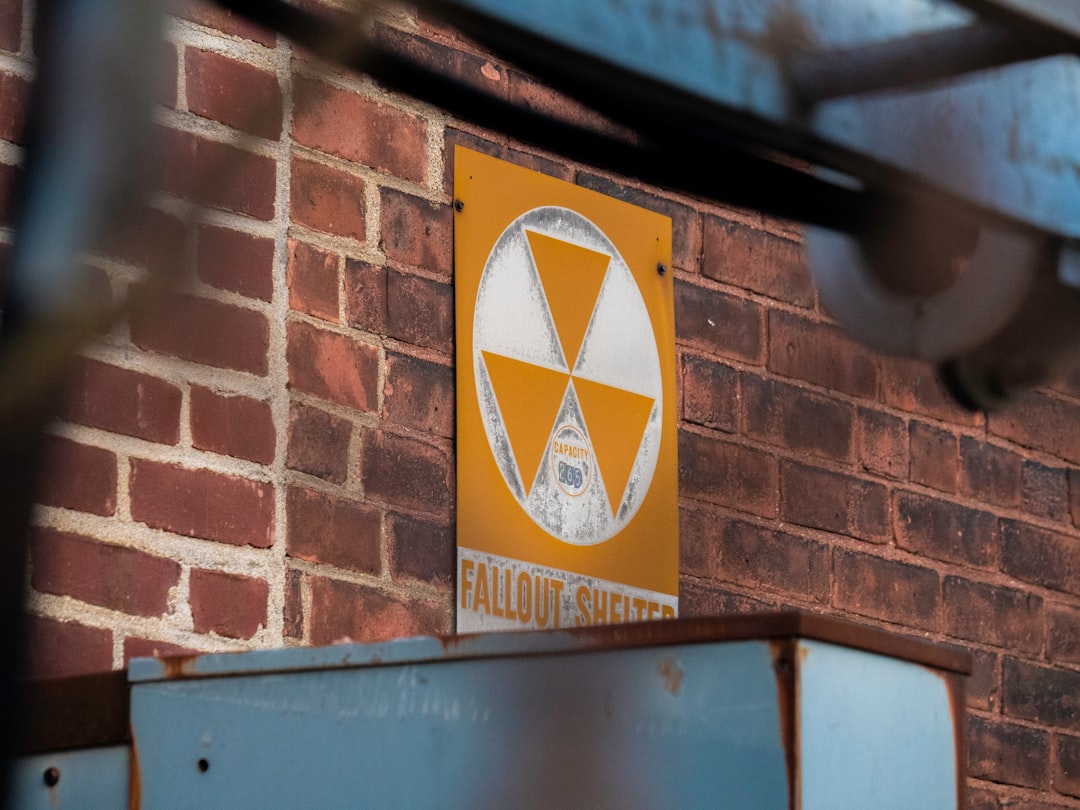
Bikini Atoll, a remote group of islands in the Marshall Islands, has a history that is as complex as it is tragic. Originally inhabited by the Bikinians, the atoll was known for its lush environment and rich marine resources. However, in the aftermath of World War II, the geopolitical landscape shifted dramatically.
In 1946, the United States selected Bikini Atoll as the site for nuclear testing, believing it to be an ideal location due to its isolation and sparse population. The decision to relocate the local inhabitants was made under the pretext of national security and scientific advancement, leading to the displacement of the Bikinians from their ancestral home. The first nuclear test, codenamed “Operation Crossroads,” took place in July 1946.
This marked the beginning of a series of tests that would forever alter the atoll’s landscape and its people. Over the next decade, Bikini Atoll became synonymous with nuclear experimentation, as the U.S. conducted 23 nuclear detonations in the region.
The tests were intended to assess the effects of nuclear weapons on naval vessels and military strategies, but they also had devastating consequences for both the environment and the local population. The legacy of these tests would haunt the Bikinians for generations, as they were forced to grapple with the repercussions of their government’s decisions.
Key Takeaways
- Bikini Atoll was used as a nuclear testing site by the United States from 1946 to 1958, leading to devastating effects on the environment and local population.
- The nuclear testing at Bikini Atoll resulted in widespread radiation contamination, leading to long-term health risks for humans and significant impact on marine life and the environment.
- Current radiation levels at Bikini Atoll remain dangerously high, posing a threat to human health and the surrounding ecosystem.
- The impact on marine life at Bikini Atoll has been severe, with high levels of radiation affecting the health and reproduction of marine species.
- Efforts to clean up Bikini Atoll have been challenging, with significant obstacles in remediating the radiation contamination and restoring the area to a safe and habitable state.
The Nuclear Testing at Bikini Atoll
The nuclear tests at Bikini Atoll were monumental in scale and impact. The first test, “Able,” involved detonating a bomb equivalent to 20 kilotons of TNT, which was followed by “Baker,” a test that produced a massive underwater explosion. This second test resulted in a significant amount of radioactive contamination, as it vaporized ships and created a radioactive plume that spread across the atoll and beyond.
The sheer force of these explosions was unprecedented, and they served as a grim demonstration of the destructive power of nuclear weapons. As the tests continued throughout the late 1940s and into the 1950s, they became increasingly powerful. The “Castle Bravo” test in 1954 was particularly notorious; it was the largest nuclear detonation ever conducted by the United States, yielding an explosive force of 15 megatons.
This test not only contaminated the immediate area but also affected nearby islands and even reached as far as Japan, where residents were exposed to fallout. The ramifications of these tests extended far beyond military strategy; they marked a turning point in global attitudes toward nuclear weapons and their potential for destruction.
The Effects of Radiation on Bikini Atoll
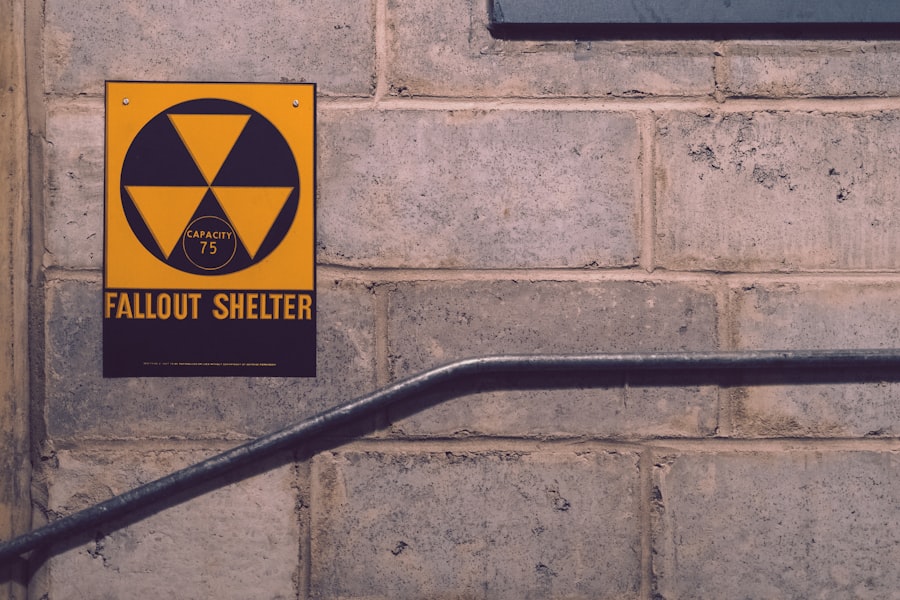
The radiation released during the nuclear tests had profound effects on Bikini Atoll’s environment and its inhabitants. In the immediate aftermath of the detonations, the landscape was irrevocably altered. Vegetation was scorched, and marine life was decimated due to the intense heat and radiation.
The once-thriving ecosystem faced a long road to recovery, as radioactive isotopes permeated the soil and water, leading to long-term contamination. For the Bikinians who were relocated to other islands, the effects were equally devastating. Many experienced health issues related to radiation exposure, including increased rates of cancer and other illnesses.
The psychological toll of being uprooted from their homeland compounded these health challenges, as they struggled to adapt to new environments while grappling with the loss of their cultural identity. The legacy of radiation exposure continues to affect subsequent generations, raising concerns about genetic mutations and long-term health risks.
The Current Radiation Levels at Bikini Atoll
| Location | Radiation Level (mSv) | Date |
|---|---|---|
| Bikini Atoll | 3.4 | 2021-10-15 |
| Bikini Atoll | 3.2 | 2021-10-16 |
| Bikini Atoll | 3.5 | 2021-10-17 |
Today, Bikini Atoll remains a site of scientific interest due to its lingering radiation levels. Although some areas have shown signs of recovery, others remain highly contaminated. Studies conducted by various organizations have revealed that certain locations within the atoll still exhibit radiation levels that exceed safety thresholds for human habitation.
This has led to ongoing debates about whether it is safe for former residents to return to their ancestral lands. Efforts to monitor radiation levels have been ongoing since the tests concluded. Researchers have utilized advanced technology to assess soil and water samples, providing valuable data on how radiation has dissipated over time.
While some areas have seen a decrease in radiation levels due to natural decay processes, others remain problematic. The complexity of measuring radiation in such a unique environment poses challenges for scientists seeking to understand the long-term implications for both human health and ecological recovery.
The Impact on Marine Life
The impact of nuclear testing on marine life around Bikini Atoll has been profound and multifaceted. The initial explosions caused immediate destruction of marine habitats, leading to significant declines in fish populations and other aquatic species. Coral reefs, which are vital ecosystems that support diverse marine life, were severely damaged by shockwaves and radiation exposure.
In subsequent years, researchers have observed changes in marine biodiversity around Bikini Atoll. Some species have shown resilience and adaptability in the face of contamination, while others have struggled to survive. Studies have indicated that certain fish species exhibit elevated levels of radioactive isotopes, raising concerns about bioaccumulation within the food chain.
This has implications not only for marine ecosystems but also for any potential human consumption of seafood from these waters.
The Impact on the Environment
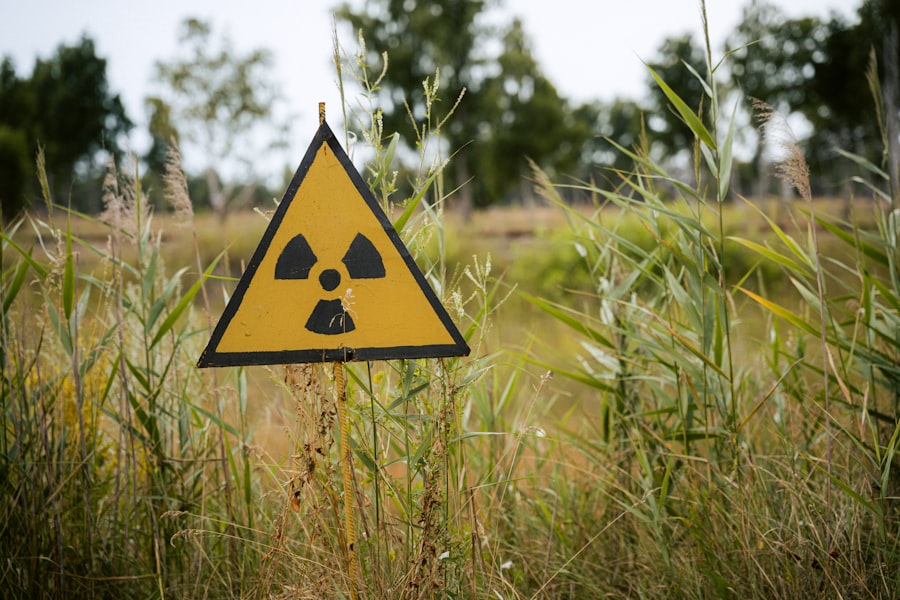
The environmental impact of nuclear testing at Bikini Atoll extends far beyond immediate destruction; it has created long-lasting challenges for ecological recovery. The introduction of radioactive materials into soil and water systems has altered nutrient cycles and disrupted local ecosystems. As plants and animals interact with contaminated environments, their health and reproductive success are compromised.
Efforts to rehabilitate Bikini Atoll’s environment have been complicated by these challenges. Restoration initiatives must consider not only the physical removal of radioactive materials but also strategies for promoting ecological resilience. Scientists are exploring methods to enhance soil health and restore native plant species that can thrive in contaminated conditions.
However, achieving a balance between remediation efforts and natural recovery processes remains a daunting task.
The Health Risks for Humans
The health risks associated with radiation exposure from nuclear testing at Bikini Atoll are significant and well-documented.
These health issues are often exacerbated by limited access to healthcare resources for affected populations.
Moreover, psychological impacts cannot be overlooked. The trauma associated with displacement and loss of cultural identity has led to mental health challenges among former residents. Many Bikinians continue to grapple with feelings of grief and loss as they navigate life away from their ancestral home.
Addressing these health risks requires comprehensive approaches that encompass both physical health care and mental health support.
The Efforts to Clean Up Bikini Atoll
In response to the environmental devastation caused by nuclear testing, various cleanup efforts have been initiated over the years. These initiatives aim to assess contamination levels, remove hazardous materials, and restore affected ecosystems. Organizations such as the U.S. Department of Energy have been involved in monitoring radiation levels and developing remediation strategies. One notable effort involved relocating contaminated soil from certain areas within Bikini Atoll to designated containment sites.
However, challenges persist due to logistical constraints and limited funding for comprehensive cleanup initiatives.
The Challenges of Remediation
Remediating Bikini Atoll presents numerous challenges that complicate cleanup efforts. One major obstacle is the sheer scale of contamination; with multiple islands affected by varying degrees of radioactive exposure, targeted remediation becomes a complex task requiring extensive resources and expertise. Additionally, environmental factors such as weather patterns can hinder cleanup operations.
Another challenge lies in balancing remediation efforts with ecological restoration goals. While removing contaminated materials is essential for reducing human health risks, it is equally important to promote natural recovery processes within ecosystems. Striking this balance requires collaboration among scientists, policymakers, and local communities to develop sustainable solutions that prioritize both human safety and environmental integrity.
The Future of Bikini Atoll
The future of Bikini Atoll remains uncertain as ongoing monitoring and remediation efforts continue to unfold. While some areas show signs of ecological recovery, others remain heavily contaminated, posing risks for both human health and marine life. As scientific understanding evolves, there is hope that innovative approaches can be developed to address these challenges effectively.
Moreover, discussions surrounding potential resettlement for former residents are ongoing. While some Bikinians express a desire to return home, concerns about lingering radiation levels complicate these aspirations. Ultimately, decisions regarding resettlement must prioritize safety while honoring cultural ties to the land.
The Global Implications of Bikini Atoll Radiation
The legacy of nuclear testing at Bikini Atoll extends beyond its immediate geographical boundaries; it serves as a cautionary tale about the global implications of nuclear weapons development and testing. As nations grapple with issues related to disarmament and non-proliferation, Bikini Atoll stands as a stark reminder of the potential consequences associated with such actions. Furthermore, ongoing research into radiation effects at Bikini Atoll contributes valuable insights into understanding long-term environmental impacts from nuclear activities worldwide.
As scientists continue to study this unique case, their findings may inform policies aimed at preventing similar tragedies in other regions affected by nuclear testing or accidents. In conclusion, Bikini Atoll’s history is marked by tragedy and resilience—a testament to both human ingenuity and vulnerability in the face of technological advancement gone awry. As efforts continue toward remediation and understanding its implications on health and environment alike, there remains hope for healing not only for those directly affected but also for future generations who will inherit this complex legacy.
Bikini Atoll, a site of numerous nuclear tests during the mid-20th century, has been a subject of extensive research due to its elevated radiation levels. Recent studies have shown that while radiation levels have decreased over time, they still pose significant risks to human health and the environment. For those interested in exploring more about the impact of nuclear testing and radiation on the environment, a related article can be found on MyGeoQuest. This article delves into the broader implications of nuclear testing on global ecosystems and the ongoing efforts to monitor and mitigate these effects. You can read more about it by visiting this page.
FAQs
What is Bikini Atoll?
Bikini Atoll is a coral reef in the Marshall Islands that was the site of nuclear testing by the United States between 1946 and 1958.
What are the radiation levels at Bikini Atoll?
The radiation levels at Bikini Atoll vary depending on the specific location and depth. Some areas have higher levels of radiation due to the nuclear testing that took place there.
Is it safe to visit Bikini Atoll?
Due to the lingering radiation from the nuclear testing, Bikini Atoll is not considered safe for long-term human habitation. However, limited tourism and research visits are allowed with proper authorization and precautions.
What are the health risks associated with the radiation at Bikini Atoll?
Exposure to high levels of radiation can increase the risk of cancer, genetic mutations, and other health issues. It is important to follow safety guidelines and restrictions when visiting the area.
What measures are in place to protect visitors and researchers at Bikini Atoll?
Visitors and researchers are required to follow strict safety protocols, including wearing protective gear and monitoring radiation levels. Access to certain areas may be restricted to minimize exposure.