
Bikini Atoll, a remote group of islands in the Marshall Islands, is a place steeped in both natural beauty and historical significance. Known for its stunning turquoise lagoons and vibrant coral reefs, the atoll is part of a larger archipelago that has captured the imagination of explorers and scientists alike. However, beneath its picturesque surface lies a complex narrative of cultural heritage, environmental devastation, and human suffering.
The atoll gained international notoriety in the mid-20th century due to its role in nuclear testing conducted by the United States, which has left an indelible mark on its landscape and its people. The history of Bikini Atoll is not merely one of scenic vistas; it is also a poignant tale of resilience and struggle. The indigenous people of Bikini, known as the Bikinians, have a rich cultural heritage that dates back centuries.
Their connection to the land and sea is profound, woven into their traditions, beliefs, and way of life. Yet, the events that unfolded during the U.S. military occupation transformed their existence irrevocably.
As the world reflects on the legacy of nuclear testing, it becomes essential to understand the multifaceted story of Bikini Atoll—one that encompasses both its natural allure and the profound challenges faced by its inhabitants.
Key Takeaways
- Bikini Atoll is a remote island in the Pacific Ocean that was the site of extensive nuclear testing by the US military in the mid-20th century.
- The indigenous people of Bikini Atoll, known as the Bikinians, had a rich culture and deep connection to their land and ocean, which was disrupted by the US military occupation and forced relocation.
- The US military conducted 23 nuclear tests at Bikini Atoll, causing widespread environmental and health impacts, including radiation contamination and loss of biodiversity.
- Despite numerous failed attempts at re-settlement, Bikinians have been unable to return to their homeland due to ongoing environmental and health risks.
- The Bikinians have been engaged in legal battles and compensation claims against the US government for the damages caused by the nuclear testing, while also striving to preserve their cultural and historical heritage.
Indigenous People and Culture of Bikini Atoll
The Bikinians have inhabited Bikini Atoll for generations, cultivating a deep relationship with their environment. Their culture is characterized by a strong sense of community, rich oral traditions, and a profound respect for nature. The people of Bikini relied on fishing, farming, and gathering for sustenance, developing a lifestyle that was intricately linked to the rhythms of the ocean and the land.
Their traditional practices included elaborate ceremonies and rituals that honored their ancestors and celebrated the bounty of their surroundings. The social structure of the Bikinians was organized around kinship ties, with extended families playing a crucial role in community life. Elders held significant authority, serving as custodians of knowledge and tradition.
However, this vibrant culture faced unprecedented challenges as external forces began to encroach upon their way of life, culminating in the U.S. military’s decision to use Bikini Atoll as a site for nuclear testing.
US Military Occupation and Nuclear Testing
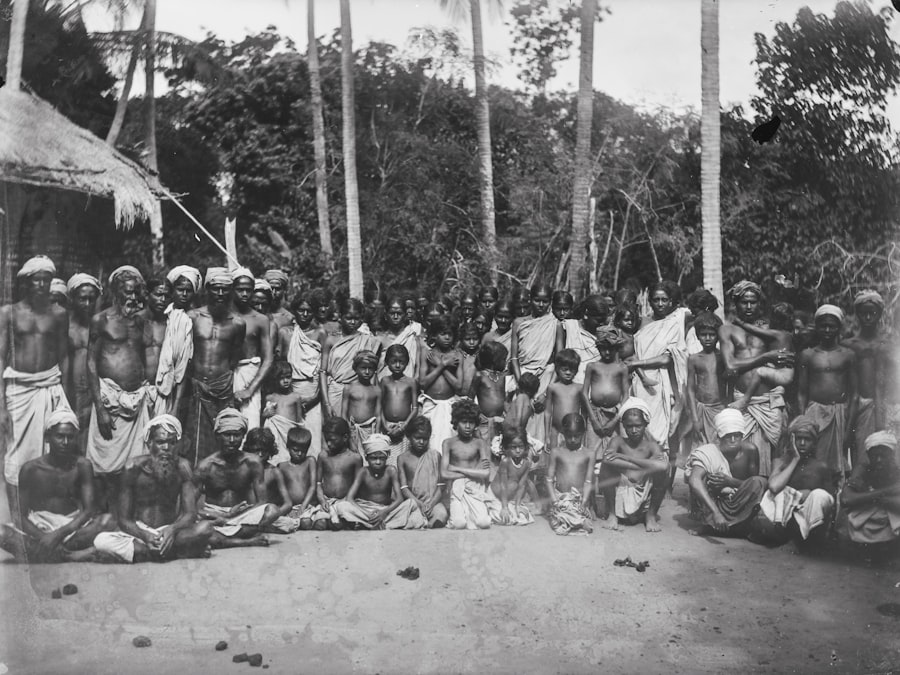
In the aftermath of World War II, the United States sought to establish itself as a global superpower, leading to a series of nuclear tests in various locations across the Pacific. Bikini Atoll was chosen as one of the primary sites for these tests due to its remote location and sparse population. In 1946, the U.S. government forcibly evacuated the Bikinians from their homeland, promising them that they would be able to return after a brief period. This marked the beginning of a tumultuous chapter in the history of Bikini Atoll. The first test conducted at Bikini was Operation Crossroads, which aimed to assess the effects of nuclear weapons on naval vessels. The tests were broadcasted to the world, showcasing the destructive power of atomic bombs. Over the next several years, numerous detonations occurred at Bikini Atoll, including some of the most powerful nuclear explosions ever recorded. The military’s presence transformed the atoll into a testing ground, disregarding the cultural significance of the land and the well-being of its indigenous inhabitants.
Impact of Nuclear Testing on Bikini Atoll
| Year | Event | Impact |
|---|---|---|
| 1946 | Operation Crossroads | Massive contamination of the atoll with radioactive fallout |
| 1954 | Castle Bravo test | Detonation of a hydrogen bomb, causing widespread radioactive contamination |
| 1970s | Cleanup efforts | Relocation of Bikini Atoll residents due to high levels of radiation |
| Present | Environmental impact | Continued high levels of radiation in the soil and marine life |
The impact of nuclear testing on Bikini Atoll was catastrophic and far-reaching. The detonation of atomic bombs resulted in widespread destruction of the environment, obliterating coral reefs and altering marine ecosystems that had thrived for millennia. The once-pristine waters became contaminated with radioactive materials, posing severe risks to both human health and marine life.
The ecological balance that had sustained the Bikinians for generations was irrevocably disrupted. In addition to environmental degradation, the psychological toll on the Bikinians was profound. The forced evacuation from their ancestral lands led to a loss of identity and cultural dislocation.
Many Bikinians experienced trauma as they were uprooted from their homes and faced an uncertain future in unfamiliar territories. The legacy of nuclear testing continues to haunt the atoll, as remnants of radiation linger in the soil and waters, serving as a stark reminder of the consequences of human actions on both nature and communities.
Forced Relocation of Bikini Atoll Residents
The forced relocation of the Bikinians from their homeland marked a significant turning point in their history. In 1946, families were given little time to prepare for their departure, often leaving behind cherished possessions and ancestral lands. The U.S. government assured them that their relocation would be temporary; however, as years turned into decades, it became increasingly clear that returning home would not be feasible.
The relocation process itself was fraught with challenges. The Bikinians were resettled on Kili Island, which lacked adequate resources and infrastructure to support their needs. The transition was difficult; they faced food shortages, inadequate housing, and limited access to healthcare services. The psychological impact of displacement compounded these hardships, as many Bikinians struggled to adapt to life away from their ancestral home. This forced migration not only disrupted their daily lives but also severed their connection to their cultural heritage.
Failed Attempts at Re-settlement

Over the years, there have been several attempts to facilitate the re-settlement of Bikinians back to their homeland. In 1970, after extensive cleanup efforts were undertaken by U.S. authorities, some families were allowed to return to Bikini Atoll.
However, these efforts were met with disappointment as high levels of radiation were discovered in soil samples and food sources. The health risks associated with returning home were deemed too great, leading to further disillusionment among those who longed for their ancestral land. Subsequent attempts at re-settlement continued to face obstacles.
In 1997, another initiative aimed at allowing Bikinians to return was launched; however, it quickly became apparent that conditions on the atoll remained unsafe for habitation. The ongoing presence of radioactive materials rendered traditional farming and fishing practices hazardous. As a result, many Bikinians have been forced to accept that their dreams of returning home may never be realized.
Legal Battles and Compensation Claims
In light of the injustices faced by the Bikinians due to nuclear testing, legal battles have emerged over compensation claims against the U.S. government. Over the years, various lawsuits have been filed seeking reparations for damages incurred as a result of forced relocation and exposure to radiation.
These legal efforts have highlighted not only the need for financial compensation but also recognition of the cultural and historical significance of Bikini Atoll. Despite these efforts, many Bikinians have expressed frustration with the slow pace of legal proceedings and inadequate compensation packages offered by the U.S. government.
While some settlements have been reached, they often fall short of addressing the full extent of losses experienced by the community. The struggle for justice continues as Bikinians seek acknowledgment of their suffering and a commitment from authorities to rectify past wrongs.
Environmental and Health Impacts of Nuclear Testing
The environmental consequences of nuclear testing at Bikini Atoll are profound and enduring. Radioactive fallout from detonations contaminated not only the immediate area but also surrounding islands and marine ecosystems. Studies have shown that fish populations in affected waters exhibit elevated levels of radiation, posing risks to those who rely on these resources for sustenance.
The long-term effects on biodiversity remain a concern as scientists continue to monitor changes in marine life. Health impacts on the Bikinians have also been significant. Many individuals exposed to radiation during testing have reported various health issues, including increased rates of cancer and other illnesses linked to radiation exposure.
The psychological toll cannot be overlooked either; feelings of anxiety and uncertainty about health outcomes have permeated the community for generations. As research continues into these health impacts, it becomes increasingly clear that nuclear testing has left an indelible mark on both individuals and ecosystems.
Cultural and Historical Preservation Efforts
In response to the challenges faced by Bikinians following nuclear testing, various cultural and historical preservation efforts have emerged over time. Organizations dedicated to documenting and preserving the history and traditions of Bikini Atoll have been established both locally and internationally. These initiatives aim to ensure that future generations understand the significance of this unique culture while advocating for justice on behalf of those affected by nuclear testing.
Efforts include archiving oral histories from elders who remember life before relocation, as well as promoting awareness about Bikini’s cultural heritage through educational programs and exhibitions. By highlighting their rich traditions and resilience in the face of adversity, these initiatives seek not only to preserve history but also empower current and future generations within the community.
Current Status of Bikini Atoll
Today, Bikini Atoll remains largely uninhabited due to ongoing concerns about radiation levels and environmental safety. While some areas have been deemed safe for limited visits by researchers or tourists interested in its historical significance, full-scale resettlement remains unfeasible for most residents who were displaced decades ago. The atoll serves as both a cautionary tale about nuclear testing’s consequences and a symbol of resilience among those who continue to advocate for justice.
Despite these challenges, there is hope among some members of the community that one day they may return home or at least reclaim aspects of their cultural identity lost through forced relocation. Ongoing discussions about environmental restoration efforts reflect a desire not only for healing but also for recognition from global powers regarding past injustices inflicted upon indigenous peoples.
Calls for Justice and Recognition
As awareness grows about historical injustices faced by communities like those from Bikini Atoll due to nuclear testing practices, calls for justice continue to resonate within both local circles and international forums alike. Activists advocate not only for reparations but also for acknowledgment from governments regarding their roles in perpetuating harm against marginalized populations throughout history. The fight for recognition extends beyond financial compensation; it encompasses broader issues related to environmental justice, cultural preservation rights, and accountability for past actions taken against vulnerable communities worldwide.
As more voices join this movement advocating for change—both within Marshall Islands society itself as well as globally—there is hope that future generations will witness meaningful progress toward rectifying historical wrongs while honoring those who endured them along this journey toward justice. In conclusion, Bikini Atoll stands as a testament not only to natural beauty but also resilience amid adversity faced by its indigenous people throughout history marked by nuclear testing practices imposed upon them without consent or consideration for their well-being or cultural heritage preservation efforts undertaken since then reflect ongoing struggles toward justice recognition today—an enduring reminder that every place has stories worth telling beyond mere landscapes alone!
Bikini Atoll, a site of significant historical injustice, serves as a stark reminder of the consequences of nuclear testing on indigenous populations. The residents of Bikini Atoll were forcibly relocated in 1946 to allow the United States to conduct nuclear tests, which resulted in long-lasting environmental and health impacts. For a deeper understanding of the broader implications of such historical events, you can explore related topics on this page, which provides insights into various geographical and historical issues.
FAQs
What is Bikini Atoll?
Bikini Atoll is a coral reef in the Marshall Islands consisting of 23 islands surrounding a central lagoon. It is located in the Pacific Ocean and is part of the larger island group of Micronesia.
What historical injustice occurred at Bikini Atoll?
In 1946, the United States government relocated the residents of Bikini Atoll to make way for nuclear testing. Over the next 12 years, the US conducted 23 nuclear tests at the atoll, resulting in widespread environmental contamination and long-term health effects for the displaced residents.
What impact did the nuclear testing have on Bikini Atoll?
The nuclear testing at Bikini Atoll resulted in the displacement of the indigenous population, widespread environmental contamination, and long-term health effects for the residents. The atoll remains uninhabitable due to high levels of radiation.
What is being done to address the historical injustice at Bikini Atoll?
Efforts are ongoing to address the historical injustice at Bikini Atoll, including the resettlement of displaced residents and environmental remediation. The US government has provided financial compensation to the affected population, but challenges remain in fully restoring the atoll and addressing the long-term impacts of the nuclear testing.