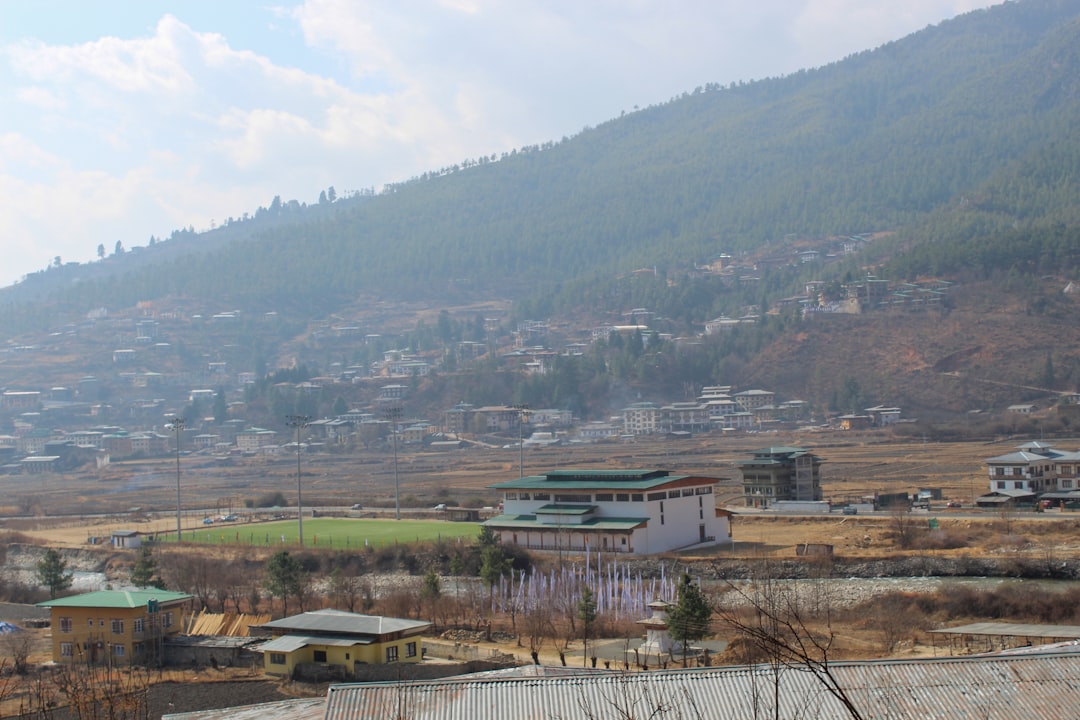
Bhutan, a small landlocked kingdom nestled in the eastern Himalayas, is often celebrated for its unique approach to development, prioritizing Gross National Happiness over Gross Domestic Product. However, beneath this idyllic facade lies a complex web of economic challenges that threaten the nation’s stability and growth. The country faces a myriad of issues, including a heavy reliance on agriculture, limited industrialization, and a narrow export base.
These factors contribute to a fragile economy that is vulnerable to external shocks and internal inefficiencies. The economic landscape of Bhutan is further complicated by its geographical constraints and demographic factors. With a population of just over 800,000, the nation grapples with high levels of unemployment and underemployment, particularly among the youth.
Additionally, Bhutan’s dependence on India for trade and investment creates a precarious situation, as fluctuations in Indian economic policies can have immediate repercussions on Bhutanese livelihoods. As Bhutan navigates these challenges, it must find a balance between preserving its cultural identity and pursuing sustainable economic growth. Here is the sentence with the link:
You can learn about Bhutan’s gross national happiness explained in this video: Bhutan gross national happiness explained.
Key Takeaways
- Bhutan faces economic challenges due to its dependence on India and struggles with unemployment, underemployment, and public debt.
- The country is also burdened by environmental issues, challenges in education and healthcare, inequality, and poverty.
- Corruption further exacerbates Bhutan’s economic woes, while the need for infrastructure development remains unmet.
- Potential solutions for Bhutan’s economic challenges include diversifying the economy, addressing public debt, and investing in infrastructure.
- Economic sustainability and development in Bhutan require a multi-faceted approach that tackles the various interconnected issues.
The Impact of Bhutan’s Dependence on India
Bhutan’s economic framework is heavily intertwined with that of India, its largest trading partner and primary source of foreign investment. This dependence has both positive and negative implications for Bhutan’s economy. On one hand, India provides crucial financial assistance and infrastructure development support, which have been instrumental in Bhutan’s progress over the past few decades.
The two countries share a close relationship, bolstered by historical ties and mutual interests in security and development. However, this reliance on India also poses significant risks. Economic fluctuations in India can directly impact Bhutan’s economy, leading to vulnerabilities that can stifle growth.
For instance, changes in Indian trade policies or economic downturns can result in reduced demand for Bhutanese exports, particularly hydropower, which is a cornerstone of the nation’s economy. Furthermore, the dominance of Indian businesses in various sectors can stifle local entrepreneurship and innovation, making it difficult for Bhutan to cultivate a self-sustaining economy.
Unemployment and Underemployment in Bhutan
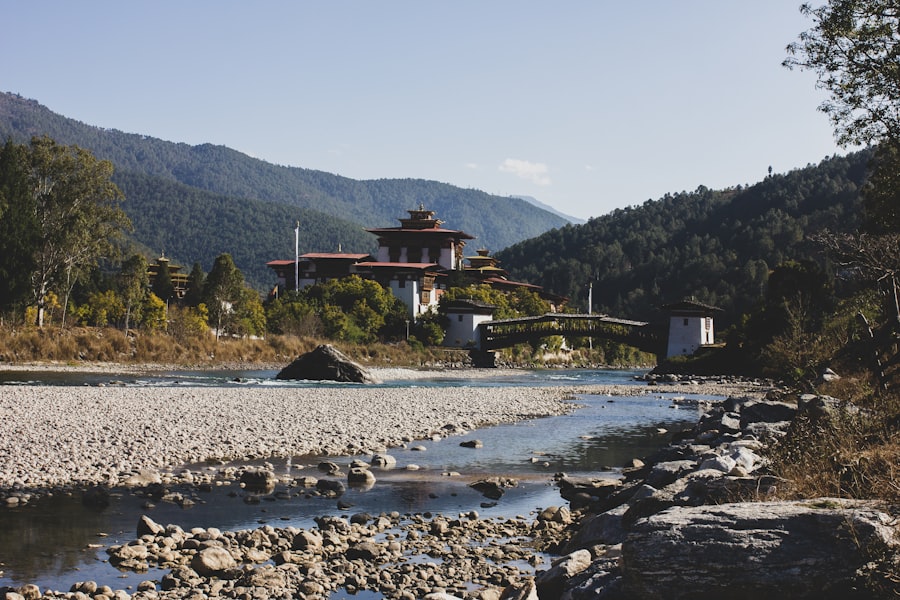
Unemployment and underemployment are pressing issues that plague Bhutan’s economy, particularly among its youth population. Despite the government’s efforts to create job opportunities through various initiatives, the job market remains saturated with limited options for young graduates. Many individuals find themselves in low-paying jobs that do not match their qualifications or aspirations, leading to a sense of disillusionment among the workforce.
The high levels of underemployment are indicative of a broader structural issue within the economy. The agricultural sector, which employs a significant portion of the population, often fails to provide stable incomes or sufficient job security. As rural-to-urban migration increases, many young people flock to cities in search of better opportunities, only to find themselves competing for a limited number of jobs.
This cycle perpetuates economic instability and hinders the overall development of the nation.
The Struggle to Diversify the Economy
| Metrics | 2010 | 2015 | 2020 |
|---|---|---|---|
| GDP Growth Rate | 3.5% | 2.8% | 1.2% |
| Unemployment Rate | 7.8% | 6.2% | 8.5% |
| Export Diversity Index | 0.45 | 0.52 | 0.58 |
Bhutan’s economy has long been characterized by its reliance on a few key sectors, primarily hydropower and agriculture. While these industries have contributed to economic growth, they also expose the country to significant risks associated with market fluctuations and environmental changes. The struggle to diversify the economy has become increasingly urgent as Bhutan seeks to reduce its vulnerability and create a more resilient economic framework.
Efforts to diversify have been met with challenges, including limited access to capital, inadequate infrastructure, and a lack of skilled labor in emerging sectors. The government has recognized the importance of promoting tourism, information technology, and small-scale manufacturing as potential avenues for growth. However, attracting foreign investment and fostering local entrepreneurship requires strategic planning and long-term commitment from both the government and private sector stakeholders.
The Burden of Public Debt in Bhutan
As Bhutan continues to invest in infrastructure and development projects, the burden of public debt has become a growing concern. While borrowing can be an effective tool for financing growth, excessive debt levels can lead to long-term economic instability. Bhutan’s public debt has risen significantly in recent years, primarily due to large-scale hydropower projects that require substantial upfront investment.
The challenge lies in ensuring that these investments yield sufficient returns to justify the debt incurred. If not managed effectively, high levels of public debt can limit the government’s ability to fund essential services such as education and healthcare. Moreover, it can create a cycle of dependency on external financing that undermines Bhutan’s economic sovereignty and long-term sustainability.
Environmental Issues and Economic Sustainability

Bhutan is renowned for its commitment to environmental conservation and sustainable development. However, the pursuit of economic growth often comes at a cost to the environment. The country’s reliance on hydropower generation raises concerns about ecological impacts, particularly in light of climate change and natural disasters.
As glaciers melt and weather patterns shift, Bhutan faces the risk of reduced water availability for hydropower production. Balancing economic development with environmental sustainability is crucial for Bhutan’s future. The government must prioritize policies that promote renewable energy sources while safeguarding natural resources.
Additionally, fostering eco-tourism can provide an alternative revenue stream that aligns with Bhutan’s environmental values while creating jobs and stimulating local economies.
Challenges in the Education and Healthcare Sectors
The education and healthcare sectors are vital components of Bhutan’s social fabric and economic development. However, both sectors face significant challenges that hinder progress. In education, disparities in access and quality persist between urban and rural areas, leading to unequal opportunities for students.
While the government has made strides in improving literacy rates and educational infrastructure, there remains a pressing need for curriculum reform that aligns with market demands. Similarly, the healthcare system grapples with issues such as inadequate facilities, limited access to specialized care, and a shortage of trained professionals. These challenges are exacerbated by geographic barriers that make it difficult for rural populations to access essential services.
Addressing these issues is critical not only for improving quality of life but also for fostering a skilled workforce capable of driving economic growth.
Inequality and Poverty in Bhutan
Despite its reputation for prioritizing happiness over material wealth, Bhutan grapples with issues of inequality and poverty that undermine social cohesion and economic stability. While some regions have experienced significant development, others remain marginalized and underserved. Rural communities often lack access to basic services such as clean water, sanitation, and education, perpetuating cycles of poverty.
The government has implemented various programs aimed at reducing poverty and promoting equitable growth; however, progress has been slow. Addressing inequality requires targeted interventions that empower marginalized communities and promote inclusive economic policies. By fostering social equity and ensuring that all citizens benefit from economic growth, Bhutan can work towards achieving its vision of Gross National Happiness.
The Role of Corruption in Bhutan’s Economic Woes
Corruption poses a significant threat to Bhutan’s economic development and governance structures. While the country has made strides in promoting transparency and accountability, instances of corruption continue to undermine public trust in institutions. Corruption can divert resources away from essential services and infrastructure projects, exacerbating existing challenges such as poverty and inequality.
Efforts to combat corruption must be prioritized if Bhutan is to achieve sustainable economic growth. Strengthening anti-corruption measures, enhancing transparency in public procurement processes, and promoting civic engagement are essential steps toward building a more accountable governance framework. By addressing corruption head-on, Bhutan can create an environment conducive to investment and development.
The Need for Infrastructure Development
Infrastructure development is critical for facilitating economic growth and improving quality of life in Bhutan. The country’s mountainous terrain presents unique challenges for transportation and connectivity; however, investing in infrastructure is essential for unlocking economic potential. Improved roads, bridges, and communication networks can enhance access to markets, education, and healthcare services.
The government has recognized the importance of infrastructure development as part of its national strategy; however, funding constraints often limit progress. Public-private partnerships may offer viable solutions for financing infrastructure projects while ensuring that they meet the needs of local communities. By prioritizing infrastructure development, Bhutan can create a foundation for sustainable economic growth.
Potential Solutions for Bhutan’s Economic Challenges
Addressing Bhutan’s economic challenges requires a multifaceted approach that encompasses various sectors and stakeholders. Diversifying the economy should be a top priority; this includes promoting entrepreneurship through access to capital and training programs while fostering innovation in emerging industries such as technology and renewable energy. Additionally, enhancing education and healthcare systems is crucial for building a skilled workforce capable of driving economic growth.
Targeted interventions aimed at reducing inequality and poverty will also play a vital role in creating a more inclusive society. Finally, strengthening governance structures to combat corruption will be essential for fostering an environment conducive to investment and development. By implementing these solutions collaboratively with local communities and international partners, Bhutan can navigate its economic challenges while remaining true to its values of sustainability and happiness.
Bhutan, often celebrated for its unique approach to Gross National Happiness, faces several hidden economic problems that are not immediately apparent. A related article that delves into these issues can be found at com/sample-page/’>My Geo Quest, where it explores the challenges Bhutan encounters in balancing its cultural values with economic development.
This insightful piece sheds light on the complexities of maintaining sustainable growth while preserving the nation’s identity.
WATCH THIS! Gross National Happiness Is A Trap
FAQs
What are Bhutan’s hidden economic problems?
Bhutan’s hidden economic problems include high public debt, over-reliance on hydropower exports, limited job opportunities, and a growing trade deficit.
How does Bhutan’s high public debt impact its economy?
Bhutan’s high public debt, which is primarily due to large-scale hydropower projects, puts pressure on the government’s finances and limits its ability to invest in other sectors of the economy.
Why is Bhutan’s over-reliance on hydropower exports a problem?
Bhutan’s over-reliance on hydropower exports makes its economy vulnerable to fluctuations in energy prices and demand, and limits diversification into other industries.
What are the limitations on job opportunities in Bhutan?
Bhutan faces limitations on job opportunities due to a small and relatively undeveloped private sector, leading to high levels of underemployment and youth unemployment.
How does Bhutan’s growing trade deficit impact its economy?
Bhutan’s growing trade deficit, driven by high levels of imports and limited export diversification, puts pressure on its foreign exchange reserves and overall economic stability.