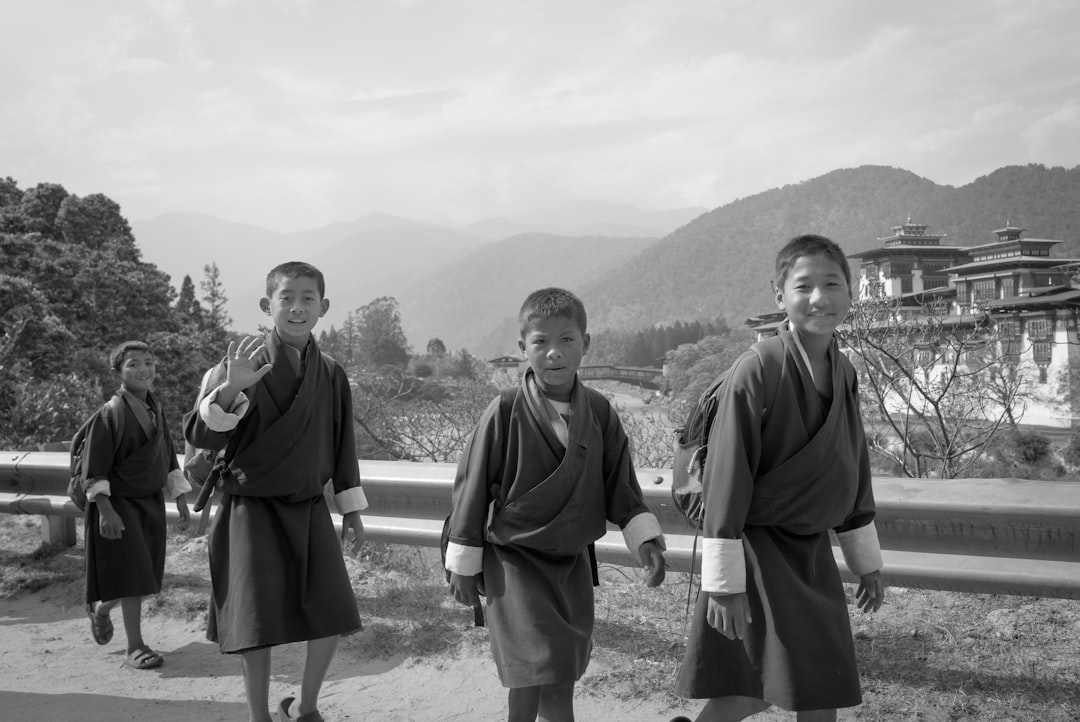
Bhutan, a small landlocked kingdom nestled in the Eastern Himalayas, is renowned for its stunning landscapes and rich cultural heritage. However, beneath its picturesque exterior lies a pressing demographic challenge that threatens the very fabric of its society. The nation is grappling with a declining birth rate and an increasingly aging population, which pose significant risks to its economic stability and social cohesion.
As Bhutan navigates the complexities of modernity while striving to preserve its unique identity, understanding these demographic shifts becomes crucial for policymakers and citizens alike. The demographic landscape of Bhutan is evolving rapidly, influenced by various factors such as urbanization, changing societal norms, and economic development. The implications of these changes are profound, affecting not only the economy but also the social and cultural dynamics of the nation.
As Bhutan stands at this crossroads, it is essential to explore the underlying causes of its demographic challenges and the potential solutions that could pave the way for a more sustainable future. Here is the sentence with the link:
You can learn about Bhutan’s gross national happiness explained in this video: Bhutan gross national happiness explained.
Key Takeaways
- Bhutan is facing demographic challenges including declining birth rates and an aging population.
- Factors contributing to Bhutan’s youthless society include urbanization, education, and changing social norms.
- The impact of a youthless society on Bhutan’s economy includes a shrinking workforce and increased healthcare costs.
- Bhutan’s aging population has social and cultural implications such as changing family structures and traditional practices.
- The government has initiated policies to address demographic challenges, but faces challenges in implementation and encouraging population growth.
Declining birth rates and aging population in Bhutan
In recent years, Bhutan has witnessed a notable decline in birth rates, a trend that has raised alarms among demographers and policymakers. The total fertility rate has dropped significantly, reflecting a shift in family planning preferences and lifestyle choices among the younger generation. Many couples are opting for smaller families or delaying parenthood altogether, influenced by factors such as increased access to education and career opportunities for women.
This decline in birth rates is not merely a statistical anomaly; it signifies a fundamental change in societal values and priorities. Simultaneously, Bhutan’s population is aging at an unprecedented rate. The proportion of elderly citizens is steadily increasing, leading to a demographic imbalance that poses challenges for healthcare, social services, and economic productivity.
As the working-age population shrinks relative to the elderly, the burden on social welfare systems intensifies. This dual phenomenon of declining birth rates coupled with an aging population creates a precarious situation for Bhutan, necessitating urgent attention and strategic planning to mitigate its effects.
Factors contributing to Bhutan’s youthless society

Several interrelated factors contribute to Bhutan’s transition towards a youthless society. One significant element is the rapid urbanization that has swept across the nation in recent decades. As young people migrate to urban centers in search of better job prospects and educational opportunities, rural areas experience depopulation.
This migration not only diminishes the youth population in rural regions but also exacerbates the aging demographic in those areas, as older generations remain behind. Additionally, changing cultural norms play a pivotal role in shaping family structures and reproductive choices. The traditional emphasis on large families is giving way to modern ideals that prioritize individual aspirations and economic stability.
Young Bhutanese are increasingly focused on personal development, career advancement, and financial security before considering marriage and parenthood. This shift reflects broader global trends but is particularly pronounced in Bhutan due to its unique socio-economic context.
Impact of youthless society on Bhutan’s economy
| Metrics | Data |
|---|---|
| GDP Growth | Decrease due to reduced workforce and consumer base |
| Unemployment Rate | Increase as fewer young people enter the workforce |
| Dependency Ratio | Rise in the ratio of elderly dependents to working-age population |
| Healthcare Costs | Higher burden on healthcare system to support aging population |
| Productivity | Potential decline as workforce ages and skills become outdated |
The implications of a youthless society extend far beyond demographic statistics; they have profound economic consequences as well.
This situation poses a significant challenge for Bhutan’s economy, which relies heavily on agriculture, tourism, and hydropower.
With an aging population, there may be a shortage of skilled labor necessary to sustain these industries. Moreover, an imbalanced demographic structure can strain public resources and social services. As the elderly population grows, there will be increased demand for healthcare services, pensions, and social support systems.
The government may face mounting pressure to allocate resources effectively while ensuring that the needs of both the elderly and the working-age population are met. Failure to address these economic challenges could hinder Bhutan’s development trajectory and compromise its aspirations for sustainable growth.
Social and cultural implications of Bhutan’s aging population
The aging population in Bhutan carries significant social and cultural implications that extend beyond economic considerations. As the demographic landscape shifts, traditional family structures are being challenged. In many cases, younger generations are moving away from their ancestral homes, leaving elderly relatives behind without adequate support systems.
This shift can lead to feelings of isolation among older individuals, who may struggle to adapt to changing social dynamics. Culturally, Bhutan’s rich heritage is at risk of being diluted as younger generations gravitate towards modern lifestyles and values. The transmission of traditional knowledge, customs, and practices may falter if there are fewer young people engaged in preserving their cultural identity.
This generational gap poses a threat not only to Bhutan’s unique cultural tapestry but also to its sense of community and belonging.
Government initiatives to address the demographic challenges

Recognizing the urgency of its demographic challenges, the Bhutanese government has initiated several programs aimed at addressing declining birth rates and supporting families. These initiatives include promoting family-friendly policies such as parental leave, childcare support, and financial incentives for families with children. By creating an environment conducive to raising children, the government hopes to encourage couples to consider larger families.
Additionally, efforts are being made to enhance healthcare services for both the elderly and young families. Investments in healthcare infrastructure aim to ensure that all citizens have access to quality medical care, thereby alleviating some of the burdens associated with an aging population. By prioritizing health and well-being across all age groups, Bhutan seeks to foster a more balanced demographic landscape.
Challenges in implementing policies to encourage population growth
Despite the government’s commitment to addressing demographic challenges, several obstacles hinder the effective implementation of policies aimed at encouraging population growth. One significant challenge is changing societal attitudes towards family size and gender roles. While policymakers may advocate for larger families, many young Bhutanese remain resistant to traditional norms that prioritize childbearing over personal aspirations.
Moreover, resource constraints can limit the government’s ability to provide comprehensive support for families. Economic pressures may restrict funding for childcare services or parental leave programs, making it difficult for couples to feel secure in their decision to have more children. Additionally, rural areas may lack access to essential services that facilitate family life, further exacerbating disparities between urban and rural populations.
Potential solutions to Bhutan’s youthless society
To combat its youthless society effectively, Bhutan must explore innovative solutions that resonate with its unique cultural context. One potential approach involves fostering a culture that values family life while simultaneously supporting individual aspirations. By promoting narratives that celebrate both personal achievement and family responsibilities, Bhutan can encourage young people to embrace parenthood without sacrificing their ambitions.
Furthermore, enhancing educational opportunities for young people can play a pivotal role in shaping their perspectives on family life. By integrating discussions about work-life balance and parenting into educational curricula, Bhutan can equip future generations with the knowledge and skills needed to navigate the complexities of modern family dynamics. This proactive approach could help bridge the gap between traditional values and contemporary realities.
The role of education in shaping Bhutan’s future
Education serves as a cornerstone for addressing Bhutan’s demographic challenges by empowering young people with knowledge and skills that can influence their choices regarding family life. A well-rounded education system can instill values that promote both personal development and social responsibility. By emphasizing critical thinking, problem-solving skills, and emotional intelligence, educational institutions can prepare students for the multifaceted challenges they will face as adults.
Moreover, education can play a vital role in fostering gender equality by encouraging women to pursue careers while also considering their roles as mothers. By providing equal opportunities for both genders in education and employment, Bhutan can create an environment where families thrive without compromising individual aspirations. This holistic approach can contribute significantly to reversing declining birth rates while nurturing a more balanced society.
International collaboration and support for Bhutan’s demographic challenges
Addressing demographic challenges requires not only domestic efforts but also international collaboration and support. Bhutan can benefit from partnerships with other nations facing similar issues or organizations specializing in demographic research and policy development. By sharing best practices and learning from successful initiatives implemented elsewhere, Bhutan can enhance its strategies for managing its aging population and declining birth rates.
International organizations can also provide technical assistance and funding for programs aimed at improving healthcare services, education systems, and family support initiatives. Collaborative efforts can help Bhutan leverage global expertise while tailoring solutions that align with its cultural values and socio-economic context.
The path forward for Bhutan’s uncertain future
As Bhutan confronts its demographic challenges head-on, it stands at a critical juncture that will shape its future trajectory. The interplay between declining birth rates and an aging population presents both risks and opportunities for the nation. By embracing innovative solutions rooted in education, cultural values, and international collaboration, Bhutan can navigate this uncertain landscape with resilience.
Ultimately, the path forward requires a collective commitment from all sectors of society—government officials, educators, families, and communities—to foster an environment where young people feel empowered to embrace parenthood while pursuing their dreams.
As Bhutan navigates the complexities of its future, the potential consequences of a declining youth population are becoming increasingly evident. The article on Bhutan’s demographic challenges highlights the critical role that young people play in shaping the nation’s socio-economic landscape. For a deeper understanding of these issues, you can read more in the related article found here: Bhutan’s Future Without Its Youth. This exploration sheds light on the importance of engaging and retaining the youth to ensure a vibrant and sustainable future for the country.
WATCH THIS! Gross National Happiness Is A Trap
FAQs
What is the current situation of Bhutan’s youth population?
Bhutan’s youth population is facing challenges such as high unemployment rates, limited educational and employment opportunities, and a growing trend of youth migration to urban areas and overseas.
What are the potential consequences of Bhutan’s youth migration?
The potential consequences of Bhutan’s youth migration include a shrinking workforce, brain drain, and a lack of skilled workers in key sectors such as healthcare, education, and technology.
How is Bhutan’s government addressing the issue of youth migration?
The Bhutanese government has implemented various initiatives to address youth migration, including the promotion of entrepreneurship, skills development programs, and efforts to create more job opportunities in rural areas.
What are the long-term implications of Bhutan’s future without its youth?
The long-term implications of Bhutan’s future without its youth include a potential decline in economic growth, a strain on social welfare systems, and a loss of human capital and innovation.
What are some potential solutions to retain Bhutan’s youth population?
Potential solutions to retain Bhutan’s youth population include investing in education and skills training, creating more job opportunities in rural areas, and promoting entrepreneurship and innovation.