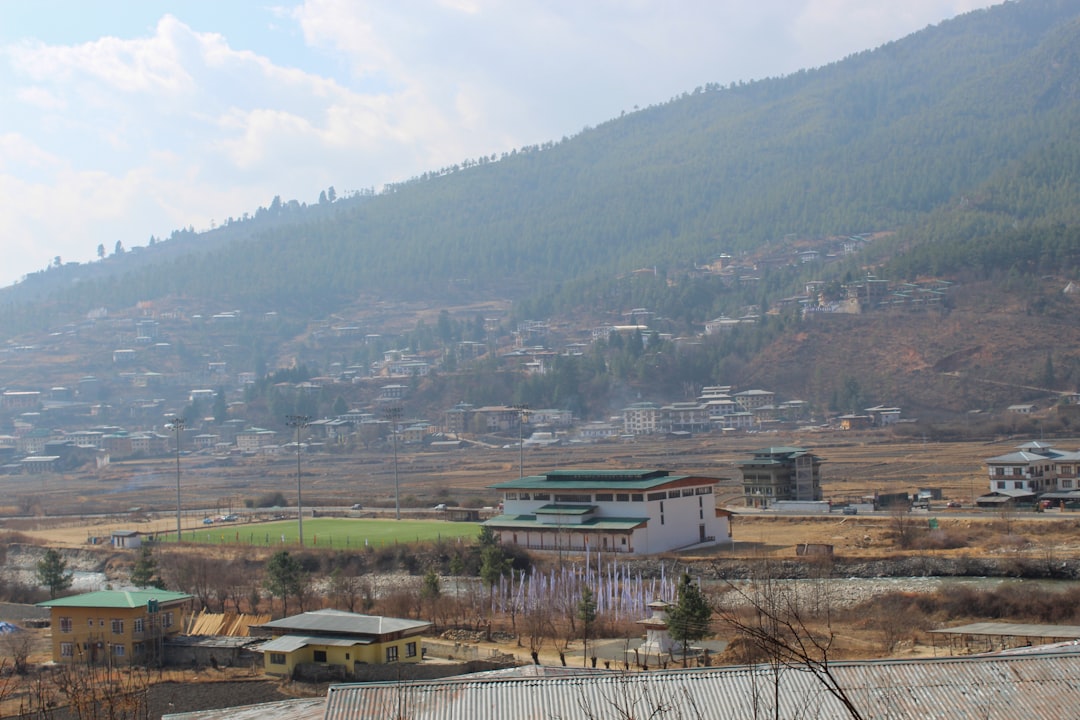
In the heart of the Eastern Himalayas lies Bhutan, a small kingdom that has captured the world’s attention with its unique approach to development. Central to this approach is the concept of Gross National Happiness (GNH), a philosophy that prioritizes the well-being of its citizens over mere economic growth. GNH was introduced in the 1970s by King Jigme Singye Wangchuck, who believed that true progress should encompass not only material wealth but also spiritual, cultural, and environmental dimensions.
This holistic framework has since become a guiding principle for Bhutan’s policies and governance, emphasizing the importance of happiness as a measurable goal. The GNH framework is built upon four pillars: sustainable development, cultural preservation, environmental conservation, and good governance. Each pillar interconnects to create a balanced approach to national progress.
For instance, sustainable development ensures that economic growth does not come at the expense of the environment or cultural heritage. This innovative model has garnered international interest, prompting discussions about alternative measures of success beyond GDP. Bhutan’s commitment to GNH reflects a profound understanding that happiness is multifaceted and deeply rooted in the well-being of individuals and communities. Here is the sentence with the link:
You can learn about Bhutan’s gross national happiness explained in this video: Bhutan gross national happiness explained.
Key Takeaways
- Gross National Happiness is a unique development philosophy in Bhutan that emphasizes holistic well-being over economic growth.
- Bhutan’s approach to time and well-being involves prioritizing leisure, relaxation, and community engagement over productivity and material wealth.
- Mindfulness and meditation are integral parts of Bhutanese culture, promoting mental well-being and inner peace.
- Bhutan places great importance on nature and environmental conservation, viewing it as essential for overall well-being and happiness.
- Bhutan’s efforts to preserve traditional arts and crafts are aimed at maintaining cultural identity and promoting sustainable livelihoods.
Bhutan’s Unique Approach to Time and Well-being
In Bhutan, time is perceived through a lens that diverges significantly from the fast-paced, productivity-driven mindset prevalent in many parts of the world. The Bhutanese people embrace a more fluid understanding of time, one that prioritizes relationships, community engagement, and personal well-being over rigid schedules and deadlines. This perspective fosters a sense of tranquility and allows individuals to savor life’s moments rather than rush through them.
In a society where the clock does not dictate every action, people find space for reflection and connection. This unique approach to time is intricately linked to the broader philosophy of GNH. By allowing for a slower pace of life, Bhutan encourages its citizens to cultivate deeper relationships with one another and with nature.
The emphasis on well-being over productivity creates an environment where individuals can thrive emotionally and spiritually. In this context, time becomes a resource for nurturing happiness rather than merely a commodity to be managed. As Bhutan continues to navigate the challenges of modernization, its commitment to this slower, more intentional approach to time remains a cornerstone of its cultural identity.
The Role of Mindfulness and Meditation in Bhutanese Culture
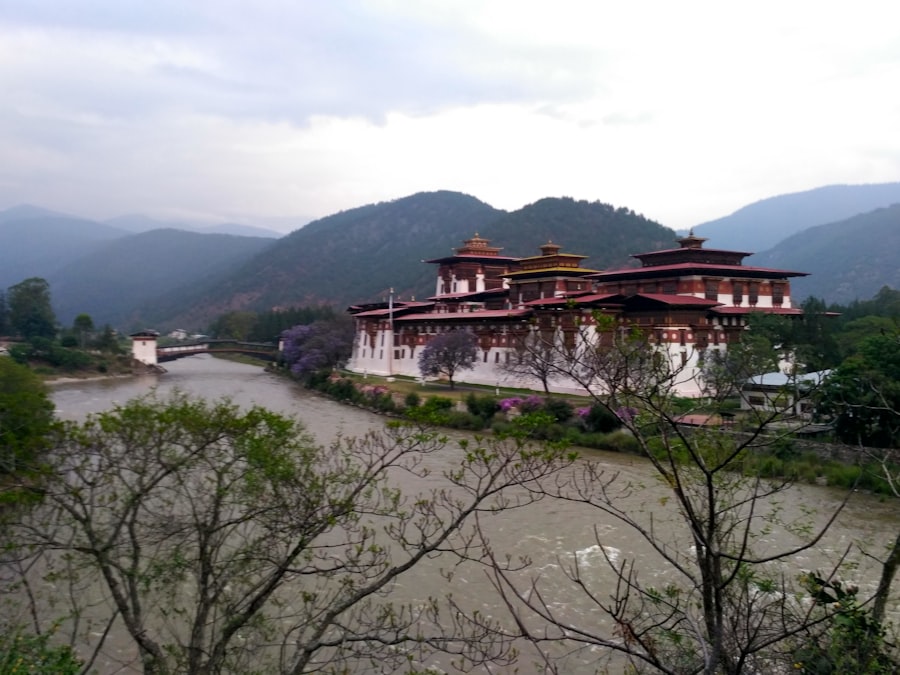
Mindfulness and meditation are integral components of Bhutanese culture, deeply rooted in the country’s Buddhist heritage. The practice of mindfulness encourages individuals to be present in the moment, fostering a sense of awareness and appreciation for their surroundings. In Bhutan, meditation is not merely a spiritual exercise; it is a way of life that permeates daily activities.
From monks in monasteries to farmers in fields, the principles of mindfulness are woven into the fabric of society. The significance of meditation extends beyond personal well-being; it also plays a crucial role in community cohesion. Group meditation sessions often bring people together, fostering a sense of unity and shared purpose.
This collective practice enhances social bonds and reinforces the values of compassion and empathy that are central to Bhutanese culture. As individuals engage in mindfulness practices, they cultivate resilience and emotional intelligence, equipping them to navigate life’s challenges with grace and equanimity.
The Importance of Nature and Environmental Conservation in Bhutan
| Metrics | Data |
|---|---|
| Forest Coverage | 72.5% of the total land area |
| Biodiversity | Over 5,400 species of vascular plants and 200 species of mammals |
| Environmental Policies | Constitution mandates maintaining at least 60% forest cover |
| Conservation Efforts | Establishment of national parks and conservation areas |
| Sustainable Development | Integration of environmental conservation in national development plans |
Nature holds a sacred place in Bhutanese culture, with the country’s stunning landscapes serving as both a source of inspiration and a vital component of its identity. The Bhutanese people have long recognized the intrinsic value of their natural environment, leading to a deep-seated commitment to environmental conservation. This reverence for nature is reflected in Bhutan’s policies, which prioritize sustainability and ecological balance.
Bhutan’s constitution mandates that at least 60% of its land must remain forested, a commitment that has resulted in one of the highest forest cover rates in the world. This dedication to preserving natural resources not only supports biodiversity but also contributes to the overall well-being of its citizens. Clean air, pristine water sources, and fertile land are essential for sustaining livelihoods and promoting health.
By integrating environmental conservation into its national identity, Bhutan sets an example for other nations grappling with ecological challenges.
Bhutan’s Efforts to Preserve Traditional Arts and Crafts
In an age marked by rapid globalization and technological advancement, Bhutan stands as a bastion of traditional arts and crafts. The kingdom places immense value on its cultural heritage, recognizing that these practices are vital for maintaining a sense of identity and continuity. From intricate handwoven textiles to exquisite woodwork and traditional painting techniques, Bhutanese artisans embody centuries-old skills that reflect the nation’s history and values.
Efforts to preserve these traditional arts are evident in various initiatives aimed at supporting local artisans and promoting cultural education. Workshops and training programs provide opportunities for younger generations to learn these crafts, ensuring that they are passed down through time. Additionally, festivals celebrating traditional arts serve as platforms for showcasing talent while fostering community pride.
By prioritizing cultural preservation alongside economic development, Bhutan demonstrates that progress need not come at the expense of heritage.
The Influence of Buddhism on Bhutanese Time-Slowing Practices
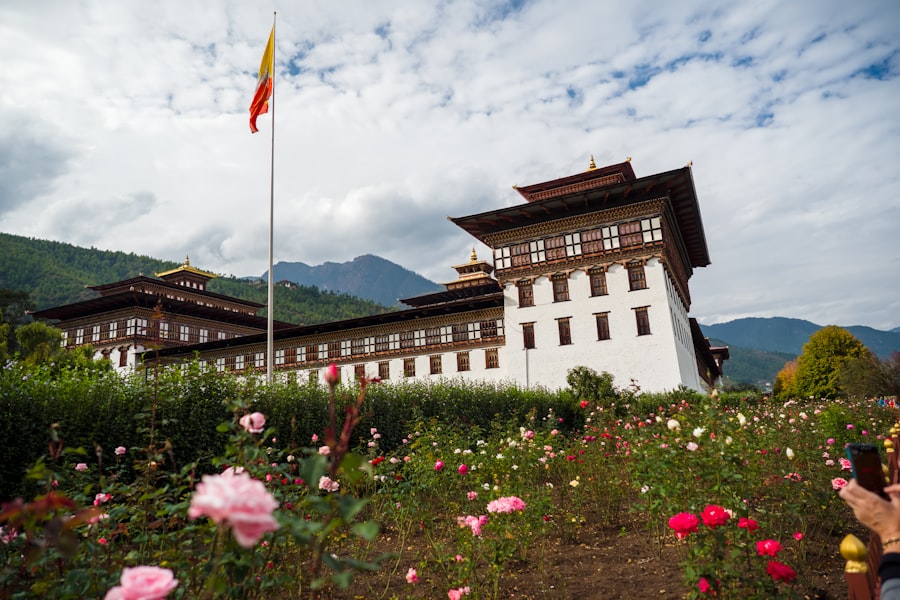
Buddhism plays a pivotal role in shaping Bhutanese attitudes toward time and existence. The teachings of mindfulness, impermanence, and interconnectedness inform how individuals perceive their daily lives. In this context, time is not merely a linear progression but rather a cyclical experience that invites reflection and appreciation for each moment.
The influence of Buddhism encourages individuals to slow down, fostering an awareness that transcends the hustle and bustle often associated with modern life. The practice of mindfulness meditation is deeply intertwined with Buddhist philosophy, providing individuals with tools to cultivate presence and awareness. This spiritual framework encourages people to engage with their surroundings fully, whether through nature walks or communal gatherings.
By embracing these teachings, Bhutanese citizens develop a profound understanding of the value of time spent in connection with themselves and others. As they navigate their lives with intention, they embody the essence of GNH—prioritizing happiness over haste.
The Impact of Modernization on Bhutan’s Time-Slowing Efforts
As Bhutan continues to modernize, it faces both opportunities and challenges in maintaining its time-slowing ethos.
While modernization can enhance access to information and resources, it also risks accelerating the pace at which people live their lives.
The challenge lies in finding a balance between embracing progress while preserving the core values that define Bhutanese culture. In response to these pressures, Bhutan has taken proactive measures to safeguard its unique approach to time. Initiatives promoting digital detoxes encourage individuals to disconnect from technology periodically, allowing them to reconnect with themselves and their communities.
Additionally, educational programs emphasize the importance of mindfulness practices in navigating modern challenges. By fostering resilience against the fast-paced demands of contemporary life, Bhutan seeks to ensure that its citizens can continue to prioritize well-being amidst change.
Bhutan’s Policies on Sustainable Development and Economic Growth
Bhutan’s commitment to sustainable development is evident in its policies that prioritize environmental conservation alongside economic growth. The government recognizes that true prosperity cannot be achieved at the expense of natural resources or cultural heritage. Instead, it seeks to create an economy that harmonizes with nature while providing opportunities for its citizens.
One notable initiative is the promotion of eco-tourism as a means of generating revenue while preserving the environment. By attracting visitors who appreciate Bhutan’s natural beauty and cultural richness, the country can foster economic growth without compromising its values. Additionally, investments in renewable energy sources reflect Bhutan’s dedication to sustainability—an approach that not only benefits the environment but also positions the nation as a leader in green initiatives on the global stage.
The Challenges and Benefits of Bhutan’s Time-Slowing Initiatives
While Bhutan’s time-slowing initiatives offer numerous benefits, they are not without challenges. One significant hurdle is the pressure from globalization and modernization that can lead individuals to adopt faster-paced lifestyles. As urbanization increases and access to technology expands, there is a risk that traditional practices may be overshadowed by contemporary demands for efficiency and productivity.
However, despite these challenges, the benefits of time-slowing initiatives are profound. Individuals who embrace this philosophy often report higher levels of happiness and well-being as they cultivate deeper connections with themselves and their communities. Moreover, by prioritizing mindfulness and environmental conservation, Bhutan fosters resilience against external pressures while reinforcing its cultural identity.
Ultimately, these initiatives serve as a reminder that true progress lies not in speed but in intentionality.
Lessons that the World can Learn from Bhutan’s Time-Slowing Efforts
Bhutan’s time-slowing efforts offer valuable lessons for societies grappling with the consequences of modernity. In an era characterized by constant connectivity and relentless productivity demands, Bhutan’s emphasis on well-being serves as a counter-narrative that prioritizes quality over quantity. By recognizing that happiness is multifaceted—encompassing emotional, spiritual, and environmental dimensions—other nations can begin to reevaluate their definitions of success.
Furthermore, Bhutan’s commitment to mindfulness practices highlights the importance of cultivating presence in daily life. As individuals around the world seek balance amidst chaos, adopting mindfulness techniques can foster resilience and emotional intelligence. By learning from Bhutan’s holistic approach to well-being, societies can create environments where individuals thrive rather than merely survive.
The Future of Bhutan’s Time-Slowing Efforts and their Global Relevance
Looking ahead, Bhutan’s time-slowing efforts hold significant relevance on both national and global scales. As more countries grapple with issues related to mental health, environmental degradation, and social disconnection, Bhutan’s model offers insights into alternative pathways for progress. By prioritizing happiness over economic metrics alone, nations can cultivate societies that value well-being as an essential component of development.
Moreover, as globalization continues to shape cultural landscapes worldwide, Bhutan’s commitment to preserving traditional practices serves as an inspiring example for others seeking to maintain their identities amidst change. The future may see increased collaboration between nations as they explore ways to integrate time-slowing principles into their own contexts—ultimately fostering a global movement toward more intentional living. In conclusion, Bhutan’s unique approach to time-slowing initiatives reflects a profound understanding of happiness as an intricate tapestry woven from various threads—cultural heritage, environmental stewardship, mindfulness practices—and serves as an inspiring model for societies worldwide seeking balance amidst modernity’s demands.
Bhutan’s unique approach to time management, which includes efforts to slow down the pace of life in order to enhance well-being and happiness, has garnered international attention. For a deeper understanding of how Bhutan is implementing these strategies, you can read more in this related article: Bhutan’s Attempt to Slow Time.
WATCH THIS! Gross National Happiness Is A Trap
FAQs
What is Bhutan’s attempt to slow time?
Bhutan’s attempt to slow time refers to the country’s initiative to prioritize Gross National Happiness over Gross Domestic Product, focusing on sustainable development, cultural preservation, and environmental conservation.
How is Bhutan attempting to slow time?
Bhutan is attempting to slow time by implementing policies and practices that prioritize the well-being of its citizens and the environment over rapid economic growth. This includes measures such as promoting traditional Bhutanese culture, preserving natural resources, and limiting tourism to protect the country’s unique identity.
Why is Bhutan’s attempt to slow time significant?
Bhutan’s attempt to slow time is significant because it challenges the conventional notion of progress and development, emphasizing the importance of holistic well-being and environmental sustainability. This approach has garnered international attention and serves as a model for alternative development paradigms.
What are the key principles of Bhutan’s attempt to slow time?
The key principles of Bhutan’s attempt to slow time are centered around the concept of Gross National Happiness, which includes sustainable and equitable socio-economic development, preservation and promotion of cultural heritage, conservation of the environment, and good governance.
How has Bhutan’s attempt to slow time impacted the country?
Bhutan’s attempt to slow time has had a positive impact on the country by fostering a strong sense of national identity, preserving cultural traditions, and maintaining a pristine natural environment. It has also contributed to the overall well-being and happiness of the Bhutanese people.