
Bhutan, a small landlocked kingdom nestled in the Eastern Himalayas, has garnered international attention for its unique approach to environmental conservation, particularly through its Sustainable Forest Cover Policy. This policy is not merely a set of regulations; it embodies the nation’s commitment to preserving its rich biodiversity while promoting sustainable development. Bhutan’s forests, which cover approximately 72% of the country’s land area, are not only vital for ecological balance but also serve as a cornerstone of the nation’s cultural identity and economic framework.
The Sustainable Forest Cover Policy aims to maintain this forest cover while ensuring that the needs of the local population are met, thereby striking a delicate balance between conservation and development. The significance of this policy extends beyond Bhutan’s borders, as it serves as a model for other nations grappling with similar challenges of balancing economic growth with environmental sustainability. By prioritizing forest conservation, Bhutan has positioned itself as a leader in global environmental efforts, showcasing how a small nation can make substantial contributions to the fight against climate change and biodiversity loss.
The Sustainable Forest Cover Policy is a testament to Bhutan’s holistic approach to development, where the well-being of its people and the health of its ecosystems are viewed as interconnected. Here is the sentence with the link:
You can learn about Bhutan’s gross national happiness explained in this video: Bhutan gross national happiness explained.
Key Takeaways
- Bhutan’s Sustainable Forest Cover Policy is a key component of the country’s commitment to environmental sustainability and biodiversity conservation.
- The historical background of Bhutan’s forest conservation efforts dates back to the early 17th century, with the implementation of strict forest management laws.
- Key components of Bhutan’s Sustainable Forest Cover Policy include community-based forest management, strict logging regulations, and reforestation initiatives.
- Community participation plays a crucial role in Bhutan’s forest management, with local communities actively involved in decision-making and benefit-sharing.
- Bhutan’s Sustainable Forest Cover Policy has had a positive impact on biodiversity conservation, with the country being recognized for its rich and diverse forest ecosystems.
Historical Background of Bhutan’s Forest Conservation Efforts
The roots of Bhutan’s forest conservation efforts can be traced back to its deep-seated cultural and spiritual beliefs that emphasize harmony with nature. Historically, Bhutanese society has revered forests as sacred spaces, integral to their identity and way of life. This reverence laid the groundwork for early conservation initiatives, which were often community-driven and based on traditional practices.
The establishment of protected areas in the 1990s marked a significant turning point in Bhutan’s approach to forest management, as the government recognized the need for formalized conservation strategies to safeguard its natural resources. In 1995, Bhutan adopted its first National Environment Strategy, which underscored the importance of sustainable development and environmental protection. This strategy paved the way for subsequent policies aimed at enhancing forest conservation.
The introduction of the Forest and Nature Conservation Act in 1995 further solidified the legal framework for forest management, emphasizing sustainable practices and community involvement. Over the years, Bhutan has continued to evolve its conservation strategies, integrating modern scientific approaches with traditional knowledge to create a comprehensive framework for forest management.
Key Components of Bhutan’s Sustainable Forest Cover Policy
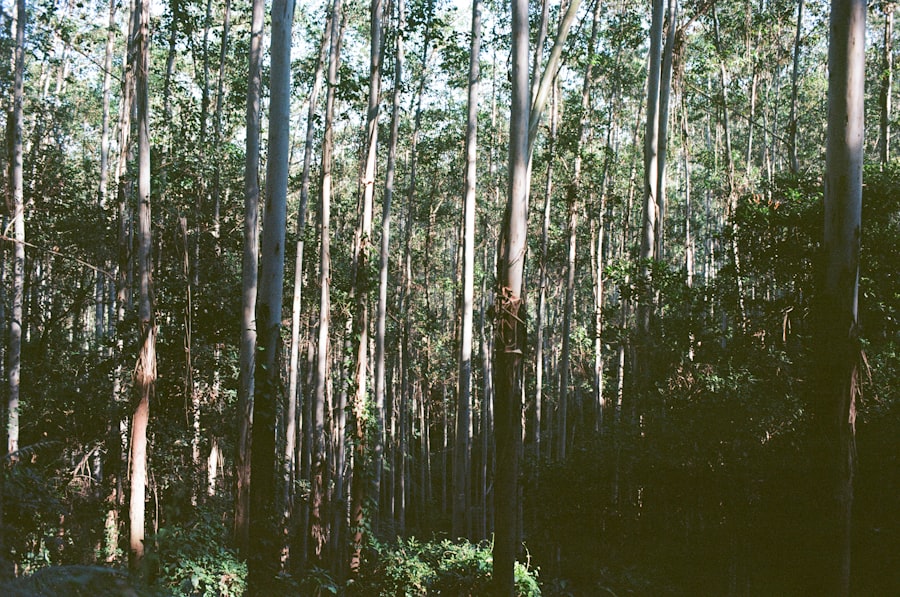
At the heart of Bhutan’s Sustainable Forest Cover Policy are several key components designed to ensure the long-term health and sustainability of its forests. One of the primary objectives is to maintain a minimum forest cover of 60% of the total land area, a commitment enshrined in the country’s constitution. This legal mandate reflects Bhutan’s recognition of forests as essential for ecological balance, climate regulation, and cultural heritage.
The policy also emphasizes sustainable logging practices, ensuring that timber extraction does not compromise forest health or biodiversity. Another critical aspect of the policy is the promotion of reforestation and afforestation initiatives. By actively engaging in tree planting campaigns and restoring degraded lands, Bhutan aims to enhance its forest cover while improving carbon sequestration capabilities.
Additionally, the policy encourages research and monitoring to assess forest health and biodiversity, enabling informed decision-making for future conservation efforts. Through these components, Bhutan’s Sustainable Forest Cover Policy seeks not only to protect existing forests but also to restore and expand them for future generations.
Role of Community Participation in Bhutan’s Forest Management
| Metrics | Data |
|---|---|
| Number of Community Forests | 120 |
| Percentage of Forest Area Managed by Communities | over 50% |
| Community Participation in Forest Management Plans | High |
| Forest Conservation and Protection Activities by Communities | Active |
Community participation is a cornerstone of Bhutan’s approach to forest management, reflecting the belief that local communities are best positioned to steward their natural resources. The government has actively involved local populations in decision-making processes related to forest conservation, recognizing their traditional knowledge and vested interest in maintaining healthy ecosystems. This participatory approach fosters a sense of ownership among communities, empowering them to take an active role in protecting their forests.
Various initiatives have been implemented to facilitate community engagement in forest management. For instance, community forestry programs allow local groups to manage designated forest areas sustainably. These programs not only enhance local livelihoods through sustainable resource use but also strengthen community bonds as residents work together towards common conservation goals.
By integrating local voices into forest management strategies, Bhutan has created a model that underscores the importance of collaboration between government authorities and communities in achieving sustainable outcomes.
Impact of Bhutan’s Sustainable Forest Cover Policy on Biodiversity Conservation
The impact of Bhutan’s Sustainable Forest Cover Policy on biodiversity conservation is profound and multifaceted. By prioritizing forest cover and implementing sustainable management practices, Bhutan has successfully preserved a rich tapestry of flora and fauna within its borders. The country’s diverse ecosystems, ranging from subtropical forests to alpine meadows, provide habitat for numerous species, some of which are endemic or endangered.
The policy has played a crucial role in safeguarding these habitats from degradation and fragmentation. Moreover, Bhutan’s commitment to maintaining high forest cover has contributed significantly to global biodiversity conservation efforts. The country is home to several protected areas that serve as biodiversity hotspots, including national parks and wildlife sanctuaries.
These areas not only protect wildlife but also promote ecological resilience against climate change impacts. By fostering healthy ecosystems through its Sustainable Forest Cover Policy, Bhutan has positioned itself as a vital player in global biodiversity conservation initiatives.
Economic Benefits of Bhutan’s Sustainable Forest Cover Policy
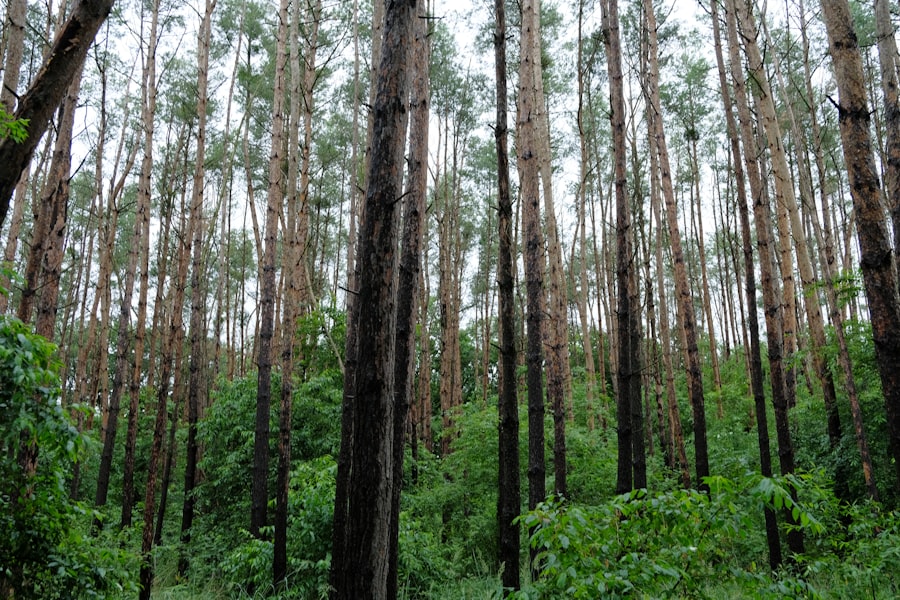
While environmental sustainability is at the forefront of Bhutan’s Sustainable Forest Cover Policy, it also brings substantial economic benefits to the nation. The forests serve as a source of livelihood for many rural communities through sustainable timber harvesting, non-timber forest products (NTFPs), and ecotourism opportunities. By promoting responsible resource use, the policy ensures that local populations can derive economic benefits without compromising the health of their forests.
Additionally, Bhutan’s forests play a crucial role in supporting the country’s hydropower sector, which is a significant contributor to its economy. Healthy forest ecosystems help regulate water cycles and maintain watershed integrity, ensuring a consistent flow of water for hydropower generation. This interdependence between forest health and economic prosperity highlights how sustainable forest management can create a win-win scenario for both environmental conservation and economic development.
Challenges and Limitations of Bhutan’s Forest Conservation Efforts
Despite its commendable achievements in forest conservation, Bhutan faces several challenges that threaten the effectiveness of its Sustainable Forest Cover Policy. One significant challenge is the pressure from agricultural expansion and infrastructure development. As the population grows and urbanization increases, there is an ongoing demand for land that can lead to deforestation and habitat loss.
Balancing development needs with conservation goals remains a complex task for policymakers. Another limitation lies in the need for enhanced capacity building among local communities and government institutions involved in forest management. While community participation is integral to Bhutan’s approach, there are instances where local knowledge may not be adequately integrated into formal decision-making processes.
Strengthening capacity through education and training can empower communities further and ensure that their insights contribute meaningfully to conservation efforts.
International Recognition and Support for Bhutan’s Sustainable Forest Cover Policy
Bhutan’s commitment to sustainable forest management has not gone unnoticed on the international stage. The country has received recognition for its innovative approaches to conservation and its contributions to global environmental goals. Various international organizations and governments have expressed support for Bhutan’s Sustainable Forest Cover Policy through funding initiatives, technical assistance, and collaborative projects aimed at enhancing forest conservation efforts.
This international recognition has also facilitated knowledge exchange between Bhutan and other countries facing similar challenges in forest management.
Future Directions and Goals for Bhutan’s Forest Conservation Efforts
Looking ahead, Bhutan aims to build upon its successes in forest conservation while addressing emerging challenges. One key goal is to enhance climate resilience through adaptive management strategies that consider changing environmental conditions. As climate change poses increasing threats to ecosystems worldwide, Bhutan recognizes the importance of integrating climate adaptation measures into its Sustainable Forest Cover Policy.
Additionally, there is a growing emphasis on promoting agroforestry practices that combine agriculture with forestry to optimize land use while enhancing biodiversity. By encouraging sustainable agricultural practices alongside forest conservation efforts, Bhutan seeks to create synergies that benefit both food security and environmental health.
Lessons Learned from Bhutan’s Sustainable Forest Cover Policy for Global Forest Management
Bhutan’s experience with its Sustainable Forest Cover Policy offers valuable lessons for global forest management efforts. One key takeaway is the importance of integrating traditional knowledge with modern scientific approaches in conservation strategies. By valuing local insights and practices, policymakers can develop more effective and culturally relevant solutions that resonate with communities.
Furthermore, Bhutan’s emphasis on community participation highlights the need for inclusive governance structures that empower local populations in decision-making processes related to natural resource management. Engaging communities not only fosters ownership but also enhances accountability and sustainability in conservation efforts.
The Importance of Bhutan’s Sustainable Forest Cover Policy for Environmental Sustainability
In conclusion, Bhutan’s Sustainable Forest Cover Policy stands as a beacon of hope in an era marked by environmental degradation and climate change challenges. By prioritizing forest conservation while promoting sustainable development, Bhutan has demonstrated that it is possible to achieve harmony between human needs and ecological health. The policy not only safeguards the country’s rich biodiversity but also provides economic opportunities for local communities.
As global awareness of environmental issues continues to grow, Bhutan’s approach serves as an inspiring model for other nations seeking to balance development with sustainability. The lessons learned from Bhutan’s experiences can inform global discussions on forest management strategies that prioritize both ecological integrity and social equity. Ultimately, Bhutan’s commitment to its Sustainable Forest Cover Policy underscores the critical importance of protecting our planet’s forests for future generations.
Bhutan’s forest cover policy is a crucial aspect of its commitment to environmental sustainability and conservation. For a deeper understanding of the implications of such policies, you can read a related article on forest management practices at My Geo Quest. This article explores various strategies employed by different countries, including Bhutan, to maintain and enhance their forest ecosystems while balancing development needs.
WATCH THIS! Gross National Happiness Is A Trap
FAQs
What is Bhutan’s forest cover policy?
Bhutan’s forest cover policy is a commitment by the government to maintain at least 60% of the country’s total land area under forest cover for all time.
When was Bhutan’s forest cover policy established?
Bhutan’s forest cover policy was established in 1974 with the enactment of the Forest and Nature Conservation Act.
What are the key objectives of Bhutan’s forest cover policy?
The key objectives of Bhutan’s forest cover policy include conservation of biodiversity, sustainable forest management, and mitigating climate change through carbon sequestration.
How does Bhutan’s forest cover policy impact the environment?
Bhutan’s forest cover policy has a positive impact on the environment by preserving biodiversity, regulating water cycles, and reducing carbon emissions through the sequestration of carbon dioxide.
What measures are taken to enforce Bhutan’s forest cover policy?
To enforce the forest cover policy, Bhutan has established protected areas, national parks, and wildlife sanctuaries, as well as implementing community-based natural resource management initiatives.
What are the challenges faced in implementing Bhutan’s forest cover policy?
Challenges in implementing Bhutan’s forest cover policy include illegal logging, forest fires, and the need for sustainable livelihood options for communities dependent on forest resources.