
Bhutan, often referred to as the “Land of the Thunder Dragon,” has long captivated travelers with its stunning landscapes, rich cultural heritage, and commitment to preserving its unique identity. The tourism industry in Bhutan has been a vital component of the nation’s economy, contributing significantly to its GDP and providing employment opportunities for many locals. The country’s approach to tourism is distinctive; it emphasizes high-value, low-impact tourism, which aims to attract discerning travelers while minimizing the environmental and cultural footprint.
This strategy not only preserves Bhutan’s pristine environment but also ensures that the benefits of tourism are felt by local communities.
This philosophy extends to tourism, where the focus is on sustainable practices that respect the environment and local cultures.
As a result, Bhutan has become a sought-after destination for those seeking authentic experiences, from trekking in the Himalayas to exploring ancient monasteries. However, the tourism sector is not without its challenges, and recent global events have tested the resilience of this industry in ways that were previously unimaginable. Here is the sentence with the link:
You can learn about Bhutan’s gross national happiness explained in this video: Bhutan gross national happiness explained.
Key Takeaways
- Bhutan’s tourism industry has been heavily impacted by the COVID-19 pandemic, leading to a collapse in tourist arrivals and significant economic and social consequences.
- The government has implemented various initiatives to support the tourism sector, including financial assistance and promotional campaigns, while also emphasizing the importance of sustainable tourism in the recovery process.
- Rebuilding the tourism industry in Bhutan faces challenges such as infrastructure development, ensuring safety measures, and adapting to changing traveler preferences.
- Strategies for attracting tourists back to Bhutan include promoting unique cultural experiences, emphasizing safety and hygiene measures, and offering flexible booking and cancellation policies.
- International collaboration and community involvement are crucial in rebuilding Bhutan’s tourism industry, and the future of the industry will depend on lessons learned and the ability to adapt to a new normal.
The Impact of the COVID-19 Pandemic on Bhutan’s Tourism
The COVID-19 pandemic brought unprecedented disruption to the global tourism industry, and Bhutan was no exception. As countries around the world closed their borders and implemented travel restrictions, Bhutan’s tourism sector came to a grinding halt. In 2019, the country welcomed over 300,000 tourists, but by 2020, that number plummeted to nearly zero.
This sudden decline not only affected international visitors but also had a cascading effect on local businesses that relied heavily on tourism for their livelihoods. The impact of this downturn was felt across various sectors, from hotels and restaurants to tour operators and local artisans. Many small businesses faced financial ruin as they struggled to adapt to the new reality.
The loss of income for families dependent on tourism led to increased economic hardship, with many individuals finding themselves without a source of income. The pandemic highlighted the vulnerabilities within Bhutan’s tourism model, raising questions about its sustainability and resilience in the face of global crises.
Economic and Social Consequences of the Tourism Collapse
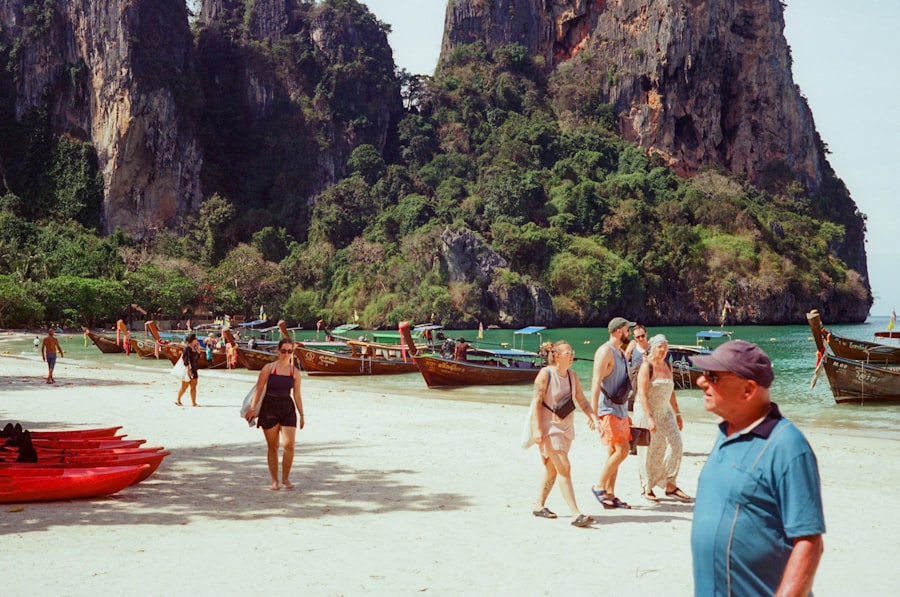
The collapse of Bhutan’s tourism industry due to the pandemic had profound economic and social consequences. Economically, the sudden loss of revenue from international visitors resulted in significant budget shortfalls for both the government and local businesses. The tourism sector had been a major contributor to Bhutan’s GDP, and its abrupt decline led to a ripple effect throughout the economy.
Many sectors that were indirectly linked to tourism, such as agriculture and handicrafts, also suffered as demand dwindled. Socially, the impact was equally severe. Communities that had thrived on the influx of tourists found themselves grappling with unemployment and uncertainty.
The loss of income not only affected individual families but also strained social cohesion within communities. Many locals who had previously relied on tourism for their livelihoods were forced to seek alternative means of support, leading to increased migration to urban areas in search of work. This shift threatened to erode traditional lifestyles and cultural practices that had been preserved through generations of interaction with tourists.
Government Initiatives to Support the Tourism Sector
| Initiative | Description | Impact |
|---|---|---|
| Financial Support | Providing grants and loans to tourism businesses | Helps businesses stay afloat and retain employees |
| Marketing Campaigns | Promoting tourism destinations through advertising | Attracts visitors and boosts local economies |
| Infrastructure Development | Investing in transportation and facilities | Improves accessibility and visitor experience |
| Training Programs | Offering education and skill development for tourism workers | Enhances service quality and professionalism |
In response to the challenges posed by the pandemic, the government of Bhutan took proactive measures to support the tourism sector during this difficult period. Recognizing the importance of tourism for national development, authorities implemented various initiatives aimed at revitalizing the industry while ensuring safety and sustainability. One key initiative was the introduction of financial assistance programs for businesses affected by the downturn.
These programs provided much-needed relief to struggling enterprises, helping them stay afloat during a time of uncertainty. Additionally, the government focused on enhancing infrastructure and services in preparation for the eventual return of tourists. Investments were made in improving transportation networks, upgrading facilities, and promoting digital solutions for travel planning and bookings.
By prioritizing these developments, Bhutan aimed to create a more seamless experience for future visitors while also ensuring that local communities benefited from these improvements. The government’s commitment to supporting the tourism sector demonstrated a recognition of its vital role in Bhutan’s economy and cultural preservation.
The Role of Sustainable Tourism in Bhutan’s Recovery
As Bhutan looks toward recovery, sustainable tourism has emerged as a cornerstone of its strategy. The country’s unique approach to tourism emphasizes environmental conservation and cultural preservation, making it well-positioned to attract travelers who prioritize responsible travel practices. By promoting sustainable tourism initiatives, Bhutan aims not only to recover from the pandemic but also to build a more resilient industry that can withstand future challenges.
Sustainable tourism in Bhutan encompasses various aspects, including eco-friendly accommodations, community-based tourism projects, and conservation efforts aimed at protecting natural resources. By engaging local communities in these initiatives, Bhutan fosters a sense of ownership and pride among residents while ensuring that they reap the benefits of tourism. This approach aligns with Bhutan’s broader philosophy of Gross National Happiness, which seeks to balance economic development with environmental stewardship and cultural integrity.
Challenges Faced by the Tourism Industry in Rebuilding

Despite its commitment to sustainable practices, Bhutan’s tourism industry faces several challenges as it embarks on the path to recovery. One significant hurdle is rebuilding traveler confidence in light of ongoing health concerns related to COVID-19. Many potential visitors remain hesitant about international travel due to fears of infection or changing travel restrictions.
This uncertainty poses a challenge for Bhutan as it seeks to attract tourists back to its shores. Another challenge lies in adapting marketing strategies to resonate with a post-pandemic audience. Travelers’ preferences have shifted dramatically during the pandemic, with many now seeking more personalized experiences that prioritize safety and well-being.
Additionally, competition from other destinations that have successfully reopened their borders may further complicate Bhutan’s efforts to regain its position as a premier travel destination.
Strategies for Attracting Tourists Back to Bhutan
To effectively attract tourists back to Bhutan, a multifaceted approach is essential. First and foremost, enhancing health and safety protocols will be crucial in reassuring potential visitors. Implementing rigorous hygiene measures in accommodations, transportation, and tourist sites can help instill confidence among travelers that their well-being is prioritized during their visit.
Moreover, targeted marketing campaigns that highlight Bhutan’s unique cultural experiences and natural beauty can reignite interest among potential tourists. Collaborating with travel influencers and leveraging social media platforms can amplify these efforts by showcasing authentic experiences that resonate with travelers seeking meaningful connections with destinations. Additionally, offering flexible booking options and incentives for early bookings can encourage travelers to consider Bhutan as their next destination.
The Importance of International Collaboration in Rebuilding Tourism
International collaboration will play a pivotal role in Bhutan’s efforts to rebuild its tourism industry. As countries around the world navigate their own recovery processes, sharing best practices and lessons learned can foster resilience within the global tourism community. Collaborative initiatives can include joint marketing campaigns that promote safe travel between countries or partnerships with international organizations focused on sustainable tourism development.
Furthermore, engaging with regional neighbors can enhance Bhutan’s appeal as a multi-destination experience for travelers seeking diverse cultural encounters within South Asia. By working together with neighboring countries, Bhutan can create integrated travel packages that encourage visitors to explore multiple destinations while benefiting from shared resources and expertise.
Community Involvement in Tourism Recovery Efforts
Community involvement is essential for ensuring that tourism recovery efforts are inclusive and equitable. Engaging local communities in decision-making processes related to tourism development can empower residents and ensure that their voices are heard. By involving communities in shaping tourism initiatives, Bhutan can create experiences that reflect local culture while providing economic opportunities for residents.
Additionally, community-based tourism projects can be instrumental in fostering sustainable practices while generating income for local families. Initiatives such as homestays or guided tours led by local residents not only provide authentic experiences for visitors but also allow communities to retain control over their cultural heritage and natural resources. By prioritizing community involvement in recovery efforts, Bhutan can build a more resilient tourism industry that benefits both visitors and residents alike.
The Future of Bhutan’s Tourism Industry
Looking ahead, the future of Bhutan’s tourism industry hinges on its ability to adapt and innovate in response to changing global dynamics. As travelers increasingly seek authentic experiences that prioritize sustainability and cultural immersion, Bhutan’s unique offerings position it well within this evolving landscape. By continuing to emphasize responsible travel practices and engaging local communities in tourism development, Bhutan can carve out a niche as a leader in sustainable tourism.
Moreover, leveraging technology will be crucial for enhancing visitor experiences while streamlining operations within the industry. Digital solutions can facilitate seamless travel planning and provide valuable insights into visitor preferences, allowing businesses to tailor their offerings accordingly. As Bhutan navigates its recovery journey, embracing innovation alongside its commitment to sustainability will be key to ensuring long-term success in the tourism sector.
Lessons Learned and Hope for Recovery
The challenges faced by Bhutan’s tourism industry during the COVID-19 pandemic have underscored the importance of resilience and adaptability in an ever-changing world. As the country embarks on its recovery journey, valuable lessons have emerged regarding the need for sustainable practices, community involvement, and international collaboration. By prioritizing these principles, Bhutan can rebuild its tourism sector while preserving its unique cultural heritage and natural environment.
While uncertainties remain regarding the pace of recovery, there is hope for a brighter future for Bhutan’s tourism industry. With a renewed focus on sustainability and an unwavering commitment to enhancing visitor experiences, Bhutan stands poised to welcome travelers back with open arms once again. As it navigates this transformative period, Bhutan’s dedication to preserving its identity while embracing change will undoubtedly shape its path forward in the world of tourism.
The pandemic has significantly impacted Bhutan’s tourism sector, leading to a dramatic collapse in visitor numbers and revenue. For a deeper understanding of the broader implications of this decline on the country’s economy and culture, you can read a related article on the topic at