
Bhutan, a small kingdom nestled in the eastern Himalayas, is often celebrated for its stunning landscapes and rich cultural heritage. However, its geographical positioning as a landlocked nation presents a unique set of challenges that impact its development and economic growth. Surrounded by India to the south and China to the north, Bhutan’s lack of direct access to international waters limits its trade opportunities and complicates its integration into the global economy.
This landlocked status not only affects Bhutan’s economic prospects but also influences its political relationships and infrastructure development. The implications of being landlocked extend beyond mere geography; they encompass a range of socio-economic factors that shape the lives of Bhutanese citizens. The kingdom’s isolation can hinder access to essential goods, services, and markets, making it imperative for Bhutan to navigate these challenges strategically.
As Bhutan seeks to carve out a sustainable path for its future, understanding the complexities of its landlocked status becomes crucial in addressing the obstacles it faces while leveraging its unique strengths. Here is the sentence with the link:
You can learn about Bhutan’s gross national happiness explained in this video: Bhutan gross national happiness explained.
Key Takeaways
- Bhutan faces unique challenges as a landlocked country, impacting its economic development and international relations.
- The geography and topography of Bhutan, with its mountainous terrain, further complicates transportation and infrastructure development.
- Landlocked countries face challenges such as limited access to sea ports, higher transportation costs, and dependence on neighboring countries for trade routes.
- The economic impact of being landlocked includes higher trade costs, limited export opportunities, and vulnerability to global market fluctuations.
- Infrastructure development and transportation challenges in Bhutan require innovative solutions to improve connectivity and reduce trade barriers.
Geography and topography of Bhutan
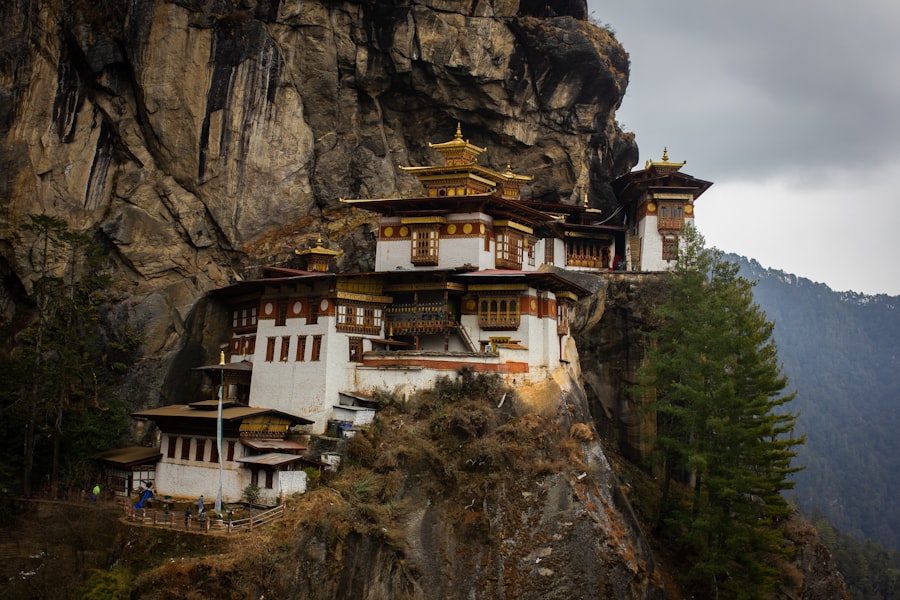
Bhutan’s geography is characterized by its dramatic topography, which ranges from the lush subtropical plains in the south to the towering peaks of the Himalayas in the north. This diverse landscape not only contributes to the country’s breathtaking beauty but also plays a significant role in shaping its economic activities and infrastructure development. The rugged terrain presents both opportunities and challenges; while it offers rich natural resources and potential for hydropower generation, it also complicates transportation and connectivity.
The country’s mountainous regions are home to some of the highest peaks in the world, including Gangkhar Puensum, which stands as a symbol of national pride. The elevation variations create microclimates that support diverse flora and fauna, making Bhutan a biodiversity hotspot. However, this same topography can impede infrastructure development, as constructing roads and transportation networks through steep and unstable terrain requires significant investment and engineering expertise.
As Bhutan navigates its landlocked dilemma, understanding the geographical context is essential for devising effective solutions.
Challenges faced by landlocked countries
Landlocked countries like Bhutan face a myriad of challenges that stem from their geographical isolation. One of the most pressing issues is limited access to international markets, which can stifle economic growth and development. Without direct access to seaports, landlocked nations often rely on neighboring countries for transit routes, leading to increased transportation costs and logistical complexities.
This reliance can create vulnerabilities, particularly if political tensions arise or if neighboring countries impose trade restrictions. Additionally, landlocked countries frequently experience difficulties in attracting foreign investment. Investors may be hesitant to commit resources to regions that lack direct access to global markets, perceiving them as less competitive or more risky.
This can result in a cycle of underdevelopment, where limited economic opportunities further entrench a nation’s landlocked status. For Bhutan, addressing these challenges requires innovative strategies that enhance connectivity and foster regional cooperation.
Economic impact of being landlocked
| Country | GDP | Trade Volume | Transportation Costs |
|---|---|---|---|
| Afghanistan | 20.88 billion | 6.5 billion | High |
| Bolivia | 40.58 billion | 9.8 billion | High |
| Zambia | 25.61 billion | 8.2 billion | High |
The economic ramifications of being landlocked are profound and multifaceted. For Bhutan, the absence of direct maritime access translates into higher transportation costs for imports and exports, which can erode the competitiveness of local industries. This situation is particularly challenging for a country that relies heavily on agriculture and hydropower as key economic drivers.
The increased costs associated with moving goods across borders can deter trade and limit Bhutan’s ability to diversify its economy. Moreover, being landlocked can hinder Bhutan’s participation in regional and global supply chains. As international trade increasingly relies on efficient logistics and timely delivery, Bhutan’s geographical constraints may prevent it from fully capitalizing on emerging market opportunities.
The economic impact is further exacerbated by the need for substantial investments in infrastructure to facilitate trade routes, which can strain national budgets and divert resources from other critical areas such as education and healthcare.
Infrastructure development and transportation challenges
Infrastructure development is a critical component of addressing the challenges posed by Bhutan’s landlocked status. The country’s rugged terrain complicates the construction of roads, railways, and other transportation networks necessary for facilitating trade. While Bhutan has made strides in improving its infrastructure over the years, significant gaps remain that hinder efficient movement of goods and people.
The transportation challenges faced by Bhutan are not merely logistical; they also have social implications. Limited connectivity can isolate rural communities from urban centers, restricting access to markets, education, and healthcare services. As a result, addressing infrastructure deficits becomes essential not only for economic growth but also for promoting social equity and improving the quality of life for all Bhutanese citizens.
Strategic investments in transportation infrastructure can help bridge these gaps and enhance Bhutan’s overall resilience.
Trade and international relations

Trade plays a pivotal role in shaping Bhutan’s economic landscape, yet its landlocked status complicates its international relations. The kingdom primarily relies on India for trade routes, making it vulnerable to fluctuations in bilateral relations. While India has historically been a supportive partner, any shifts in political dynamics could impact Bhutan’s access to essential goods and markets.
To mitigate these risks, Bhutan has sought to diversify its trade partnerships beyond India. Engaging with neighboring countries such as Bangladesh and Nepal presents opportunities for expanding trade routes and enhancing regional cooperation. By fostering stronger ties with these nations, Bhutan can work towards creating a more resilient trade network that reduces its dependence on any single partner.
Strengthening international relations through diplomacy and collaboration will be crucial for Bhutan as it navigates the complexities of its landlocked status.
Overcoming challenges through regional cooperation
Regional cooperation emerges as a vital strategy for Bhutan in overcoming the challenges associated with being landlocked. Collaborative initiatives with neighboring countries can facilitate improved trade routes, enhance infrastructure development, and promote economic integration. By working together with India, Bangladesh, and Nepal, Bhutan can leverage shared resources and expertise to address common challenges.
One notable example of regional cooperation is the South Asian Association for Regional Cooperation (SAARC), which aims to promote economic and social development among member states. Through platforms like SAARC, Bhutan can engage in dialogue with its neighbors to identify opportunities for collaboration in areas such as transportation, energy sharing, and trade facilitation. By fostering a spirit of cooperation rather than competition, Bhutan can work towards creating a more interconnected region that benefits all member states.
Investment in technology and innovation
In an increasingly digital world, investment in technology and innovation presents an opportunity for Bhutan to overcome some of the limitations imposed by its landlocked status. Embracing technological advancements can enhance efficiency in various sectors, including agriculture, manufacturing, and services. For instance, adopting digital platforms for trade can streamline processes and reduce transaction costs, making it easier for Bhutanese businesses to engage with international markets.
Furthermore, technology can play a crucial role in improving infrastructure development. Innovative solutions such as drone technology for surveying remote areas or smart transportation systems can help address some of the logistical challenges posed by Bhutan’s rugged terrain. By prioritizing investment in technology and fostering a culture of innovation, Bhutan can position itself as a forward-thinking nation capable of navigating its landlocked dilemma effectively.
Diversifying the economy
Diversification is essential for Bhutan as it seeks to reduce its vulnerability to external shocks associated with being landlocked. Relying heavily on agriculture and hydropower exposes the economy to fluctuations in demand and environmental factors. By exploring new sectors such as information technology, renewable energy, or sustainable tourism, Bhutan can create a more resilient economic framework that is less dependent on traditional industries.
Encouraging entrepreneurship and supporting small businesses will be crucial in this diversification effort. By fostering an environment conducive to innovation and creativity, Bhutan can tap into the potential of its youth population and harness their skills to drive economic growth. Additionally, promoting local products through branding initiatives can enhance their visibility in both domestic and international markets, further contributing to economic diversification.
Promoting tourism as a means of overcoming challenges
Tourism stands out as a promising avenue for Bhutan to overcome some of the challenges associated with being landlocked. The kingdom’s breathtaking landscapes, rich cultural heritage, and commitment to sustainable tourism make it an attractive destination for travelers seeking unique experiences. By promoting tourism effectively, Bhutan can generate revenue that supports infrastructure development while creating jobs for local communities.
Sustainable tourism practices must be prioritized to ensure that the influx of visitors does not compromise the very attributes that make Bhutan special. By focusing on high-value tourism experiences rather than mass tourism, Bhutan can create a sustainable model that benefits both its economy and its people.
Bhutan’s potential for overcoming its landlocked dilemma
In conclusion, while Bhutan’s landlocked status presents significant challenges, it also offers opportunities for growth and development through strategic planning and regional cooperation. By investing in infrastructure development, embracing technology and innovation, diversifying its economy, and promoting sustainable tourism, Bhutan can navigate its geographical constraints effectively. The kingdom’s unique cultural heritage and stunning natural landscapes position it well to attract investment and foster international partnerships that enhance its resilience.
As Bhutan continues to explore ways to overcome its landlocked dilemma, it remains poised to unlock its potential as a vibrant nation capable of thriving in an interconnected world. With determination and collaboration at the forefront of its efforts, Bhutan can transform its geographical challenges into stepping stones toward a prosperous future.
These issues are further compounded by its mountainous terrain, which can hinder infrastructure development. For a deeper understanding of the geographical and economic challenges faced by landlocked nations like Bhutan, you can read more in this related article on MyGeoQuest: MyGeoQuest.
WATCH THIS! Gross National Happiness Is A Trap
FAQs
What are the main challenges faced by Bhutan as a landlocked country?
Bhutan faces challenges such as limited access to sea ports, which can hinder trade and economic development. The country also relies heavily on its neighbors for transportation of goods and services.
How does Bhutan overcome the challenges of being a landlocked country?
Bhutan has focused on improving its infrastructure, including roads and bridges, to enhance connectivity with neighboring countries. The country also seeks to diversify its trade partners and explore alternative transportation routes.
What impact do the landlocked challenges have on Bhutan’s economy?
The landlocked challenges can lead to higher transportation costs, delays in trade, and limited access to international markets, which can impact Bhutan’s economic growth and development.
What strategies has Bhutan implemented to address its landlocked challenges?
Bhutan has pursued regional cooperation and integration initiatives, such as joining regional trade agreements and improving customs procedures to facilitate trade. The country also focuses on developing its tourism industry and promoting sustainable development.