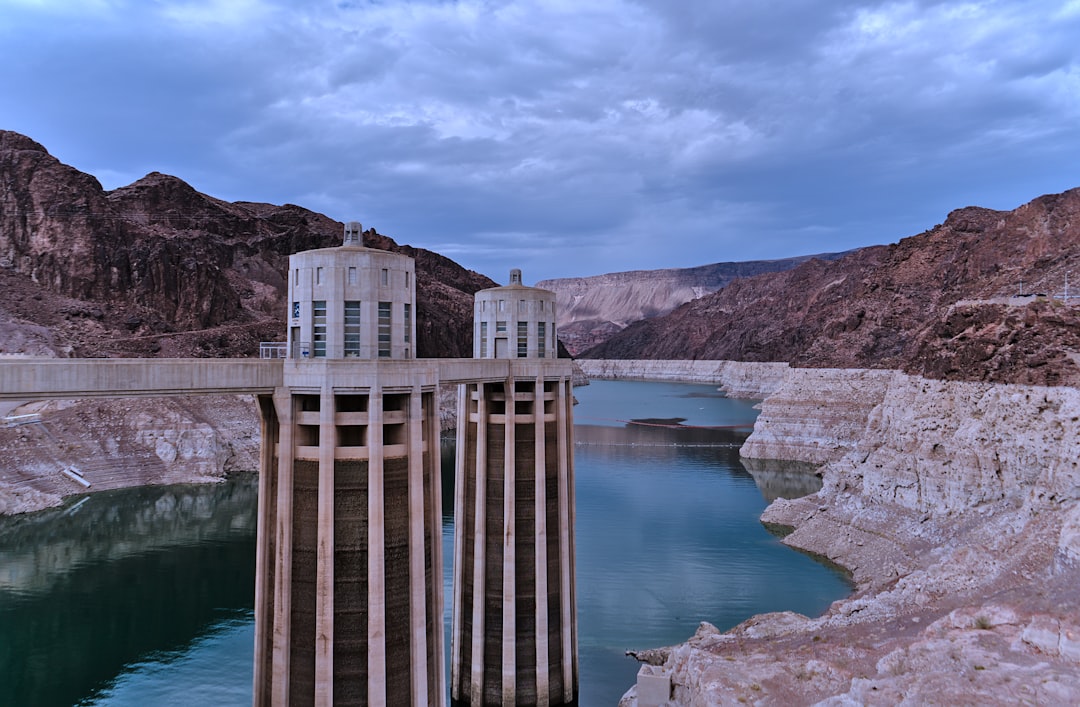
Nestled in the eastern Himalayas, Bhutan is a small kingdom renowned for its breathtaking landscapes and rich cultural heritage. Among its many natural resources, hydropower stands out as a cornerstone of the nation’s development strategy. With an abundance of rivers fed by glacial melt and monsoon rains, Bhutan possesses a unique geographical advantage that positions it as a potential leader in renewable energy production.
The country has embraced hydropower not only as a means to meet its domestic energy needs but also as a significant avenue for economic growth and international cooperation. The commitment to harnessing hydropower aligns with Bhutan’s broader vision of Gross National Happiness, which emphasizes sustainable development and environmental conservation. As the world increasingly turns to renewable energy sources to combat climate change, Bhutan’s hydropower initiatives offer a compelling case study.
Here is the sentence with the link:
You can learn about Bhutan’s gross national happiness explained in this video: Bhutan gross national happiness explained.
Key Takeaways
- Bhutan’s hydropower potential is estimated to be around 30,000 MW, making it a significant source of renewable energy.
- Hydropower projects in Bhutan have raised concerns about their environmental impact, including the disruption of river ecosystems and potential risks of landslides and flooding.
- The construction of hydropower projects in Bhutan has led to social and cultural changes, including the displacement of communities and the loss of cultural heritage sites.
- Bhutan’s hydropower projects have brought economic benefits to the country, including revenue from electricity exports and job opportunities in the construction and operation of power plants.
- Despite its potential, Bhutan’s hydropower sector faces challenges such as funding constraints, technical limitations, and the need for sustainable management of natural resources.
The Potential of Hydropower in Bhutan
Bhutan’s hydropower potential is staggering, estimated at around 30,000 megawatts, with approximately 23,000 megawatts deemed technically feasible for development. This immense capacity positions Bhutan as one of the richest countries in terms of hydropower resources per capita. The country’s numerous rivers, including the Wang Chhu, Punatsang Chhu, and Mo Chhu, flow with considerable force, providing an ideal setting for hydroelectric projects.
The government has recognized this potential and has made significant investments in developing its hydropower infrastructure. Moreover, Bhutan’s commitment to renewable energy is not merely about exploiting resources; it is also about fostering regional cooperation. By exporting surplus electricity to neighboring countries like India, Bhutan can generate revenue while contributing to regional energy security.
This symbiotic relationship not only enhances Bhutan’s economic stability but also strengthens diplomatic ties with its neighbors. As such, the potential of hydropower in Bhutan extends beyond mere numbers; it embodies a vision for sustainable development that can inspire other nations.
The Environmental Impact of Hydropower in Bhutan
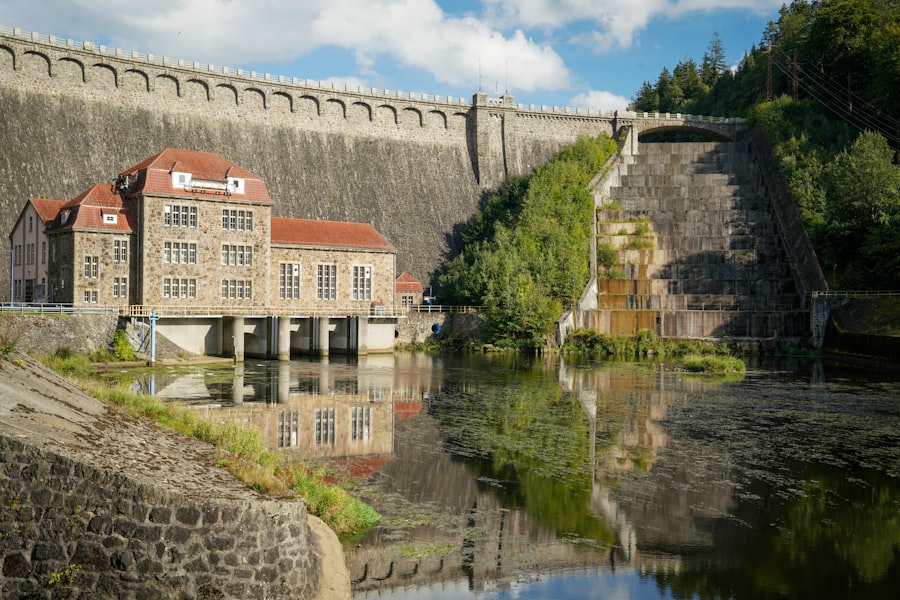
While hydropower is often lauded for its renewable nature, it is essential to consider the environmental implications of large-scale projects. In Bhutan, the government has taken steps to mitigate potential negative impacts through careful planning and environmental assessments. The mountainous terrain and rich biodiversity present both challenges and opportunities for sustainable hydropower development.
By prioritizing environmental conservation, Bhutan aims to ensure that its natural ecosystems remain intact while harnessing the power of water. However, concerns persist regarding the ecological consequences of dam construction and river diversion. Alterations to river flow can affect aquatic habitats and disrupt local ecosystems.
Additionally, sedimentation and changes in water temperature can have downstream effects on biodiversity. To address these challenges, Bhutan has implemented policies that emphasize environmental sustainability in hydropower projects. By integrating ecological considerations into project planning and execution, Bhutan seeks to strike a balance between energy production and environmental stewardship.
The Social and Cultural Implications of Hydropower in Bhutan
| Aspect | Metrics |
|---|---|
| Employment | Number of jobs created in the hydropower sector |
| Population displacement | Number of people displaced by hydropower projects |
| Cultural impact | Changes in traditional practices and beliefs due to hydropower development |
| Environmental impact | Amount of land and biodiversity affected by hydropower projects |
| Social development | Improvements in infrastructure and living standards in hydropower-affected areas |
The development of hydropower in Bhutan carries significant social and cultural implications for its people. As projects are initiated, local communities often find themselves at the center of discussions regarding land use and resource allocation. While hydropower can bring economic benefits and improved infrastructure, it can also lead to displacement and changes in traditional ways of life.
The government has recognized the importance of engaging local communities in decision-making processes to ensure that their voices are heard. Furthermore, the cultural significance of water in Bhutanese society cannot be overlooked. Rivers are often viewed as sacred entities intertwined with local beliefs and practices.
As such, any alterations to these waterways must be approached with sensitivity and respect for cultural traditions. By fostering dialogue between developers and local communities, Bhutan aims to create a more inclusive approach to hydropower development that honors both economic growth and cultural heritage.
The Economic Benefits of Hydropower in Bhutan
The economic benefits of hydropower in Bhutan are profound and multifaceted. As one of the primary sources of revenue for the nation, hydropower contributes significantly to the country’s GDP. The export of electricity to India has become a vital economic lifeline, providing Bhutan with much-needed foreign exchange earnings.
This revenue stream enables the government to invest in infrastructure, education, and healthcare, thereby improving the overall quality of life for its citizens. Moreover, the hydropower sector creates job opportunities across various skill levels, from construction workers to engineers and environmental specialists. This influx of employment not only bolsters the economy but also fosters skill development among the workforce.
As Bhutan continues to expand its hydropower capacity, the potential for job creation and economic diversification remains substantial, positioning the country for long-term prosperity.
Bhutan’s Hydropower Projects and Initiatives
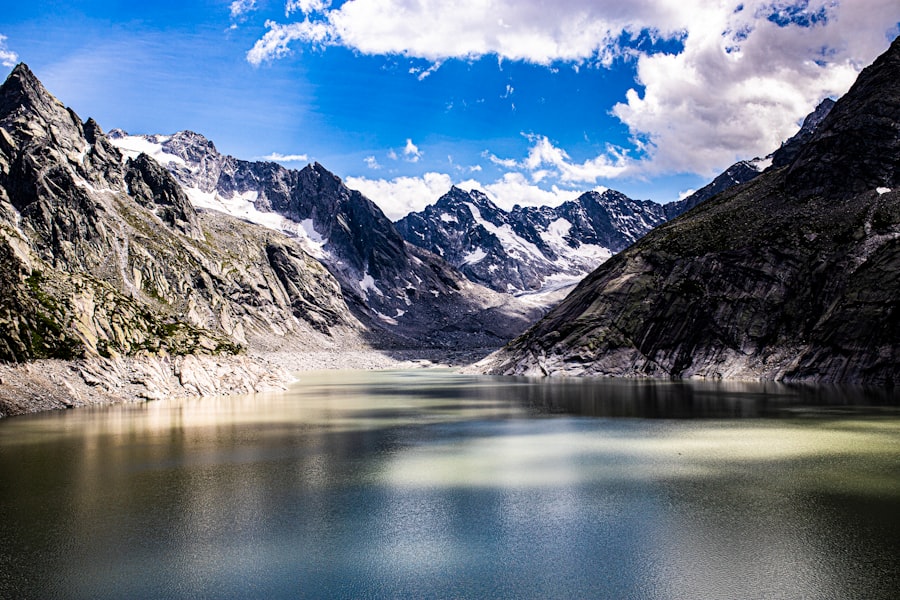
Bhutan has embarked on several ambitious hydropower projects aimed at harnessing its vast potential. Notable among these is the Tala Hydroelectric Project, which has become a flagship initiative since its commissioning in 2007. With a capacity of 1,020 megawatts, Tala has significantly contributed to both domestic consumption and electricity exports to India.
This project exemplifies Bhutan’s commitment to large-scale renewable energy development while showcasing its engineering capabilities. In addition to Tala, other projects such as the Punatsangchhu I and II are currently under construction or in planning stages. These initiatives reflect Bhutan’s strategic approach to diversifying its energy portfolio while ensuring that environmental considerations remain at the forefront.
By investing in modern technology and sustainable practices, Bhutan aims to set a benchmark for future hydropower projects both regionally and globally.
The Role of Hydropower in Bhutan’s Energy Security
Hydropower plays a crucial role in ensuring energy security for Bhutan. With limited fossil fuel resources available domestically, reliance on renewable energy sources is essential for meeting the country’s growing energy demands. Hydropower not only provides a stable supply of electricity but also reduces vulnerability to external energy shocks.
Furthermore, as climate change poses increasing risks to energy systems worldwide, Bhutan’s focus on renewable energy enhances its resilience against environmental challenges. The ability to generate clean energy from abundant water resources positions Bhutan favorably in an era where sustainability is paramount.
By prioritizing hydropower as a cornerstone of its energy strategy, Bhutan is taking proactive steps toward securing a sustainable energy future.
Challenges and Limitations of Hydropower in Bhutan
Despite its many advantages, hydropower development in Bhutan is not without challenges and limitations. One significant concern is the potential impact of climate change on water availability and river flow patterns. As glaciers retreat due to rising temperatures, there may be fluctuations in water supply that could affect electricity generation capacity.
This uncertainty necessitates careful planning and adaptive management strategies to ensure long-term sustainability. Additionally, the financial viability of large-scale hydropower projects can be precarious. High initial investment costs and long payback periods may deter private investors or lead to reliance on foreign funding sources.
Balancing economic feasibility with environmental sustainability remains a critical challenge for policymakers as they navigate the complexities of hydropower development.
The Future of Hydropower in Bhutan
Looking ahead, the future of hydropower in Bhutan appears promising yet requires strategic foresight. As global demand for renewable energy continues to rise, Bhutan has an opportunity to position itself as a leader in sustainable energy solutions. By leveraging its unique geographical advantages and investing in innovative technologies, Bhutan can enhance its hydropower capacity while minimizing environmental impacts.
Moreover, fostering regional cooperation through cross-border electricity trade can further bolster Bhutan’s economic prospects. By establishing partnerships with neighboring countries seeking clean energy alternatives, Bhutan can expand its market reach while contributing to regional energy security. The future trajectory of hydropower in Bhutan will depend on balancing economic growth with environmental stewardship and social equity.
Bhutan’s Hydropower as a Model for Sustainable Energy Solutions
Bhutan’s approach to hydropower serves as a model for sustainable energy solutions worldwide. By prioritizing renewable resources while emphasizing environmental conservation and community engagement, Bhutan demonstrates that it is possible to achieve economic growth without compromising ecological integrity. This holistic approach resonates with global efforts to transition toward cleaner energy systems amid pressing climate challenges.
Furthermore, Bhutan’s commitment to Gross National Happiness underscores the importance of integrating social well-being into energy development strategies. By ensuring that local communities benefit from hydropower projects through job creation and infrastructure improvements, Bhutan sets an example for other nations grappling with similar dilemmas between development and sustainability.
The Importance of Bhutan’s Hydropower in the Global Context
In conclusion, Bhutan’s hydropower initiatives represent not only a vital component of its national development strategy but also a beacon of hope for sustainable energy solutions globally. As countries around the world seek alternatives to fossil fuels amid escalating climate concerns, Bhutan’s experience offers valuable insights into balancing economic growth with environmental preservation and social equity. The kingdom’s commitment to harnessing its abundant water resources while prioritizing ecological integrity serves as an inspiring example for other nations striving for sustainable development pathways.
As global attention increasingly turns toward renewable energy sources, Bhutan stands poised to play a pivotal role in shaping the future of clean energy solutions on an international scale.
Bhutan’s reliance on hydropower has been a significant factor in its economic development, providing a substantial portion of the country’s energy needs and contributing to its GDP. For a deeper understanding of how Bhutan is harnessing its water resources for sustainable energy, you can read more in this related article: