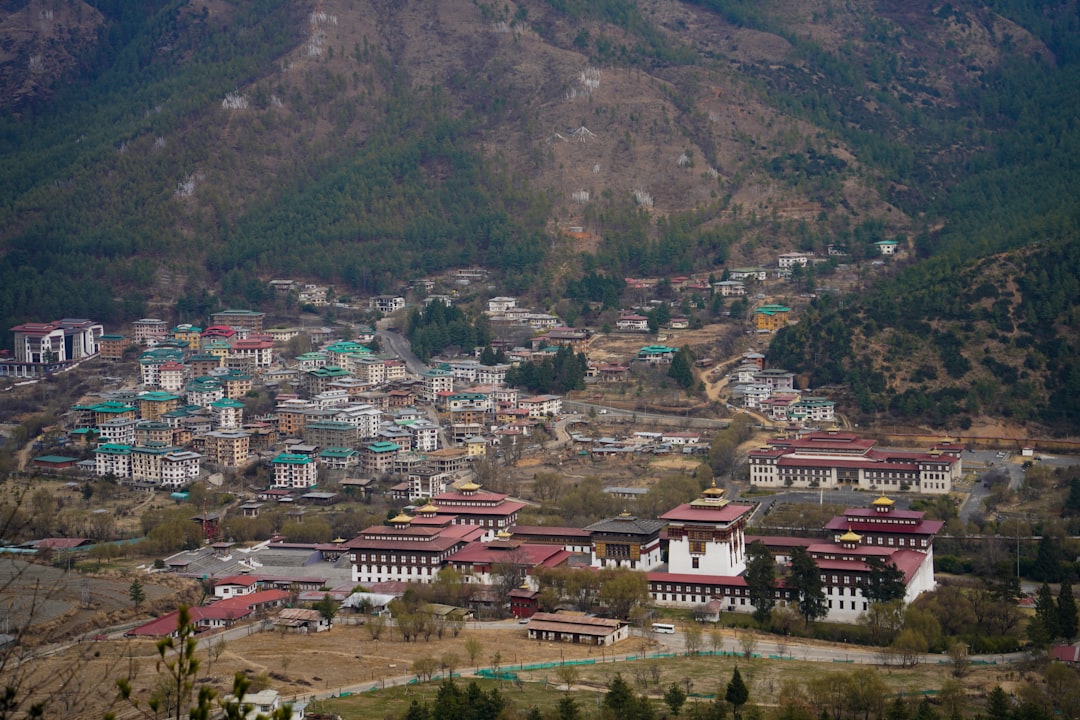
Bhutan, a small landlocked kingdom nestled in the eastern Himalayas, has garnered international attention for its unique economic model that prioritizes the well-being of its citizens over mere financial growth. This approach, often referred to as “Gross National Happiness” (GNH), serves as the cornerstone of Bhutan’s economic philosophy. Unlike many nations that measure success through Gross Domestic Product (GDP), Bhutan emphasizes holistic development that encompasses cultural preservation, environmental sustainability, and social equity.
This distinctive model reflects the country’s commitment to fostering a balanced and harmonious society, where economic progress does not come at the expense of its rich cultural heritage or natural environment. The Bhutanese economic model is not merely an abstract concept; it is deeply rooted in the country’s history, culture, and Buddhist values.
This innovative framework has since evolved into a comprehensive strategy that seeks to integrate economic growth with the spiritual and emotional well-being of the populace. As Bhutan navigates the complexities of modernity and globalization, its economic model offers valuable insights into alternative pathways for development that prioritize human happiness and ecological balance. Here is the sentence with the link:
You can learn about Bhutan’s gross national happiness explained in this video: Bhutan gross national happiness explained.
Key Takeaways
- Bhutan’s economic model is based on the concept of Gross National Happiness, which prioritizes the well-being of its citizens over traditional economic indicators.
- The country is committed to sustainable development and environmental conservation, with policies in place to protect its natural resources and promote balanced growth.
- Bhutan is working to diversify its economy beyond traditional industries, with a focus on sectors such as tourism, hydropower, and agriculture.
- The government plays a key role in supporting sustainable economic development through policies and initiatives that prioritize social welfare and environmental protection.
- While Bhutan’s economic model has received praise for its unique approach, it also faces challenges and criticisms, including concerns about limited economic diversification and overreliance on hydropower.
Gross National Happiness: The Foundation of Bhutan’s Economic Philosophy
At the heart of Bhutan’s economic philosophy lies the concept of Gross National Happiness, which posits that true progress is measured not by material wealth but by the overall happiness and well-being of its citizens. GNH encompasses four pillars: sustainable development, cultural preservation, environmental conservation, and good governance. These pillars work in tandem to create a holistic framework that guides policy-making and development initiatives across the nation.
By prioritizing happiness as a key indicator of success, Bhutan challenges conventional economic paradigms that often overlook the social and emotional dimensions of human life. The implementation of GNH has led to various initiatives aimed at enhancing the quality of life for Bhutanese citizens. For instance, the government has invested in education and healthcare, recognizing that access to these essential services is fundamental to individual and collective happiness.
Additionally, cultural preservation efforts have been prioritized to ensure that traditional practices and values are maintained amidst rapid modernization. By fostering a sense of identity and belonging, Bhutan aims to cultivate a society where individuals can thrive both materially and spiritually.
Sustainable Development: Bhutan’s Commitment to Environmental Conservation
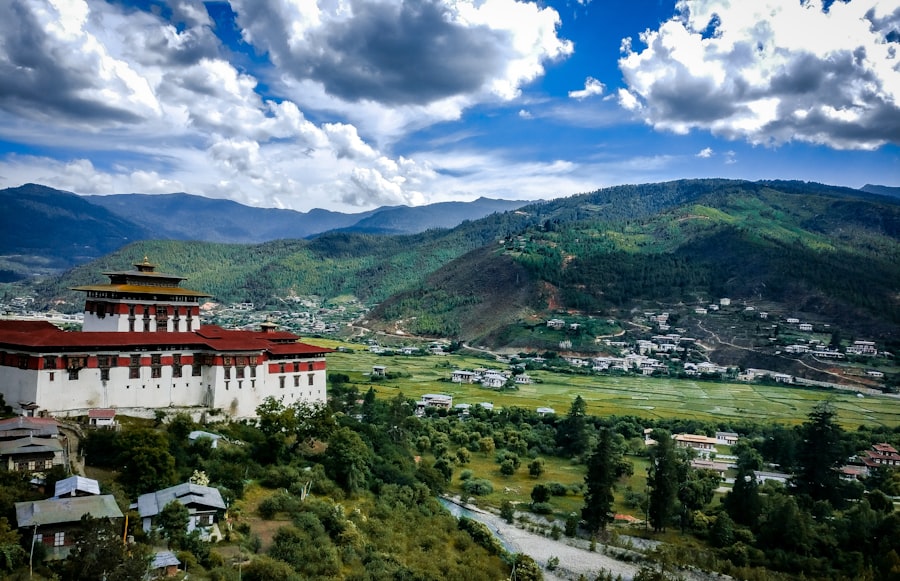
Bhutan’s commitment to sustainable development is evident in its policies that prioritize environmental conservation. The country is renowned for its pristine landscapes and rich biodiversity, which are seen as invaluable assets that must be protected for future generations. One of the most notable aspects of Bhutan’s environmental policy is its pledge to maintain a forest cover of over 60% of its total land area.
This commitment not only helps combat climate change but also supports biodiversity and provides essential ecosystem services. In addition to forest conservation, Bhutan has embraced renewable energy as a cornerstone of its sustainable development strategy. The country is endowed with abundant hydropower resources, which it harnesses to generate clean energy for domestic use and export.
By investing in renewable energy infrastructure, Bhutan aims to reduce its carbon footprint while simultaneously generating revenue through energy exports. This dual focus on environmental sustainability and economic growth exemplifies how Bhutan seeks to harmonize its development goals with ecological stewardship.
Balanced Growth: The Importance of Equitable Distribution of Wealth
| Metrics | Data |
|---|---|
| Gini Coefficient | 0.39 |
| Income Distribution | 20% of population holds 85% of wealth |
| Unemployment Rate | 5% |
| Median Household Income | 60,000 |
A key tenet of Bhutan’s economic model is the emphasis on balanced growth and equitable distribution of wealth. The government recognizes that economic disparities can lead to social unrest and undermine the overall happiness of the population. As such, policies have been implemented to ensure that the benefits of economic growth are shared among all citizens, particularly marginalized communities.
This focus on equity is reflected in initiatives aimed at improving access to education, healthcare, and employment opportunities for disadvantaged groups. Moreover, Bhutan’s approach to balanced growth extends beyond mere income distribution; it encompasses social cohesion and community well-being. The government actively promotes community-based development projects that empower local populations to participate in decision-making processes and benefit directly from economic activities in their regions.
By fostering a sense of ownership and agency among citizens, Bhutan aims to create a more inclusive society where everyone can contribute to and share in the nation’s prosperity.
Economic Diversification: Bhutan’s Efforts to Expand Beyond Traditional Industries
While Bhutan has traditionally relied on agriculture and forestry as the backbone of its economy, there is a growing recognition of the need for economic diversification. The government has initiated efforts to expand beyond these traditional industries by promoting sectors such as tourism, information technology, and renewable energy. By diversifying its economic base, Bhutan aims to reduce vulnerability to external shocks and create new opportunities for employment and income generation.
Tourism, in particular, has emerged as a significant driver of economic growth in Bhutan. The country’s breathtaking landscapes, rich cultural heritage, and commitment to sustainable tourism practices have attracted visitors from around the world. The government has implemented policies to ensure that tourism development aligns with GNH principles, emphasizing low-impact tourism that respects local cultures and environments.
This approach not only generates revenue but also fosters cross-cultural exchange and understanding.
The Role of Government: Policies and Initiatives to Support Sustainable Economic Development
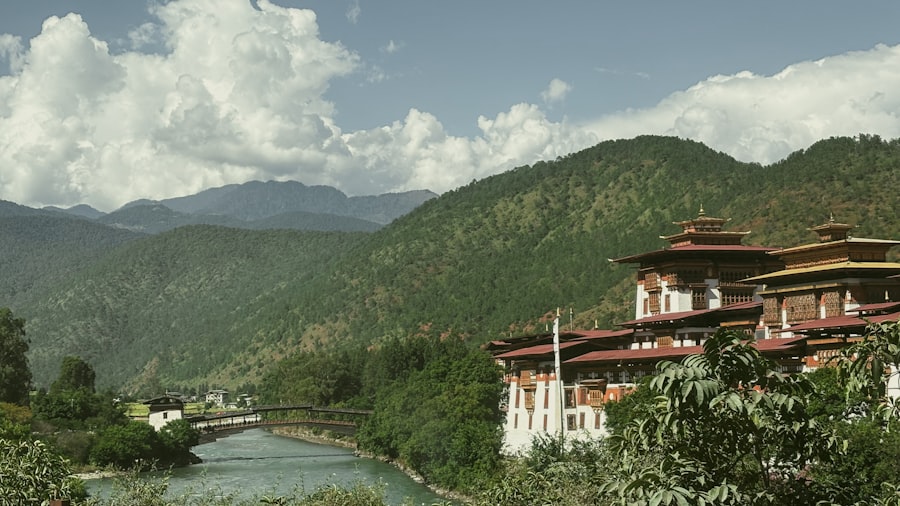
The Bhutanese government plays a crucial role in shaping the country’s economic landscape through policies and initiatives that support sustainable development. Central to this effort is the integration of GNH principles into national planning processes. The government has established various institutions dedicated to promoting GNH, ensuring that it remains at the forefront of policy-making across sectors.
In addition to institutional frameworks, the government has implemented specific initiatives aimed at fostering entrepreneurship and innovation. By providing support for small and medium-sized enterprises (SMEs), the government encourages local businesses to thrive while creating jobs and stimulating economic activity. Furthermore, investment in infrastructure development—such as roads, telecommunications, and energy—has been prioritized to facilitate access to markets and enhance connectivity within the country.
International Trade and Relations: Bhutan’s Approach to Global Economic Integration
Bhutan’s approach to international trade and relations reflects its commitment to maintaining sovereignty while engaging with the global economy. The country has adopted a cautious stance towards globalization, prioritizing trade partnerships that align with its values and development goals. Bhutan’s trade policies emphasize fair trade practices and sustainable sourcing, ensuring that international engagement does not compromise its environmental or social standards.
The government has also sought to strengthen bilateral relations with neighboring countries, particularly India, which is Bhutan’s largest trading partner. Through strategic partnerships, Bhutan aims to enhance its economic resilience while benefiting from shared resources and expertise. Additionally, Bhutan’s participation in regional organizations allows it to engage in dialogue on issues such as climate change, trade facilitation, and sustainable development—further integrating itself into the global community while safeguarding its unique identity.
Challenges and Criticisms: Examining the Limitations of Bhutan’s Economic Model
Despite its innovative approach, Bhutan’s economic model is not without challenges and criticisms. One significant concern is the potential tension between GNH principles and economic growth imperatives. As Bhutan seeks to modernize its economy and attract foreign investment, there are fears that prioritizing GDP growth could undermine the very values that underpin GNH.
Critics argue that an overemphasis on economic expansion may lead to environmental degradation or cultural erosion if not managed carefully. Additionally, there are concerns about the inclusivity of Bhutan’s development model. While efforts have been made to promote equitable wealth distribution, disparities still exist between urban and rural areas.
Access to education, healthcare, and employment opportunities can vary significantly based on geographic location, raising questions about whether all citizens are benefiting equally from national progress. Addressing these disparities will be crucial for ensuring that Bhutan’s economic model remains truly inclusive.
Lessons for the Global Community: What Other Countries Can Learn from Bhutan’s Approach
Bhutan’s unique economic model offers valuable lessons for countries around the world grappling with issues of development, sustainability, and well-being. One key takeaway is the importance of prioritizing human happiness as a measure of success rather than solely focusing on economic indicators like GDP. By adopting a more holistic approach that considers social, cultural, and environmental factors, nations can create policies that foster genuine well-being for their citizens.
Furthermore, Bhutan’s commitment to sustainable development serves as a powerful example for addressing global challenges such as climate change and biodiversity loss. By integrating environmental conservation into national planning processes, countries can work towards achieving long-term sustainability while promoting economic growth. Additionally, Bhutan’s emphasis on community engagement in decision-making processes highlights the value of participatory governance in fostering social cohesion and resilience.
Future Prospects: Opportunities and Challenges for Bhutan’s Economic Model
As Bhutan looks towards the future, it faces both opportunities and challenges in sustaining its unique economic model. On one hand, there is potential for further diversification of its economy through investments in technology-driven sectors such as information technology and renewable energy. By harnessing innovation and entrepreneurship, Bhutan can create new avenues for growth while remaining true to its GNH principles.
However, challenges remain in balancing modernization with cultural preservation and environmental sustainability. As globalization continues to exert pressure on traditional ways of life, Bhutan must navigate these complexities carefully to ensure that its unique identity is not compromised.
The Continued Relevance of Bhutan’s Economic Model in a Changing World
In an era marked by rapid globalization and environmental challenges, Bhutan’s economic model stands out as a beacon of hope for alternative pathways towards development. By prioritizing Gross National Happiness over mere financial metrics, Bhutan offers a compelling vision for how societies can thrive while respecting their cultural heritage and natural environment. As other nations grapple with issues such as inequality, climate change, and social unrest, they can draw inspiration from Bhutan’s holistic approach.
Ultimately, Bhutan’s commitment to sustainable development, equitable wealth distribution, and community engagement serves as a reminder that true progress encompasses more than just economic growth—it involves nurturing the well-being of individuals and communities alike. As the world continues to evolve, Bhutan’s economic model remains relevant as a guiding framework for fostering happiness and harmony in an increasingly complex global landscape.
Bhutan’s unique economic model, which emphasizes Gross National Happiness over traditional economic indicators, has garnered significant attention in recent years. For a deeper understanding of how Bhutan’s approach contrasts with conventional economic frameworks, you can explore a related article that discusses various aspects of this model. Check it out here: