
Bhutan, a small kingdom nestled in the eastern Himalayas, has long been known for its breathtaking landscapes, rich cultural heritage, and commitment to preserving its unique identity. In an effort to manage the influx of tourists while ensuring sustainable development, the Bhutanese government introduced a $200 daily tourism tax in 2020. This policy aims to regulate the number of visitors and generate revenue that can be reinvested into the country’s infrastructure and conservation efforts.
The tax has sparked considerable debate among travelers, environmentalists, and economists alike, raising questions about its implications for Bhutan’s future as a travel destination. The introduction of this tax marks a significant shift in Bhutan’s approach to tourism. Traditionally, the country has operated under a “high-value, low-impact” tourism model, which emphasizes quality over quantity.
By implementing the daily tourism tax, Bhutan seeks to maintain this philosophy while addressing the challenges posed by increasing visitor numbers. As the world becomes more interconnected and travel becomes more accessible, Bhutan’s unique approach to tourism management is both timely and necessary. This article will explore the various dimensions of the $200 daily tourism tax, examining its purpose, impact on the economy and environment, and its broader implications for sustainable tourism. Here is the sentence with the link:
You can learn about Bhutan’s gross national happiness explained in this video: Bhutan gross national happiness explained.
Key Takeaways
- Bhutan’s 0 Daily Tourism Tax is a unique policy aimed at regulating tourism in the country.
- The purpose of the Daily Tourism Tax is to promote high-value, low-impact tourism and to contribute to the country’s sustainable development goals.
- The Daily Tourism Tax covers accommodation, meals, transportation, and a guide, ensuring that tourists contribute to the local economy.
- The Daily Tourism Tax has had a positive impact on Bhutan’s economy, contributing to the country’s GDP and creating employment opportunities.
- The Daily Tourism Tax has helped preserve Bhutan’s environment by limiting the number of tourists and promoting sustainable tourism practices.
The Purpose of the Daily Tourism Tax
The primary purpose of Bhutan’s daily tourism tax is to regulate the flow of tourists into the country while ensuring that the benefits of tourism are equitably distributed among its citizens. By imposing a daily fee, the government aims to deter mass tourism and encourage visitors to engage more deeply with Bhutan’s culture and natural beauty. This approach aligns with Bhutan’s commitment to Gross National Happiness (GNH), which prioritizes the well-being of its citizens over mere economic growth.
Moreover, the revenue generated from the daily tourism tax is intended to fund essential services and infrastructure projects that benefit both locals and visitors. This includes investments in healthcare, education, and environmental conservation initiatives. By linking tourism revenue directly to community development, Bhutan hopes to create a more sustainable model that enhances the quality of life for its residents while preserving the country’s unique cultural and natural heritage.
What Does the Daily Tourism Tax Cover?

The $200 daily tourism tax encompasses a range of services and benefits designed to enhance the overall experience for travelers while supporting local communities. This fee includes accommodation, meals, transportation within Bhutan, and guided tours led by licensed local guides. By bundling these services into a single fee, the government aims to simplify the travel experience for tourists while ensuring that they contribute meaningfully to the local economy.
Additionally, a portion of the tax revenue is allocated to environmental conservation efforts. Bhutan is renowned for its pristine landscapes and biodiversity, and the government recognizes the importance of protecting these natural resources for future generations. The funds generated from the daily tourism tax are used to support national parks, wildlife sanctuaries, and other conservation initiatives that help preserve Bhutan’s unique ecosystems.
This holistic approach ensures that tourism development does not come at the expense of environmental degradation.
The Impact of the Daily Tourism Tax on Bhutan’s Economy
| Year | Tourist Arrivals | Tourism Tax Revenue | Impact on Economy |
|---|---|---|---|
| 2015 | 133,480 | 10,000,000 | Increased government revenue for infrastructure development |
| 2016 | 155,121 | 12,500,000 | Boosted funding for conservation and cultural preservation |
| 2017 | 167,049 | 14,200,000 | Supported the growth of local businesses and employment |
| 2018 | 183,287 | 16,000,000 | Strengthened the overall economy and GDP |
The introduction of the daily tourism tax has significant implications for Bhutan’s economy. On one hand, it provides a steady stream of revenue that can be reinvested into critical sectors such as healthcare, education, and infrastructure development. This influx of funds can help improve living standards for local communities and create job opportunities in various sectors related to tourism.
On the other hand, there are concerns that the tax may deter potential visitors who are unwilling or unable to pay the daily fee. Critics argue that this could lead to a decline in tourist numbers, which would negatively impact businesses reliant on tourism revenue. However, proponents of the tax contend that by attracting high-value tourists who are willing to invest in their experience, Bhutan can create a more resilient economy that is less vulnerable to fluctuations in visitor numbers.
The Effect of the Daily Tourism Tax on Bhutan’s Environment
One of the most significant benefits of Bhutan’s daily tourism tax is its potential positive impact on the environment. By regulating tourist numbers and directing funds toward conservation efforts, the government aims to mitigate the environmental pressures associated with increased visitation. This includes addressing issues such as waste management, habitat destruction, and pollution that can arise from mass tourism.
The daily tourism tax serves as a reminder that visitors have a responsibility to protect the natural beauty they come to enjoy. Through educational initiatives funded by tax revenue, tourists can learn about Bhutan’s unique ecosystems and the importance of preserving them for future generations.
Is the Daily Tourism Tax Worth It for Tourists?
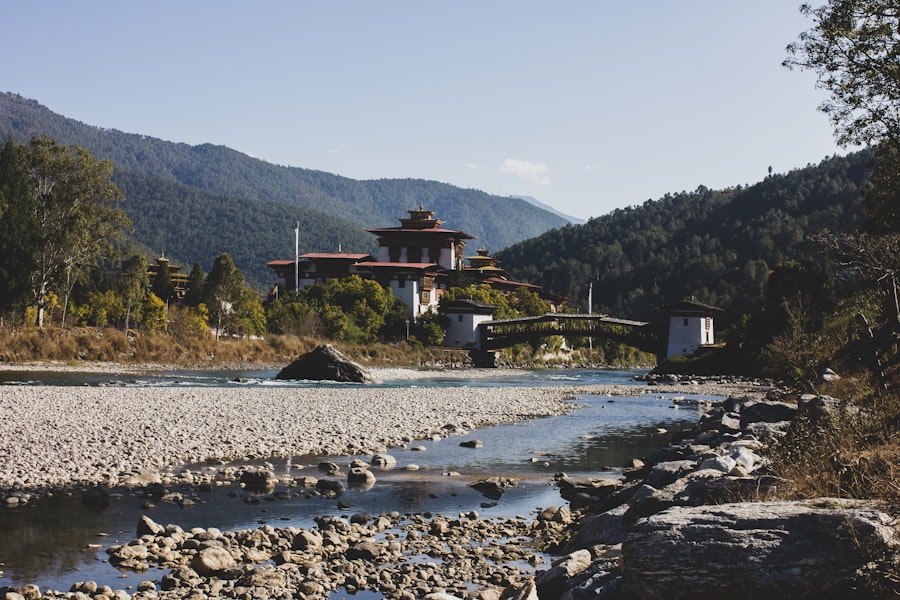
For many travelers considering a trip to Bhutan, the question arises: is the $200 daily tourism tax worth it? While some may view it as an additional financial burden, others recognize it as an investment in a unique travel experience that prioritizes sustainability and cultural immersion. The all-inclusive nature of the fee means that tourists can enjoy a hassle-free journey without worrying about hidden costs or unexpected expenses.
Moreover, visitors have the opportunity to engage with local communities in meaningful ways. The tax supports initiatives that promote cultural exchange and provide economic benefits to residents. For those seeking an authentic experience in a country known for its commitment to preserving its heritage, the daily tourism tax can be seen as a small price to pay for an enriching adventure in one of the world’s last remaining Shangri-Las.
The Ethical Implications of the Daily Tourism Tax
The ethical implications of Bhutan’s daily tourism tax are multifaceted and warrant careful consideration. On one hand, the tax reflects a commitment to responsible tourism practices that prioritize environmental sustainability and community well-being. By ensuring that tourists contribute financially to the preservation of Bhutan’s natural and cultural resources, the government is taking steps toward creating a more equitable tourism model.
However, there are also ethical concerns regarding accessibility. The high cost associated with the daily tourism tax may exclude certain demographics from experiencing Bhutan’s beauty and culture. This raises questions about equity in travel and whether such policies inadvertently favor wealthier travelers while sidelining those with limited financial means.
Striking a balance between sustainability and inclusivity remains a challenge for policymakers as they navigate these complex ethical considerations.
The Cultural and Social Impact of the Daily Tourism Tax
The cultural and social impact of Bhutan’s daily tourism tax extends beyond economic considerations; it also influences how visitors interact with local communities. By limiting tourist numbers and promoting high-value experiences, Bhutan encourages deeper connections between travelers and residents. This fosters cultural exchange and mutual understanding, allowing visitors to gain insights into Bhutanese traditions and lifestyles.
Additionally, revenue generated from the tax can be used to support cultural preservation initiatives. This includes funding for traditional arts and crafts programs, festivals, and educational initiatives aimed at promoting Bhutanese culture among younger generations. By investing in cultural heritage, Bhutan not only enriches the visitor experience but also strengthens its national identity in an increasingly globalized world.
The Daily Tourism Tax and Sustainable Tourism
Sustainable tourism is at the heart of Bhutan’s daily tourism tax policy. By regulating visitor numbers and directing funds toward conservation efforts, Bhutan aims to create a model that balances economic growth with environmental protection. This approach aligns with global trends toward sustainable travel practices that prioritize responsible consumption and minimize negative impacts on local communities.
The daily tourism tax serves as a tool for promoting sustainable practices among both tourists and local businesses. By encouraging eco-friendly initiatives such as waste reduction and responsible resource management, Bhutan sets an example for other destinations grappling with similar challenges related to mass tourism. As travelers become increasingly conscious of their environmental footprint, Bhutan’s commitment to sustainability may resonate with those seeking meaningful travel experiences.
Alternative Perspectives on the Daily Tourism Tax
While many support Bhutan’s daily tourism tax as a necessary measure for sustainable development, alternative perspectives exist that challenge its efficacy and fairness. Critics argue that imposing such a high fee may alienate potential visitors who could contribute positively to local economies without necessarily overwhelming resources or infrastructure. They contend that there are alternative methods for managing tourist numbers without resorting to steep financial barriers.
Additionally, some suggest that rather than focusing solely on financial contributions from tourists, Bhutan could explore partnerships with international organizations or implement volunteer programs that allow travelers to give back in non-monetary ways. These alternative approaches could foster deeper connections between visitors and local communities while still addressing concerns related to sustainability.
The Future of Bhutan’s $200 Daily Tourism Tax
As Bhutan navigates its path forward with the $200 daily tourism tax, it faces both opportunities and challenges in balancing economic growth with environmental sustainability and cultural preservation. The policy reflects a commitment to responsible tourism practices that prioritize community well-being while generating revenue for essential services.
Ultimately, Bhutan’s approach serves as a case study for other destinations grappling with similar issues related to mass tourism. By prioritizing high-value experiences over sheer numbers, Bhutan sets an example for sustainable travel practices that could inspire change worldwide. As travelers increasingly seek meaningful connections with destinations they visit, Bhutan’s model may pave the way for a new era of responsible tourism that benefits both visitors and host communities alike.
Bhutan’s decision to implement a $200 daily tourism tax has sparked significant discussion about its impact on the country’s economy and cultural preservation. For a deeper understanding of the implications of this policy, you can read a related article that explores the balance between sustainable tourism and economic growth. Check it out here: Related Article on Bhutan’s Tourism Tax.
WATCH THIS! Gross National Happiness Is A Trap
FAQs
What is the $200 daily tourism tax in Bhutan?
The $200 daily tourism tax in Bhutan is a mandatory fee that all tourists visiting the country are required to pay. This fee covers accommodation, meals, transportation, and a guide.
Why does Bhutan have a $200 daily tourism tax?
Bhutan implemented the $200 daily tourism tax as a way to promote sustainable tourism and to preserve its unique culture and environment. The government aims to control the number of tourists visiting the country and ensure that tourism benefits the local communities.
What does the $200 daily tourism tax cover?
The $200 daily tourism tax covers accommodation, meals, transportation, and a guide. It also contributes to the development of infrastructure, healthcare, and education in Bhutan.
How can tourists pay the $200 daily tourism tax?
Tourists are required to book their trip through a licensed Bhutanese tour operator who will arrange the payment of the $200 daily tourism tax as part of the tour package. The tax must be paid in advance before the tourist’s arrival in Bhutan.
Are there any exemptions to the $200 daily tourism tax?
There are exemptions to the $200 daily tourism tax for tourists from India, Bangladesh, and the Maldives. Additionally, children under the age of 5 are also exempt from the tax, while children between 6 and 12 years old receive a 50% discount.