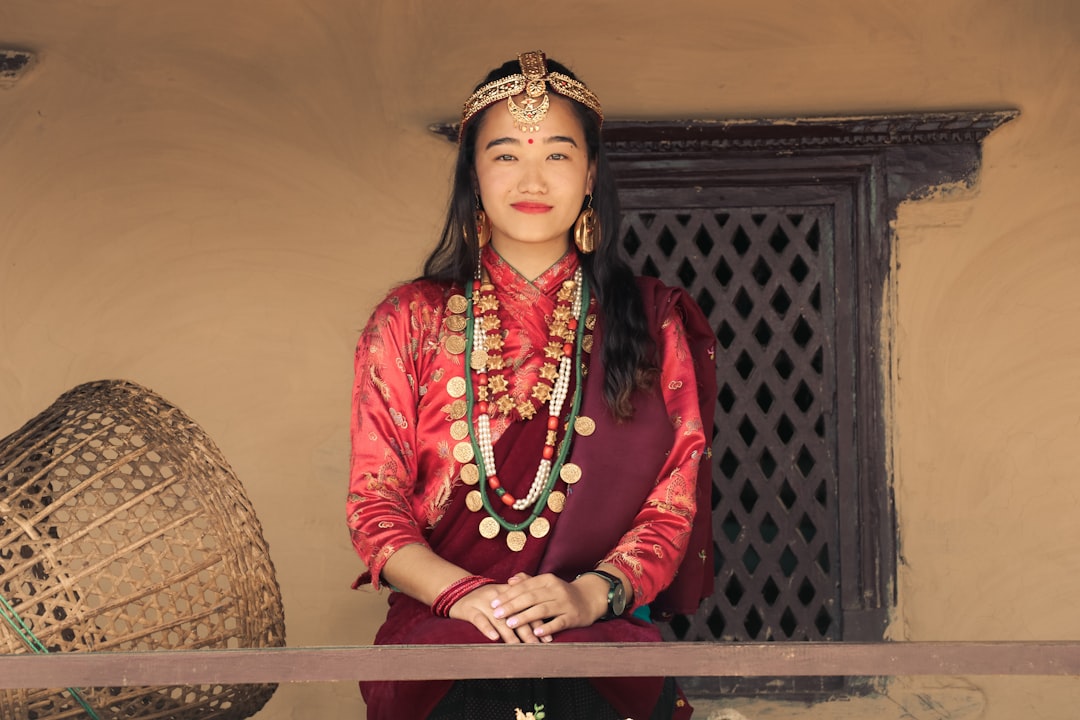
The Bhutanese diaspora represents a unique and vibrant community that has emerged from the small Himalayan kingdom of Bhutan. Over the past few decades, a significant number of Bhutanese people have migrated to various parts of the world, primarily due to political unrest and ethnic tensions within their homeland. This migration has led to the establishment of Bhutanese communities in countries such as the United States, Canada, Australia, and several European nations.
The diaspora is characterized by its rich cultural heritage, which includes traditional customs, languages, and practices that have been preserved and adapted in new environments. As these Bhutanese communities have settled abroad, they have not only maintained their cultural identity but have also contributed to the multicultural tapestry of their host countries. The diaspora serves as a bridge between Bhutan and the global community, facilitating cultural exchange and fostering understanding among diverse populations.
This article explores the multifaceted impact of the Bhutanese diaspora on various aspects of global culture, including fashion, cuisine, music, art, literature, film, environmental conservation, spiritual practices, education, and cultural exchange. Here is the sentence with the link:
You can learn about Bhutan’s gross national happiness explained in this video: Bhutan gross national happiness explained.
Key Takeaways
- The Bhutanese diaspora has spread across the globe, leading to a rich cultural exchange and influence on various aspects of global culture.
- The impact of Bhutanese diaspora on fashion is evident in the growing popularity of traditional Bhutanese attire and the incorporation of Bhutanese-inspired designs in international fashion.
- Bhutanese diaspora has brought its unique cuisine to different parts of the world, influencing global culinary trends and introducing traditional Bhutanese flavors to new audiences.
- The influence of Bhutanese diaspora on music can be seen in the fusion of traditional Bhutanese sounds with contemporary music genres, creating a new and diverse musical landscape.
- The Bhutanese diaspora has made significant contributions to art and literature, enriching global cultural expressions with traditional Bhutanese themes and storytelling techniques.
The Impact of Bhutanese Diaspora on Fashion
The influence of the Bhutanese diaspora on fashion is a fascinating aspect of their cultural expression.
These garments are not merely clothing; they represent a deep connection to Bhutan’s history and cultural values.
In many cases, diaspora members have adapted these traditional outfits to suit contemporary fashion trends while still honoring their roots. Moreover, the fusion of traditional Bhutanese attire with modern styles has led to innovative fashion statements that resonate with both Bhutanese and non-Bhutanese audiences. Designers from the diaspora have begun to showcase their work at international fashion events, introducing elements of Bhutanese textiles and craftsmanship to a broader audience.
This blending of styles not only highlights the beauty of Bhutanese culture but also encourages dialogue about cultural appropriation and appreciation in the global fashion industry.
Bhutanese Diaspora’s Influence on Cuisine
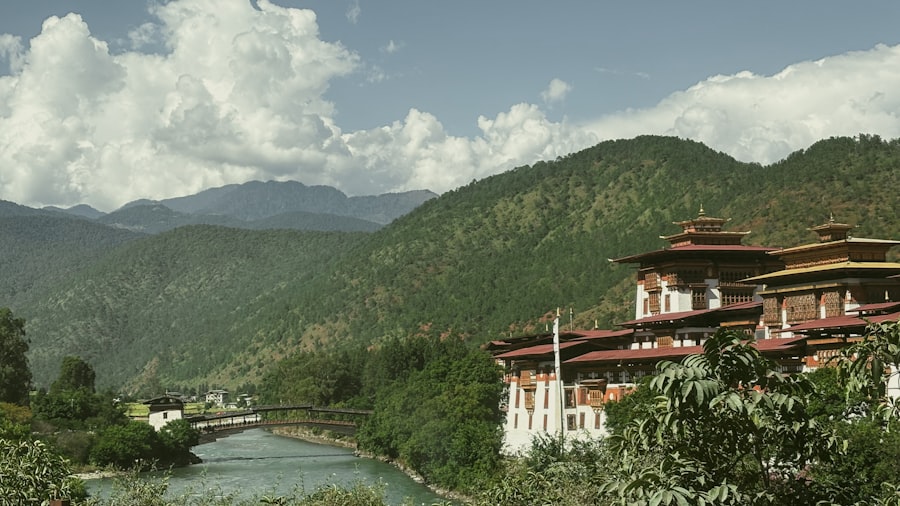
The culinary landscape has also been significantly enriched by the Bhutanese diaspora. As Bhutanese immigrants settle in new countries, they bring with them a wealth of culinary traditions that reflect their homeland’s unique flavors and ingredients. Dishes such as ema datshi, a spicy chili and cheese stew, and momos, steamed dumplings filled with meat or vegetables, have found their way into the hearts and stomachs of food enthusiasts around the world.
Restaurants serving authentic Bhutanese cuisine have begun to emerge in various cities, offering a taste of Bhutan’s rich culinary heritage. In addition to establishing restaurants, members of the diaspora often engage in food festivals and cultural events where they showcase traditional cooking methods and share recipes with local communities. This not only promotes awareness of Bhutanese cuisine but also fosters a sense of community among diaspora members as they gather to celebrate their culinary traditions.
The fusion of Bhutanese flavors with local ingredients has also led to exciting new dishes that reflect the blending of cultures, further enhancing the global culinary scene.
Bhutanese Diaspora and Music
| Country | Number of Bhutanese Diaspora | Popular Bhutanese Musicians |
|---|---|---|
| United States | Approximately 20,000 | Jigme Drukpa, Dechen Roder |
| Canada | Approximately 5,000 | Karma Sonam, Tshering Dorji |
| Australia | Approximately 3,000 | Sonam Dorji, Pema Tshering |
Music is another vital aspect of cultural expression that has been influenced by the Bhutanese diaspora. Traditional Bhutanese music, characterized by its unique instruments and melodies, has found new audiences abroad. As diaspora members share their musical heritage through performances and recordings, they introduce listeners to the rich sounds of Bhutan.
Instruments such as the dranyen (a stringed instrument) and the dungs (a type of trumpet) are often featured in these performances, showcasing the distinctiveness of Bhutanese music. Furthermore, the diaspora has also embraced contemporary music genres, blending traditional sounds with modern influences. This fusion has resulted in a new wave of artists who create music that resonates with both their cultural roots and contemporary global trends.
By participating in music festivals and collaborating with artists from diverse backgrounds, Bhutanese musicians are not only preserving their heritage but also contributing to the global music scene in meaningful ways.
Bhutanese Diaspora’s Contribution to Art and Literature
The artistic expressions of the Bhutanese diaspora extend beyond music to encompass visual arts and literature. Artists from this community often draw inspiration from their experiences in both Bhutan and their host countries, creating works that reflect their dual identities. Traditional art forms such as thangka painting and wood carving are being revitalized by diaspora artists who incorporate modern themes and techniques into their work.
In literature, Bhutanese authors are gaining recognition for their storytelling that captures the essence of life in Bhutan while addressing universal themes such as identity, belonging, and resilience. Their writings often explore the complexities of navigating life between two cultures, providing valuable insights into the experiences of immigrants. Through poetry, novels, and essays, these authors contribute to a broader understanding of Bhutanese culture while also enriching the global literary landscape.
Bhutanese Diaspora and Film Industry
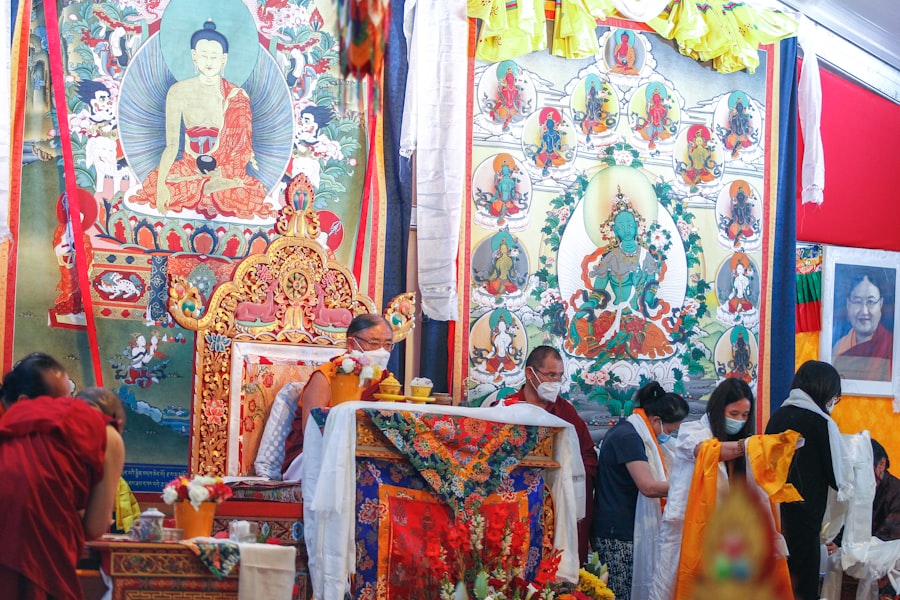
The film industry has also seen a burgeoning interest from the Bhutanese diaspora. As filmmakers from this community begin to tell their stories on screen, they bring forth narratives that reflect both their cultural heritage and contemporary issues faced by immigrants. Films that explore themes of displacement, identity, and cultural preservation resonate deeply with audiences around the world.
Moreover, collaborations between Bhutanese filmmakers and international production companies have led to innovative projects that highlight the beauty of Bhutan’s landscapes and culture. These films not only entertain but also serve as a medium for cultural exchange, allowing viewers to gain insight into the lives of Bhutanese people both at home and abroad. The growing presence of Bhutanese cinema on global platforms is a testament to the diaspora’s ability to influence and enrich the film industry.
Bhutanese Diaspora and Environmental Conservation
Environmental conservation is a significant concern for many members of the Bhutanese diaspora who carry forward their homeland’s commitment to sustainability. Bhutan is renowned for its philosophy of Gross National Happiness (GNH), which emphasizes environmental stewardship as a core value. As diaspora members settle in new countries, they often advocate for sustainable practices and raise awareness about environmental issues affecting both their homeland and their host communities.
Many individuals within the diaspora engage in environmental initiatives that promote conservation efforts, such as reforestation projects or clean-up campaigns. By sharing knowledge about sustainable practices rooted in Bhutan’s traditions, they contribute to global conversations about environmental responsibility. Their efforts not only help preserve natural resources but also foster a sense of community among those who share a commitment to protecting the planet.
Bhutanese Diaspora’s Influence on Spiritual Practices
Spirituality plays a central role in Bhutanese culture, deeply intertwined with daily life and community practices. As members of the diaspora establish themselves in new environments, they often seek ways to maintain their spiritual connections while adapting to different cultural contexts. This has led to the emergence of Buddhist centers and meditation groups that cater to both Bhutanese individuals and those interested in learning about Buddhism.
These spiritual communities serve as spaces for cultural exchange where individuals from diverse backgrounds come together to explore mindfulness practices rooted in Buddhist philosophy. Through workshops, retreats, and teachings from experienced practitioners, members of the diaspora share their spiritual heritage while fostering understanding among people from various faiths. This cross-cultural dialogue enriches spiritual practices globally and highlights the importance of compassion and mindfulness in today’s world.
Bhutanese Diaspora and Global Education
Education is another area where the influence of the Bhutanese diaspora is evident. Many members prioritize education for themselves and their children as a means of empowerment and upward mobility. They often pursue higher education opportunities abroad while also advocating for educational initiatives within their communities.
Scholarships and mentorship programs aimed at supporting young Bhutanese students are becoming increasingly common as diaspora members seek to give back to their communities. Furthermore, educational institutions are beginning to recognize the value of incorporating diverse perspectives into their curricula. The experiences of the Bhutanese diaspora provide rich case studies for discussions on migration, identity, and cultural resilience.
By sharing their stories in academic settings, they contribute to a more comprehensive understanding of global issues while inspiring future generations to embrace diversity.
Bhutanese Diaspora’s Role in Promoting Cultural Exchange
The role of the Bhutanese diaspora in promoting cultural exchange cannot be overstated. Through various initiatives such as cultural festivals, art exhibitions, and community events, they create opportunities for dialogue between different cultures. These events often feature traditional performances, workshops on crafts or cooking, and discussions about social issues relevant to both Bhutanese communities and their host countries.
By actively engaging with local communities, members of the diaspora foster mutual respect and understanding while dispelling stereotypes about their culture. This cultural exchange enriches both sides; host communities gain insight into Bhutan’s unique traditions while diaspora members find support networks that help them navigate life in a new country. The result is a dynamic interplay between cultures that enhances social cohesion.
The Future of Bhutanese Diaspora’s Influence on Global Culture
As the Bhutanese diaspora continues to grow and evolve, its influence on global culture is likely to expand even further. The preservation of cultural heritage alongside adaptation to new environments creates a unique blend that enriches both local communities and global society at large. The contributions made by this vibrant community across various fields—fashion, cuisine, music, art, literature, film, environmental conservation, spirituality, education—demonstrate their resilience and creativity.
Looking ahead, it is essential for both diaspora members and host communities to continue fostering dialogue and collaboration. By embracing diversity and promoting cultural exchange, they can create an inclusive environment where all voices are heard and valued. The future holds great potential for further enriching global culture through the ongoing contributions of the Bhutanese diaspora—a testament to the power of human connection across borders.
The Bhutanese diaspora has significantly influenced various aspects of life in their host countries, particularly in terms of cultural exchange and community building. A related article that delves deeper into this topic can be found at this link, where it explores the experiences and contributions of Bhutanese immigrants in shaping multicultural societies.
WATCH THIS! Gross National Happiness Is A Trap
FAQs
What is the Bhutanese diaspora?
The Bhutanese diaspora refers to the community of people of Bhutanese origin who have migrated and settled in various countries around the world.
Where are the major Bhutanese diaspora communities located?
The major Bhutanese diaspora communities are located in countries such as the United States, Canada, Australia, and various European nations.
What influence does the Bhutanese diaspora have?
The Bhutanese diaspora has had an influence in various fields such as culture, politics, and economy. They have contributed to the preservation and promotion of Bhutanese traditions and have also been involved in advocacy for the rights of Bhutanese refugees.
How has the Bhutanese diaspora contributed to the host countries?
Members of the Bhutanese diaspora have contributed to the host countries through their participation in the workforce, entrepreneurship, and cultural exchange. They have also enriched the diversity of the communities they have settled in.
What challenges do Bhutanese diaspora communities face?
Bhutanese diaspora communities often face challenges related to integration, language barriers, and maintaining their cultural identity while adapting to the host country’s culture. Additionally, some members of the diaspora may have experienced trauma and displacement due to their refugee status.