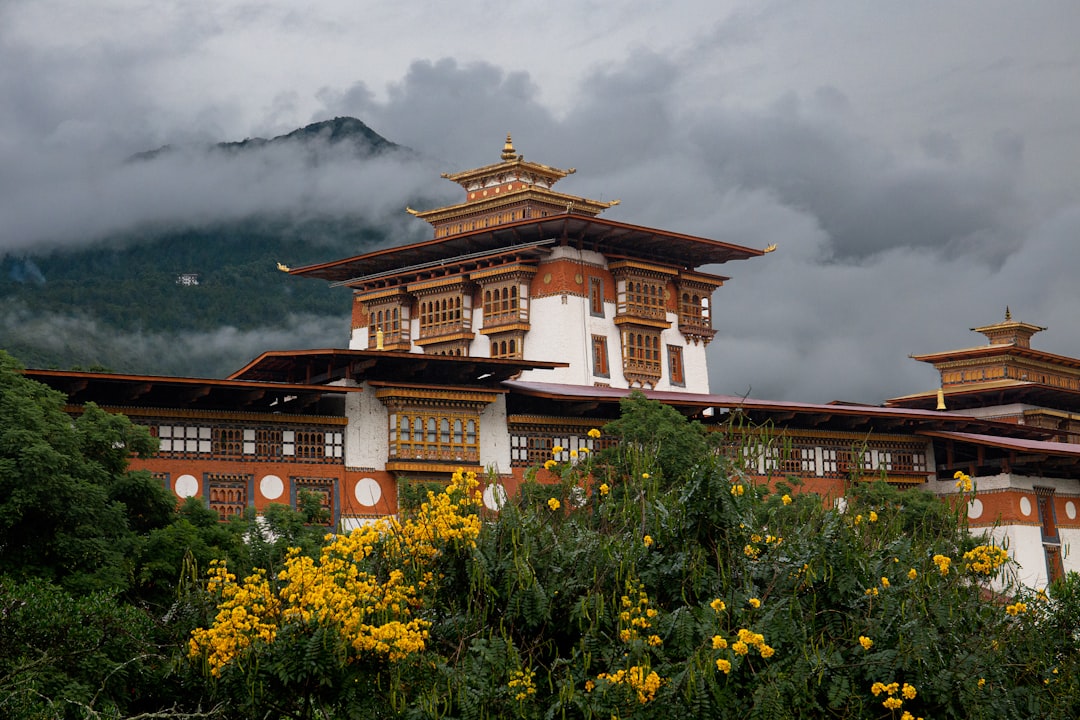
Bhutan, often referred to as the “Land of the Thunder Dragon,” has long captivated travelers with its stunning landscapes, rich cultural heritage, and commitment to preserving its unique identity. However, the country’s approach to tourism is distinct from many other destinations around the world. Central to this approach is the Bhutan Tourism Fee, a policy designed to regulate the flow of visitors while ensuring that tourism contributes positively to the nation’s economy and environment.
This fee is not merely a financial barrier; it embodies Bhutan’s philosophy of “High Value, Low Impact” tourism, which aims to protect the country’s natural and cultural resources while providing a meaningful experience for visitors. The tourism fee has become a topic of discussion among potential travelers, as it reflects Bhutan’s commitment to sustainable tourism practices. By imposing a daily fee on tourists, the government seeks to manage the number of visitors and ensure that those who do come are genuinely interested in experiencing the country’s unique offerings.
This article will explore the history of Bhutan’s tourism policy, the recent changes to the tourism fee, and the implications for travelers, particularly budget-conscious ones. It will also delve into the criticisms surrounding the fee and consider alternative destinations for those who may be deterred by the costs associated with visiting Bhutan. Here is the sentence with the link:
You can learn about Bhutan’s gross national happiness explained in this video: Bhutan gross national happiness explained.
Key Takeaways
- Bhutan’s tourism fee is a unique policy aimed at promoting sustainable tourism and preserving the country’s culture and environment.
- The tourism fee was introduced in 1974 as part of Bhutan’s “high value, low impact” tourism policy, limiting the number of tourists and ensuring they spend a minimum amount per day.
- Bhutan’s approach to sustainable tourism includes promoting cultural immersion, environmental conservation, and equitable economic benefits for local communities.
- Recent changes to Bhutan’s tourism fee include an increase from 0 to 0 per day during the peak season, and 0 per day during the off-peak season.
- The increased tourism fee may impact travelers’ budgets, but it also has the potential to benefit Bhutan’s economy and environment by reducing over-tourism and promoting high-quality, low-impact tourism experiences.
History of Bhutan’s Tourism Policy
Bhutan’s tourism policy has evolved significantly since the country opened its doors to international visitors in the 1970s. Initially, tourism was seen as a potential threat to Bhutan’s cultural integrity and environmental sustainability. As a result, the government adopted a cautious approach, allowing only a limited number of tourists into the country each year.
This strategy was rooted in a desire to preserve Bhutan’s unique way of life and protect its pristine landscapes from the negative impacts of mass tourism. In 1991, Bhutan introduced a policy that required all foreign tourists to pay a minimum daily tariff, which included accommodation, meals, and a guide. This policy was designed not only to generate revenue for the country but also to ensure that visitors contributed positively to local communities.
Over the years, this approach has been refined, with an increasing emphasis on sustainable practices and responsible tourism. The introduction of the tourism fee reflects Bhutan’s ongoing commitment to balancing economic development with environmental conservation and cultural preservation.
Bhutan’s Unique Approach to Sustainable Tourism
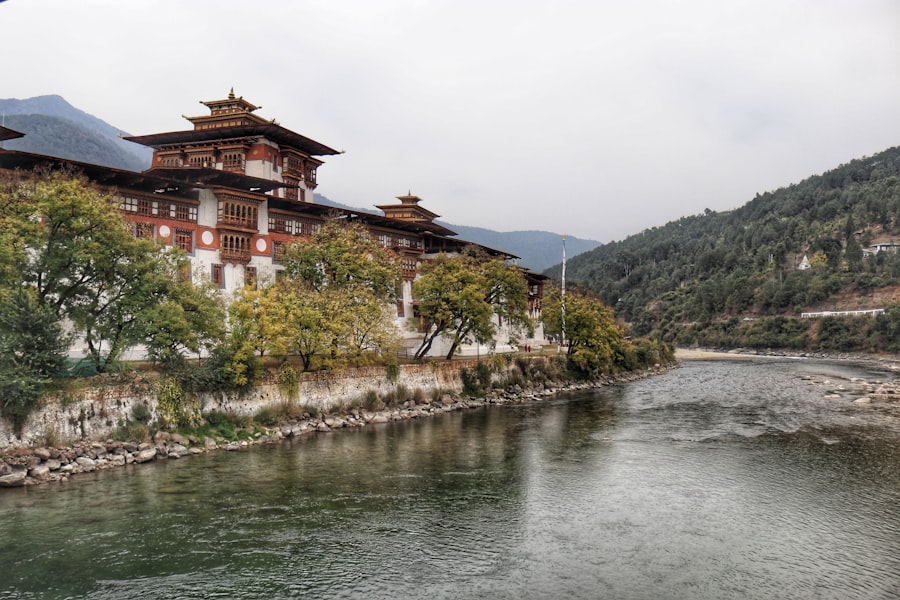
Bhutan’s approach to sustainable tourism is deeply intertwined with its national philosophy of Gross National Happiness (GNH), which prioritizes the well-being of its citizens over mere economic growth. This philosophy informs every aspect of Bhutan’s tourism strategy, emphasizing the importance of preserving cultural heritage and natural resources while promoting social equity and environmental sustainability. By limiting the number of tourists and implementing a tourism fee, Bhutan aims to create a more controlled and meaningful travel experience.
The country’s unique landscape, characterized by towering mountains, lush valleys, and vibrant cultural traditions, serves as both an attraction and a responsibility for its government. The tourism fee is seen as a tool to manage visitor numbers while ensuring that tourism revenue is reinvested into local communities and conservation efforts. This holistic approach not only benefits travelers seeking authentic experiences but also safeguards Bhutan’s environment and cultural identity for future generations.
Recent Changes to Bhutan’s Tourism Fee
| Aspect | Details |
|---|---|
| Tourism Fee | Increased from 200 to 250 per day |
| Peak Season Surcharge | Increased from 25 to 30 per day |
| Off-Season Discount | Reduced from 65 to 50 per day |
In recent years, Bhutan has made significant adjustments to its tourism fee structure in response to changing global travel trends and economic conditions. As of 2023, the daily tariff for foreign tourists has increased substantially, reflecting both inflationary pressures and the need for greater investment in infrastructure and services that support sustainable tourism.
These changes have sparked discussions among potential travelers about the implications of higher fees on their travel plans. While some view the increased cost as a deterrent, others recognize it as an opportunity to support a model of tourism that prioritizes sustainability and cultural preservation. The government has emphasized that the additional revenue generated from these fees will be directed toward improving facilities, protecting natural resources, and enhancing the overall visitor experience.
Impact of Increased Tourism Fee on Travelers
The increase in Bhutan’s tourism fee has undoubtedly raised concerns among travelers, particularly those on a budget. For many potential visitors, the higher costs may lead them to reconsider their travel plans or seek alternative destinations that offer similar experiences at a lower price point. The perception of Bhutan as an exclusive destination may become more pronounced, potentially limiting access for those who wish to experience its unique culture and landscapes.
However, it is essential to recognize that the increased fee also reflects a commitment to providing high-quality experiences for those who do choose to visit. Travelers willing to invest in their journey may find that they receive exceptional value in return—immersive cultural experiences, breathtaking natural beauty, and opportunities for meaningful engagement with local communities. Ultimately, while the increased fee may pose challenges for some, it also serves as an invitation for travelers to embrace a more responsible and enriching form of tourism.
Potential Benefits of Increased Tourism Fee
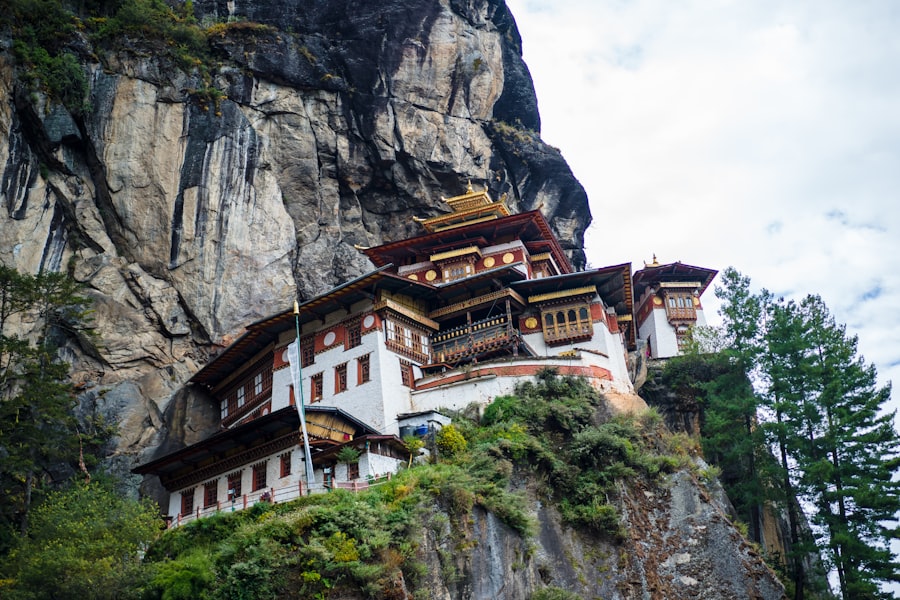
Despite concerns about affordability, there are several potential benefits associated with the increased tourism fee in Bhutan. One significant advantage is that it allows for greater investment in infrastructure and services that enhance the overall visitor experience. Improved roads, better accommodations, and more comprehensive visitor information can lead to a more enjoyable stay for tourists while also benefiting local communities through job creation and economic development.
Moreover, the revenue generated from the tourism fee can be directed toward conservation efforts aimed at protecting Bhutan’s unique ecosystems and cultural heritage sites. By ensuring that funds are allocated to environmental protection initiatives and community development projects, Bhutan can maintain its commitment to sustainable tourism while providing travelers with opportunities to engage in responsible practices during their visit. In this way, the increased fee can be seen not just as an expense but as a contribution toward preserving what makes Bhutan such a special destination.
Criticisms and Concerns Surrounding the Tourism Fee
While there are clear benefits associated with Bhutan’s tourism fee, it has not been without its critics. Some argue that the increased costs may alienate budget travelers or those from lower-income backgrounds who wish to experience Bhutan’s beauty and culture. This concern raises questions about equity in access to travel experiences and whether Bhutan’s model of high-value tourism inadvertently excludes certain demographics.
Additionally, there are worries about how effectively the revenue generated from the tourism fee will be utilized. Critics have called for greater transparency regarding how funds are allocated and spent within local communities. Ensuring that these resources directly benefit those most affected by tourism is crucial for maintaining public support for such policies.
Without clear accountability measures in place, skepticism may grow among both locals and potential visitors regarding the true impact of increased fees on sustainable development.
How the Tourism Fee Affects Budget Travelers
For budget travelers considering a trip to Bhutan, the increased tourism fee presents both challenges and opportunities. The higher daily tariff may necessitate adjustments in travel plans or spending habits, leading some individuals to seek alternative destinations where their budgets can stretch further. However, it is essential for budget-conscious travelers to recognize that Bhutan offers unique experiences that may justify the investment.
Travelers on a budget can still find ways to make their trips more affordable by planning ahead and seeking out package deals or group tours that can help distribute costs among multiple participants. Additionally, engaging with local communities through homestays or volunteer opportunities can provide enriching experiences while potentially lowering accommodation costs. Ultimately, while budget travelers may face hurdles due to increased fees, there are still avenues available for experiencing Bhutan without compromising on quality or authenticity.
Strategies for Managing the Increased Tourism Fee
To navigate the challenges posed by Bhutan’s increased tourism fee, travelers can employ several strategies aimed at maximizing their experience while minimizing costs. One effective approach is thorough research prior to travel—understanding what is included in the daily tariff can help visitors make informed decisions about their itineraries and activities. By prioritizing experiences that align with their interests and values, travelers can ensure they receive value for their investment.
Another strategy involves considering travel during off-peak seasons when prices may be lower or when special promotions are offered by tour operators. Engaging with local guides who offer personalized experiences can also enhance one’s understanding of Bhutanese culture while providing opportunities for cost savings compared to larger tour groups.
Alternative Destinations for Travelers Considering Bhutan
For those who find Bhutan’s increased tourism fee prohibitive or are seeking alternative experiences, several destinations offer similar cultural richness and natural beauty without comparable costs. Countries such as Nepal, India’s northeastern states like Sikkim or Arunachal Pradesh, and even parts of Southeast Asia like Laos or Vietnam provide opportunities for immersive travel experiences at lower price points. These alternative destinations often boast stunning landscapes, vibrant cultures, and welcoming communities that share many similarities with Bhutanese hospitality.
While they may not replicate every aspect of what makes Bhutan unique, they can offer travelers fulfilling experiences without necessitating significant financial investment. Ultimately, exploring these alternatives can broaden one’s travel horizons while still aligning with values of sustainability and cultural appreciation.
Navigating the Bhutan Tourism Fee Controversy
The controversy surrounding Bhutan’s tourism fee reflects broader discussions about sustainable travel practices in an increasingly interconnected world. While higher fees may pose challenges for some travelers, they also represent an opportunity for Bhutan to reinforce its commitment to preserving its unique culture and environment through responsible tourism practices. As potential visitors weigh their options—considering both financial implications and personal values—they must navigate this complex landscape thoughtfully.
Ultimately, whether one chooses to embrace Bhutan’s high-value model or explore alternative destinations, it is essential for travelers to remain mindful of their impact on local communities and ecosystems. By prioritizing responsible travel practices and supporting initiatives that promote sustainability, individuals can contribute positively to their chosen destinations—whether in Bhutan or beyond—ensuring that future generations can continue to experience the beauty and richness of our world’s diverse cultures and landscapes.
The recent controversy surrounding Bhutan’s tourism fee has sparked significant debate about the impact of high costs on the country’s travel industry. For a deeper understanding of the implications of these fees on both tourists and the local economy, you can read a related article on this topic at My Geo Quest. This article explores various perspectives and provides insights into how the fee structure affects visitor experiences and Bhutan’s sustainable tourism goals.
WATCH THIS! Gross National Happiness Is A Trap
FAQs
What is the Bhutan tourism fee controversy?
The Bhutan tourism fee controversy refers to the debate surrounding the high daily fee imposed on tourists visiting Bhutan.
What is the current tourism fee in Bhutan?
As of 2021, the daily tourism fee for visitors to Bhutan is set at $250 during the peak season and $200 during the off-peak season.
Why is there controversy surrounding the tourism fee in Bhutan?
The controversy stems from concerns that the high tourism fee may make Bhutan an inaccessible destination for many travelers, particularly those on a budget.
How does the tourism fee work in Bhutan?
Visitors to Bhutan are required to book their travel through a licensed Bhutanese tour operator and pay the daily fee, which covers accommodation, meals, transportation, and a sustainable development fee.
What are the arguments in favor of the tourism fee in Bhutan?
Supporters of the tourism fee argue that it helps to preserve Bhutan’s unique culture and environment, and ensures that tourism benefits the local economy.
What are the arguments against the tourism fee in Bhutan?
Critics of the tourism fee argue that it limits access to Bhutan for budget travelers and may contribute to over-tourism in neighboring countries with lower fees.
Has there been any change in the Bhutan tourism fee policy in response to the controversy?
As of now, there have been no significant changes to the tourism fee policy in Bhutan in response to the controversy.