Bhutan, a small landlocked kingdom nestled in the Eastern Himalayas, has garnered international attention for its remarkable achievement of being the world’s first carbon-negative country. This status means that Bhutan absorbs more carbon dioxide through its forests and other natural processes than it emits through human activities. The nation’s commitment to environmental sustainability is deeply rooted in its cultural and spiritual values, which prioritize harmony with nature.
This unique approach has not only positioned Bhutan as a leader in climate action but has also sparked interest in how other nations might emulate its model. The journey towards carbon negativity began decades ago, driven by a vision that intertwines environmental conservation with the well-being of its citizens. Bhutan’s government has implemented policies that promote sustainable practices, ensuring that economic development does not come at the expense of the environment.
As global concerns about climate change intensify, Bhutan’s example serves as a beacon of hope, illustrating that it is possible to achieve a balance between development and ecological preservation. Here is the sentence with the link:
You can learn about Bhutan’s gross national happiness explained in this video: Bhutan gross national happiness explained.
Key Takeaways
- Bhutan is the only carbon negative country in the world, meaning it absorbs more carbon dioxide than it emits.
- Bhutan’s forests play a crucial role in carbon sequestration, absorbing three times more CO2 than the country emits.
- Bhutan is committed to renewable energy, with hydropower providing almost all of its electricity needs.
- Bhutan’s carbon negative status has a positive impact on global climate change by offsetting carbon emissions from other countries.
- Bhutan’s unique approach to sustainable development focuses on Gross National Happiness and environmental conservation.
The Role of Bhutan’s Forests in Carbon Sequestration
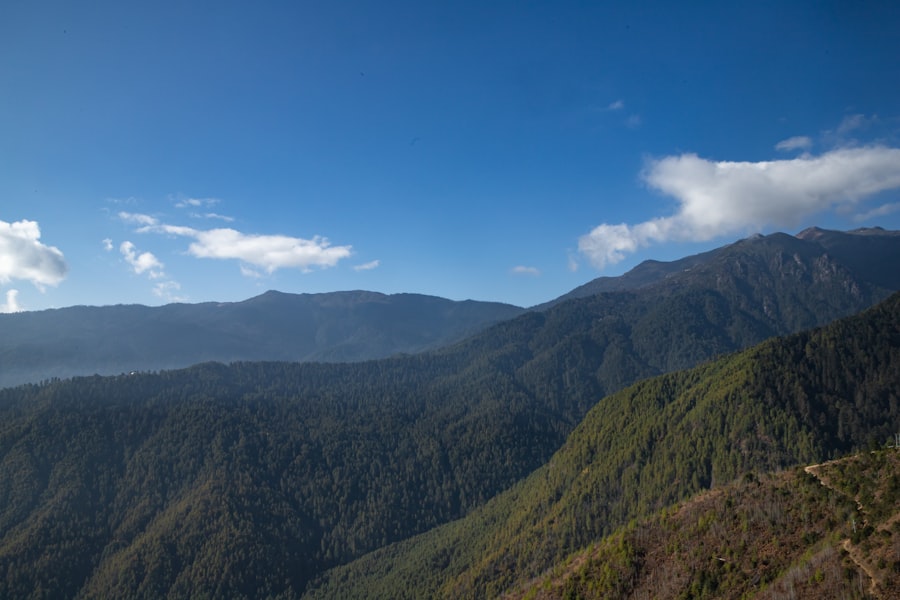
Forests play a pivotal role in Bhutan’s carbon-negative status, covering approximately 72% of the country’s land area. These lush, biodiverse ecosystems act as significant carbon sinks, absorbing vast amounts of carbon dioxide from the atmosphere. The government has prioritized forest conservation and reforestation efforts, recognizing that healthy forests are essential not only for carbon sequestration but also for maintaining biodiversity and supporting local livelihoods.
The commitment to preserving these natural resources is evident in Bhutan’s policies, which mandate that at least 60% of the country’s land must remain forested. Moreover, Bhutan’s forests are home to a rich variety of flora and fauna, many of which are endemic to the region. This biodiversity enhances the resilience of forest ecosystems, allowing them to adapt to changing climatic conditions while continuing to sequester carbon effectively.
The integration of traditional ecological knowledge with modern conservation practices has further strengthened Bhutan’s ability to manage its forests sustainably. By fostering a deep connection between its people and their environment, Bhutan ensures that forest conservation remains a priority for future generations.
Bhutan’s Commitment to Renewable Energy
In addition to its forest conservation efforts, Bhutan has made significant strides in renewable energy production, primarily through hydropower.
Hydropower not only provides electricity for domestic consumption but also allows Bhutan to export surplus energy to neighboring countries, contributing to regional energy security.
This commitment to renewable energy aligns with Bhutan’s broader goal of reducing greenhouse gas emissions and promoting sustainable development. The government has set ambitious targets for expanding its renewable energy capacity, aiming to become a net exporter of clean energy in the coming years. By investing in infrastructure and technology, Bhutan is positioning itself as a leader in renewable energy within South Asia.
This transition not only supports the country’s carbon-negative status but also creates opportunities for economic growth and job creation in the renewable energy sector. As Bhutan continues to develop its hydropower resources, it remains committed to ensuring that these projects are environmentally sustainable and socially responsible.
The Impact of Bhutan’s Carbon Negative Status on Global Climate Change
| Metrics | Data |
|---|---|
| Bhutan’s Carbon Negative Status | Since 1999, Bhutan has been carbon negative, absorbing more carbon dioxide than it emits. |
| Forest Cover | Bhutan’s forest cover is over 70%, which helps in absorbing carbon dioxide from the atmosphere. |
| Impact on Global Climate Change | Bhutan’s carbon negative status contributes to mitigating global climate change by reducing overall carbon emissions. |
| International Recognition | Bhutan’s efforts have been recognized internationally, and the country has received support for its conservation and sustainability initiatives. |
Bhutan’s carbon-negative status has far-reaching implications for global climate change efforts. As one of the few countries actively working to reduce its carbon footprint while simultaneously enhancing its carbon sinks, Bhutan serves as a model for other nations grappling with the challenges of climate change. By demonstrating that it is possible to achieve economic development without compromising environmental integrity, Bhutan inspires a shift in perspective regarding sustainable practices worldwide.
Furthermore, Bhutan’s commitment to carbon negativity highlights the importance of local actions in addressing global issues. While larger industrialized nations contribute significantly to global emissions, Bhutan’s approach emphasizes that even small countries can make a substantial impact through dedicated efforts toward sustainability. This message resonates particularly well with developing nations that may feel overwhelmed by the scale of climate change challenges.
By showcasing its achievements on the international stage, Bhutan encourages collaboration and knowledge-sharing among countries striving for similar goals.
Bhutan’s Unique Approach to Sustainable Development
What sets Bhutan apart from many other nations is its holistic approach to sustainable development, encapsulated in the concept of Gross National Happiness (GNH). This philosophy prioritizes the well-being of citizens over mere economic growth, emphasizing environmental conservation, cultural preservation, and social equity. GNH serves as a guiding principle for policy-making in Bhutan, ensuring that development initiatives align with the country’s values and long-term sustainability goals.
This unique framework fosters a sense of responsibility among citizens towards their environment and encourages community involvement in conservation efforts. By integrating traditional practices with modern development strategies, Bhutan creates a harmonious balance between progress and preservation. This approach not only enhances the quality of life for its people but also reinforces the nation’s commitment to maintaining its carbon-negative status.
Challenges and Opportunities in Maintaining Carbon Negativity
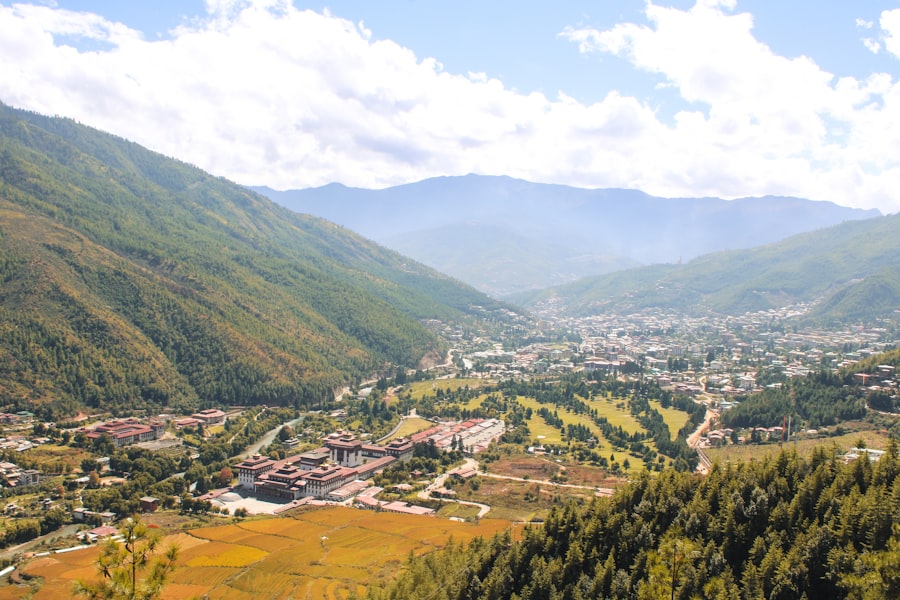
Despite its commendable achievements, Bhutan faces several challenges in maintaining its carbon-negative status. Rapid urbanization and population growth pose threats to natural resources and ecosystems. As more people migrate to urban areas in search of better opportunities, there is an increased demand for land and resources, which can lead to deforestation and habitat loss.
Additionally, climate change itself presents challenges, as shifting weather patterns can impact agricultural productivity and forest health. However, these challenges also present opportunities for innovation and resilience. By investing in sustainable urban planning and promoting eco-friendly practices among citizens, Bhutan can mitigate some of the pressures associated with urbanization.
Furthermore, engaging local communities in conservation efforts can foster a sense of ownership and responsibility towards natural resources. By leveraging technology and education, Bhutan can enhance its capacity to adapt to changing environmental conditions while continuing to uphold its commitment to carbon negativity.
Bhutan’s Carbon Negative Status as a Model for Other Countries
Bhutan’s success in achieving carbon negativity offers valuable lessons for other countries seeking to address climate change. Its emphasis on sustainable practices, community involvement, and holistic development provides a framework that can be adapted to various contexts. Nations grappling with high levels of emissions can look to Bhutan as an example of how prioritizing environmental health can lead to positive social and economic outcomes.
Moreover, Bhutan’s experience underscores the importance of integrating traditional knowledge with modern scientific approaches in conservation efforts. By valuing indigenous practices and engaging local communities in decision-making processes, countries can enhance their resilience against climate change while fostering a sense of stewardship over natural resources. As global awareness of climate issues grows, Bhutan’s model serves as an inspiration for collaborative efforts towards sustainability on an international scale.
The Economic Benefits of Bhutan’s Carbon Negative Status
Bhutan’s carbon-negative status not only contributes to environmental sustainability but also brings significant economic benefits. By investing in renewable energy and sustainable tourism, the country has created new avenues for economic growth while minimizing its ecological footprint. The export of hydropower generates revenue that supports public services and infrastructure development, enhancing the overall quality of life for citizens.
Additionally, sustainable tourism has emerged as a vital sector for Bhutan’s economy. The country’s pristine landscapes and rich cultural heritage attract visitors seeking authentic experiences while promoting environmental conservation. By prioritizing eco-friendly tourism practices, Bhutan ensures that economic development aligns with its commitment to preserving natural resources.
This approach not only generates income but also raises awareness about the importance of environmental stewardship among tourists.
The Cultural and Spiritual Importance of Environmental Conservation in Bhutan
In Bhutan, environmental conservation is deeply intertwined with cultural and spiritual beliefs. The country’s Buddhist heritage emphasizes the interconnectedness of all living beings and the importance of living in harmony with nature. This spiritual perspective fosters a profound respect for the environment, influencing how citizens engage with their surroundings and approach conservation efforts.
Rituals and traditions often reflect this reverence for nature, reinforcing the idea that protecting the environment is not merely an obligation but a sacred duty. Festivals celebrating natural phenomena or honoring sacred sites serve as reminders of the intrinsic value of biodiversity and ecosystems. By embedding environmental conservation within cultural practices, Bhutan cultivates a collective consciousness that prioritizes ecological well-being alongside social harmony.
Bhutan’s Efforts to Balance Conservation with Economic Development
As Bhutan navigates the complexities of balancing conservation with economic development, it faces both challenges and opportunities. The government recognizes that economic growth is essential for improving living standards but remains committed to ensuring that such growth does not compromise environmental integrity. Policies promoting sustainable agriculture, eco-friendly tourism, and renewable energy are designed to create synergies between economic advancement and ecological preservation.
Engaging local communities in decision-making processes is crucial for achieving this balance. By empowering citizens to participate actively in conservation initiatives and development projects, Bhutan fosters a sense of ownership over natural resources while promoting sustainable livelihoods. This collaborative approach not only enhances community resilience but also reinforces the nation’s commitment to maintaining its carbon-negative status.
The Future of Bhutan’s Carbon Negative Status and Its Potential Impact on the World
Looking ahead, Bhutan’s carbon-negative status holds immense potential for influencing global climate action efforts. As climate change continues to pose significant threats worldwide, Bhutan’s example serves as a reminder that meaningful progress is possible through dedicated efforts toward sustainability. The nation’s commitment to preserving its natural resources while fostering economic growth offers valuable insights for other countries grappling with similar challenges.
Furthermore, as international discussions around climate change evolve, Bhutan’s unique approach may inspire new frameworks for addressing environmental issues on a global scale. By advocating for policies that prioritize ecological well-being alongside social equity, Bhutan encourages a shift towards more holistic approaches in tackling climate change. As nations strive for sustainable futures, Bhutan stands as a testament to what can be achieved when environmental stewardship is placed at the forefront of development agendas.
In conclusion, Bhutan’s journey towards becoming the world’s first carbon-negative country exemplifies how a small nation can make significant strides in combating climate change through innovative policies rooted in cultural values and community engagement. As global awareness around environmental issues grows, Bhutan’s model offers hope and inspiration for nations seeking sustainable pathways toward development while preserving the planet for future generations.
Bhutan’s remarkable achievement of being the world’s first carbon-negative country has garnered significant attention, highlighting its commitment to environmental sustainability. For a deeper understanding of Bhutan’s unique approach to carbon neutrality and its implications for global climate efforts, you can read more in this related article on MyGeoQuest: MyGeoQuest.
WATCH THIS! Gross National Happiness Is A Trap
FAQs
What is Bhutan’s carbon negative status?
Bhutan is the only carbon negative country in the world, meaning it absorbs more carbon dioxide than it emits. This is achieved through the country’s extensive forest cover and focus on sustainable development.
How does Bhutan maintain its carbon negative status?
Bhutan maintains its carbon negative status primarily through its extensive forest cover, which acts as a carbon sink. The country also prioritizes renewable energy and sustainable development practices.
What are the benefits of Bhutan’s carbon negative status?
Bhutan’s carbon negative status has numerous benefits, including contributing to global efforts to combat climate change, preserving biodiversity, and promoting sustainable development practices.
What challenges does Bhutan face in maintaining its carbon negative status?
Bhutan faces challenges such as increasing population pressure, deforestation, and the potential impact of climate change on its ecosystems. These challenges require ongoing efforts to protect and expand the country’s forest cover and promote sustainable development.