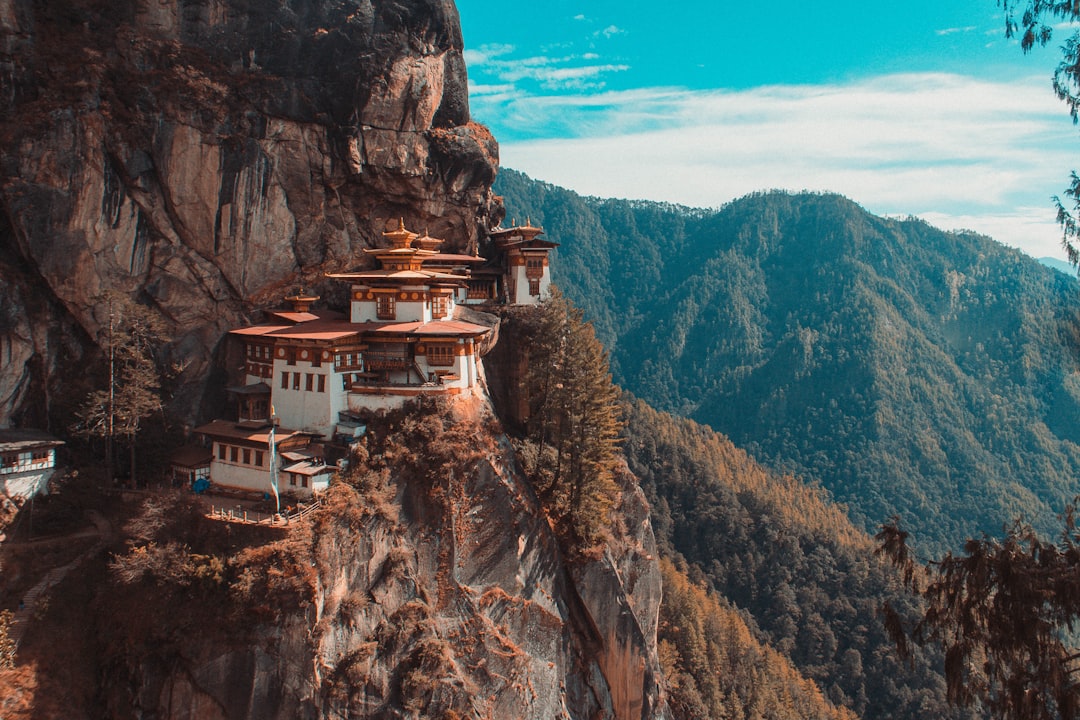
Nestled in the eastern Himalayas, Bhutan is a small kingdom known for its breathtaking landscapes and rich cultural heritage. However, what sets Bhutan apart on the global stage is its unique approach to development, which emphasizes the balance between economic growth and the well-being of its citizens. While many countries prioritize Gross Domestic Product (GDP) as the primary measure of progress, Bhutan has introduced the concept of Gross National Happiness (GNH) as a guiding principle for its policies.
This dual focus on GDP and GNH reflects Bhutan’s commitment to sustainable development that nurtures both economic prosperity and the holistic well-being of its people. The juxtaposition of GDP and GNH in Bhutan presents a fascinating case study in development economics. GDP, a traditional measure of economic performance, quantifies the total value of goods and services produced within a country.
In contrast, GNH encompasses a broader spectrum of factors that contribute to the quality of life, including environmental sustainability, cultural preservation, and social equity. This innovative approach not only challenges conventional economic paradigms but also invites a global conversation about what true progress means in the 21st century. Here is the sentence with the link:
You can learn about Bhutan’s gross national happiness explained in this video: Bhutan gross national happiness explained.
Key Takeaways
- Bhutan’s unique approach to development focuses on balancing Gross Domestic Product (GDP) and Gross National Happiness (GNH) to prioritize well-being over economic growth.
- GDP in Bhutan is measured not only in terms of economic output, but also in terms of social, environmental, and cultural well-being.
- GNH in Bhutan emphasizes sustainable and equitable development, cultural preservation, and good governance, among other factors.
- Balancing GDP and GNH in Bhutan is important for ensuring holistic development that prioritizes the well-being of its citizens and the environment.
- Bhutan’s model of balancing GDP and GNH offers valuable lessons for the world in redefining success and prioritizing well-being over economic growth.
Understanding Gross Domestic Product (GDP) in Bhutan
Gross Domestic Product serves as a critical indicator of economic health, providing insights into the overall productivity and financial stability of a nation. In Bhutan, GDP has shown steady growth over the years, driven by sectors such as hydropower, agriculture, and tourism. The government has invested significantly in infrastructure development and energy production, particularly hydropower, which has become a cornerstone of the economy.
This focus on GDP growth has allowed Bhutan to improve its standard of living and increase access to essential services like education and healthcare. However, the reliance on GDP as a sole measure of success can be misleading. While it reflects economic activity, it does not account for the distribution of wealth or the environmental costs associated with growth.
In Bhutan, policymakers recognize that an increase in GDP does not necessarily translate to improved happiness or well-being for its citizens. As such, while GDP remains an important metric for assessing economic performance, it is viewed through a critical lens that considers its limitations in capturing the full spectrum of human experience.
Exploring Gross National Happiness (GNH) in Bhutan

Gross National Happiness is a concept that originated in Bhutan in the 1970s under the leadership of King Jigme Singye Wangchuck. It was introduced as an alternative to GDP, emphasizing that true development should prioritize the happiness and well-being of individuals rather than merely focusing on economic output. GNH is built upon four pillars: sustainable development, cultural preservation, environmental conservation, and good governance.
These pillars serve as guiding principles for policy-making and reflect Bhutan’s commitment to fostering a society where citizens can thrive. The GNH framework encompasses nine domains that further elaborate on what constitutes happiness in Bhutanese society. These domains include psychological well-being, health, education, time use, cultural diversity and resilience, good governance, community vitality, ecological diversity and resilience, and living standards.
By integrating these diverse aspects into its development agenda, Bhutan aims to create a holistic approach that nurtures both individual fulfillment and collective prosperity.
The Importance of Balancing GDP and GNH in Bhutan
| Metrics | Importance |
|---|---|
| Gross Domestic Product (GDP) | Measures the economic output of a country, but does not account for the well-being of its citizens. |
| Gross National Happiness (GNH) | Focuses on the overall happiness and well-being of the population, including factors such as health, education, and environmental conservation. |
| Importance of Balancing | By balancing GDP and GNH, Bhutan aims to ensure economic growth while also prioritizing the well-being and happiness of its citizens. |
| Challenges | Challenges in measuring and quantifying GNH, as well as potential trade-offs between economic growth and happiness. |
The interplay between GDP and GNH is crucial for Bhutan’s sustainable development strategy. While economic growth is necessary for improving living standards and providing essential services, it must not come at the expense of social cohesion or environmental integrity. Balancing these two metrics allows Bhutan to pursue economic advancement while ensuring that the benefits are equitably distributed among its citizens.
This balance is particularly important in a country where traditional values and community ties play a significant role in shaping individual identities. Moreover, the integration of GNH into policy-making encourages a more inclusive approach to development. By prioritizing happiness alongside economic indicators, Bhutan seeks to address issues such as poverty alleviation, mental health support, and environmental sustainability.
This holistic perspective fosters a sense of community and belonging among citizens, reinforcing the idea that true progress is measured not just by financial success but by the overall quality of life experienced by individuals.
Bhutan’s Unique Approach to Development
Bhutan’s development model is characterized by its commitment to preserving its cultural heritage while embracing modernity. The government has implemented policies that promote sustainable tourism, allowing visitors to experience the country’s rich traditions without compromising its natural resources or cultural integrity. This approach not only generates revenue but also fosters a sense of pride among Bhutanese people in their unique identity.
Additionally, Bhutan’s emphasis on environmental conservation is evident in its commitment to maintaining forest cover and promoting renewable energy sources. The country has set ambitious goals for carbon neutrality and aims to become a global leader in sustainable practices. By prioritizing ecological health alongside economic growth, Bhutan demonstrates that it is possible to achieve prosperity without sacrificing the environment or cultural values.
Challenges in Balancing GDP and GNH in Bhutan
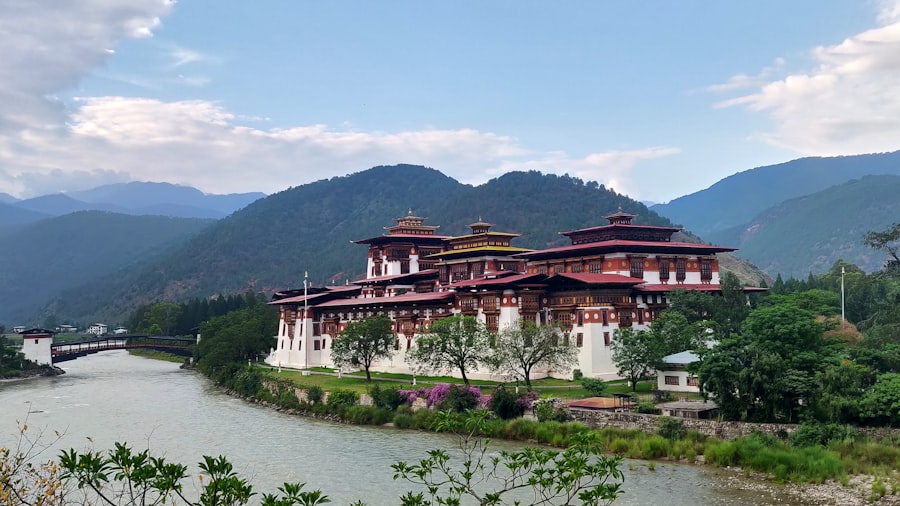
Despite its innovative approach to development, Bhutan faces several challenges in balancing GDP and GNH. One significant hurdle is the pressure to generate economic growth in an increasingly competitive global landscape. As neighboring countries expand their economies rapidly, Bhutan must navigate the delicate balance between attracting foreign investment and preserving its cultural identity and environmental integrity.
Moreover, there are inherent tensions between traditional values and modern aspirations. As globalization influences Bhutanese society, younger generations may prioritize material wealth over communal well-being. This shift poses a challenge for policymakers who strive to maintain GNH principles while addressing the evolving needs and desires of their citizens.
Striking this balance requires ongoing dialogue and engagement with communities to ensure that development remains aligned with the values that define Bhutanese identity.
Successes in Achieving a Balance between GDP and GNH in Bhutan
Despite these challenges, Bhutan has achieved notable successes in balancing GDP and GNH. The country’s commitment to sustainable tourism has resulted in increased revenue while preserving its natural beauty and cultural heritage. By implementing policies that limit tourist numbers and promote responsible travel practices, Bhutan has managed to create an economy that benefits both visitors and locals alike.
Furthermore, initiatives aimed at improving education and healthcare have contributed to enhanced quality of life for many Bhutanese citizens. Investments in these sectors have led to higher literacy rates and better health outcomes, reflecting the positive impact of prioritizing GNH alongside economic growth. These successes demonstrate that it is possible to achieve tangible improvements in well-being while maintaining a focus on sustainable development.
The Impact of Balancing GDP and GNH on Bhutanese Society
The impact of balancing GDP and GNH on Bhutanese society is profound. By prioritizing happiness as a measure of progress, the government fosters a sense of community and belonging among its citizens.
As individuals feel valued beyond their economic contributions, they are more likely to engage actively in civic life and contribute positively to society. Moreover, the focus on GNH has led to increased awareness of mental health issues and the importance of psychological well-being. Initiatives aimed at promoting mental health awareness have gained traction, helping to destigmatize discussions around mental health challenges.
This shift contributes to a more supportive environment where individuals can seek help without fear of judgment, ultimately enhancing overall societal happiness.
Lessons Learned from Bhutan’s Approach to Balancing GDP and GNH
Bhutan’s approach offers valuable lessons for other nations grappling with similar challenges in development. One key takeaway is the importance of redefining success beyond traditional economic metrics. By incorporating measures of well-being into policy frameworks, countries can create more inclusive societies that prioritize the needs of all citizens rather than focusing solely on financial growth.
Additionally, Bhutan’s commitment to sustainability serves as a model for addressing environmental concerns while pursuing economic advancement. The integration of ecological considerations into development planning can lead to long-term benefits for both people and the planet. Other nations can learn from Bhutan’s example by adopting holistic approaches that prioritize both human flourishing and environmental stewardship.
The Future of Balancing GDP and GNH in Bhutan
Looking ahead, the future of balancing GDP and GNH in Bhutan will require ongoing adaptation and innovation. As global challenges such as climate change and economic inequality intensify, Bhutan must continue to refine its development strategies to ensure they remain relevant and effective. Engaging with citizens through participatory governance will be essential for understanding their evolving needs and aspirations.
Furthermore, fostering international collaboration will be crucial for sharing best practices and learning from other countries’ experiences in balancing economic growth with social well-being. By positioning itself as a leader in sustainable development practices, Bhutan can inspire others to adopt similar frameworks that prioritize happiness alongside economic indicators.
The Significance of Bhutan’s Model for the World
In conclusion, Bhutan’s unique model of balancing GDP with Gross National Happiness offers profound insights into what constitutes true progress in society. By prioritizing well-being alongside economic growth, Bhutan challenges conventional notions of success and invites a broader conversation about sustainable development worldwide. As nations grapple with pressing social and environmental issues, Bhutan’s approach serves as a beacon of hope—demonstrating that it is possible to achieve prosperity while nurturing the happiness and fulfillment of individuals within society.
The significance of Bhutan’s model extends beyond its borders; it encourages global leaders to rethink their priorities and consider alternative measures of success that encompass both economic performance and human well-being. In an era where material wealth often overshadows quality of life, Bhutan stands as a testament to the power of prioritizing happiness—a lesson that resonates deeply in today’s interconnected world.
While GDP measures economic performance, GNH emphasizes the well-being and happiness of the population. For a deeper understanding of how Bhutan balances these two metrics, you can read more in this related article: Bhutan’s Approach to Happiness and Economic Growth.
WATCH THIS! Gross National Happiness Is A Trap
FAQs
What is Bhutan’s GDP?
Bhutan’s GDP (Gross Domestic Product) was estimated to be around $2.5 billion in 2020.
What is GNH in Bhutan?
GNH stands for Gross National Happiness, a unique development philosophy introduced by the fourth King of Bhutan, Jigme Singye Wangchuck, in the 1970s. It prioritizes the well-being and happiness of the Bhutanese people over economic growth.
How does Bhutan measure GNH?
Bhutan measures GNH through nine domains: psychological well-being, health, education, time use, cultural diversity and resilience, good governance, community vitality, ecological diversity and resilience, and living standards.
How does Bhutan prioritize GNH over GDP?
Bhutan’s government has integrated GNH into its policy-making process, ensuring that decisions are made with the well-being of its citizens in mind, rather than solely focusing on economic growth as measured by GDP.
Is Bhutan the only country to prioritize GNH over GDP?
Bhutan is known for prioritizing GNH over GDP, but it is not the only country to consider alternative measures of progress and well-being. Other countries, such as New Zealand and Scotland, have also explored alternative indicators to measure societal progress and well-being.