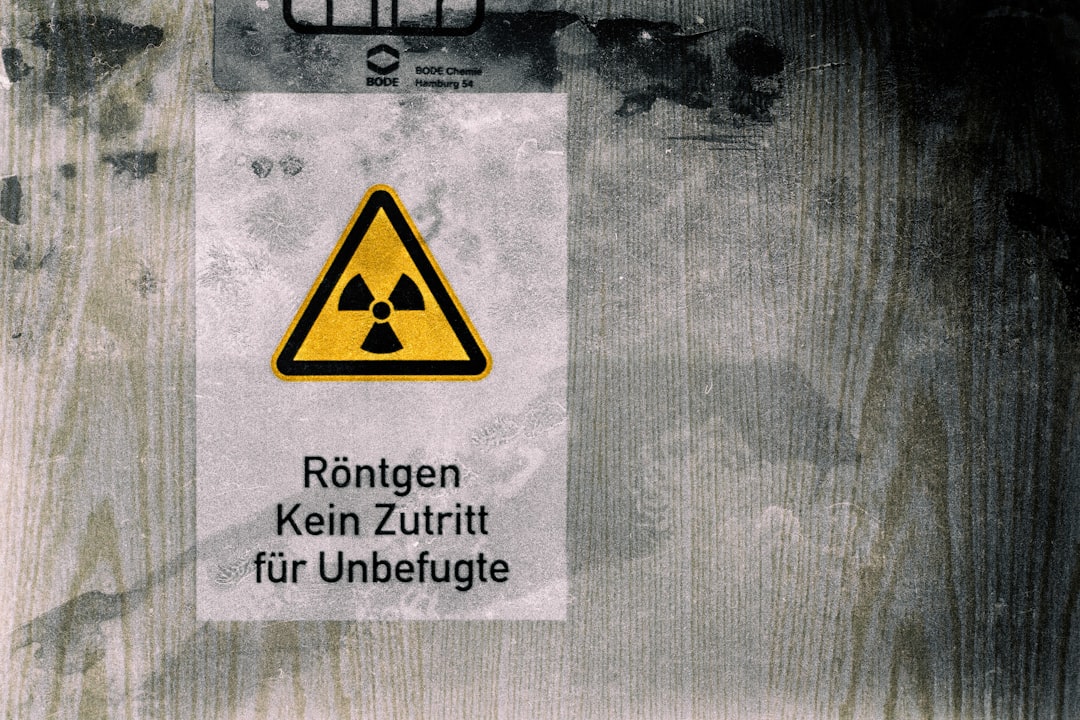
Urban environments are often bustling with life, innovation, and opportunity. However, beneath the surface of these vibrant cities lies a myriad of hidden hazards that can pose significant risks to public safety and health. These dangers are not always visible to the naked eye, making them particularly insidious.
From aging infrastructure to underground contamination, urban hazards can manifest in various forms, often without warning. As cities continue to grow and evolve, understanding these hidden threats becomes increasingly crucial for urban planners, policymakers, and residents alike. The complexity of urban ecosystems means that many hazards are interrelated, compounding the risks they present.
For instance, the deterioration of infrastructure can lead to contamination of soil and water sources, while urban development can disrupt natural waterways, exacerbating flooding risks. By shedding light on these hidden urban hazards, communities can take proactive measures to mitigate their impact and foster safer living environments. This article will explore various hidden dangers lurking beneath the surface of urban landscapes, emphasizing the importance of awareness and preparedness in addressing these challenges.
Key Takeaways
- Aging infrastructure poses significant safety risks in urban environments.
- Underground contamination and storage tanks present hidden environmental hazards.
- Sinkholes, subsidence, and unstable ground threaten urban stability.
- Urban development can disrupt natural waterways, increasing flood risks.
- Radon gas, underground fires, and utility hazards are often overlooked dangers.
The Dangers of Aging Infrastructure
One of the most pressing concerns in urban areas is the state of aging infrastructure. Many cities were built decades or even centuries ago, and their foundational systems—such as roads, bridges, and water supply networks—are often in dire need of repair or replacement. The deterioration of these structures can lead to catastrophic failures, resulting in accidents that endanger lives and disrupt daily activities.
For instance, crumbling bridges may collapse under the weight of modern traffic, while outdated water pipes can burst, causing flooding and contamination. Moreover, the financial burden of maintaining and upgrading infrastructure is a significant challenge for many municipalities. Budget constraints often lead to deferred maintenance, which only exacerbates the problem over time.
As infrastructure continues to age without adequate investment, the risks associated with its failure grow exponentially. Urban planners and city officials must prioritize infrastructure assessments and allocate resources effectively to ensure that these critical systems remain safe and functional for residents.
Underground Contamination: Unseen Threats

Beneath the surface of urban landscapes lies a hidden world of contamination that poses serious health risks to communities. Industrial activities, improper waste disposal, and historical land use practices have left many urban areas with contaminated soil and groundwater. Toxic substances such as heavy metals, solvents, and petroleum products can seep into the ground, creating hazardous conditions that may go unnoticed for years.
The long-term exposure to these contaminants can lead to severe health issues, including respiratory problems, neurological disorders, and even cancer. Addressing underground contamination requires a multifaceted approach that includes thorough environmental assessments and remediation efforts. Local governments must work closely with environmental agencies to identify contaminated sites and develop strategies for cleanup.
Public awareness campaigns can also play a vital role in educating residents about the potential risks associated with contaminated land and the importance of reporting suspicious activities or signs of pollution. By taking proactive measures to address underground contamination, cities can protect public health and restore trust in their environments.
Unstable Ground: The Risks of Sinkholes and Subsidence
| Metric | Description | Typical Range | Impact Level |
|---|---|---|---|
| Sinkhole Diameter | Average width of sinkholes formed | 5 to 100 meters | High |
| Subsidence Rate | Ground surface lowering per year | 1 to 50 cm/year | Medium to High |
| Frequency of Sinkhole Events | Number of sinkholes per year in high-risk areas | 1 to 20 events/year | High |
| Depth of Sinkholes | Typical depth from surface to bottom | 3 to 30 meters | High |
| Groundwater Level Fluctuation | Annual variation in groundwater table | 0.5 to 5 meters | Medium |
| Damage to Infrastructure | Percentage of buildings affected in sinkhole zones | 10% to 60% | High |
| Soil Type Susceptibility | Common soil types prone to subsidence | Clay, Limestone, Sandstone | Varies |
| Mitigation Cost | Typical cost for sinkhole prevention measures | Varies widely by region and method | Medium to High |
Sinkholes and subsidence are geological phenomena that can pose significant risks in urban areas. Sinkholes occur when underground cavities collapse, leading to sudden depressions in the ground surface. These events can be triggered by various factors, including heavy rainfall, groundwater depletion, or the dissolution of soluble rock formations such as limestone.
In densely populated cities, sinkholes can cause extensive damage to buildings, roads, and utilities, often with little warning. Subsidence, on the other hand, refers to the gradual sinking of the ground due to factors such as soil compaction or the extraction of underground resources like water or minerals. This slow process can lead to structural damage over time, affecting the integrity of buildings and infrastructure.
Urban planners must consider the geological characteristics of their regions when developing land-use policies to mitigate the risks associated with sinkholes and subsidence. Implementing monitoring systems and conducting regular geological assessments can help identify vulnerable areas and inform necessary precautions.
The Impact of Urban Development on Natural Waterways
Urban development has a profound impact on natural waterways, often leading to significant environmental degradation and increased flooding risks. As cities expand, natural landscapes are altered or paved over to accommodate new construction projects. This encroachment disrupts the natural flow of water, leading to increased runoff and reduced absorption by soil and vegetation.
Consequently, urban areas become more susceptible to flooding during heavy rainfall events. Moreover, the alteration of waterways can have detrimental effects on local ecosystems. Aquatic habitats may be destroyed or fragmented, leading to declines in biodiversity and disruptions in food chains.
To address these challenges, urban planners must prioritize sustainable development practices that protect natural waterways. Implementing green infrastructure solutions—such as permeable pavements, rain gardens, and bioswales—can help manage stormwater runoff while preserving vital ecosystems.
The Hidden Dangers of Underground Utilities
Underground utilities are essential for modern urban living; however, they also present hidden dangers that can threaten public safety. Gas lines, electrical cables, water pipes, and sewage systems are often buried beneath city streets, making them vulnerable to damage from construction activities or natural disasters. Accidental ruptures or leaks can lead to hazardous situations such as explosions or contamination of drinking water supplies.
To mitigate these risks, it is crucial for utility companies and city officials to maintain accurate records of underground utility locations and implement strict safety protocols during excavation projects. Public awareness campaigns can also educate residents about the importance of reporting any signs of utility leaks or damage promptly. By fostering a culture of vigilance regarding underground utilities, communities can enhance safety and reduce the likelihood of accidents.
Unseen Threats: The Dangers of Radon Gas
Radon gas is an invisible threat that lurks in many urban environments, posing serious health risks to residents.
It can seep into homes through cracks in foundations or gaps around pipes and is particularly concerning in areas with high levels of uranium in the ground.
Prolonged exposure to radon has been linked to lung cancer, making it a significant public health concern. Many homeowners are unaware of the presence of radon gas in their properties due to its odorless nature. Testing for radon is essential for identifying potential hazards; however, not all residents take this precautionary step.
Local governments can play a vital role in raising awareness about radon testing and providing resources for homeowners to conduct assessments. By promoting radon awareness initiatives and encouraging mitigation efforts where necessary, communities can protect public health from this silent threat.
The Risks of Urban Flooding and Drainage Issues
Urban flooding is a growing concern for cities worldwide as climate change intensifies weather patterns and increases rainfall frequency. Poor drainage systems exacerbate this issue by failing to manage stormwater effectively. When heavy rains occur, streets can quickly become inundated with water, leading to property damage, transportation disruptions, and public safety hazards.
To combat urban flooding risks, cities must invest in modernizing their drainage infrastructure while also implementing sustainable stormwater management practices. Green roofs, rain gardens, and retention basins are examples of solutions that can help absorb excess rainwater and reduce runoff into storm drains. Additionally, community engagement is essential; residents should be educated about flood preparedness measures and encouraged to participate in local planning efforts aimed at improving drainage systems.
Uncovering the Risks of Underground Storage Tanks
Underground storage tanks (USTs) are commonly used for storing fuel or hazardous materials; however, they pose significant environmental risks if not properly maintained. Over time, these tanks can corrode or develop leaks that allow toxic substances to seep into the surrounding soil and groundwater. Contaminated sites can remain hazardous for years or even decades if not addressed promptly.
Regulatory frameworks exist to manage USTs; however, enforcement varies widely across jurisdictions. Local governments must prioritize inspections and monitoring programs to ensure compliance with safety standards. Public awareness campaigns can also inform residents about potential risks associated with USTs in their neighborhoods and encourage reporting any signs of leakage or contamination.
By taking proactive measures to address UST-related hazards, communities can safeguard their environments from long-term damage.
The Silent Threat of Underground Fires and Explosions
Underground fires are a hidden danger that can occur in urban areas due to various factors such as coal seam fires or gas leaks from underground utilities. These fires may smolder for years before becoming apparent on the surface, posing significant risks to nearby structures and residents’ safety. In some cases, underground fires can lead to explosions if flammable gases accumulate in confined spaces.
Addressing this issue requires vigilance from both city officials and utility companies. Regular inspections of underground infrastructure are essential for identifying potential hazards before they escalate into dangerous situations. Additionally, public education initiatives can help raise awareness about the signs of underground fires—such as unusual odors or ground subsidence—encouraging residents to report any concerns promptly.
Addressing Hidden Urban Hazards for a Safer City
As urban areas continue to grow and evolve, addressing hidden hazards becomes increasingly vital for ensuring public safety and health. From aging infrastructure to underground contamination and flooding risks, these dangers require proactive measures from city officials, planners, and residents alike. By fostering awareness about these issues and implementing effective strategies for mitigation, communities can create safer living environments for all.
Collaboration among various stakeholders—including government agencies, environmental organizations, utility companies, and residents—is essential for tackling hidden urban hazards comprehensively. Through education initiatives, investment in infrastructure improvements, and sustainable development practices, cities can work towards minimizing risks while enhancing resilience against future challenges. Ultimately, by prioritizing safety in urban planning efforts, communities can build a brighter future where hidden hazards no longer threaten their well-being.
Beneath the bustling streets of our cities lies a complex network of hidden dangers that often go unnoticed. From aging infrastructure to hazardous waste, these underground threats can pose significant risks to urban safety. For a deeper understanding of these issues, you can read more in this related article on the topic: Hidden Dangers Under City Streets.
WATCH THIS! The Map You Can’t See: America’s $50 Billion Secret Underground City
FAQs
What are the common hidden dangers found beneath city streets?
Common hidden dangers beneath city streets include aging and deteriorating infrastructure such as water and gas pipes, electrical cables, sewage systems, and subway tunnels. These can pose risks like leaks, collapses, and electrical hazards.
Why is it important to monitor underground city infrastructure?
Monitoring underground infrastructure is crucial to prevent accidents, service disruptions, and environmental damage. Early detection of issues like pipe corrosion, gas leaks, or structural weaknesses helps ensure public safety and maintain city services.
How do underground hazards affect city residents?
Underground hazards can lead to service outages (water, electricity, gas), traffic disruptions due to emergency repairs, health risks from gas leaks or sewage contamination, and in severe cases, structural collapses that endanger lives.
What technologies are used to detect hidden dangers under city streets?
Technologies include ground-penetrating radar, sonar mapping, robotic inspection devices, sensors for gas and water leaks, and advanced imaging techniques to assess the condition of underground utilities and structures.
How can cities mitigate the risks associated with underground infrastructure?
Cities can mitigate risks by regularly inspecting and maintaining underground systems, investing in infrastructure upgrades, implementing real-time monitoring systems, and enforcing strict safety regulations during construction and repairs.
Are there environmental concerns related to underground city infrastructure?
Yes, leaks from underground pipes can contaminate soil and groundwater, while damaged sewage systems can lead to pollution. Additionally, improper handling of underground waste or hazardous materials can pose significant environmental risks.
What role do urban planners play in managing underground city hazards?
Urban planners coordinate the design, maintenance, and upgrading of underground infrastructure to ensure safety and efficiency. They also plan for future growth, integrating new technologies and materials to reduce hidden dangers.
Can underground infrastructure failures cause major city-wide emergencies?
Yes, failures such as gas explosions, water main breaks, or subway tunnel collapses can cause widespread emergencies, including evacuations, traffic chaos, and prolonged service outages, highlighting the need for proactive management.