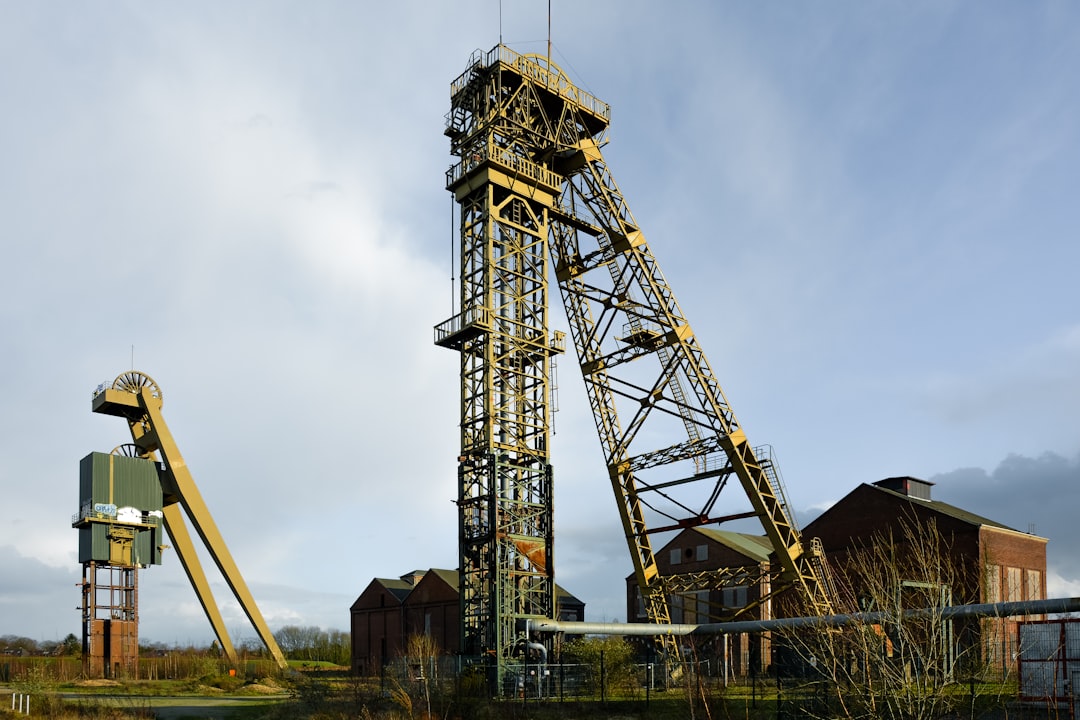
Mining royalties are a key financial mechanism that enables governments and local communities to generate revenue from natural resource extraction. These royalties are typically structured as a percentage of extracted mineral value or as a fixed charge per unit produced. The primary purpose of mining royalties is to ensure that the public benefits from resource extraction, particularly in areas where mining operations create substantial environmental and social consequences.
Through royalty requirements, governments secure a share of the economic value produced by mining activities, which can be allocated toward local infrastructure development, educational programs, and healthcare services. Mining royalty structures differ considerably across jurisdictions, determined by variables including regional economic conditions, the specific minerals being extracted, and applicable regulatory frameworks. Some countries employ progressive royalty systems with rates that increase as profits grow, while others use flat rates that remain unchanged regardless of market conditions.
For mining sector participants, comprehending these structural differences is important when managing regulatory compliance and financial projections. The success of mining royalties in supporting sustainable development depends fundamentally on transparent governance practices and fair revenue distribution mechanisms.
Key Takeaways
- Mining royalties are crucial for generating government revenue and supporting local communities.
- Environmental regulations help mitigate the negative impacts of mining on ecosystems and public health.
- Balancing economic benefits with environmental protection requires collaboration among governments, companies, and stakeholders.
- Sustainable mining practices and adherence to regulations can lead to successful, responsible resource extraction.
- Future trends emphasize innovation and stronger policies to harmonize mining royalties with environmental stewardship.
The Importance of Environmental Regulations in Mining
Environmental regulations play a pivotal role in the mining industry, serving as a safeguard against the potential adverse effects of mining activities on ecosystems and communities. These regulations are designed to mitigate pollution, protect biodiversity, and ensure that mining operations adhere to sustainable practices. By establishing clear guidelines for environmental management, governments can help prevent degradation of land and water resources, which are often at risk due to mining activities.
The importance of these regulations cannot be overstated, as they not only protect the environment but also enhance the social license to operate for mining companies. Furthermore, robust environmental regulations can foster innovation within the mining sector. Companies that prioritize compliance with environmental standards often invest in research and development to create cleaner technologies and more efficient extraction methods.
This proactive approach not only minimizes ecological footprints but can also lead to cost savings in the long run. As public awareness of environmental issues grows, mining companies that embrace stringent regulations may find themselves better positioned in the marketplace, appealing to consumers and investors who prioritize sustainability. Learn about the environmental impacts of lithium mining in this informative video.
The Impact of Mining on the Environment
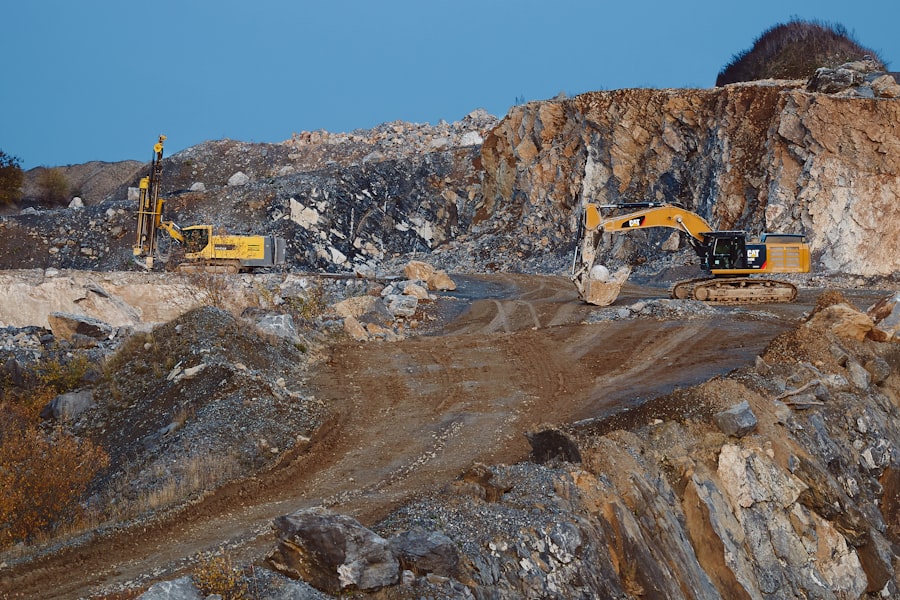
Mining activities can have profound impacts on the environment, ranging from habitat destruction to water pollution. The extraction process often involves significant land disturbance, which can lead to soil erosion and loss of biodiversity. Additionally, the use of chemicals in mineral processing can contaminate nearby water sources, posing risks to aquatic life and human health.
The cumulative effects of these environmental impacts can be devastating, particularly in regions where ecosystems are already fragile or where communities rely on natural resources for their livelihoods. Moreover, the carbon footprint associated with mining operations contributes to climate change, further exacerbating environmental challenges. The energy-intensive nature of mining processes often relies on fossil fuels, leading to greenhouse gas emissions that contribute to global warming.
As awareness of climate change intensifies, there is increasing pressure on the mining industry to adopt more sustainable practices that minimize environmental harm. This includes transitioning to renewable energy sources and implementing waste management strategies that reduce pollution and promote resource recovery.
Balancing Economic Benefits and Environmental Concerns
The challenge of balancing economic benefits with environmental concerns is a central issue in the mining industry. On one hand, mining can generate significant economic growth, create jobs, and provide essential resources for various industries. On the other hand, the environmental degradation associated with mining activities can undermine long-term sustainability and harm local communities.
Striking this balance requires a nuanced approach that considers both immediate economic gains and the potential long-term consequences of resource extraction. To achieve this balance, stakeholders must engage in meaningful dialogue and collaboration. This includes not only government agencies and mining companies but also local communities and environmental organizations.
By fostering partnerships that prioritize both economic development and environmental stewardship, it is possible to create a framework that supports responsible mining practices. This collaborative approach can lead to innovative solutions that enhance resource efficiency while minimizing ecological impacts, ultimately benefiting both the economy and the environment.
The Role of Government in Regulating Mining Royalties and Environmental Regulations
| Metric | Description | Typical Range/Value | Impact on Mining Operations |
|---|---|---|---|
| Royalty Rate | Percentage of revenue or production paid to government as mining royalty | 3% – 15% | Higher rates increase operational costs and affect project viability |
| Environmental Compliance Cost | Annual expenditure to meet environmental regulations | 1% – 5% of total operational costs | Increases overall cost, may delay project timelines |
| Rehabilitation Bond | Funds set aside to restore mining sites post-closure | Varies by jurisdiction, often 5% – 20% of project cost | Ensures environmental restoration, affects cash flow |
| Emission Limits | Maximum allowable emissions of pollutants (e.g., CO2, SO2) | Set by local laws, e.g., CO2 < 1000 tons/year | Requires investment in cleaner technology |
| Water Usage Restrictions | Limits on water withdrawal and discharge quality | Depends on region, often < 5000 m³/day | May require water recycling and treatment systems |
| Environmental Impact Assessment (EIA) Approval Time | Duration to obtain environmental permits | 6 – 24 months | Delays project start, increases pre-production costs |
| Penalty for Non-Compliance | Fines or sanctions for violating environmental laws | Up to millions depending on severity | Financial risk and reputational damage |
Governments play a critical role in regulating mining royalties and environmental regulations, acting as both facilitators of economic development and protectors of public interests. Through legislation and policy frameworks, governments establish the rules that govern how mining companies operate within their jurisdictions. This includes setting royalty rates that reflect the value of extracted resources while ensuring that environmental protections are in place to mitigate potential harm.
Effective regulation requires a delicate balance between encouraging investment in the mining sector and safeguarding environmental integrity. Governments must be vigilant in monitoring compliance with regulations and enforcing penalties for violations. Additionally, engaging with stakeholders—including local communities—can enhance transparency and accountability in the regulatory process.
By fostering an environment where responsible mining practices are rewarded, governments can help ensure that both economic benefits and environmental protections are prioritized.
Best Practices for Sustainable Mining Operations
Sustainable mining operations are characterized by practices that minimize environmental impact while maximizing economic benefits. One best practice is the implementation of comprehensive environmental management systems (EMS) that guide companies in identifying potential risks and developing strategies to mitigate them. These systems often include regular monitoring and reporting mechanisms that ensure compliance with environmental regulations and promote continuous improvement.
Another key aspect of sustainable mining is community engagement. Mining companies that actively involve local communities in decision-making processes are more likely to gain social acceptance and support for their operations. This can include initiatives such as community development programs, investment in local infrastructure, and transparent communication about potential impacts.
By prioritizing stakeholder engagement, companies can build trust and foster positive relationships with those affected by their activities.
The Role of Stakeholders in Balancing Mining Royalties and Environmental Regulations
Stakeholders play an essential role in balancing mining royalties with environmental regulations. This diverse group includes government agencies, mining companies, local communities, non-governmental organizations (NGOs), and investors.
Local communities often bear the brunt of mining’s environmental impacts while also being key beneficiaries of its economic contributions. Their involvement in discussions about royalties and regulations is vital for ensuring that their voices are heard and their needs are addressed. NGOs can serve as advocates for environmental protection, pushing for stricter regulations while also holding companies accountable for their practices.
By fostering dialogue among all stakeholders, it becomes possible to create a more balanced approach that considers both economic development and environmental sustainability.
Case Studies of Successful Balancing of Mining Royalties and Environmental Regulations
Several case studies illustrate successful balancing acts between mining royalties and environmental regulations. One notable example is found in Canada’s mining sector, where provinces have implemented progressive royalty systems alongside stringent environmental standards. In British Columbia, for instance, the government has established a framework that encourages responsible resource extraction while ensuring that a portion of revenues is reinvested into local communities for infrastructure development and environmental restoration projects.
Another example can be seen in Australia’s approach to mining regulation. The country has developed a comprehensive regulatory framework that includes rigorous environmental assessments before any mining project is approved. This process ensures that potential impacts are thoroughly evaluated and mitigated before operations commence.
Additionally, Australia’s system allows for ongoing community consultation throughout the life cycle of a mine, fostering transparency and collaboration between stakeholders.
Challenges and Opportunities in Balancing Mining Royalties and Environmental Regulations
Despite progress in balancing mining royalties with environmental regulations, significant challenges remain. One major hurdle is the often conflicting interests among stakeholders. While governments may prioritize revenue generation from royalties, local communities may focus on protecting their environment and health from potential harm caused by mining activities.
This divergence can lead to tensions that complicate negotiations and hinder collaborative efforts. However, these challenges also present opportunities for innovation and improvement within the industry. As public awareness of environmental issues grows, there is increasing demand for sustainable practices in mining operations.
Additionally, advancements in technology offer new ways to minimize environmental impacts while enhancing operational efficiency—creating a win-win scenario for both economic growth and ecological preservation.
The Future of Mining: Trends in Balancing Royalties and Environmental Regulations
The future of mining will likely be shaped by evolving trends that emphasize sustainability and responsible resource management. As global demand for minerals continues to rise—driven by technological advancements such as electric vehicles and renewable energy—mining companies will need to adapt their practices accordingly. This includes adopting more sustainable extraction methods that reduce waste and minimize ecological footprints.
Moreover, there is a growing trend toward greater transparency in reporting on both financial performance and environmental impact. Investors are increasingly seeking out companies that prioritize sustainability as part of their business models. This shift presents an opportunity for mining companies to align their operations with broader societal goals while enhancing their competitiveness in an evolving market landscape.
Recommendations for Achieving a Balance between Mining Royalties and Environmental Regulations
To achieve a sustainable balance between mining royalties and environmental regulations, several recommendations can be made. First, governments should consider implementing adaptive royalty systems that respond to market fluctuations while ensuring fair compensation for resource extraction. This flexibility can help maintain investor interest while also addressing community concerns about revenue distribution.
Second, fostering collaboration among stakeholders is essential for creating effective regulatory frameworks that reflect diverse interests. Regular consultations with local communities, NGOs, and industry representatives can lead to more informed decision-making processes that prioritize both economic development and environmental protection. Lastly, investing in research and development for cleaner technologies should be a priority within the mining sector.
By embracing innovation, companies can reduce their ecological footprints while enhancing operational efficiency—ultimately contributing to a more sustainable future for both the industry and the planet. In conclusion, navigating the complexities of mining royalties and environmental regulations requires a multifaceted approach that considers economic benefits alongside ecological responsibilities. Through collaboration among stakeholders, adherence to best practices, and a commitment to innovation, it is possible to create a balanced framework that supports sustainable development within the mining industry.
Mining royalties and environmental regulations are critical topics in the discussion of sustainable resource extraction. For a deeper understanding of how these regulations impact the mining industry and the environment, you can read the article on this subject at this link. This article provides insights into the balance between economic benefits and environmental protection in the context of mining operations.
WATCH THIS! 🌍 “THE WATER IS GONE: Inside the Desert Killing the EV Revolution
FAQs
What are mining royalties?
Mining royalties are payments made by mining companies to governments or landowners for the right to extract minerals from a specific area. These payments are typically calculated as a percentage of the revenue or profit generated from the mined resources.
Why are environmental regulations important in mining?
Environmental regulations in mining are essential to minimize the negative impacts of mining activities on ecosystems, water quality, air quality, and local communities. They help ensure sustainable resource extraction while protecting biodiversity and public health.
How do mining royalties relate to environmental regulations?
Mining royalties provide governments with revenue that can be used to fund environmental monitoring, enforcement of regulations, and rehabilitation of mining sites. Additionally, some jurisdictions link royalty rates to environmental performance to encourage responsible mining practices.
What types of environmental regulations affect mining operations?
Environmental regulations affecting mining include requirements for environmental impact assessments, limits on emissions and waste discharge, land reclamation and rehabilitation standards, water usage restrictions, and biodiversity conservation measures.
Who enforces environmental regulations in mining?
Environmental regulations in mining are typically enforced by government agencies at the national, regional, or local levels. These agencies monitor compliance, conduct inspections, and impose penalties for violations.
Can mining royalties be used to support environmental conservation?
Yes, some governments allocate a portion of mining royalties to environmental conservation projects, community development, and restoration of mined lands to offset the environmental impacts of mining activities.
Do environmental regulations increase the cost of mining?
Implementing environmental regulations can increase operational costs for mining companies due to the need for pollution control technologies, environmental assessments, and site rehabilitation. However, these costs help reduce long-term environmental damage and associated liabilities.
Are there international standards for mining royalties and environmental regulations?
While there are no universal international standards, organizations such as the International Council on Mining and Metals (ICMM) provide guidelines and best practices for responsible mining, including environmental management and royalty frameworks.
How do mining royalties impact local communities?
Mining royalties can provide significant revenue for local communities, funding infrastructure, education, and health services. However, if not managed properly, mining can also lead to environmental degradation that negatively affects community well-being.
What challenges exist in balancing mining royalties and environmental regulations?
Challenges include ensuring fair royalty rates that incentivize sustainable mining, enforcing environmental regulations effectively, preventing illegal mining, and addressing conflicts between economic development and environmental protection.