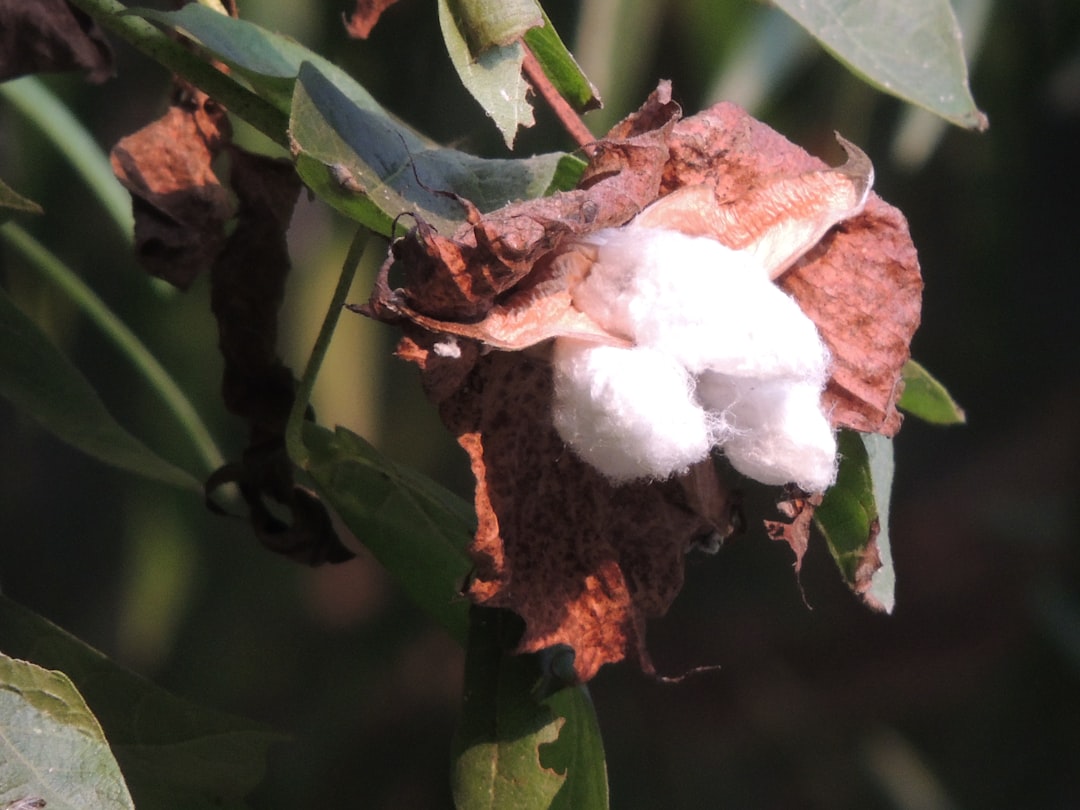
The cultivation of cotton, a cornerstone of the global agricultural economy and a primary fibre source for the textile industry, faces an intricate balancing act between the economic imperative of production quotas and the ecological constraint of water limits. This challenge is not merely a regional issue but a global phenomenon, affecting nations from the arid fields of California to the historical cotton belts of India and Pakistan, and the developing economies of Africa. Understanding this complex interplay requires a meticulous examination of historical precedents, current technological innovations, and future policy considerations. This article delves into the various facets of this equilibrium, providing a comprehensive overview for the informed reader.
Cotton ( Gossypium spp.) is inherently a thirsty crop. Its cultivation has, for centuries, been inextricably linked to regions with ample water resources, whether through natural rainfall or intensive irrigation. The plant’s deep root system and extended growing season necessitate significant water inputs to achieve optimal yields and fibre quality.
Historical Dependence on Water
Historically, the expansion of cotton cultivation often mirrored the development of irrigation infrastructure. Ancient civilizations along the Nile, Indus, and Yellow Rivers harnessed water for agriculture, with cotton eventually becoming a significant crop. The American South’s “Cotton Kingdom” was largely sustained by rainfall, but even there, periods of drought could decimate crops and livelihoods.
Modern Irrigation Practices
Today, irrigation techniques range from traditional furrow and flood irrigation, which are notoriously inefficient, to more advanced methods. These include sprinkler systems, which offer better distribution, and drip irrigation, which delivers water directly to the plant’s root zones, minimizing evaporation and runoff. The adoption of these modern techniques, however, is often contingent on economic factors and access to technology, creating a disparity in water efficiency across different cotton-growing regions. The sheer scale of cotton cultivation means that even marginal improvements in water efficiency can translate into substantial water savings globally.
The ongoing debate surrounding cotton quotas and water limits has significant implications for agricultural sustainability and resource management. For a deeper understanding of the complexities involved in this issue, you can refer to the article that explores the balance between crop production and water conservation efforts. This article provides valuable insights into how these two factors interact and affect farmers’ livelihoods. To read more, visit this link.
The Economic Imperative of Cotton Quotas
Cotton quotas, whether explicit governmental mandates or implicit market-driven production targets, represent the economic dimension of cotton cultivation. These quotas often reflect a nation’s desire for self-sufficiency, export earnings, or the fulfilment of global textile demand.
Government-Imposed Quotas
In some countries, governments impose direct quotas on cotton production to manage supply, stabilize prices, or achieve specific agricultural policy objectives. These quotas can dictate acreage planted, specific varietal allocations, or even the volume of harvested lint. While intended to create stability, such top-down approaches can sometimes disincentivize efficient water use if the quota does not explicitly account for water availability. For instance, a farmer facing a strict production quota might be compelled to over-irrigate to meet targets, regardless of water scarcity.
Market-Driven Production Targets
Beyond governmental mandates, the global textile industry’s demand for cotton creates an inherent, market-driven “quota” for producers. Farmers respond to price signals and contract farming agreements, aiming to produce quantities that maximize their profitability. This market-driven approach, while seemingly more flexible, can also lead to unsustainable practices, especially when high prices incentivise expansion into marginal lands or increased water extraction without commensurate regulation. The “invisible hand” of the market, without proper environmental guardrails, can thus become a silent perpetrator of water depletion.
The Balancing Act: Profit vs. Planet
The fundamental tension lies in how far economic pressures push producers to pursue high yields, even at the expense of dwindling water resources. Farmers are economic actors operating within a complex system of costs, revenues, and risks. The immediate financial benefit of a larger harvest often outweighs the long-term ecological cost of water depletion, particularly in regions where alternative livelihoods are scarce. This immediate gratification, however, sets the stage for future crises, much like overdrawing from a finite bank account.
Water Scarcity: A Looming Threat
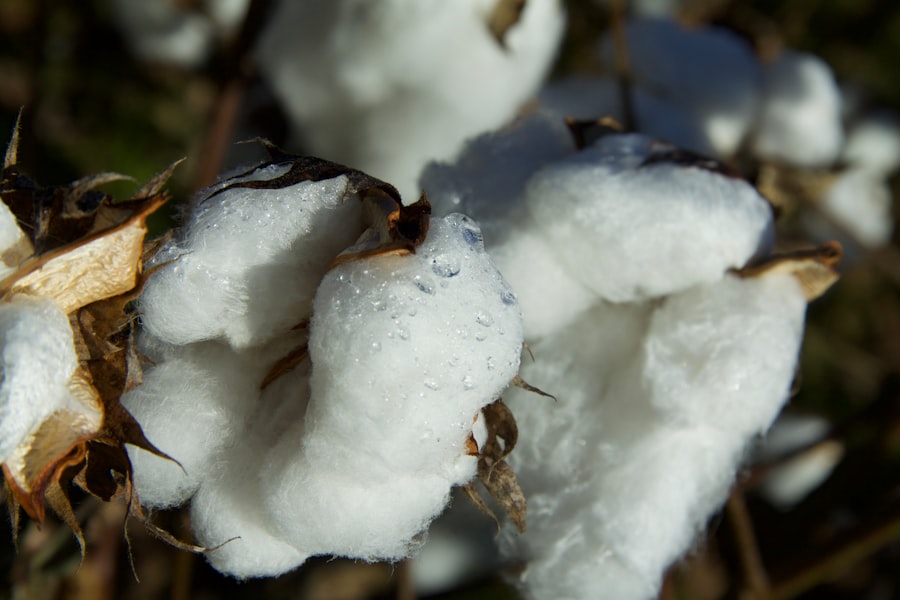
The finite nature of freshwater resources presents a critical challenge to the conventional model of cotton cultivation. Climate change exacerbates this situation, leading to more erratic rainfall, prolonged droughts, and increased evaporative demands.
Regional Water Stress Examples
Consider the High Plains Aquifer in the U.S., a vital source of irrigation for cotton and other crops, which is experiencing significant depletion rates. In Asia, countries like India, China, and Pakistan, major cotton producers, face immense pressure on their river systems and groundwater reserves due to agricultural demand and increasing urbanization. The drying Aral Sea, once fed by rivers diverted for cotton irrigation in Central Asia, stands as a stark monument to the devastating consequences of unchecked water exploitation. These regional examples serve as microcosm of the global challenge, demonstrating that water stress is not a distant threat but a present reality.
Climate Change Impacts
Climate change acts as an accelerant to existing water scarcity issues. Increased temperatures lead to higher evapotranspiration rates, meaning plants require more water to grow. Changes in precipitation patterns, with more intense but less frequent rainfall, can lead to increased runoff and reduced groundwater recharge, effectively making less water available for sustained agricultural use. The unpredictability of these changes makes long-term planning for agriculture, and cotton cultivation in particular, incredibly challenging. Forecasting water availability becomes akin to reading tea leaves rather than relying on historical data.
The “Virtual Water” Footprint
The concept of “virtual water” further complicates the picture. This refers to the water embedded in a product, from its cultivation to processing. A cotton T-shirt, for instance, can require thousands of litres of water to produce its raw material. When countries import cotton or cotton-based products, they are effectively importing virtual water from the exporting nation. This transfer of virtual water can place immense pressure on water-stressed exporting regions, even as importing nations may feel little direct impact on their own water resources. Understanding this global water footprint is crucial for informed consumption and policy decisions.
Innovative Solutions for Sustainable Cotton
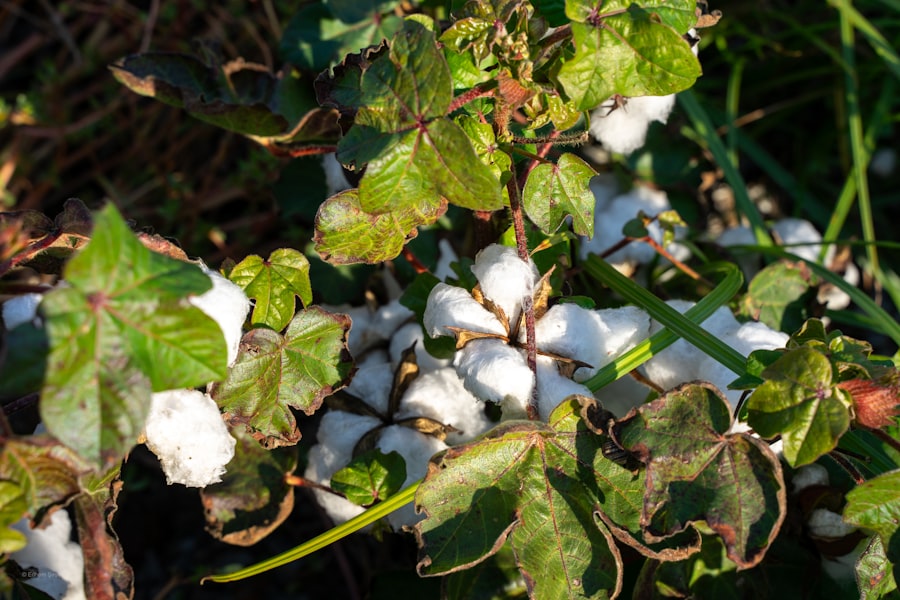
Addressing the dual challenge of quotas and water limits necessitates a multi-faceted approach, encompassing technological advancements, improved agricultural practices, and innovative policy frameworks.
Drought-Tolerant Varieties
Breeding and genetic engineering are yielding cotton varieties with improved drought tolerance. These crops are able to maintain acceptable yields with less water or during periods of prolonged dry spells. While genetically modified (GM) cotton often draws criticism for various reasons, its potential role in water conservation, particularly in drought-prone areas, is indisputable. Research into native genetic traits within Gossypium species also offers promising avenues for developing resilient cultivars through conventional breeding. The development of such varieties is not a silver bullet, but rather a crucial tool in the farmer’s arsenal.
Precision Agriculture Techniques
Precision agriculture, utilizing technologies such as GPS, sensors, and drones, allows farmers to apply water, fertilizers, and pesticides with unprecedented accuracy. Variable Rate Irrigation (VRI) systems, for example, can adjust water application based on real-time soil moisture levels and crop needs, avoiding overwatering in certain areas of a field. These technologies empower farmers to treat their fields not as monolithic entities, but as diverse micro-environments, each with specific needs. The initial investment in such technologies can be substantial, but the long-term savings in water, energy, and inputs, coupled with increased yields, often justify the expenditure.
Water Conservation and Management
Beyond technological fixes, fundamental changes in water management are essential. This includes practices like deficit irrigation, where crops are intentionally under-irrigated to save water without significantly impacting yield quality, and rainwater harvesting, which captures and stores precipitation for later use. Improved canal lining and maintenance can reduce water loss through seepage in irrigation infrastructure. Furthermore, adopting minimum tillage or no-till farming practices helps improve soil health, increasing its water retention capacity. These practices embody a philosophy of working with nature rather than against it.
The ongoing debate surrounding cotton quotas and water limits has significant implications for agricultural sustainability and resource management. A related article explores the intricate balance between crop production and water conservation, highlighting how policy decisions can impact both farmers and the environment. For a deeper understanding of these challenges, you can read more in this insightful piece on agricultural practices. This discussion is crucial as it sheds light on the need for innovative solutions in managing water resources while ensuring the viability of cotton farming.
Policy and Global Cooperation
| Metric | Cotton Quotas | Water Limits |
|---|---|---|
| Definition | Maximum allowable cotton production volume set by regulatory bodies | Maximum allowable water usage for agricultural purposes |
| Purpose | Control cotton supply to stabilize market prices | Conserve water resources and ensure sustainable usage |
| Typical Unit | Metric tons or bales per season | Cubic meters or liters per hectare per season |
| Example Limit | 100,000 metric tons per year | 5,000 cubic meters per hectare per year |
| Impact on Farmers | Limits production volume, may affect income | Restricts irrigation, may affect crop yield |
| Enforcement Agency | Government agricultural departments or trade organizations | Water resource management authorities |
| Environmental Consideration | Prevents overproduction and land degradation | Prevents water depletion and ecosystem damage |
Effective governance and international collaboration are paramount in navigating the complexities of cotton production and water management.
Water Pricing and Allocation Reforms
Reforming water pricing to reflect its true economic and environmental cost can incentivize more efficient use. Where water is a finite resource, its allocation must be carefully managed, often through tiered pricing structures or tradable water rights. These mechanisms can create a market for water, encouraging its transfer to the most productive and efficient uses, including sustainable cotton cultivation. However, the implementation of such reforms must be sensitive to the socio-economic impact on smallholder farmers, ensuring that access to water remains equitable. The challenge lies in designing systems that promote efficiency without penalizing the vulnerable.
International Standards and Certifications
International initiatives and certifications play a crucial role in promoting sustainable cotton. Organizations like the Better Cotton Initiative (BCI) establish standards for water use efficiency, pesticide use, and fair labour practices. These certifications provide consumers with assurances that their cotton products are sourced from more sustainable origins, creating market demand for responsibly produced cotton. Such standards act as a moral compass for the industry, guiding practices towards greater sustainability. Adherence to these standards, however, depends on robust auditing and verification processes.
Research and Development Investment
Continued investment in research and development is vital. This includes funding for breeding programmes to develop even more water-efficient and stress-tolerant cotton varieties, as well as research into advanced irrigation technologies and agro-ecological approaches. Public-private partnerships can accelerate the translation of scientific discoveries into practical, scalable solutions for farmers worldwide. The wellspring of knowledge must be continuously nourished to overcome these emerging challenges.
The Future Trajectory of Cotton Cultivation
The path forward for cotton cultivation is one of necessary adaptation and continuous innovation. Relying on past practices in a changing world is akin to driving while looking in the rearview mirror – fraught with peril.
Towards a Circular Economy for Textiles
Moving towards a circular economy for textiles can significantly reduce the demand for virgin cotton, thereby lessening the pressure on water resources. This involves increasing the longevity of clothing, promoting repair and reuse, and developing efficient recycling technologies for cotton fibres. Reducing consumption at the outset is the most effective form of conservation, preventing the need for the resource extraction in the first place. This paradigm shift from a linear “take-make-dispose” model to a circular one promises substantial environmental benefits.
The Role of Alternative Fibres
While cotton will undoubtedly remain a crucial fibre, the development and wider adoption of alternative, more water-efficient fibres could alleviate some of the pressure. Materials like hemp, flax (linen), and certain bast fibres require significantly less water to grow. Innovations in synthetic fibres derived from renewable resources or recycled materials also offer alternatives. The diversification of the fibre portfolio is a crucial strategy, akin to portfolio diversification in financial markets, reducing over-reliance on a single commodity.
Integrated Water Resource Management
Ultimately, the long-term sustainability of cotton cultivation hinges on the adoption of integrated water resource management (IWRM) at a basin level. This holistic approach considers all water users – agriculture, industry, residential – and aims for equitable and sustainable allocation, balancing economic, social, and environmental objectives. This requires collaboration across sectors and political boundaries, transforming water from a commodity into a shared responsibility. The river basin, as a natural hydrological unit, becomes the ideal canvas for such comprehensive management plans.
The task of balancing cotton quotas and water limits is an enduring grand challenge. It demands a sophisticated understanding of ecological limits, economic realities, and socio-political dynamics. Through sustained innovation, informed policy, and a global commitment to sustainable practices, the narrative of cotton cultivation can evolve from one of resource depletion to one of responsible stewardship. This evolution is not merely an option but an imperative, ensuring that this vital crop can continue to clothe and sustain humanity for generations to come, without draining the very lifelines of our planet.
▶️ STOP: The Middle Corridor Is A Death Trap
FAQs
What are cotton quotas?
Cotton quotas are regulatory limits set by governments or organizations on the amount of cotton that can be produced or sold within a specific period. These quotas aim to control supply, stabilize prices, and protect domestic cotton industries.
What are water limits in agriculture?
Water limits in agriculture refer to restrictions or caps on the amount of water that farmers can use for irrigation and crop production. These limits are often implemented to conserve water resources, especially in regions facing water scarcity.
How do cotton quotas impact water usage?
Cotton quotas can indirectly influence water usage by limiting the amount of cotton that can be grown. Since cotton is a water-intensive crop, quotas that reduce cotton production may lead to lower water consumption in agriculture.
Why are water limits important for cotton farming?
Water limits are crucial for cotton farming because cotton requires significant irrigation. Implementing water limits helps ensure sustainable water use, prevents depletion of water resources, and promotes environmentally responsible farming practices.
Can cotton quotas and water limits conflict with each other?
Yes, cotton quotas and water limits can sometimes conflict. For example, if quotas encourage increased cotton production to meet demand, but water limits restrict irrigation, farmers may face challenges balancing production goals with water availability. Effective policy coordination is necessary to address these issues.