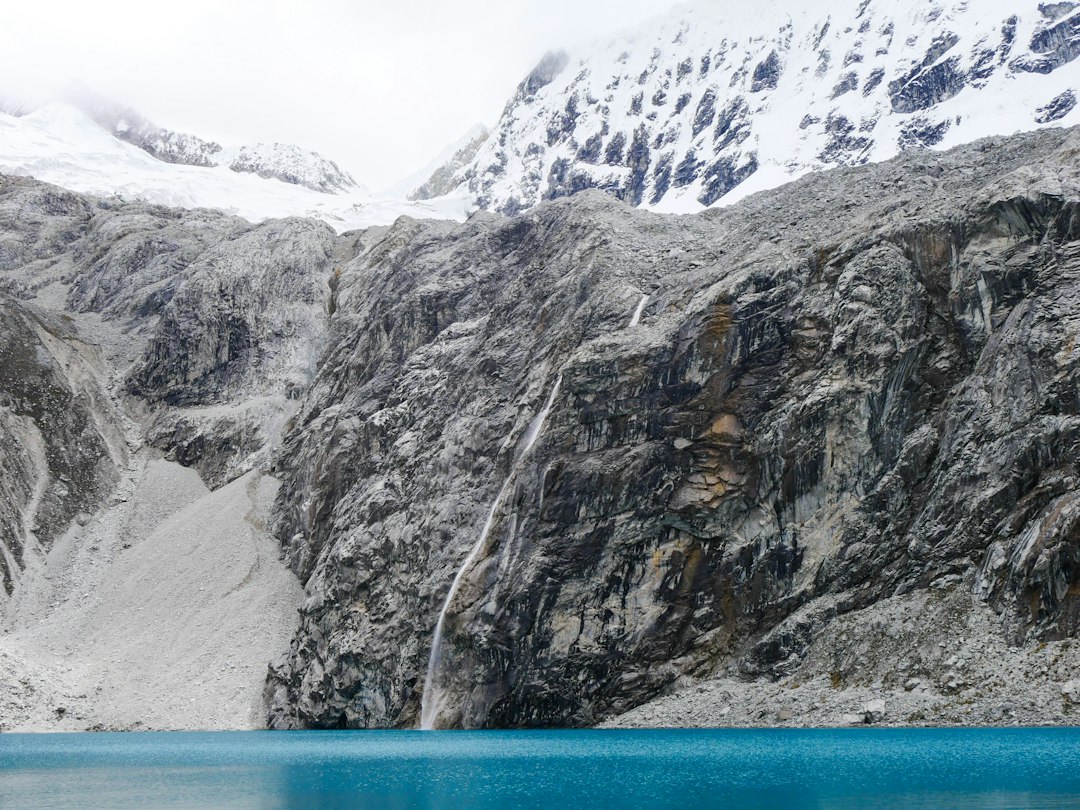
Peru, a nation blessed with the majestic Andes Mountains, faces a significant and ever-present threat from avalanches. These natural phenomena, born from the instability of snowpack on steep slopes, pose a substantial hazard to human life, infrastructure, and the delicate ecosystems of the high altitudes. Understanding the complex factors contributing to avalanche formation and implementing robust safety measures are paramount for the sustainable development and well-being of communities living in or utilizing these mountainous regions. This article delves into the key risks associated with avalanche hazards in Peru and outlines essential safety protocols and strategies to mitigate these dangers.
Understanding the Andean Avalanche Landscape
The Andean Cordillera in Peru presents a unique and challenging environment for avalanche assessment. Its geological characteristics, climatic patterns, and the very nature of snow accumulation combine to create a landscape where avalanches are a recurring and often devastating force. Several interconnected factors contribute to this high hazard potential.
Geographical and Topographical Influences
The sheer scale and steepness of the Peruvian Andes are fundamental drivers of avalanche risk. Towering peaks with inclines often exceeding 30 degrees provide the ideal angle for snowpack to become unstable. Vast, open slopes, characteristic of many Andean mountain ranges, offer ample space for avalanches to form and gain momentum. The presence of natural starting zones, often concave bowls or gullies, further facilitates snow release. Furthermore, the complex topography, with its numerous ridges, gullies, and couloirs, can channel and concentrate avalanche flow, increasing its destructive power and reach. These features can also influence snow distribution, creating wind-loaded areas that are particularly prone to instability. Altitude plays a crucial role, with higher elevations experiencing more extreme temperatures and greater snowfall, contributing to thicker and potentially more unstable snow layers. The presence of cliffs and rock outcrops can also contribute to avalanche formation by acting as trigger points or creating cornices that, when they break, can initiate slides.
Climatic Factors and Snowpack Dynamics
Peru’s climate, particularly in the Andes, is characterized by dramatic seasonal variations and diurnal temperature fluctuations, profoundly impacting snowpack stability. The heavy precipitation during the austral summer months (December to March) can lead to rapid snow accumulation. However, this period is also marked by frequent thunderstorms and warm spells, which can melt the surface snow, creating weak layers within the snowpack. The austral winter (June to September) often brings colder temperatures and prolonged periods of snow, but inconsistent snowfall patterns can result in the formation of various snow layers with different densities and strengths. A common culprit for avalanches is the formation of weak layers, such as surface hoar (frost formed on snow surfaces during clear, cold nights) or faceted snow crystals, which can lie buried beneath newer, heavier snowfall. These weak layers act as slippery planes, allowing the overlying snowpack to slide off. Temperature fluctuations are also critical. Rapid warming can weaken the bond between snow layers, while rapid cooling can lead to the formation of brittle ice layers. Wind is another significant factor, redistributing snow and creating dangerous wind slabs – dense, cohesive layers of snow deposited by wind. These wind slabs are often found on leeward slopes and are highly susceptible to human or natural triggers.
Human Activity and Avalanche Triggers
While natural triggers like extreme snowfall or temperature shifts are common, human activities are a significant contributor to avalanche incidents, particularly in areas frequented by hikers, climbers, skiers, and miners. The most common human trigger is direct impact or weight on an unstable snow slope. This can include footsteps, ski edges, climbing crampons, or even the vibration from machinery. Avalanche rescue efforts themselves can inadvertently trigger secondary avalanches. Ski touring and mountaineering, increasingly popular in Peru’s stunning alpine regions, place individuals directly into avalanche-prone terrain. Inadvertent ski cuts or even the sound of human voices can sometimes be enough to initiate a slide on a highly sensitive slope. Mining operations, particularly those at high altitudes, can also contribute to avalanche risk through vibrations from blasting or the alteration of natural slopes. It is crucial to recognize that many avalanches are not large, catastrophic events but smaller slides that can still incapacitate or sweep individuals off their feet, leading to burial or falls.
Avalanche hazard assessment in Peru is a critical topic, especially given the country’s diverse topography and climate conditions. For a comprehensive understanding of this issue, you can refer to a related article that discusses various methodologies and case studies on avalanche risk management in the region. This article provides valuable insights into the challenges faced by local communities and the strategies being implemented to mitigate these hazards. To learn more, visit this link.
Key Avalanche Risks in Peru
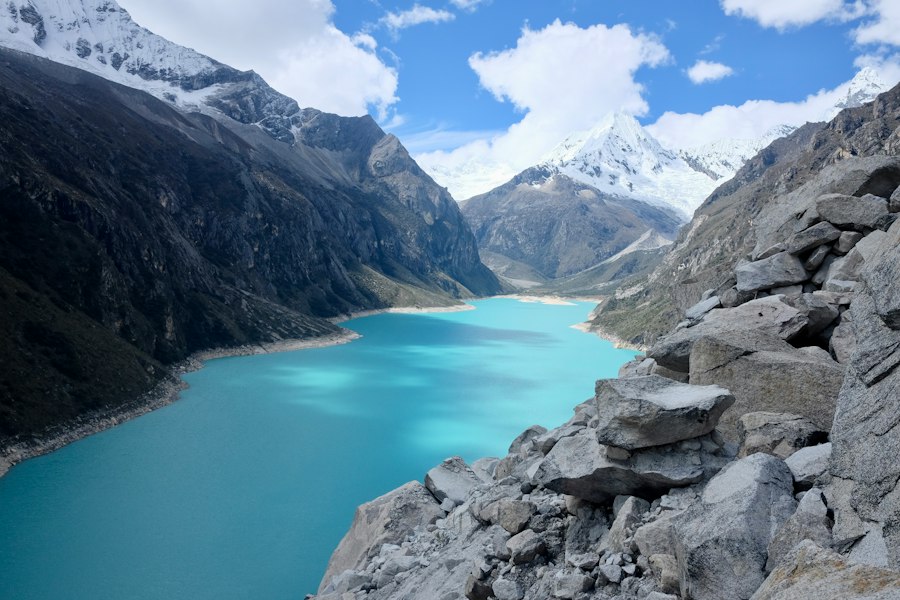
The consequences of avalanches in Peru are far-reaching, impacting human safety, economic activities, and the environment. Identifying and understanding these risks is the first step towards effective mitigation.
Threat to Human Life and Safety
The most immediate and devastating risk posed by avalanches is the threat to human life. Individuals caught in an avalanche can be buried under tons of snow, leading to suffocation, trauma, or hypothermia. The sheer force of an avalanche can cause severe injuries from being tumbled and impacted by snow, ice, and debris. Even survivors of burial face significant challenges, with survival rates decreasing rapidly the longer they remain submerged in snow. The psychological impact on survivors, witnesses, and the communities affected by avalanche tragedies can also be profound and long-lasting. Rescue efforts in remote and hazardous alpine environments are inherently dangerous, further increasing the risk to first responders. The lack of readily available rescue equipment and trained personnel in some remote areas of Peru exacerbates this risk.
Avalanche hazard assessment in Peru is a critical topic, especially given the country’s diverse topography and climatic conditions. Understanding the risks associated with avalanches can help in developing effective mitigation strategies. For those interested in exploring this subject further, a related article provides valuable insights into the methodologies used for hazard assessment in mountainous regions. You can read more about it in this detailed article, which discusses various factors influencing avalanche occurrences and safety measures that can be implemented.
Impact on Infrastructure and Economy
Avalanches can cause extensive damage to critical infrastructure, including roads, bridges, power lines, and buildings, particularly in mountain communities. The destruction of transportation routes can isolate communities, disrupt supply chains, and hinder emergency response efforts. This economic disruption can have cascading effects, impacting local businesses, tourism, and agricultural activities. Mining operations, a significant contributor to Peru’s economy, are particularly vulnerable. Avalanche events can halt production, damage equipment, and pose a severe threat to the safety of miners working in high-altitude areas. The cost of repairing damaged infrastructure and the loss of economic productivity due to avalanche disruptions can be substantial, placing a significant burden on local and national economies. Furthermore, the perception of avalanche risk can deter tourism, a vital source of income for many Andean regions.
Environmental Degradation
Beyond the immediate human and economic impacts, avalanches can also cause significant environmental degradation. The immense force of a moving avalanche can strip vegetation from slopes, leading to soil erosion and habitat destruction. This can disrupt delicate alpine ecosystems and impact biodiversity. The deposition of snow and debris can alter watercourses, affecting downstream water availability and quality. In some cases, avalanches can trigger secondary hazards like landslides or debris flows, further compounding the environmental damage. The long-term recovery of these damaged ecosystems can be slow and challenging, requiring extensive rehabilitation efforts. The alteration of natural slopes can also make them more susceptible to future erosion and instability.
Avalanche Hazard Assessment and Forecasting in Peru
Assessing avalanche hazard and providing accurate forecasts are complex but vital processes that rely on a combination of scientific data, expert observation, and local knowledge. These efforts aim to inform the public and authorities about current and future avalanche risks.
Snowpack Monitoring and Analysis
Effective avalanche forecasting begins with meticulous snowpack monitoring. This involves regular observations of snow depth, temperature profiles, and the presence of weak layers. Professionals conduct snow pits, digging into the snowpack to examine its structure, measure snow density at different levels, and assess the bonding between layers. Identifying specific weak layers, such as surface hoar or depth hoar (faceted crystals formed at the bottom of the snowpack due to temperature gradients), is crucial. These layers are often the starting point for avalanche releases. Weather stations in the mountains provide real-time data on temperature, precipitation, and wind speed, which are critical inputs for avalanche models. Analyzing historical avalanche data, including the location, size, and triggering factors of past events, helps to identify chronically hazardous areas and understand recurring patterns. The integration of this empirical data with meteorological forecasts allows for a more nuanced understanding of the snowpack’s current stability.
Meteorological Forecasting and Data Integration
Accurate meteorological forecasting is indispensable for predicting avalanche conditions. This includes forecasting snowfall amounts, intensity, and type (wet vs. dry snow), as well as temperature changes, wind speed and direction, and precipitation events like rain or thunderstorms. Integrating weather forecasts with real-time snowpack observations allows for the development of avalanche danger ratings. These ratings, often presented on a numerical scale (e.g., low, moderate, considerable, high, extreme), provide a general indication of the likelihood of avalanches and the expected size and distribution. Specialized avalanche forecasting centers, where available, utilize complex computer models that combine weather data with snowpack models to generate detailed hazard maps and bulletins. These bulletins are disseminated to the public through various channels. The challenge in Peru often lies in the vastness and remoteness of the mountainous terrain, making comprehensive monitoring and data collection difficult.
Local Knowledge and Community Involvement
While scientific data and forecasting models are essential, the invaluable knowledge held by local communities and experienced mountain dwellers cannot be overstated. These individuals often possess a deep understanding of the specific microclimates, prevailing winds, and historical avalanche activity in their regions, developed over generations. Incorporating this local knowledge into formal assessment processes can significantly enhance the accuracy and relevance of avalanche forecasts. Community members can serve as crucial observers, reporting unusual snowpack conditions or signs of instability. Engaging communities in avalanche awareness programs and empowering them with basic forecasting skills can create a more resilient and informed population. Establishing formal channels for communication between forecasting agencies and local communities is vital for sharing information and building trust.
Safety Measures and Preparedness in Avalanche Zones
Mitigating avalanche risk requires a multi-faceted approach that combines individual preparedness, community-level planning, and robust infrastructure management.
Individual Preparedness and Education
For anyone venturing into avalanche terrain in Peru, rigorous individual preparedness is non-negotiable. This begins with comprehensive avalanche education. Courses covering snow

The Social Security Mistake At 62 That Could Ruin Your Spouse’s Retirement
FAQs
What is avalanche hazard assessment?
Avalanche hazard assessment is the process of evaluating the potential risk and danger of avalanches in a specific area. It involves analyzing various factors such as snowpack stability, weather conditions, terrain features, and human activities that could trigger avalanches.
How is avalanche hazard assessment conducted in Peru?
In Peru, avalanche hazard assessment is typically carried out by trained professionals who use a combination of field observations, snowpack analysis, weather data, and avalanche forecasting models. They assess the snowpack stability, terrain characteristics, and weather conditions to determine the level of avalanche risk in a particular area.
What are some key factors that contribute to avalanche hazard in Peru?
Some key factors that contribute to avalanche hazard in Peru include steep terrain, heavy snowfall, rapid temperature changes, wind-loading of snow, and the presence of weak snow layers. These factors can increase the likelihood of avalanches occurring in mountainous regions of Peru.
How can individuals reduce their risk of being caught in an avalanche in Peru?
Individuals can reduce their risk of being caught in an avalanche in Peru by staying informed about current avalanche conditions, avoiding high-risk areas during periods of elevated avalanche danger, carrying essential avalanche safety gear such as beacons, shovels, and probes, and undergoing avalanche safety training.
Are there specific regions in Peru that are more prone to avalanche hazards?
Yes, there are specific regions in Peru that are more prone to avalanche hazards, particularly in the Andes mountain range where steep slopes, heavy snowfall, and changing weather conditions create ideal conditions for avalanches. Some popular trekking and skiing areas in the Andes may have higher avalanche risk during certain times of the year.